lore · tv
American Horror Story: Double Feature Explained — Both Endings
Red Tide and Death Valley are two stories within Season 10. Here is how each finale ends, and why their shared billing does not prove a direct plot connection.
 By Kenza Benouna3 min read
Full spoilers for both halves of Double Feature.
Season 10 is billed as one American Horror Story installment, but it tells two distinct stories. “Red Tide” takes six episodes in Provincetown and ends with Alma, Ursula and the Chemist carrying the black-pill scheme into Hollywood. “Death Valley” takes four episodes across a period alien-conspiracy plot and a 2021 Area 51 story; its finale produces the hybrid the aliens have sought. The endings share themes of exploitation and transformation, but neither finale reveals that one plot secretly caused the other.
How does “Red Tide” end?
Harry Gardner decides that he and Alma should stop taking the pills. Alma and Ursula have no intention of giving up what the pills promise. Belle Noir and Austin die when the pale creatures turn on them, but the apparent rescue does not save Harry: Alma feeds on her father. She leaves Provincetown with Ursula, the Chemist and her infant brother.

In Los Angeles, Alma continues to pursue musical success, Ursula distributes the pills to aspiring writers, and the fallout spills into the streets. The Chemist leaves with the baby. The finale does not present the wider distribution as a solved problem or explain every future consequence. Its immediate result is that the people who treated talent as a reason to exploit others have extended the harm beyond one town.
How does “Death Valley” end?
The period story links Mamie Eisenhower and Valiant Thor to the long-running alien arrangement. In 2021, Kendall’s child is identified as the hybrid specimen the aliens wanted. Kendall is kept as a breeding vessel after the birth. Theta says the aliens intend to eliminate the remaining humans; Mamie and Calico try to stop the plan, but Theta kills Mamie. The final scene shows Calico helping deliver another specimen. The threat continues rather than ending in a human victory.
Are the two stories—or the Asylum aliens—confirmed to be connected?
The shared season title is real; a direct narrative crossover is not established by these finales. The alien imagery invites comparison with Kit Walker’s disappearance in Asylum, but no scene in Death Valley identifies those beings as Kit’s visitors or resolves his fate. See the Asylum ending guide for what its finale actually says and the season-connections guide for the anthology’s confirmed links. The watch-order guide keeps Double Feature as Season 10, with “Red Tide” first and “Death Valley” second.
Sources
Related coverage

American Horror Story: 1984 Ending Explained — Mr. Jingles and Camp Redwood
The 1984 finale brings Bobby Richter to Camp Redwood in 2019. Here is why the ghosts remain, what happened to Brooke and Donna, and who gets to leave.
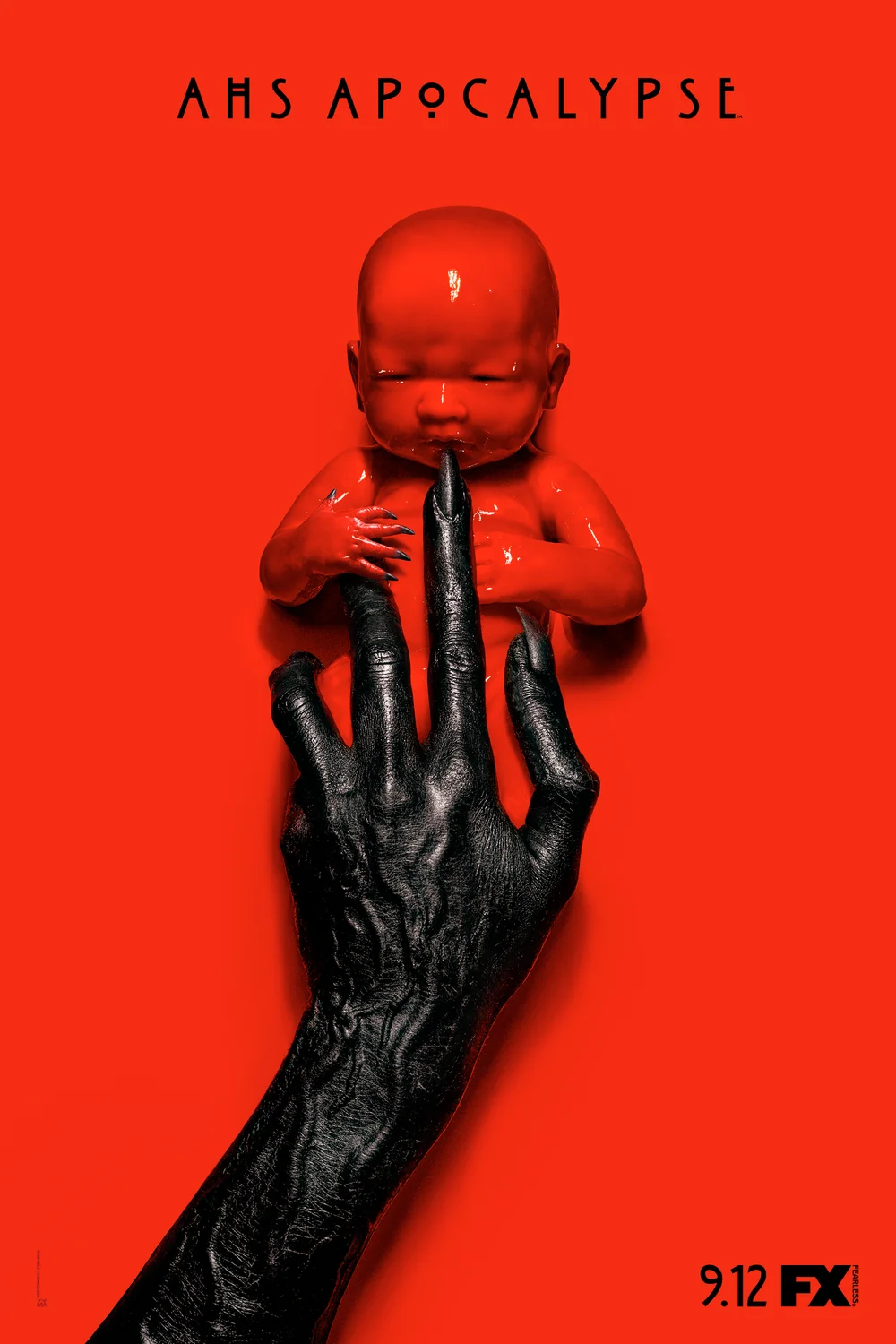
American Horror Story: Apocalypse Ending Explained — Mallory, Michael and the Reset
The Apocalypse finale changes one timeline, saves the world and ends with a new threat. Here is what happens to Michael, Cordelia and the witches — and what stays uncertain.

American Horror Story: Asylum Ending Explained — Lana, Jude and Kit
The Asylum finale closes Briarcliff, gives Lana a final confrontation and reveals what became of Jude and Kit. Here is what the episode resolves and leaves mysterious.

American Horror Story: Coven Ending Explained — The New Supreme and the Seven Wonders
Coven's finale names a new Supreme, resolves Fiona's apparent death and leaves the academy with a very different future. Here is what the ending actually shows.
About the author
Kenza Benouna
Movies, TV & Horror Writer
Kenza Benouna writes about movies and television, with a substantial archive in horror. Her Red Reactions work includes reviews, supernatural and franchise lore, story explainers and analysis of character, atmosphere and adaptation.
Coverage: Horror · Movies · TV · Reviews · Lore & Features
More from Kenza Benouna