Movies Review
Aliens Review: A War Movie That Remembers the Horror
James Cameron turns Alien's isolated nightmare into a squad mission, but Ripley's trauma and the Marines' collapsing confidence keep the sequel tense.
Find the signal
Type to search published coverage.
Open full Search page →Reviews / By genre
Our published action reviews, newest first. Browse other genres from the Reviews hub.
James Cameron turns Alien's isolated nightmare into a squad mission, but Ripley's trauma and the Marines' collapsing confidence keep the sequel tense.

Daniel Craig gives 007 a rough edge, Eva Green makes the poker game personal, and Martin Campbell keeps the action tied to character.
Die Hard still works because John McClane can be hurt, Hans Gruber can think, and Nakatomi Plaza gives every confrontation a place and a purpose.
Bruce Lee's command of movement gives a conventional tournament and espionage story extraordinary energy, even when its supporting plot is thin.
Chow Yun-fat and Tony Leung anchor John Woo's escalating gunfights, even when the police melodrama struggles to match the action's precision.
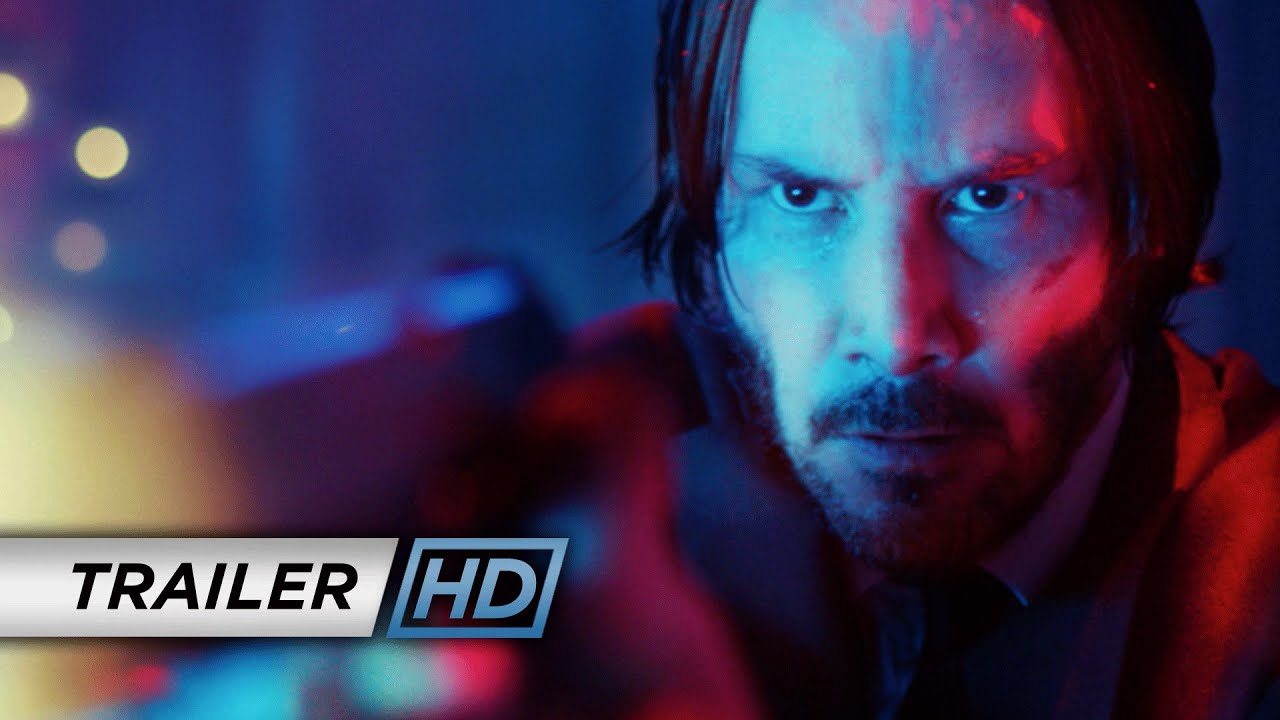
Keanu Reeves and Chad Stahelski make a simple revenge story compelling through readable movement and a criminal world sketched with restraint.
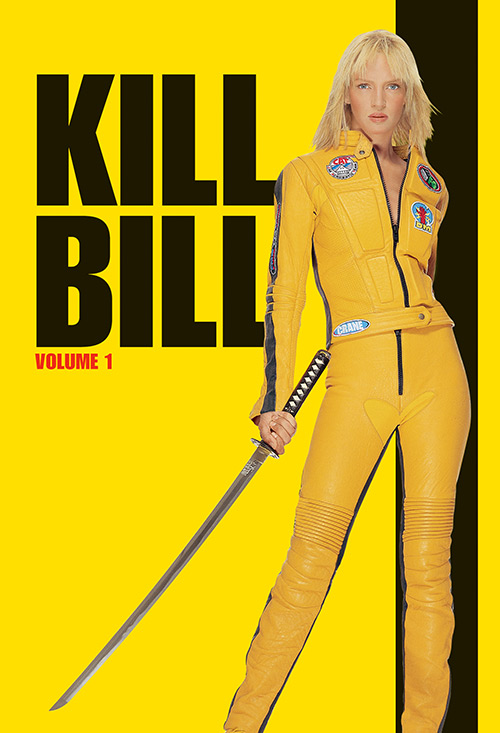
Uma Thurman holds together Tarantino's shifts from martial-arts film to anime and blood-soaked spectacle, though the first volume is deliberately incomplete.
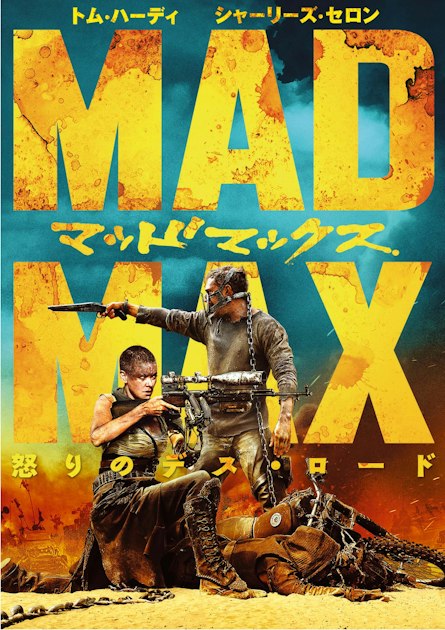
George Miller turns a near-continuous pursuit into readable action and a story of escape, with Furiosa and Max sharing the road rather than competing for it.
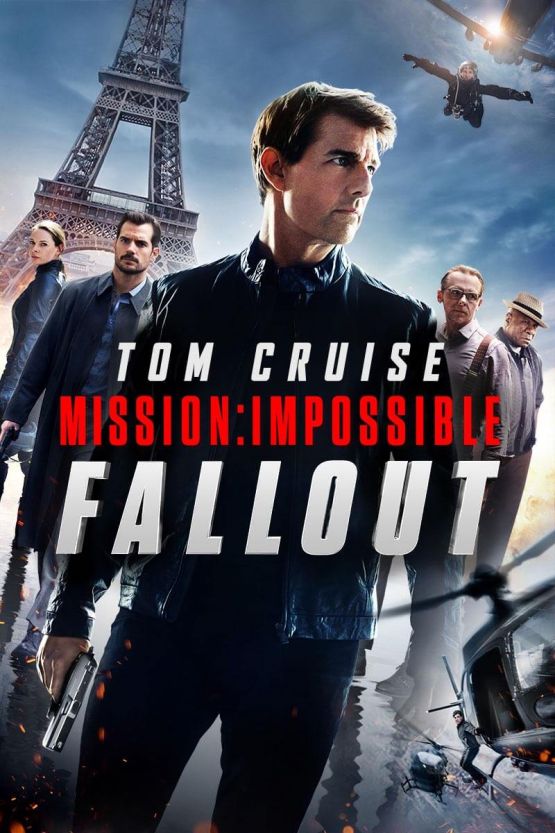
Christopher McQuarrie gives Ethan Hunt's biggest stunts clear objectives, while a dense web of alliances sometimes slows the chase between them.
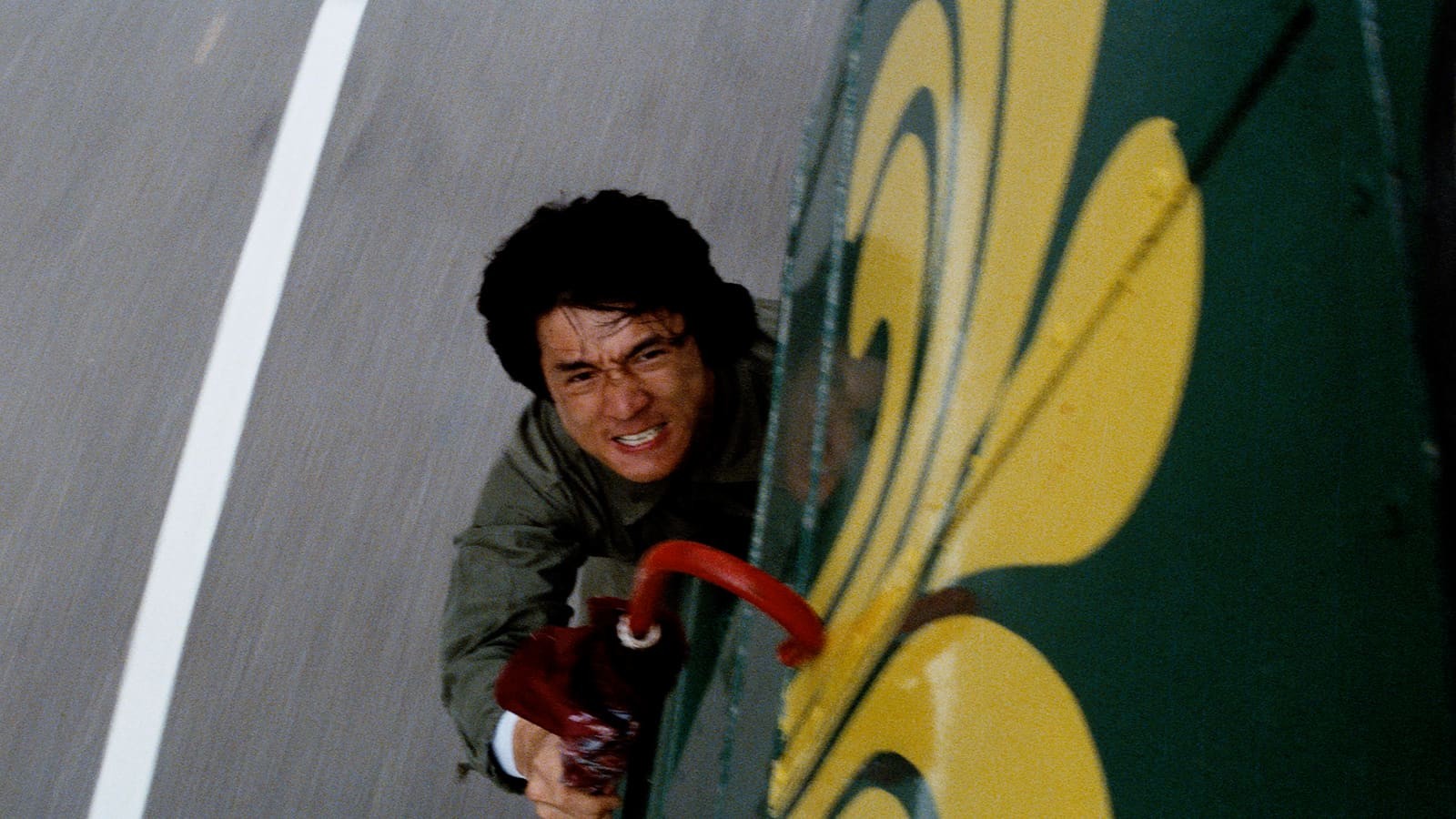
The 1985 film's exhilarating physical comedy and escalating stunts outshine a thin police plot and some awkward tonal shifts.
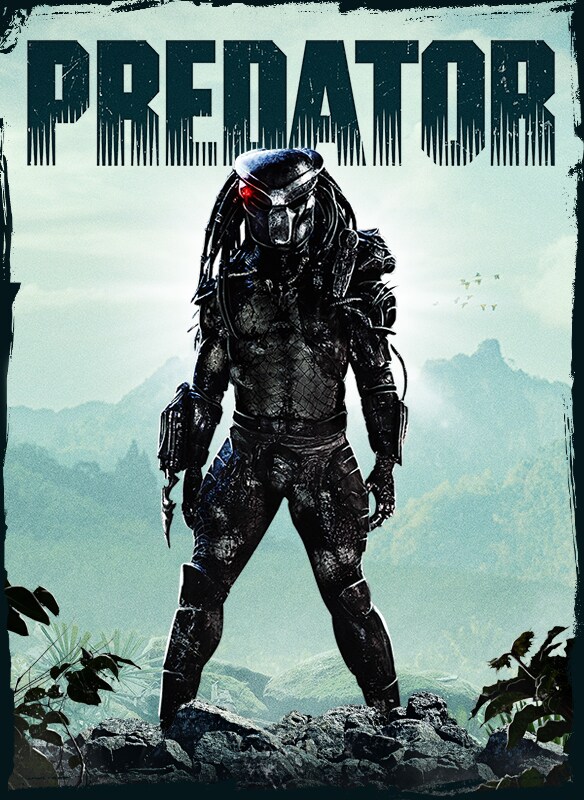
The 1987 film's shift from commando swagger to jungle horror is its best idea, even if the characters rarely grow beyond their roles in the hunt.
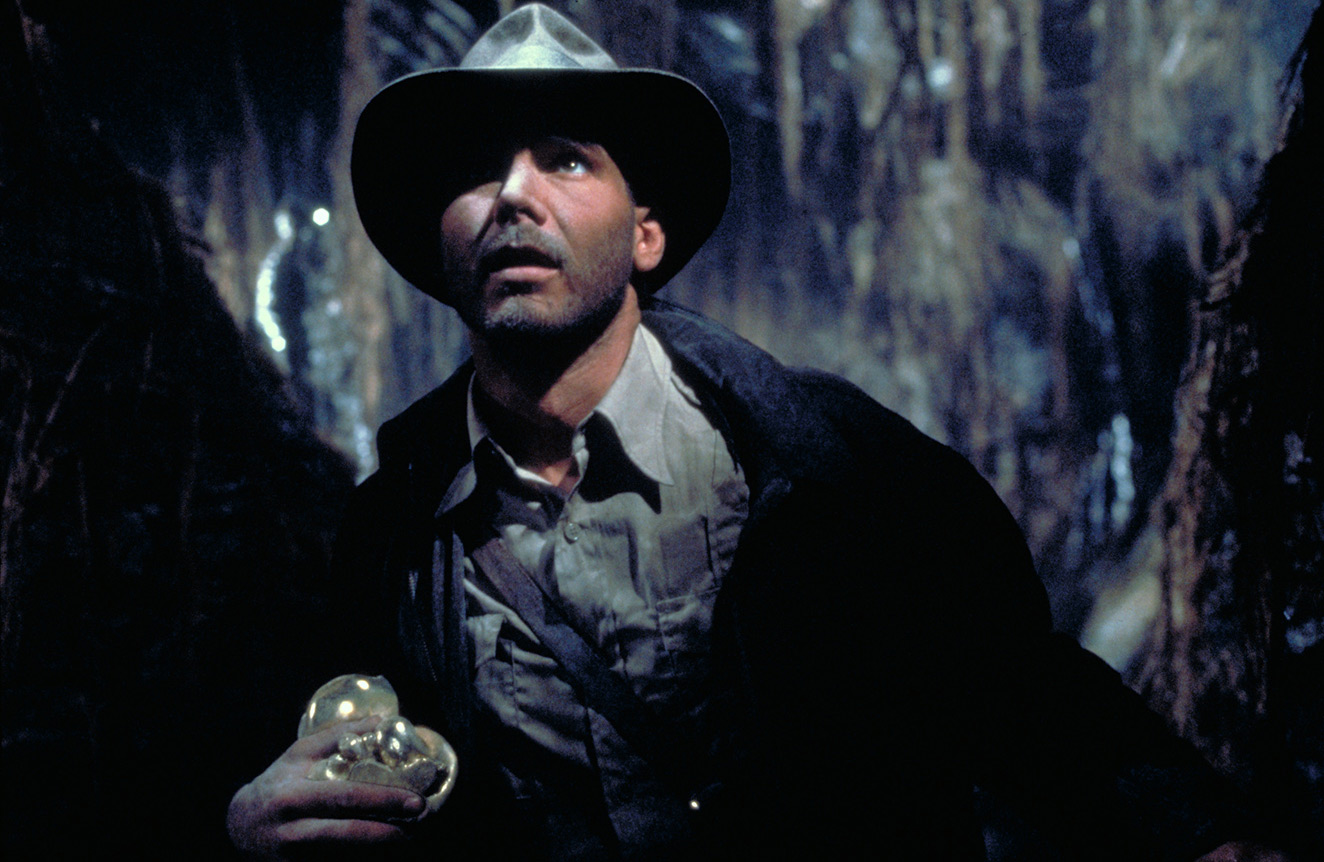
Spielberg's set pieces work because Indiana Jones has to improvise through them, though some of the film's cultural framing deserves a harder look today.
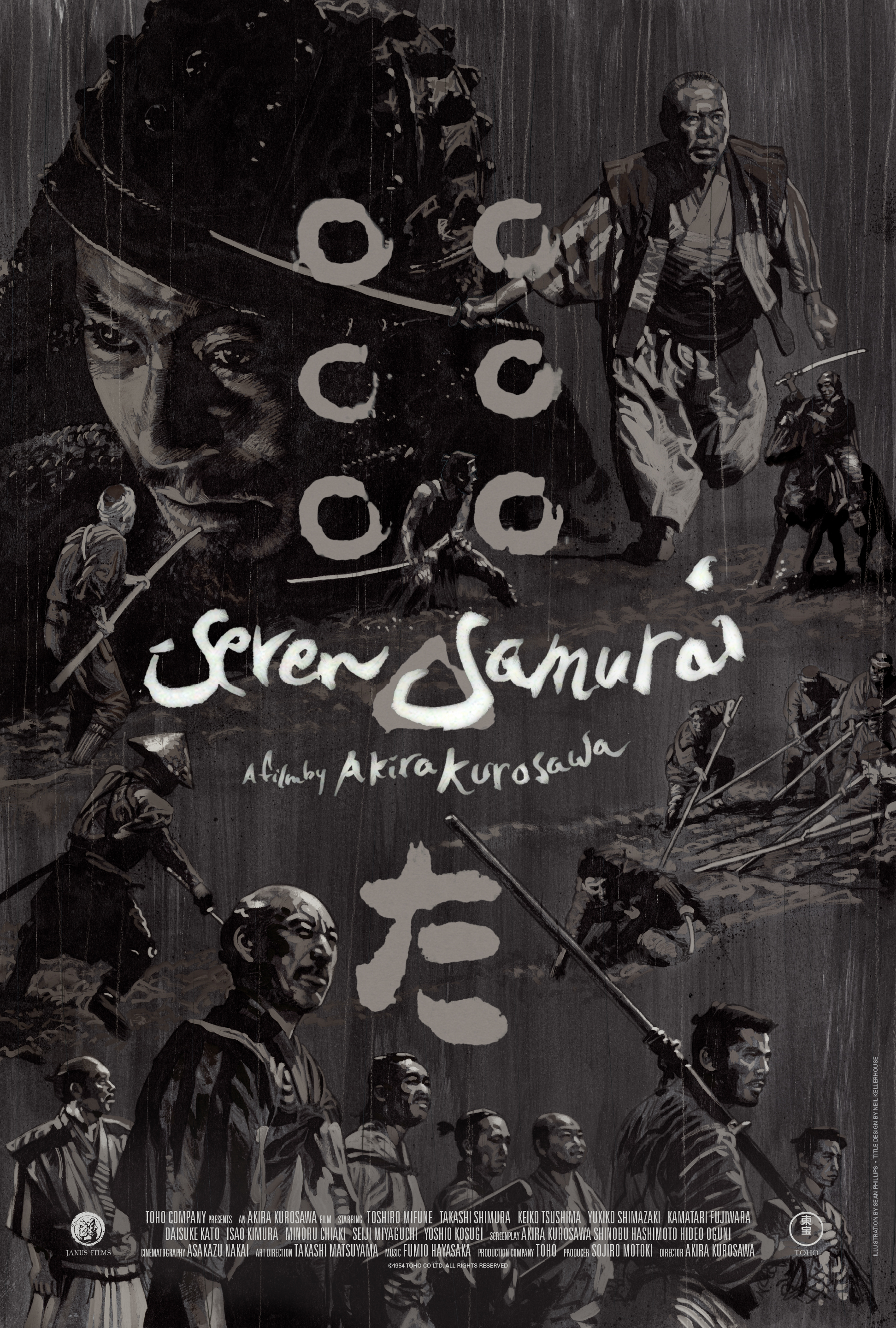
Kurosawa's long ensemble drama earns its final battle by teaching us the village, its defenders and the cost of each decision.
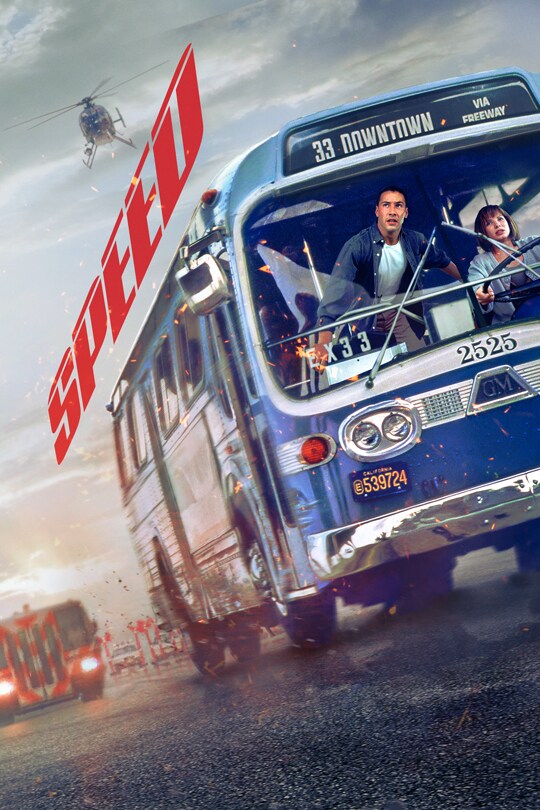
The bus premise keeps Speed focused, while Keanu Reeves and Sandra Bullock turn mechanical suspense into a lively partnership.
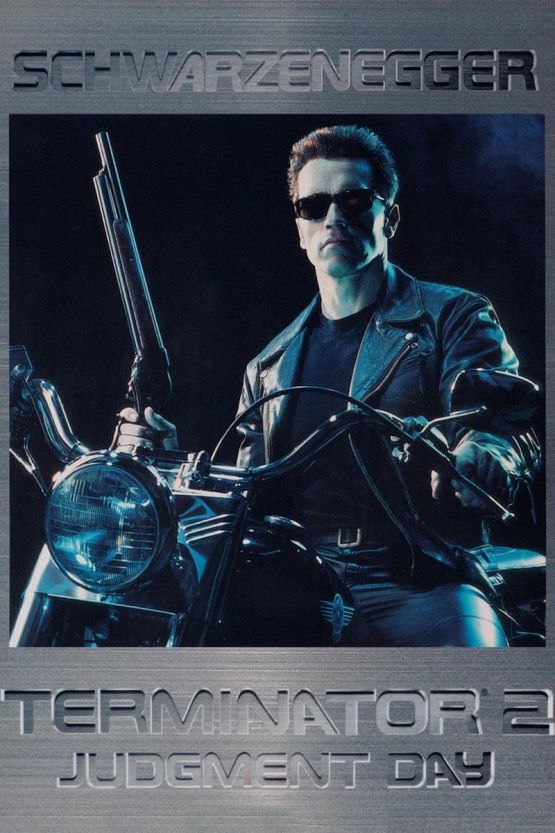
James Cameron scales up the chase, gives Sarah Connor a harder edge and makes the T-1000 a threat that changes every encounter.
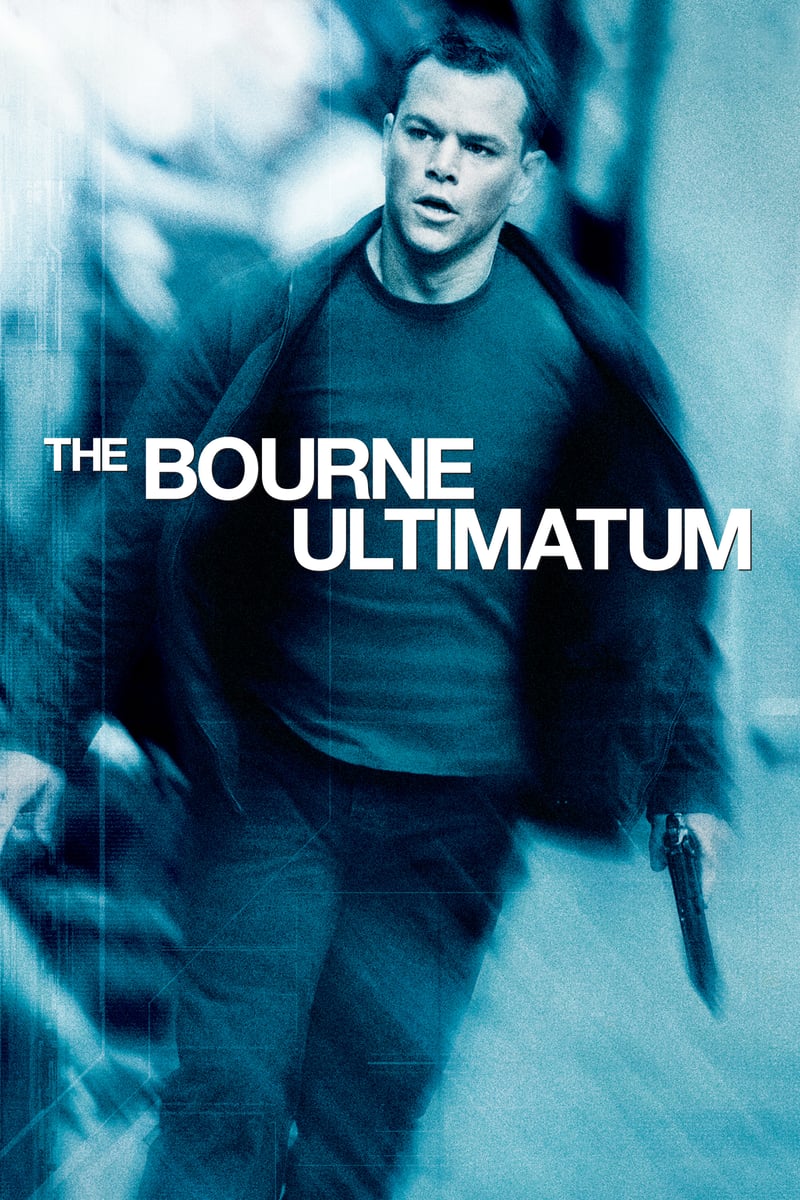
Greengrass's rapid cutting and mobile camera make surveillance and pursuit feel immediate, though they sometimes ask the viewer to work too hard to read a fight.

Ledger's Joker disrupts the city, but Nolan's best choice is to keep Batman and Harvey Dent inside the moral pressure he creates.
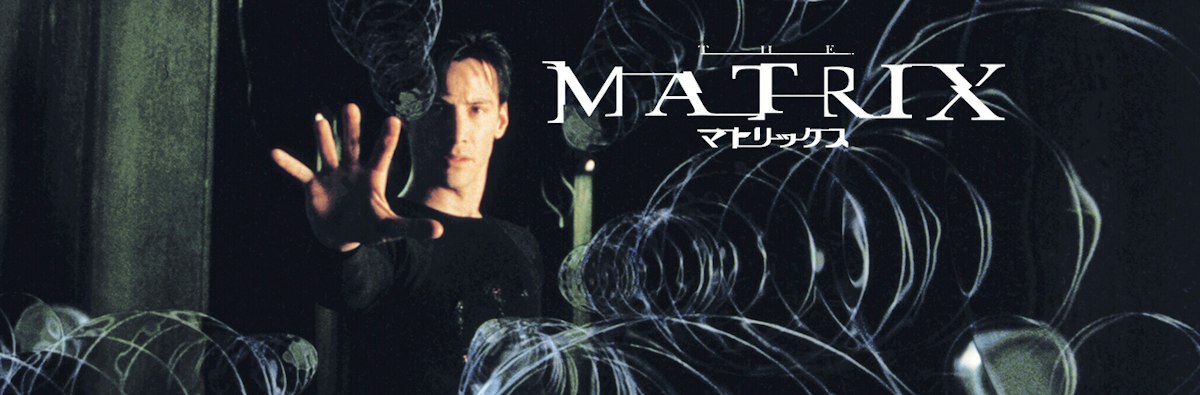
The Wachowskis make a complicated world legible through Neo's choices and action scenes that pay off the rules established around him.
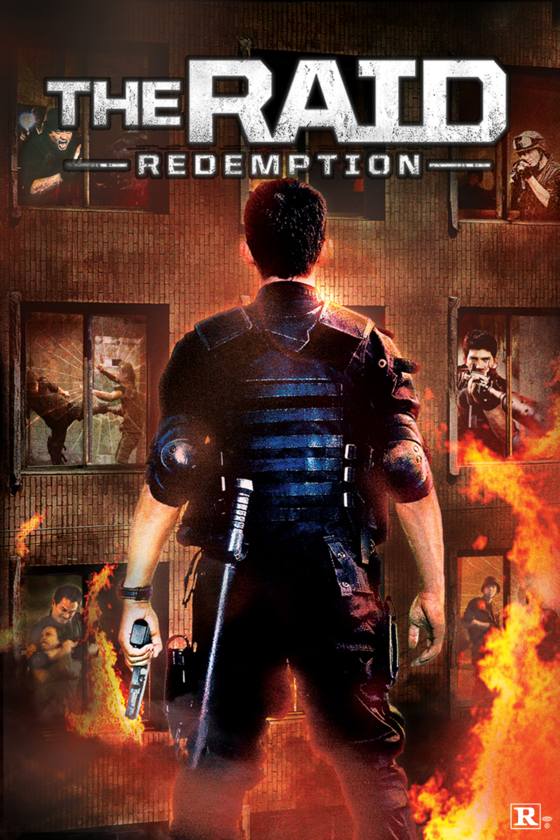
Gareth Evans and Iko Uwais turn a simple police raid into a sequence of distinct, readable fights, even if the people between them remain thinly drawn.
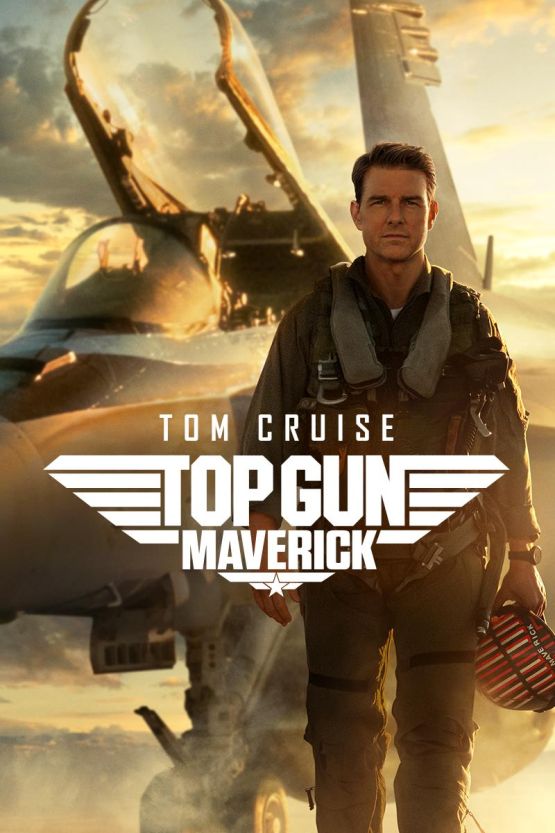
The training structure and Maverick's conflict with Rooster give the aerial action stakes beyond nostalgia, despite a deliberately conventional story.
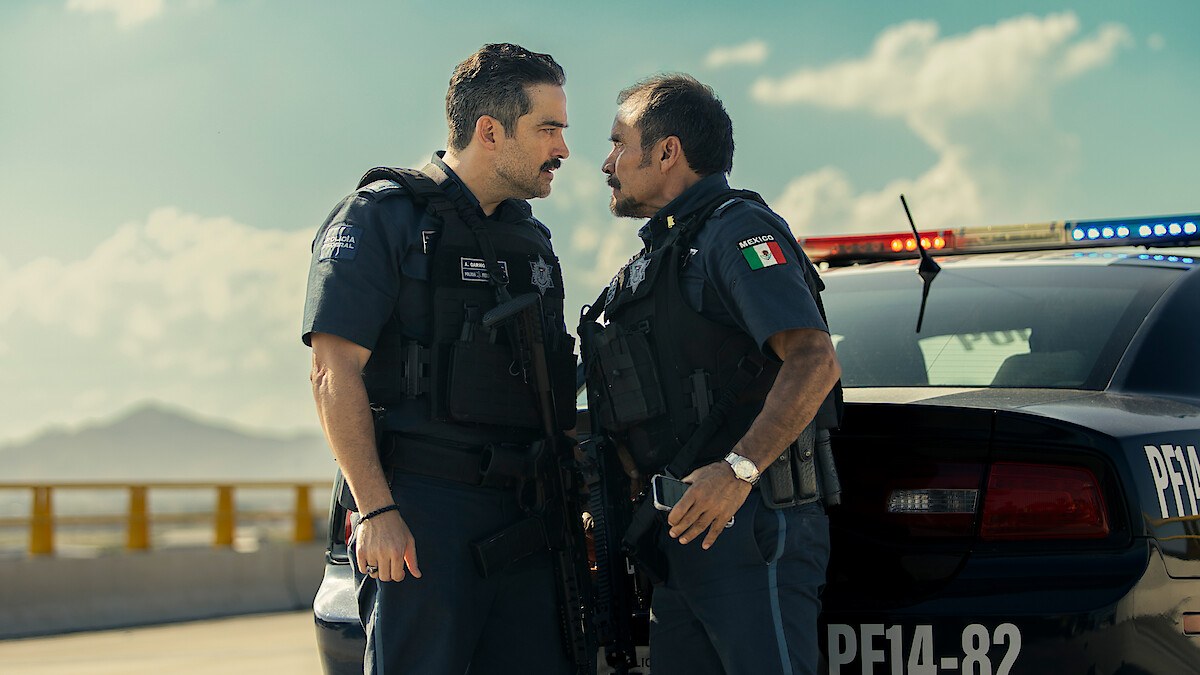
Facing El Chapo (La captura) puts two federal police officers, not El Chapo, at the center of its story. The choice mostly pays off, even when the film around it slows down.
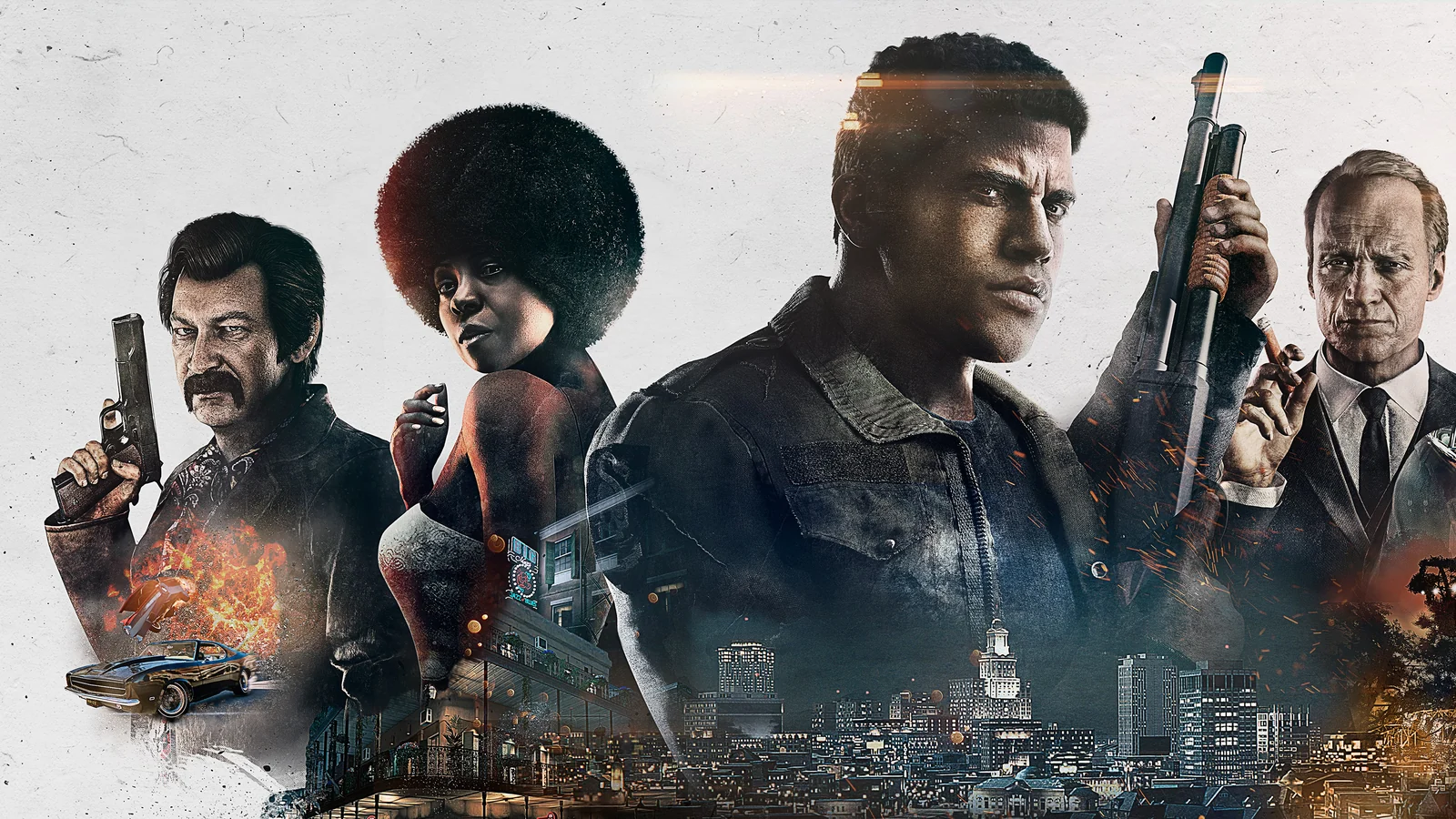
Nearly ten years on, Lincoln Clay's revenge story is still one of the best in open-world gaming. The game around it is still the problem.