Gaming Review
Spoiler-lightMafia III Review in 2026: A Great Story Trapped in a Repetitive Game
Nearly ten years on, Lincoln Clay's revenge story is still one of the best in open-world gaming. The game around it is still the problem.
 By Aram Anwar7 min read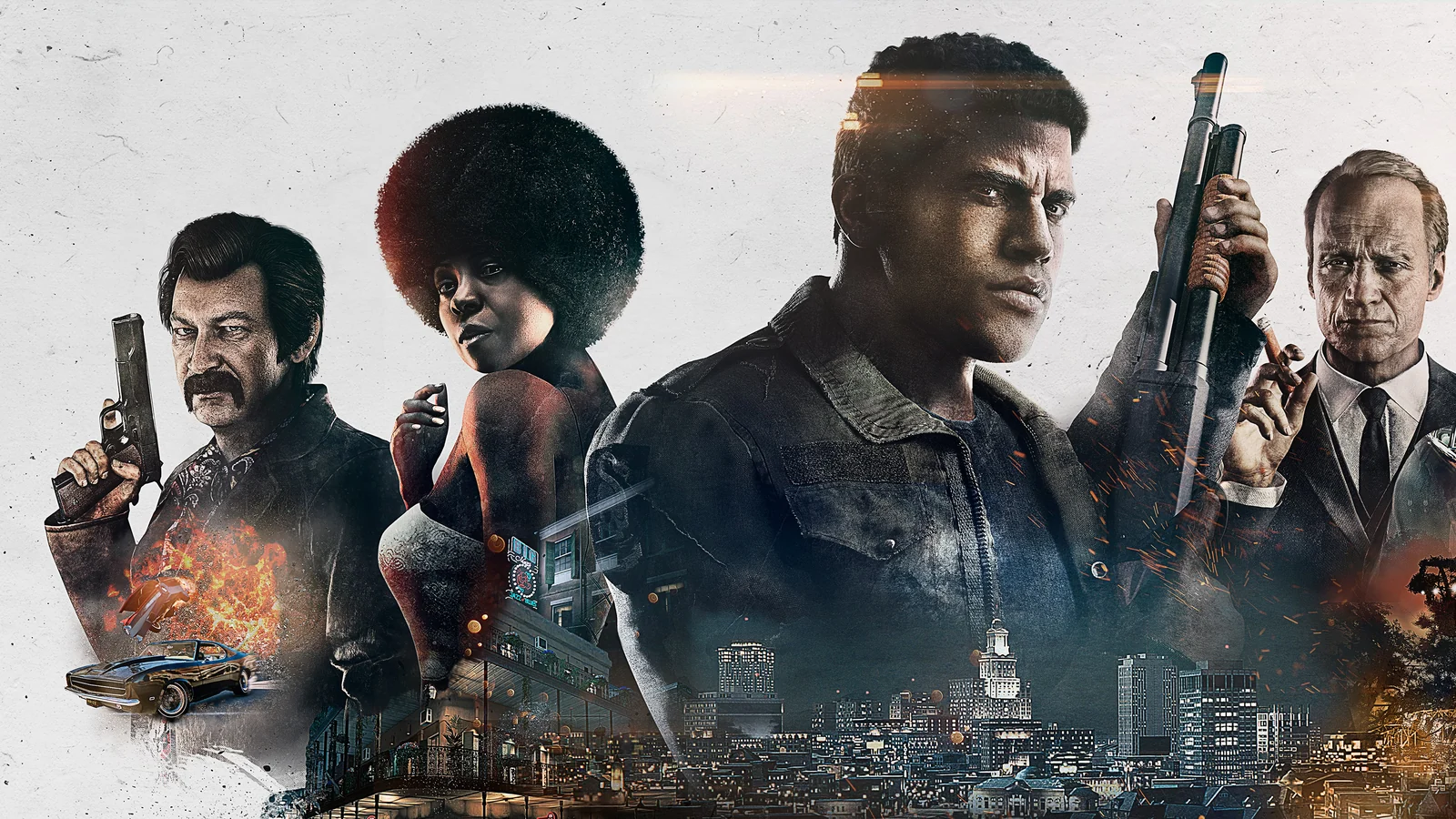
There’s a moment about four hours into Mafia III where the game you’re playing quietly swaps itself for a different one.
Up to that point you’ve had a Federal Reserve heist told through Senate hearing testimony, a slow tour through New Bordeaux — Hangar 13’s fictionalised version of 1968 New Orleans — and one of the most brutally effective inciting incidents in the medium. Then Lincoln Clay sits down with a CIA handler in a church basement, a map of the city goes up on the wall, and Mafia III becomes a game about hitting damage quotas.
Nearly ten years later, that swap is still the whole story of this game.
Spoiler-light. The setup, framing device and themes are discussed freely. Late-game deaths, underboss outcomes and ending choices are not.
The verdict
The good
- Lincoln Clay is one of open-world gaming’s most compelling protagonists, and Alex Hernandez’s performance is extraordinary
- The mock-documentary framing is still unlike anything else in the genre
- An unmatched 1960s licensed soundtrack over a blues score that actually earns its place
- It takes segregation seriously enough to build it into systems, not just cutscenes
- Heavy, satisfying gunplay and three story DLCs that are better than the campaign around them
The bad
- A mandatory racket-grinding loop repeated across the map’s districts
- Enemy AI simple enough to make stealth trivial
- New Bordeaux is gorgeous and almost entirely non-interactive
- No equivalent current-gen upgrade announced, while the first game just got one
Lincoln Clay
The reason people still argue about this game is that it built a genuinely great character and then made you grind to spend time with him.
Lincoln is an orphan of mixed race from Delray Hollow, raised by the Black Mob, then Special Forces in Vietnam. What Hangar 13 does with that background is smarter than it needed to be: he isn’t a rage-fuelled revenge machine. He’s a counter-insurgency specialist applying doctrine to a criminal organisation — cut the revenue, remove the middle management, isolate the leadership. The macro-structure of the game is, at least conceptually, his tactical thinking made playable.
He also sits in deliberate contrast to the series’ other leads. Tommy Angelo got swept into the mob. Vito Scaletta wanted in badly enough to lose everything for it. Lincoln was never going to be let in — the Italian families are closed to him by race — so he doesn’t want membership. He wants the institution gone.
Alex Hernandez plays him with a restraint that most games in this genre wouldn’t risk. There’s very little shouting. The grief sits underneath everything.
New Bordeaux, and what it actually does
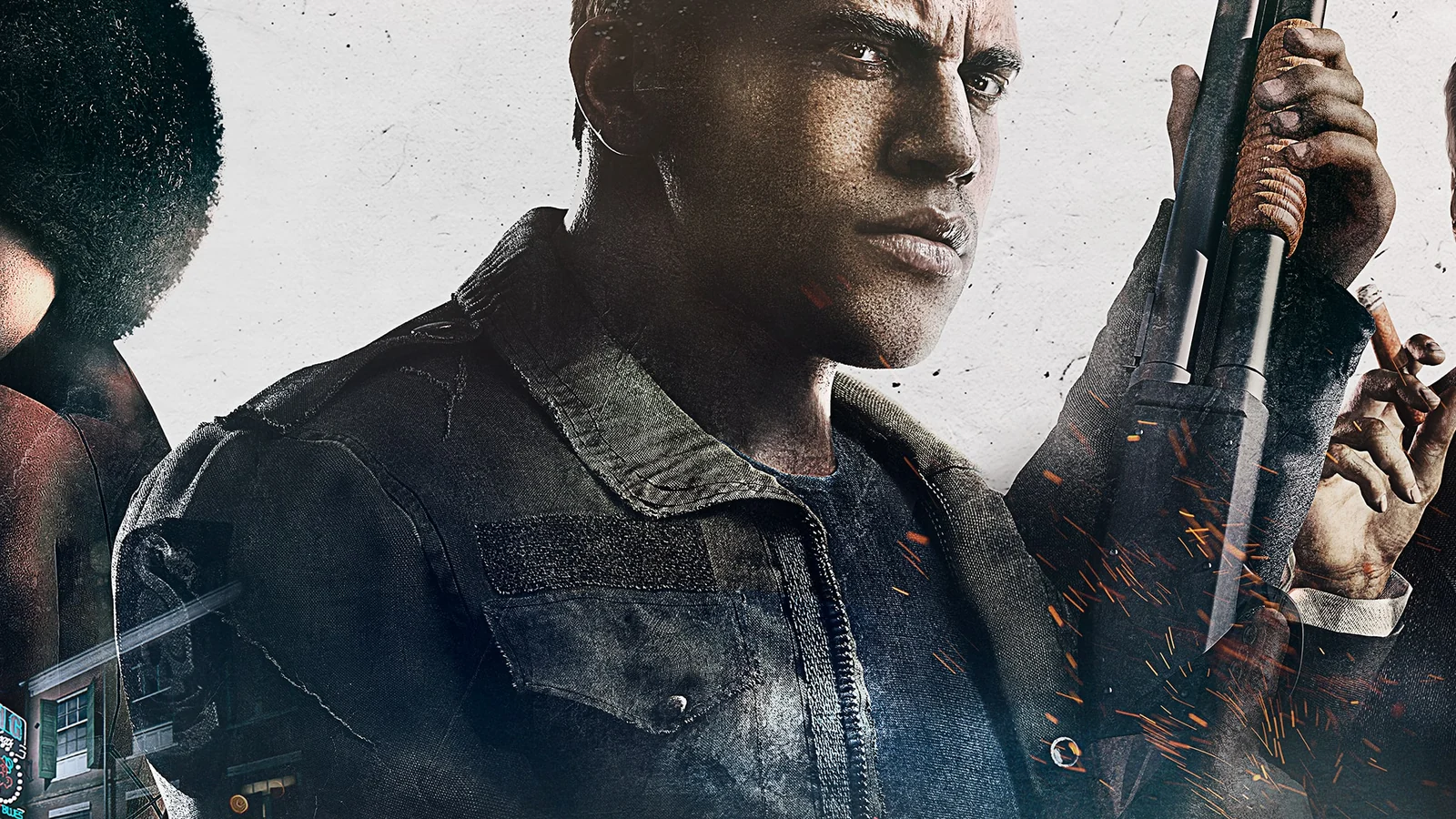
The 1968 setting is the game’s other great achievement, and it works because Hangar 13 refused to treat racism as wallpaper.
Fire a gun in the wealthy white districts and police arrive fast and heavy. Do the same in Delray Hollow and dispatch takes its time. Walk into a business with a whites-only sign and the proprietor warns you out; refuse and you’re trespassing and the police are called. Pedestrians in the affluent neighbourhoods cross the street.
The important part is that these systems make the point without needing a speech every time. The game does address racism explicitly too, in dialogue and story — but encoding part of it into how the world actually behaves is what made it stand out, and still does. Nearly ten years on it remains one of the few examples of a big-budget game building a historical social reality into its mechanics rather than confining it to cutscenes.
What New Bordeaux doesn’t do is anything else. Outside racket outposts and story missions the city is a beautifully lit diorama — few interiors, few activities, almost no emergent systems. It’s a place to drive through with the radio on, which, to be fair, it’s very good at.
The framing device
Mafia III tells its story from decades in the future, through 1971 Senate testimony, retrospective documentary interviews, FBI recollection and period news footage.
It’s the best structural decision the game makes. John Donovan defending his illegal support of Lincoln’s campaign to a Senate committee — unrepentant, funny, entirely aware of what he did — is better written than most games manage anywhere. Father James Ballard’s interviews supply the moral counter-argument the game would otherwise lack: someone who understands exactly why Lincoln is doing this and thinks it’s destroying him.
The result is constant dramatic irony. You know roughly where this ends before you start. Watching it arrive is the point.
The loop
And then there’s the other half of the game.
Taking control of New Bordeaux means repeating a familiar structure across its racket districts: meet a contact, identify the criminal operations running there, do enough damage to draw out the racket boss, kill or recruit them, and eventually unlock the district’s major story mission.
The damage-dealing is where the hours go — interrogating informants, killing enforcers at small outposts, burning contraband, stealing cars, hitting a cash threshold. The individual encounters are fine. The gunplay is heavy and legible, the takedowns land, the stealth works even if the guards are dim enough to walk one at a time into a whistle from behind cover.
But you do it again, and again, and again. The story missions it gates are genuinely excellent — a sinking riverboat casino, a flooded amusement park — and the fact that they’re rationed behind reused warehouse interiors is the central design failure of the game.
The underboss system compounds it. Assign districts to Vito, Cassandra or Burke; neglect one and they turn on you. It’s a good idea that mostly manifests as another management screen.
The soundtrack
More than a hundred licensed tracks, and it may still be the best-curated period soundtrack in games.
The Rolling Stones, Creedence, Hendrix, Aretha Franklin, Sam Cooke, Johnny Cash, The Animals. Hangar 13 didn’t just dump them on radio stations either — specific songs are cued to specific moments, and the effect when one lands is enormous. Jim Bonney and Jesse Harlin’s original blues score does the harder job underneath, providing the grief the radio doesn’t.
The period radio programming is worth listening to properly, too. News coverage of Vietnam, of King’s assassination, of the civil rights movement — the world outside Lincoln’s war, running in the background of it.
The DLCs
The three story expansions bundled into the Definitive Edition are the best argument for playing this now, and the reason is structural: they’re linear.
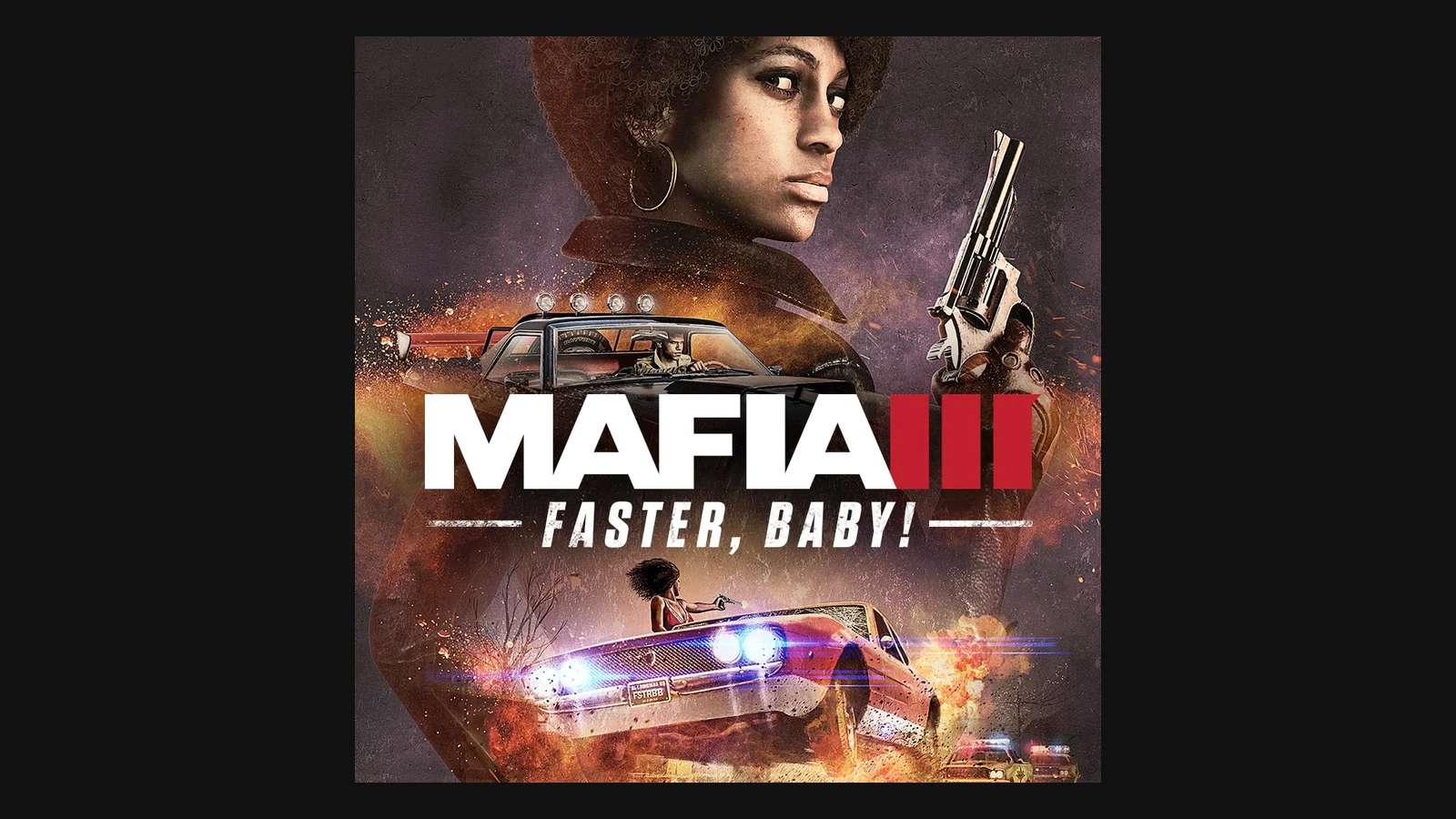
Faster, Baby! is a rural chase story with Roxy Laveau against a corrupt sheriff. Stones Unturned sends Lincoln and Donovan after a rogue CIA operative and is essentially a Donovan showcase. Sign of the Times is a genuinely unsettling cult investigation with forensic mechanics.
Play them as they unlock, mid-campaign. Breaking up the racket grind with three tightly authored stories is the single best thing you can do for your experience of this game.
The 2026 problem
Here’s where it gets awkward.
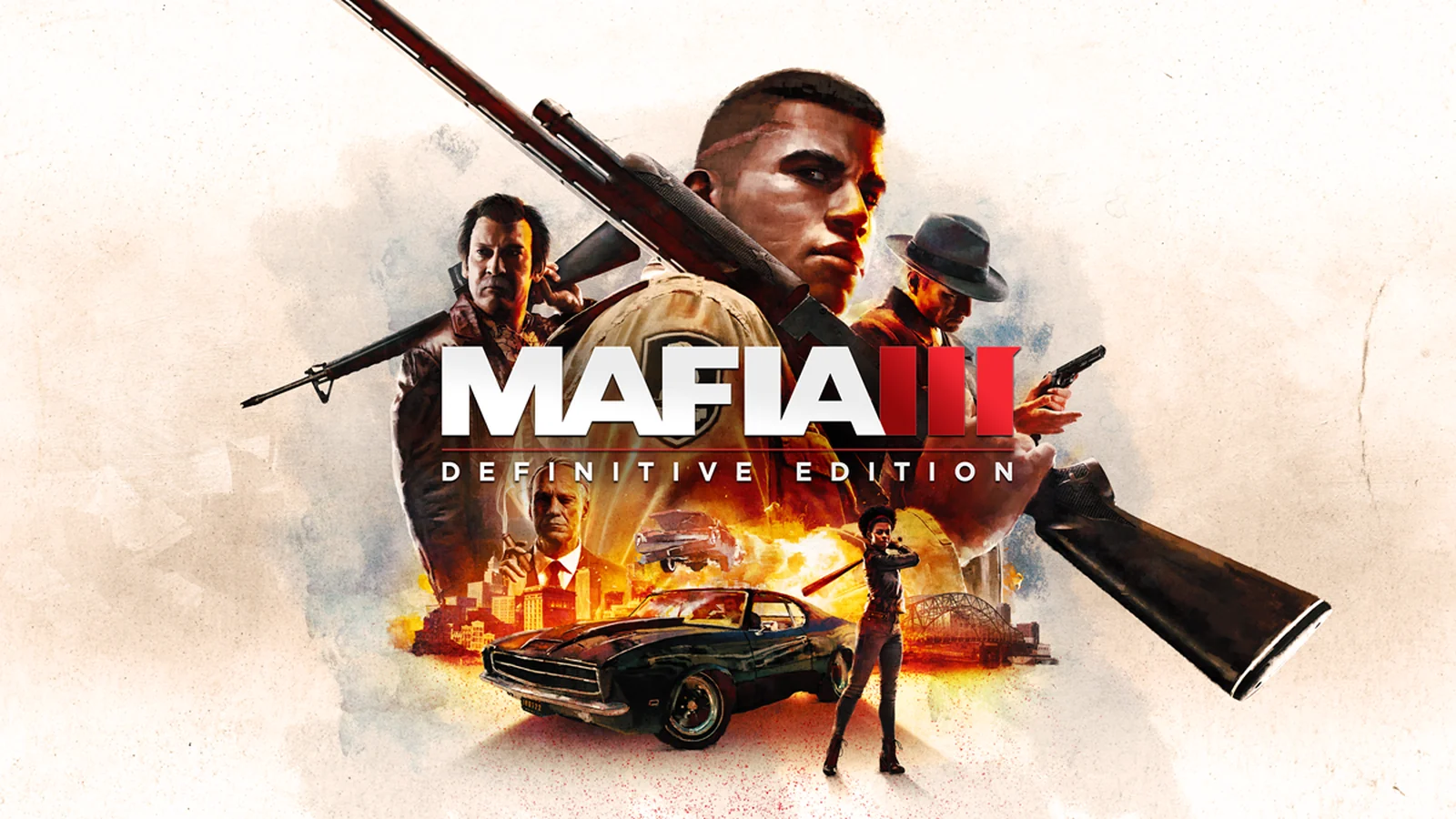
On August 14, 2026, 2K released Mafia: The Omertà Collection — all four main Mafia games bundled for PS5, Xbox Series X|S and PC. As part of it, Mafia: Definitive Edition finally received a new PS5 and Xbox Series X|S version with 60 FPS gameplay and technical improvements, with a free upgrade for eligible existing owners. After six years stuck at 30.
Mafia II: Definitive Edition and Mafia III: Definitive Edition are both in that collection with all their DLC.
2K has not announced an equivalent native PS5 or Xbox Series X|S upgrade for Mafia III. In the Omertà Collection it’s still listed as Mafia III: Definitive Edition with all DLC, while the 60 FPS gameplay and current-gen technical improvements are explicitly attached to Mafia: Definitive Edition.
That makes Mafia III’s lack of a similar upgrade much harder to ignore in 2026.
PC remains the more flexible option if you want to push beyond the console frame-rate ceiling, although actual performance and image quality still depend on your hardware and settings. Community visual mods exist for the game’s aggressive default lighting filters, if that bothers you as much as it bothers some people.
The bottom line
Mafia III is a 9/10 story stapled to a 4/10 structure, and the average is not a fair description of either.
What it does well — Lincoln, the framing, the music, the honesty about 1968 — has aged beautifully, and in some ways looks braver now than it did in 2016. What it does badly is exactly what it did badly at launch, because nothing about the loop was ever patched.
Play it for the story. Play the DLCs in the middle. Skip the collectibles entirely, hit the minimum damage threshold and move on. Do that and you’ll find one of the best crime narratives games have produced, wearing a slightly tedious open world like an ill-fitting suit.
Make Red Reactions a preferred source
Choose Red Reactions as a preferred source in Google Search.
Confirm your choice on Google.
Related coverage

Supernatural Review: 15 Seasons Later, It's Still One of the Best Genre Shows Ever Made
327 episodes. Two brothers. One Impala. A retrospective review of Supernatural — what it got right, what it got badly wrong, and why it still works.
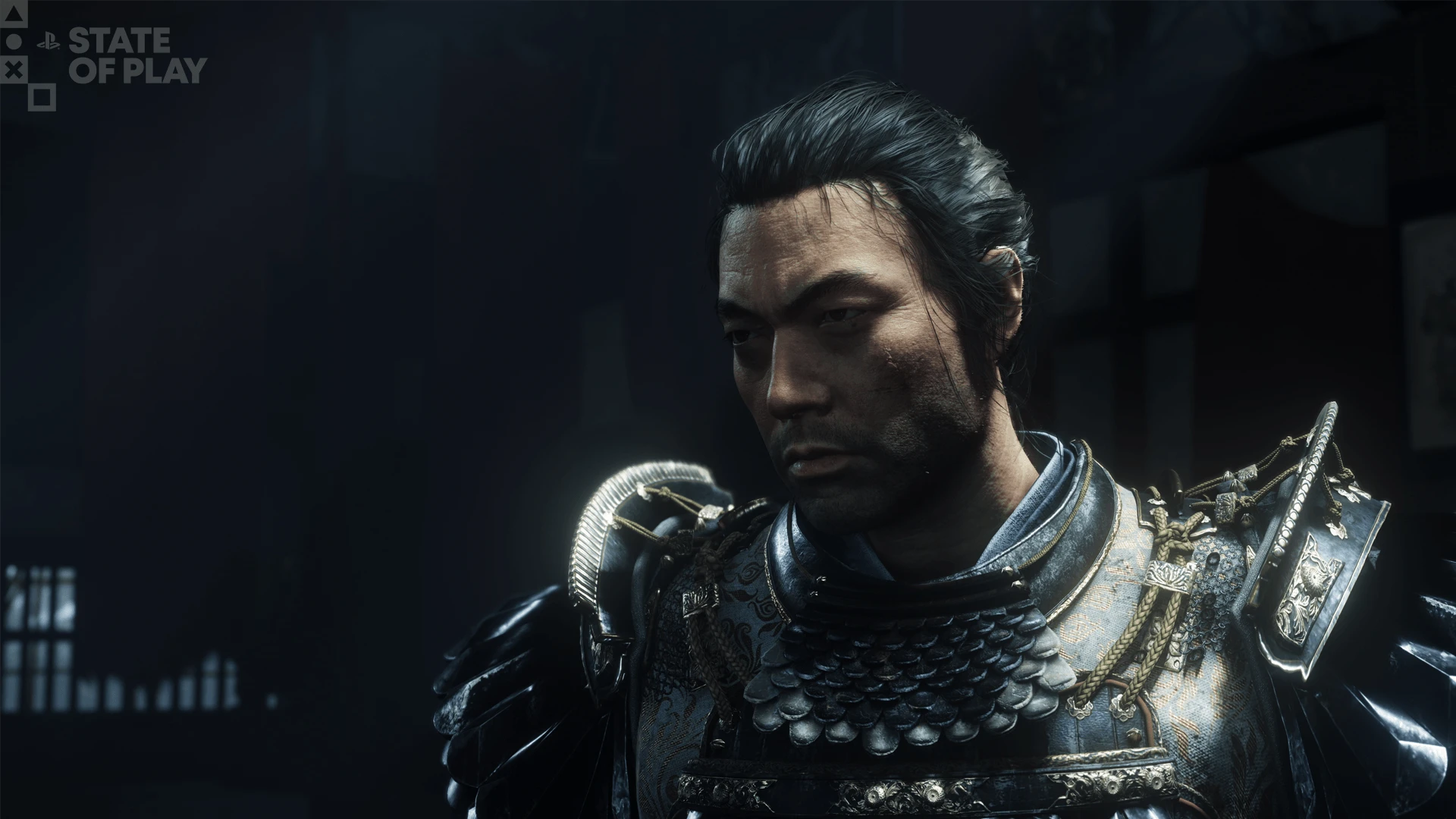
Ghost of Yōtei: Most Wanted Trailer Breakdown — Jin Sakai, All Four Characters and the Roguelike Mode Explained
Sucker Punch's Most Wanted trailer confirms Jin Sakai as a playable character alongside Atsu, Oyuki and Nagato. Here's exactly how the bounty-based roguelike mode works, character by character.
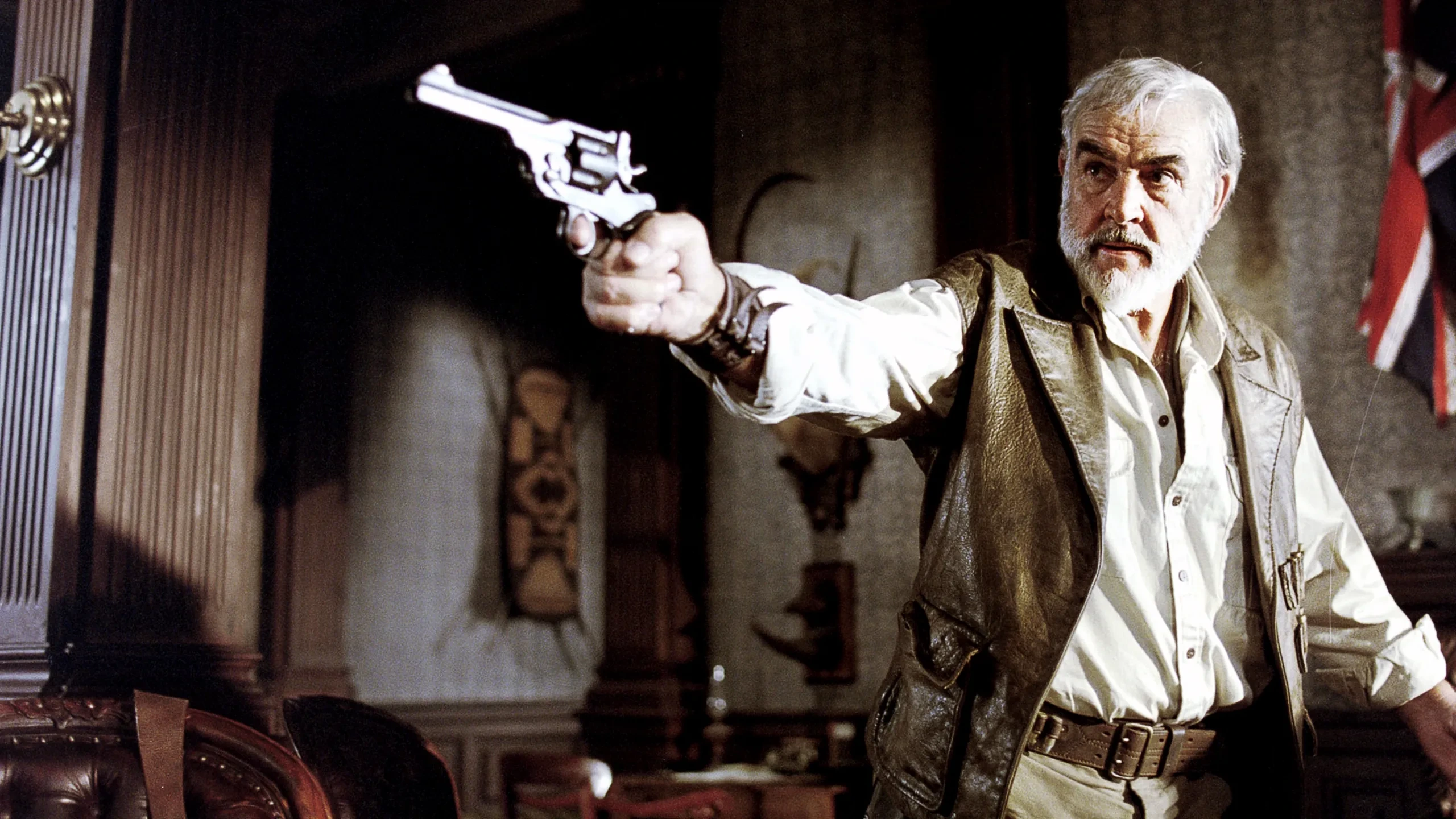
The League of Extraordinary Gentlemen Review: A Flawed Adventure That's Still Ridiculously Fun
Twenty-three years later, The League of Extraordinary Gentlemen is still messy, overstuffed and uneven — but its cast, steampunk world and pulp-adventure charm make it far more fun than its reputation suggests.

Marvel's Wolverine Gets a New Trailer at D23 Ahead of September Release
Insomniac's Marvel's Wolverine gets a new D23 showcase trailer ahead of its September 15 launch on PlayStation 5.
About the author
Aram Anwar
Founder & Editor
Aram Anwar founded Red Reactions and writes across comics, gaming, movies and television. His work includes franchise guides and large Lore / Explained features, with an emphasis on separating confirmed details from reports, theory and speculation.
Coverage: Comics · DC & Marvel · Gaming · Movies & TV · Lore / Explained · Guides
More from Aram Anwar