feature · movies
The 20 Best Action Movies of All Time
From Die Hard and Terminator 2 to The Matrix, Mad Max: Fury Road and The Raid, these are Red Reactions' 20 best action movies of all time.
 By Aram Anwar16 min read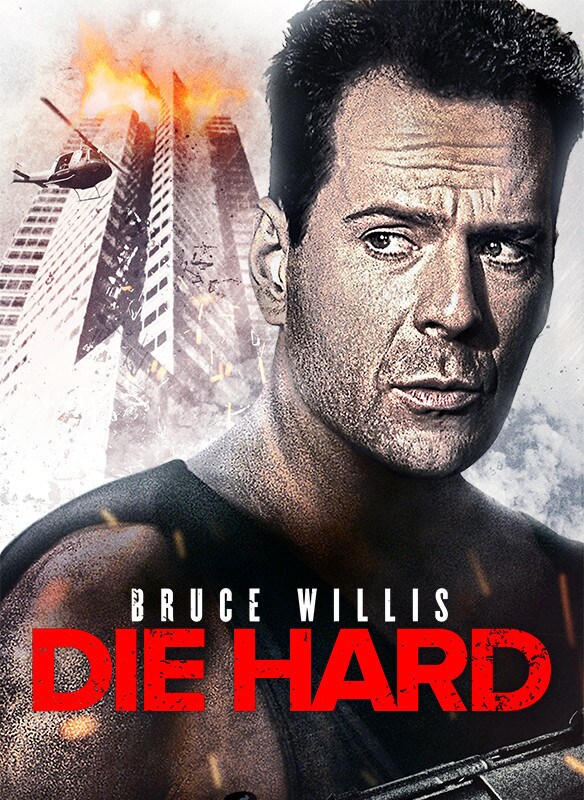
The best action movies make movement mean something. A chase can reveal a character’s limits; a fight can change the balance of a room; a battle can show what a community is willing to lose. This Red Reactions ranking spans martial arts, science fiction, adventure, spy thrillers, superhero films, gunplay and stunt-driven blockbusters. It counts down from #20 to #1, and every pick links to a full review. The ranking is a judgment about the films’ overall achievement, while each linked Red Reactions Score is that review’s separate editorial rating. Neither is a reader-vote average.
20. The Dark Knight (2008)
Red Reactions Score: 8.5/10 · Reviewed by Bamo Anwar
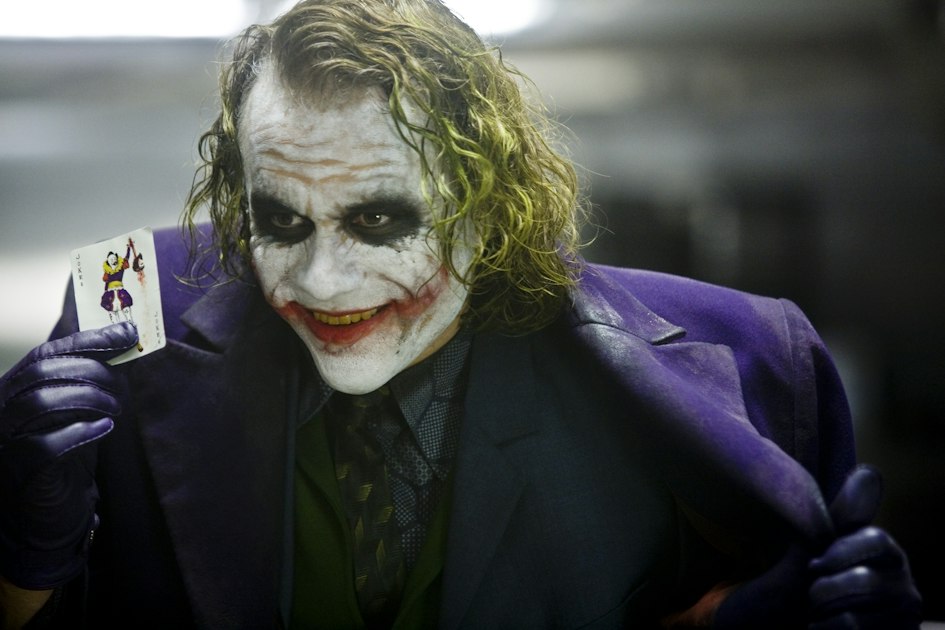
The Joker unsettles Gotham’s rules before the next confrontation begins. Credit: Warner Bros. Pictures / DC. Source: Warner Bros. publicity photos.
Christopher Nolan’s Batman film earns its place by making a city’s response to violence as consequential as the clashes themselves. Heath Ledger’s Joker creates pressure, but Christian Bale’s Bruce Wayne, Gary Oldman’s Gordon and Aaron Eckhart’s Harvey Dent must decide what their institutions can survive. The truck pursuit gives the story one of its clearest physical set pieces; elsewhere, the action is sometimes more forceful than spatially precise. Its crowded second half keeps this lower in the countdown than its reputation might suggest. Yet the film’s strongest question stays urgent: what happens when protecting people starts to resemble the methods used against them? Read Bamo’s full The Dark Knight review.
19. Casino Royale (2006)
Red Reactions Score: 8.5/10 · Reviewed by Aram Anwar
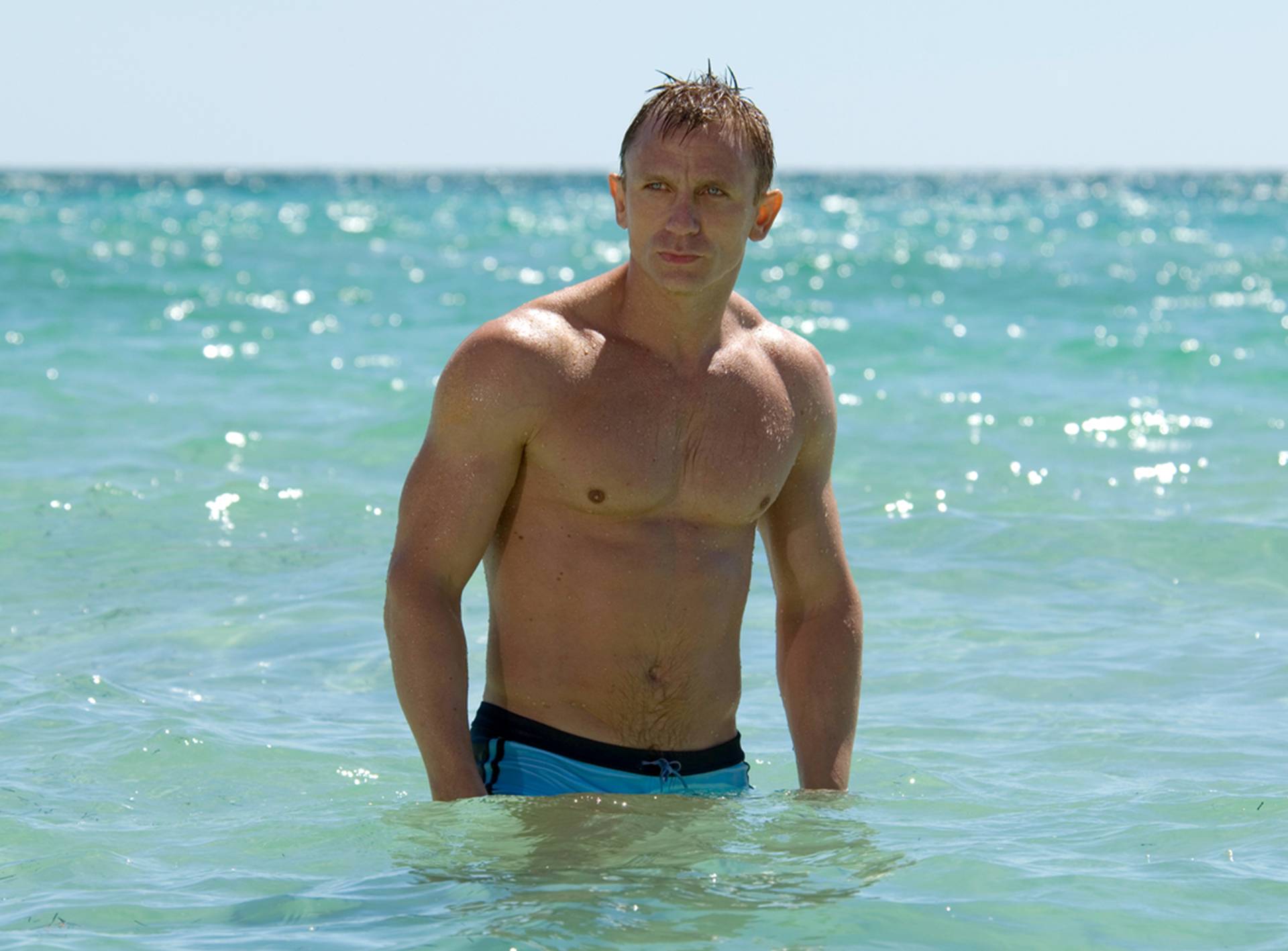
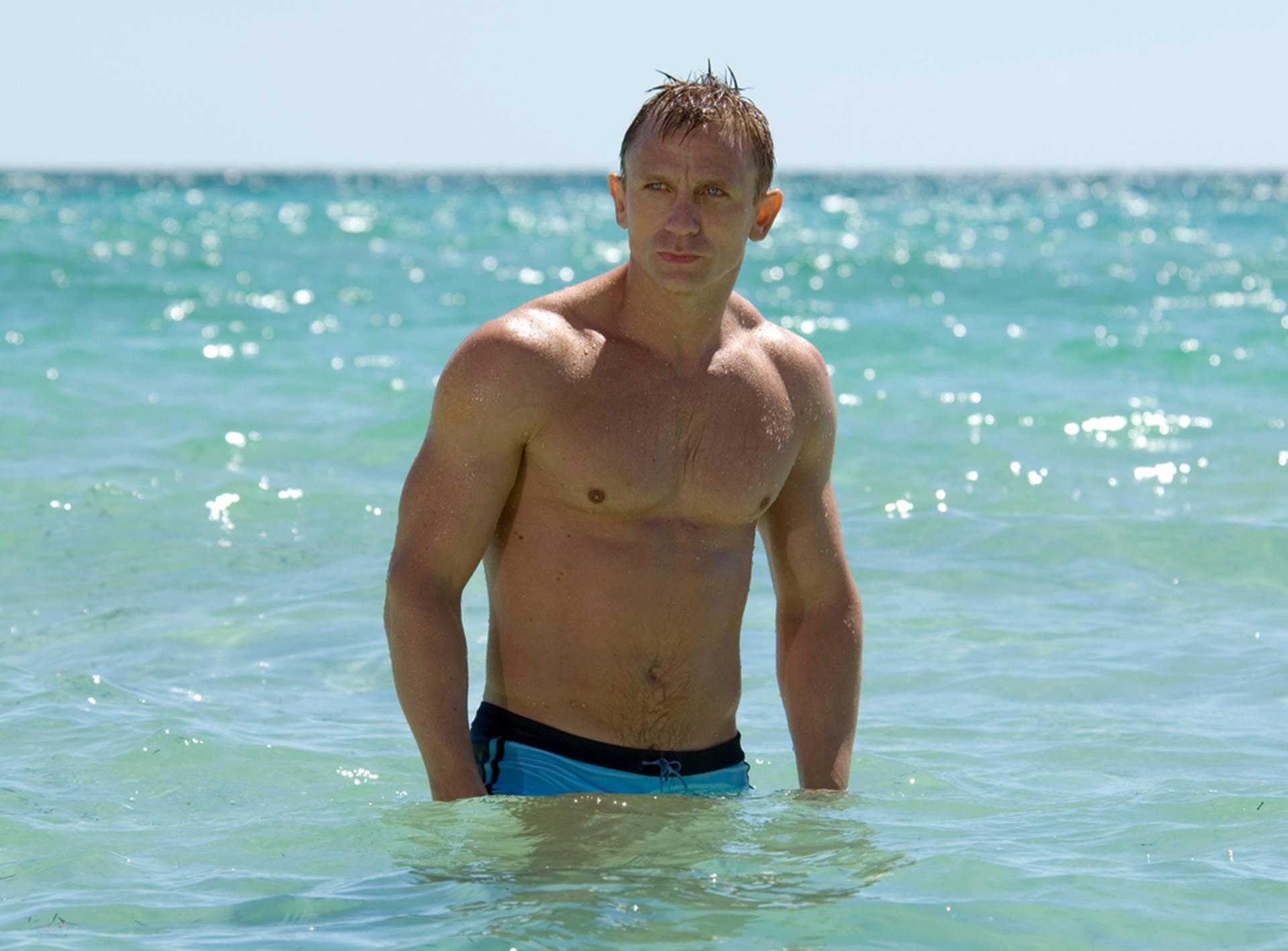
Daniel Craig as James Bond in an official film still. Credit: EON Productions / 007.com. Source: James Bond 007.
Daniel Craig’s first Bond film begins by making the famous agent look unfinished. The opening chase asks him to solve obstacles quickly, then shows how recklessness can turn a win into a liability. Later, the poker table demands a different kind of control. Eva Green’s Vesper Lynd gives those tactical decisions a personal cost that the film cannot resolve through another stunt. Not every stretch moves with the same purpose, and its larger plot occasionally relies on the machinery of a franchise reset. Still, Casino Royale understands that a capable action hero is more interesting when the story can expose his mistakes. Read Aram’s full Casino Royale review.
18. Kill Bill: Vol. 1 (2003)
Red Reactions Score: 8/10 · Reviewed by Bamo Anwar
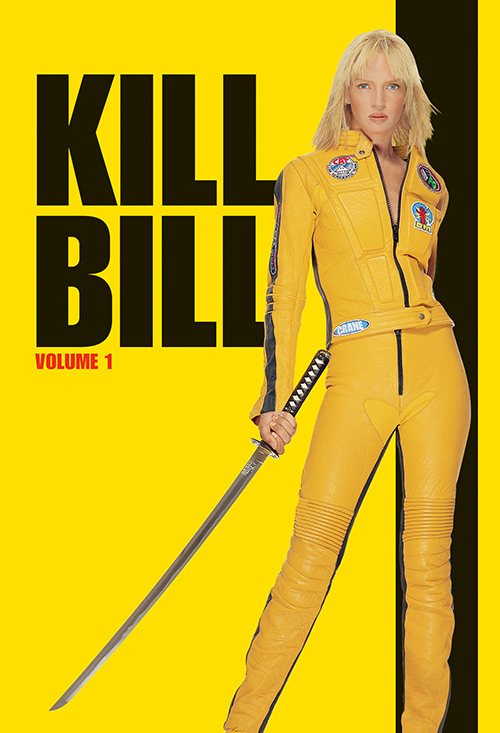
Official promotional art for Kill Bill: Vol. 1. Credit: Miramax. Source: Miramax.
Quentin Tarantino builds the first volume around sharp changes in form: a cramped opening encounter, animation, color shifts and a sword-fight climax that keeps multiplying its opponents. Uma Thurman’s Bride gives the spectacle a clear through-line even when the film pauses to savor a reference or a detour. Its action is theatrical by design, making rhythm and silhouette as important as impact. The limitation is built into the title: this volume withholds the fuller emotional reckoning, and some of its supporting figures remain striking surfaces rather than rounded people. As a display of controlled excess, though, it is hard to mistake for any other revenge film. Read Bamo’s full Kill Bill: Vol. 1 review.
17. John Wick (2014)
Red Reactions Score: 8/10 · Reviewed by Aram Anwar
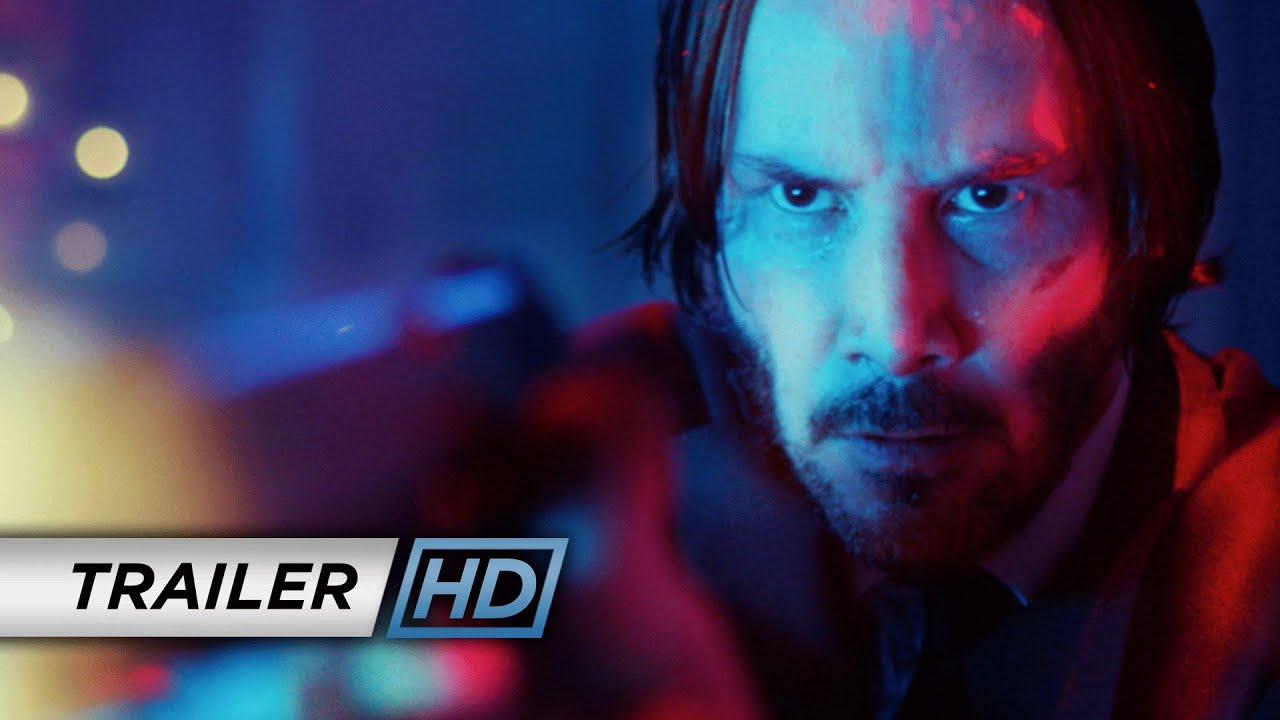
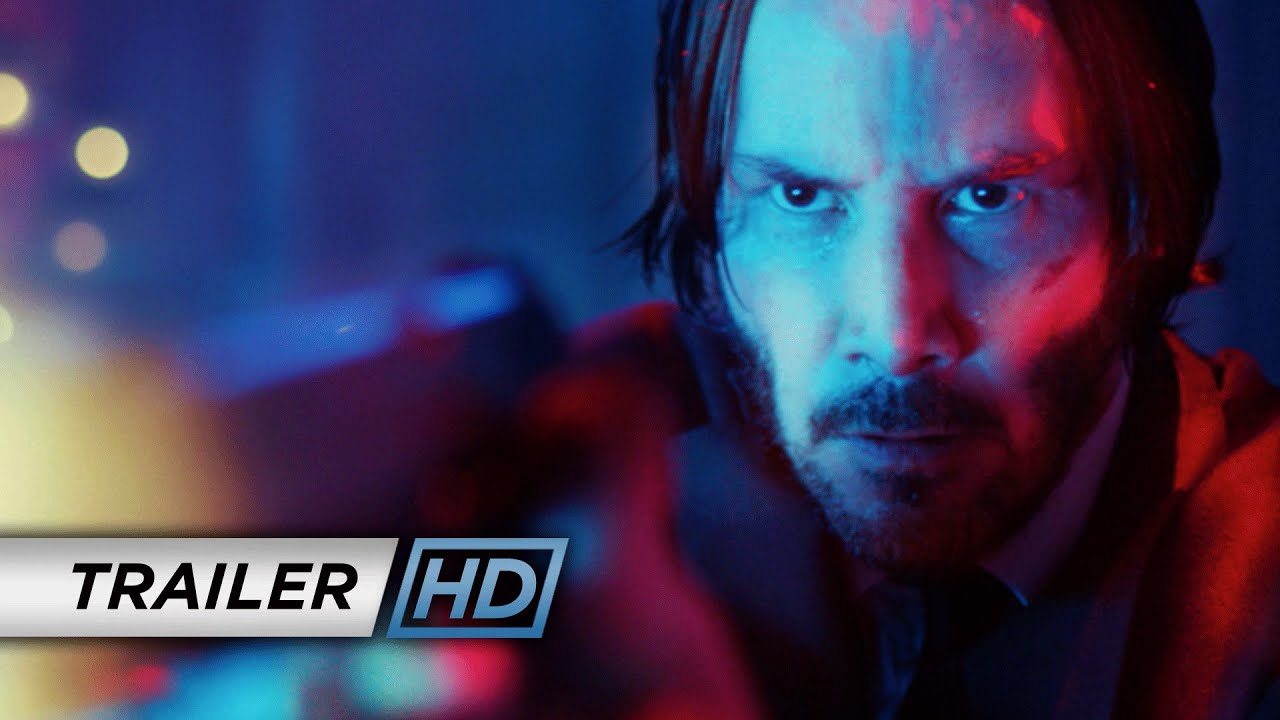
John Wick in an official trailer frame. Credit: Lionsgate Movies. Source: Lionsgate Movies.
The first John Wick uses a spare revenge story to give its action room to breathe. Keanu Reeves’s contained performance fits a film in which preparation, distance and a missed shot remain visible. The Continental and its rules suggest a wider criminal world without requiring a manual before each fight. That economy is also the film’s ceiling: the secondary characters and emotional consequences rarely grow as much as the choreography does. The direction favors bodies moving through rooms over frantic cutting, so each new space poses a practical problem. The result is a lean, readable piece of action filmmaking rather than a deep character study. Read Aram’s full John Wick review.
16. Top Gun: Maverick (2022)
Red Reactions Score: 8.5/10 · Reviewed by Bamo Anwar
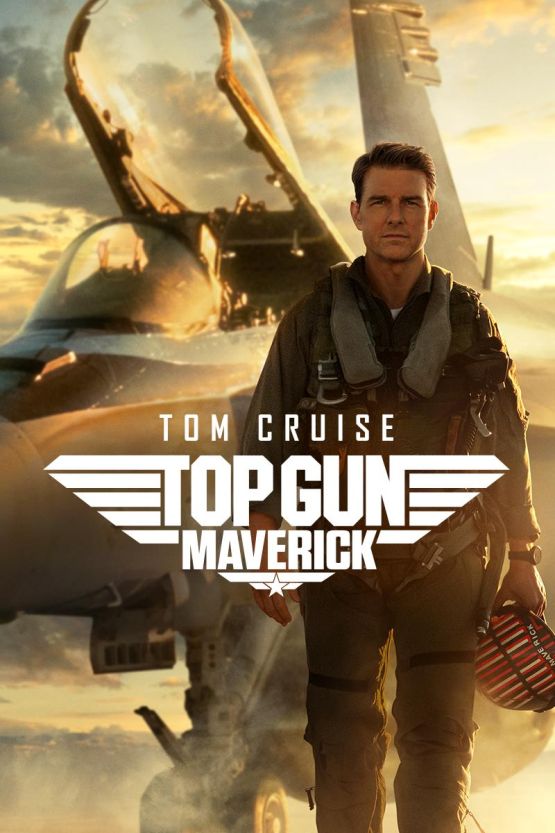
Official promotional poster for Top Gun: Maverick. Credit: Paramount Pictures. Source: Paramount Pictures.
The sequel could have coasted on Tom Cruise’s return. Instead, it gives Pete Mitchell a difficult job: prepare younger pilots for a mission whose route, timing and risks the audience can understand. Training scenes teach those rules before the final operation tests them, allowing the flying to feel like a sequence of decisions rather than anonymous speed. Miles Teller’s Rooster also makes Maverick’s past an obstacle inside the team. The opposing force is thinly drawn, and the ending embraces wish fulfillment. But the film earns much of that lift through its disciplined setup and its attention to people in the aircraft, not only aircraft in the sky. Read Bamo’s full Top Gun: Maverick review.
15. Mission: Impossible – Fallout (2018)
Red Reactions Score: 8.5/10 · Reviewed by Aram Anwar
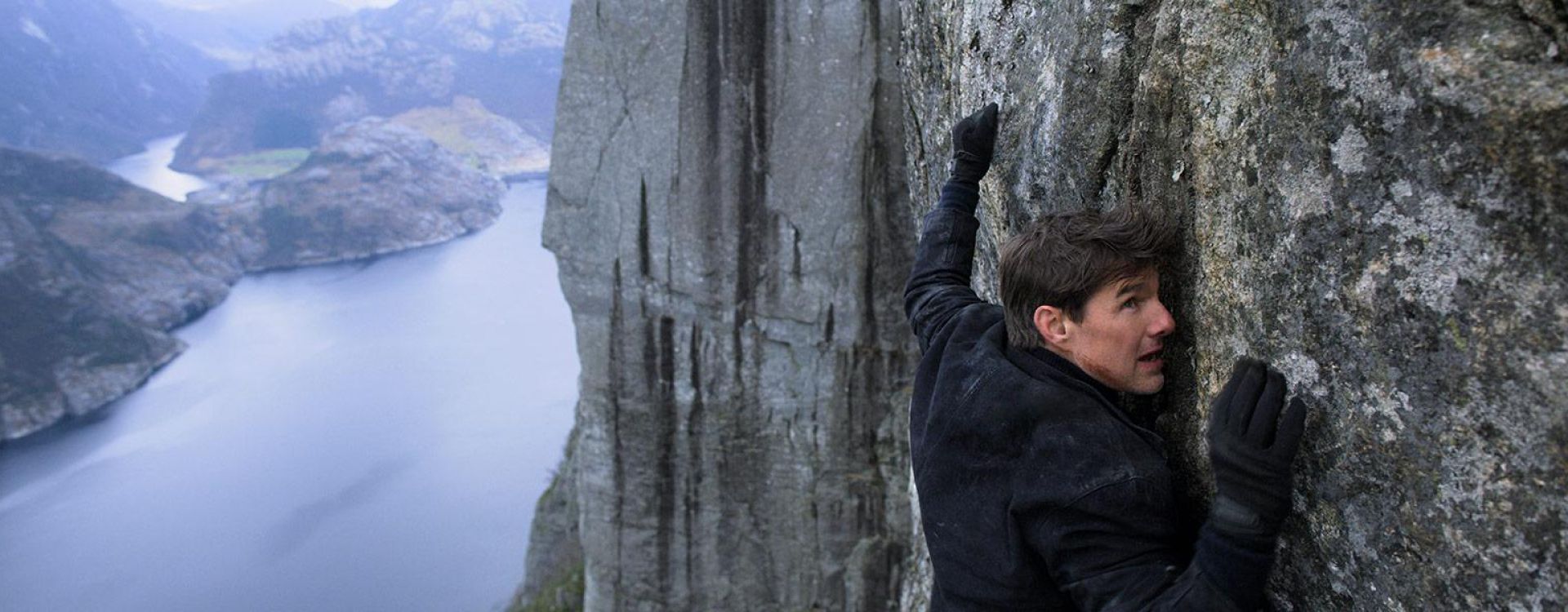
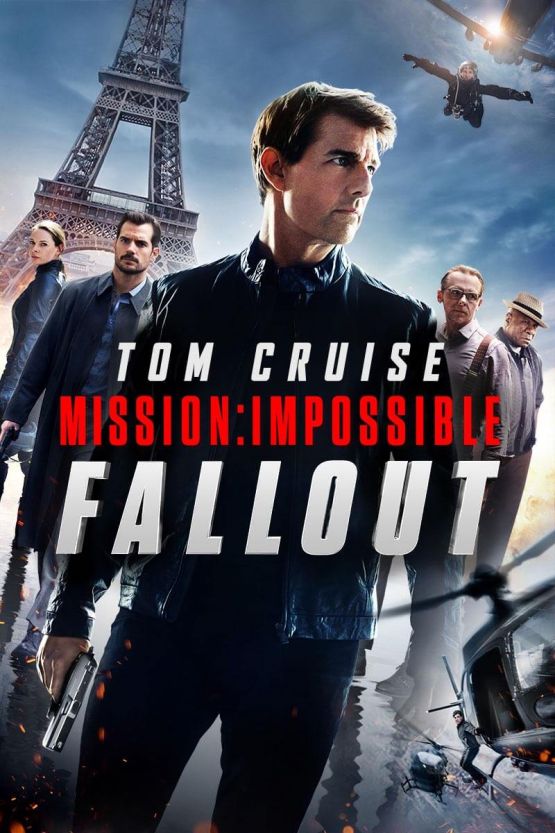
The location changes the physical problem for Ethan Hunt. Credit: Paramount Pictures. Source: Paramount Pictures.
Ethan Hunt’s defining impulse is to save the person immediately in front of him, even when a mission demands a colder calculation. Fallout turns that habit into the engine of its chases, reversals and increasingly difficult rescues. Christopher McQuarrie lets large set pieces change the team’s options; a motorcycle pursuit and a cliffside struggle have different physical rules and different consequences. The espionage twists can become busy, and one reveal matters less than the action built around it. The film stays high on this list because its scale rarely erases the question of who Hunt is risking and why. Read Aram’s full Fallout review.
14. The Bourne Ultimatum (2007)
Red Reactions Score: 8.5/10 · Reviewed by Bamo Anwar
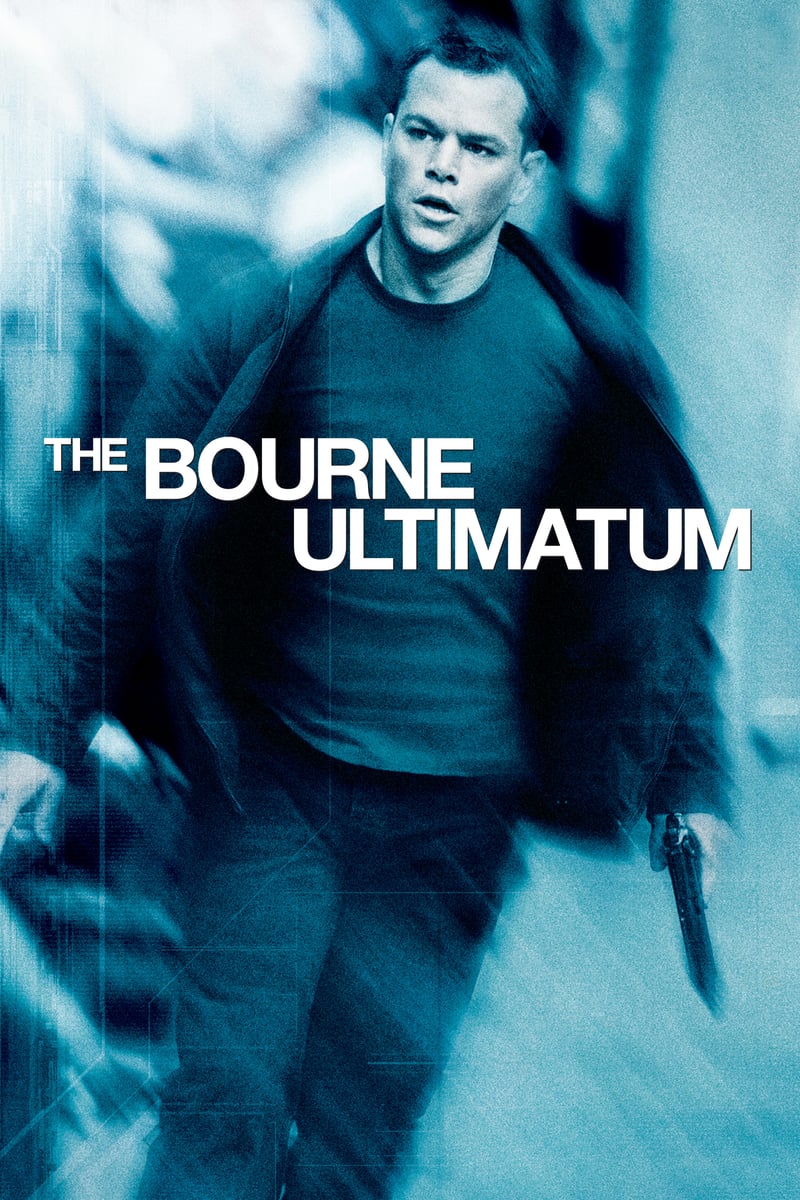
Official promotional poster for The Bourne Ultimatum. Credit: Universal Pictures. Source: Universal Pictures.
Paul Greengrass makes surveillance feel active. Jason Bourne must read who can see him, what a camera has missed and when a seemingly open route is already closed. The film’s rapid cutting can be exhausting, especially for viewers who want an uninterrupted view of a fight, but its best passages connect information to movement with unusual urgency. Matt Damon gives Bourne a weary focus that keeps the search for his history from turning into a mere collection of destinations. The action matters because each escape strips away another layer of the system hunting him. It is a spy thriller driven by observation as much as force. Read Bamo’s full The Bourne Ultimatum review.
13. Predator (1987)
Red Reactions Score: 7.5/10 · Reviewed by Aram Anwar
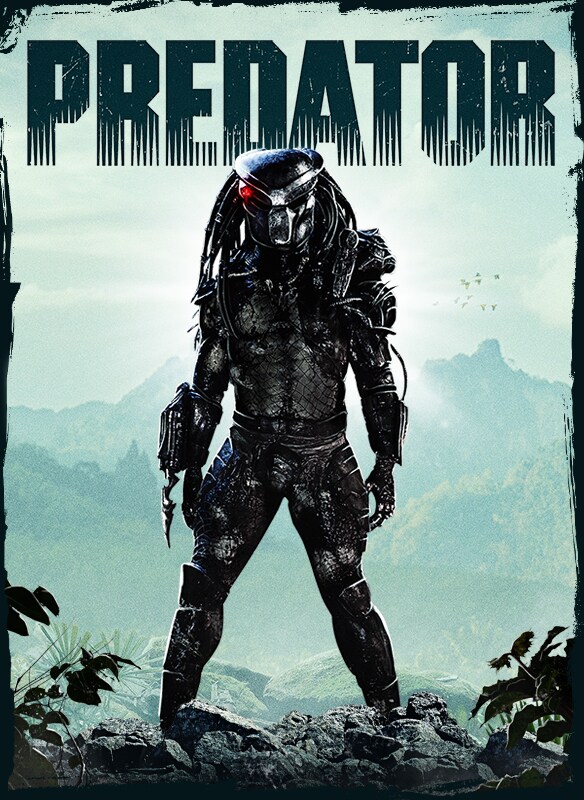
Official promotional poster for Predator. Credit: 20th Century Studios. Source: 20th Century Studios.
John McTiernan first presents a squad that expects to overpower its assignment, then makes its training and weapons increasingly inadequate. The jungle ceases to be a backdrop and becomes a field of uncertain sightlines. Arnold Schwarzenegger’s Dutch is most compelling when he abandons the team’s initial confidence and starts reading traces rather than charging forward. Several members are defined by little more than their role in the group, and the film’s early swagger has not aged evenly. Its placement reflects that weakness as well as the strength of its genre turn. The hunt works because a familiar action setup becomes a survival problem. Read Aram’s full Predator review.
12. Speed (1994)
Red Reactions Score: 8/10 · Reviewed by Bamo Anwar
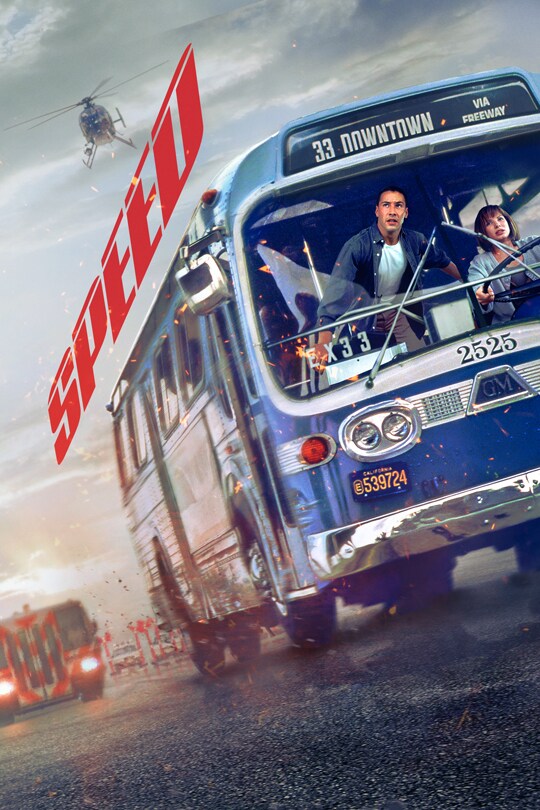
Official promotional poster for Speed. Credit: 20th Century Studios. Source: 20th Century Studios.
One rule makes Speed instantly readable: the bus cannot slow down. Jan de Bont keeps finding fresh consequences for that restriction, shifting the problem from traffic to passengers, route planning and trust between Jack and Annie. Keanu Reeves and Sandra Bullock play urgency without losing the humor that makes their partnership pleasant to watch. Once the film leaves its strongest central situation, the last stretch feels less distinctive. That unevenness keeps it outside the top ten, but the bus sequences remain a lesson in how to build variety from a simple condition. Each solution creates the next difficulty instead of merely buying another explosion. Read Bamo’s full Speed review.
11. The Raid: Redemption (2011)
Red Reactions Score: 8/10 · Reviewed by Aram Anwar
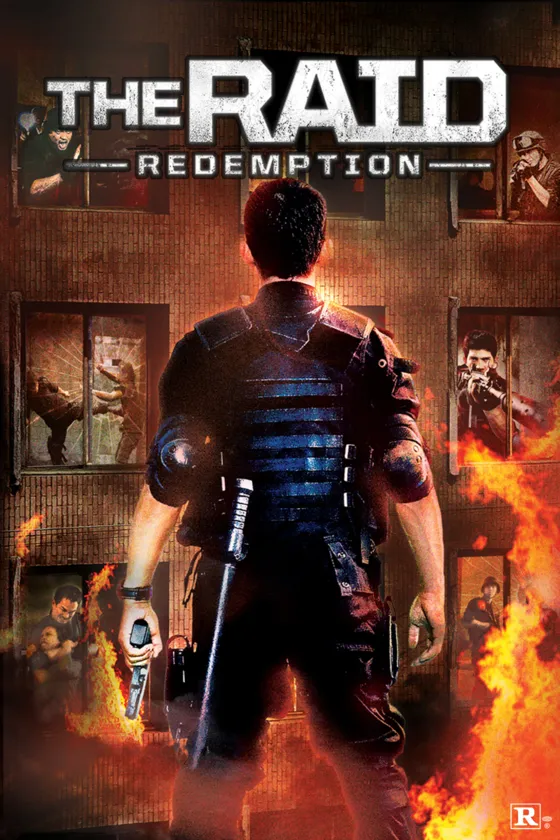
Official promotional art for The Raid: Redemption. Credit: Sony Pictures Classics / PT Merantau Films. Source: Sony Pictures.
Gareth Evans’s siege strips action down to floors, corridors and a team running out of safe choices. The confined setting gives every doorway tactical weight; a fight can change because somebody enters from the wrong side or a weapon stops being useful. Iko Uwais’s movement is thrilling, but the film’s discipline lies in letting us understand the building and the cost of advancing through it. Its characters are drawn more simply than its combat, and the sustained violence can narrow the emotional range. Even so, the choreography is purposeful rather than decorative. Few action films make a single location feel so hostile from one level to the next. Read Aram’s full The Raid: Redemption review.
10. Enter the Dragon (1973)
Red Reactions Score: 8.5/10 · Reviewed by Bamo Anwar
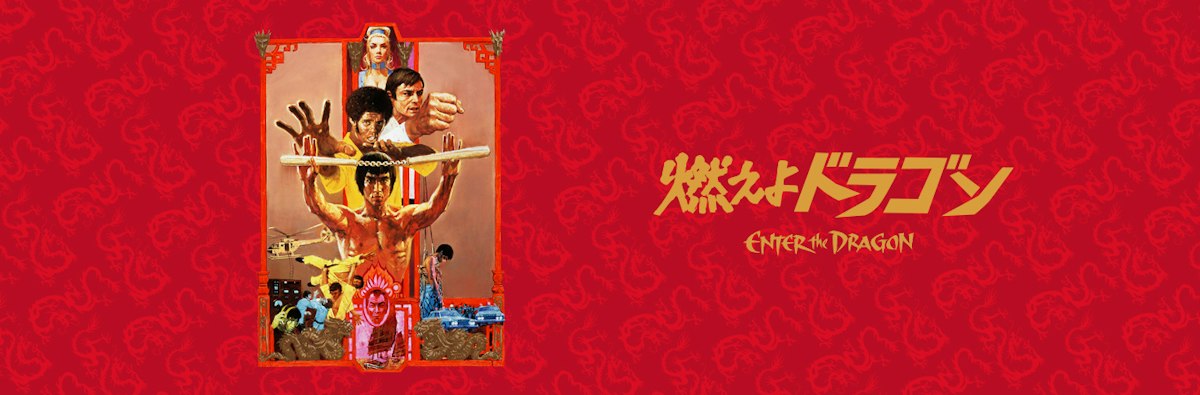
Official promotional art for Enter the Dragon. Credit: Warner Bros. Entertainment. Source: Warner Bros. Japan.
Bruce Lee brings an exactness to the screen that the film’s espionage plot cannot always match. His changes of pace make each opponent feel like a different physical question; the camera usually gives his movement enough space to answer it. The tournament structure builds anticipation, while the supporting story is often little more than a route to the next confrontation. That imbalance is part of the assessment, not a reason to dismiss the film’s achievement. Lee’s control of posture, timing and expression makes the major fights legible before they become spectacular. Its crossover importance matters, but the action itself is why it still belongs here. Read Bamo’s full Enter the Dragon review.
9. Police Story (1985)
Red Reactions Score: 8/10 · Reviewed by Aram Anwar
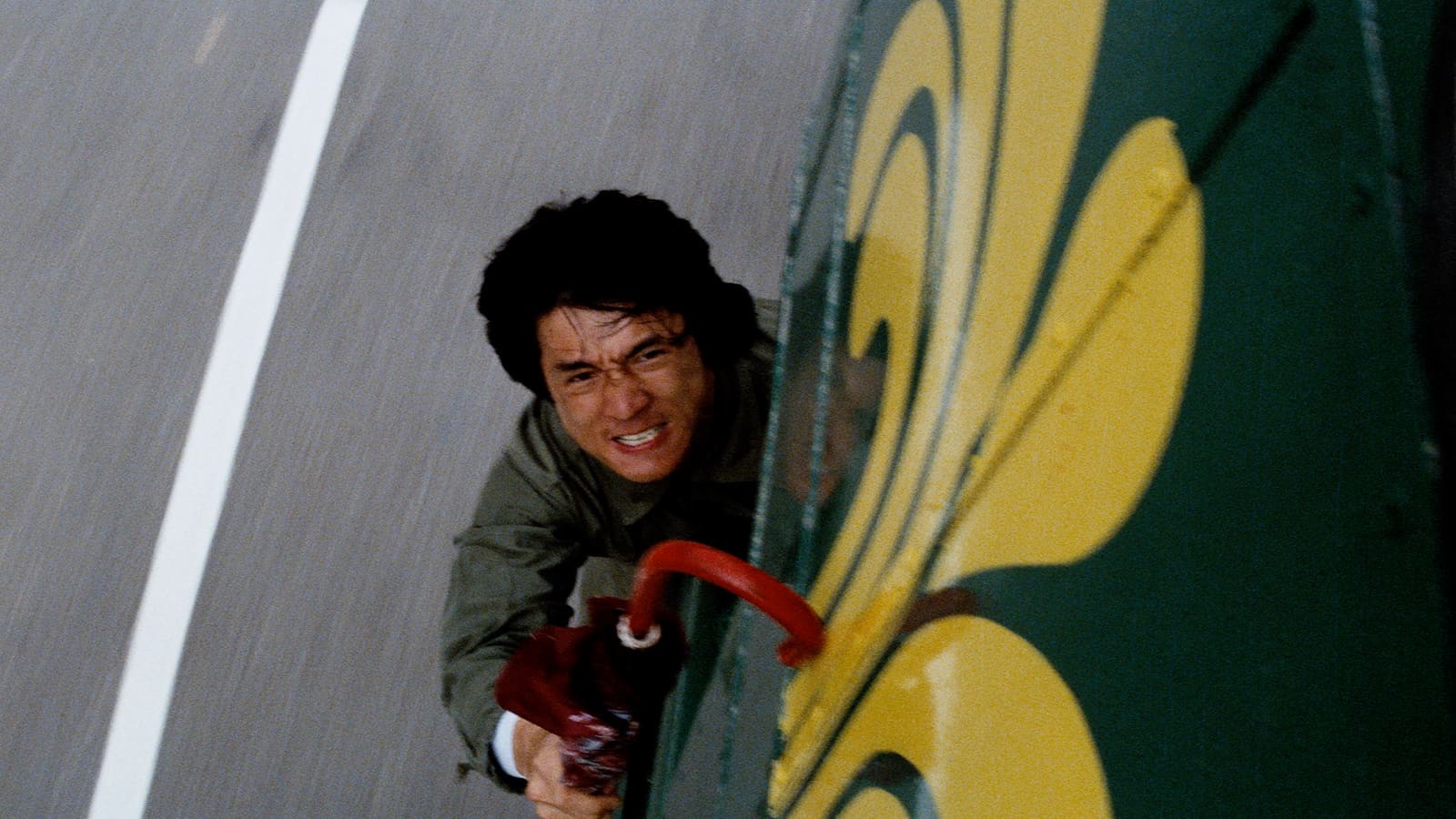
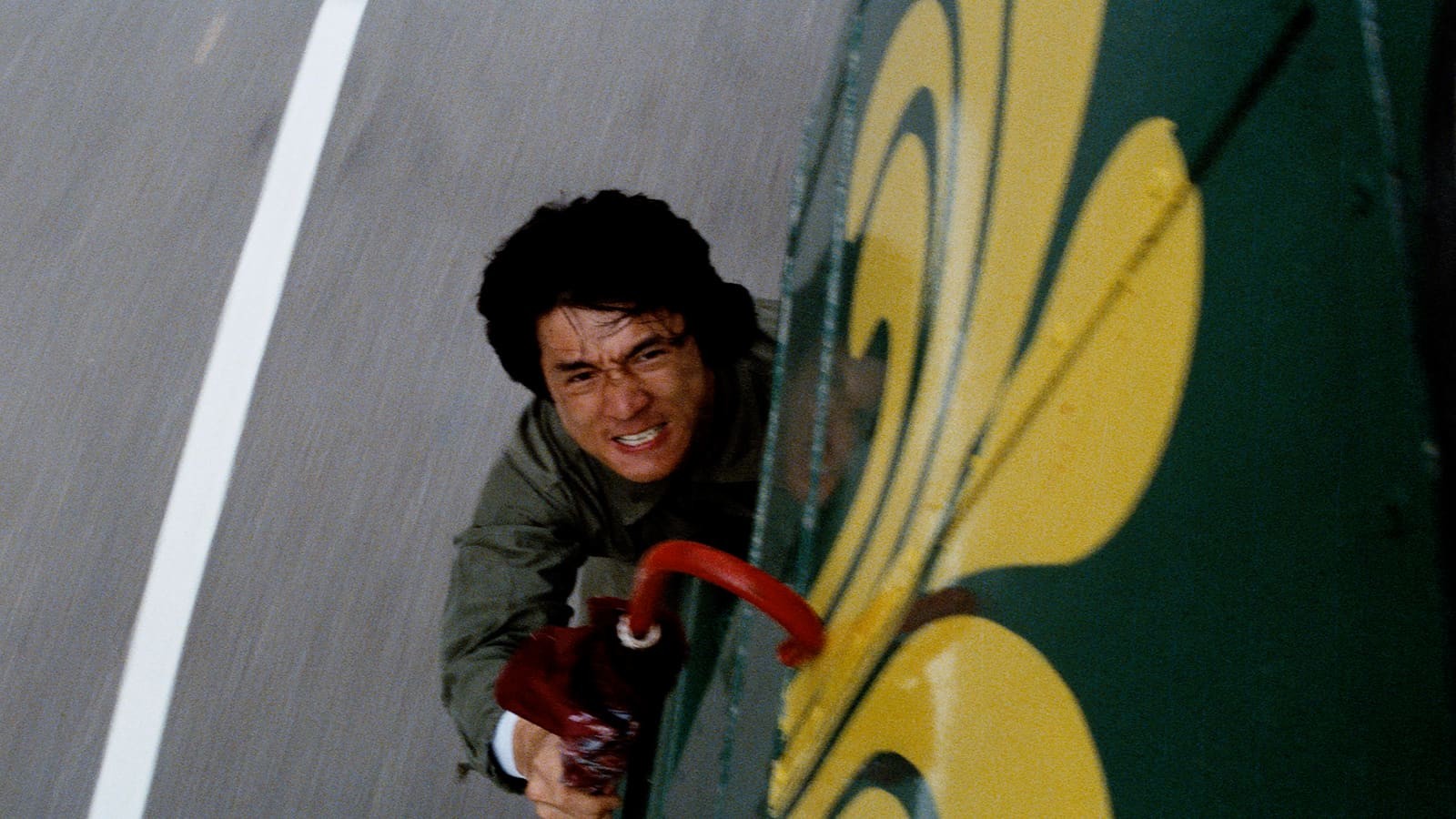
A moving bus becomes both obstacle and punchline. Credit: Janus Films. Source: Janus Films.
Jackie Chan turns movement into a chain of problems and jokes. A bus, a handrail or a room full of breakable objects can change what his character is trying to do within seconds. The pleasure is watching effort remain visible: a clever solution may work while still leaving him exposed. The story around the stunts is broader and less careful with its supporting characters, which explains why the score does not simply mirror the heights of its action. But the set pieces make risk understandable without treating pain as an abstract effect. Police Story earns its place by joining physical comedy to startlingly precise escalation. Read Aram’s full Police Story review.
8. Hard Boiled (1992)
Red Reactions Score: 8.5/10 · Reviewed by Bamo Anwar
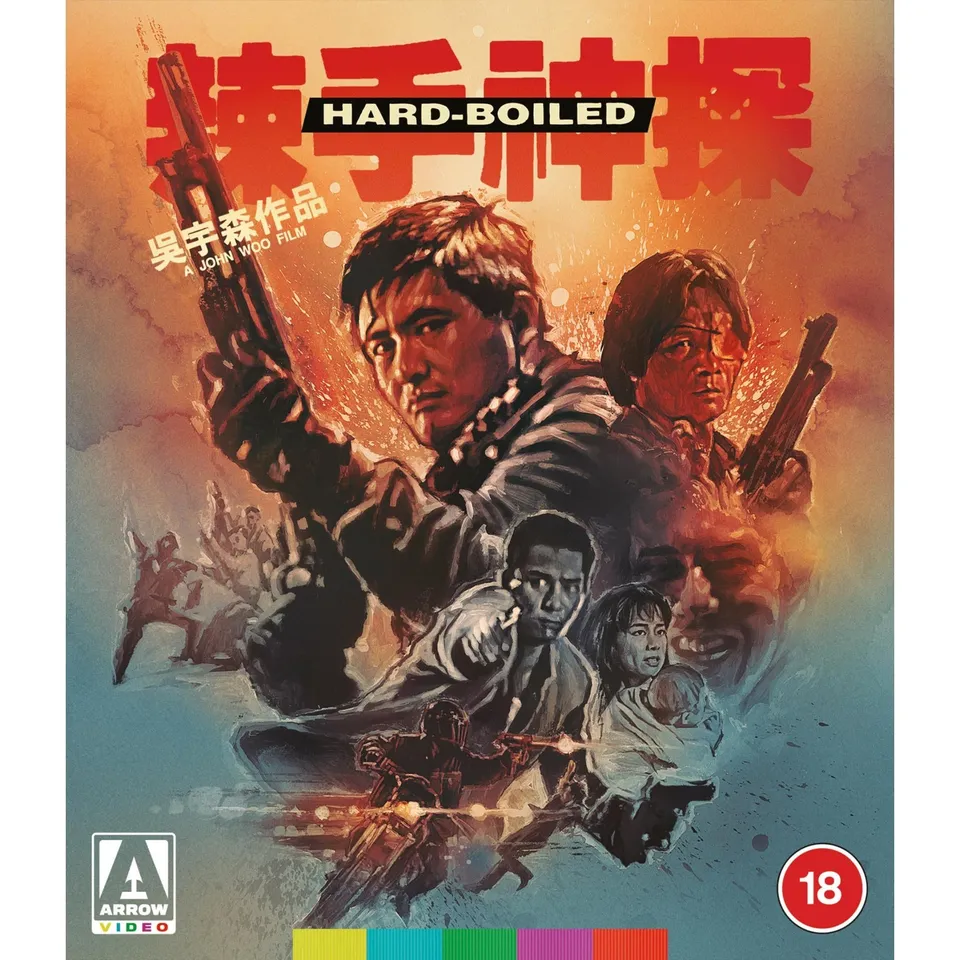
Licensed Hard Boiled cover art. Credit: Arrow Video / Hard Boiled rights holders. Source: Arrow Films.
John Woo’s film makes gunfire operatic, but its scale is grounded by the uneasy partnership between Tequila and Alan. A location changes character as people move through it: cover fails, allies cross paths, and what seemed like an escape becomes another responsibility. The hospital finale is memorable for the way it keeps several objectives in play, not merely for how long it lasts. Woo’s melodrama and excess will not suit every viewer, and some emotional beats land heavily. Yet the film has a strong sense of how action can carry loyalty, sacrifice and panic at once. Its spectacle has relationships inside it. Read Bamo’s full Hard Boiled review.
7. Seven Samurai (1954)
Red Reactions Score: 8.5/10 · Reviewed by Aram Anwar
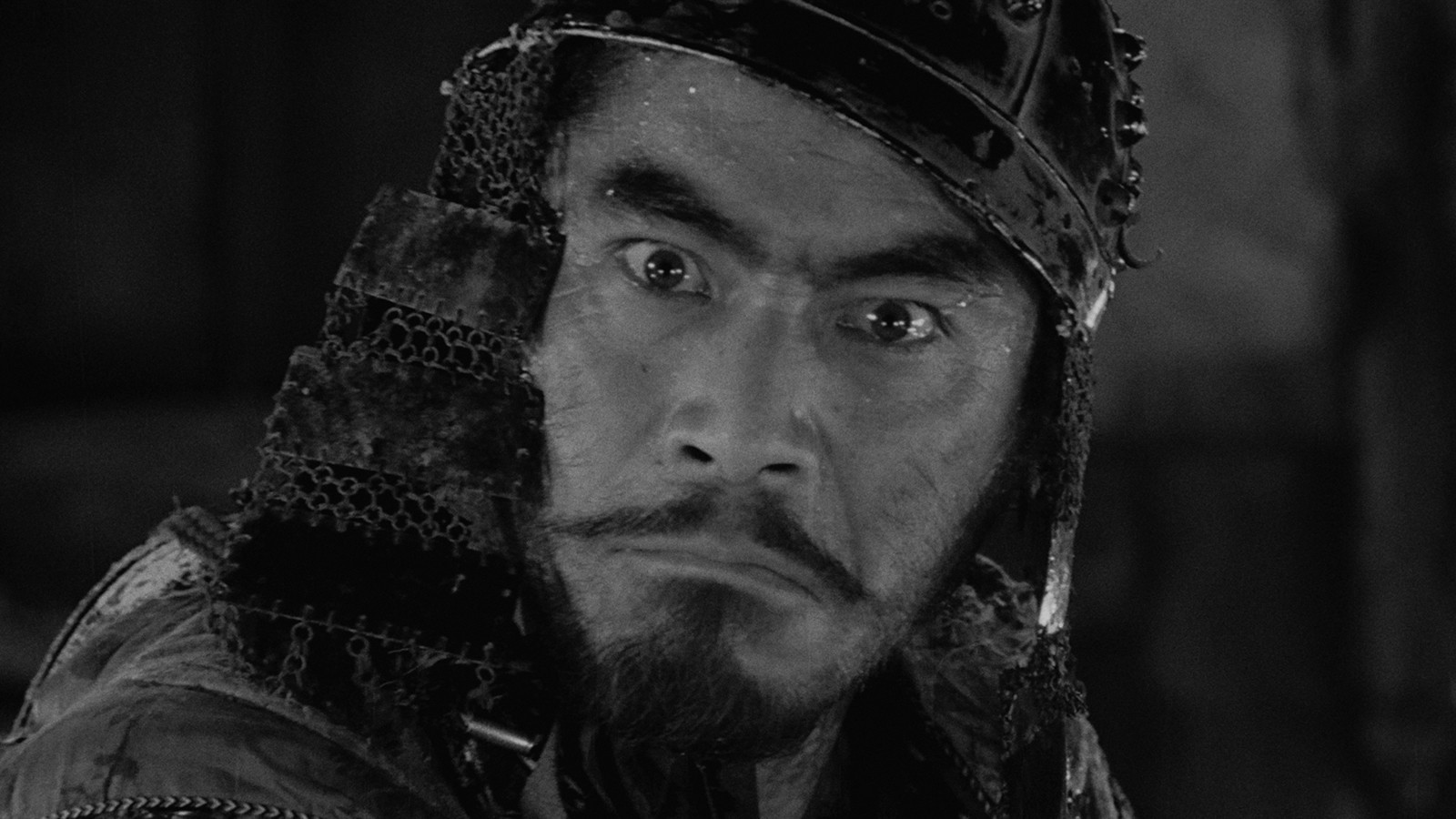
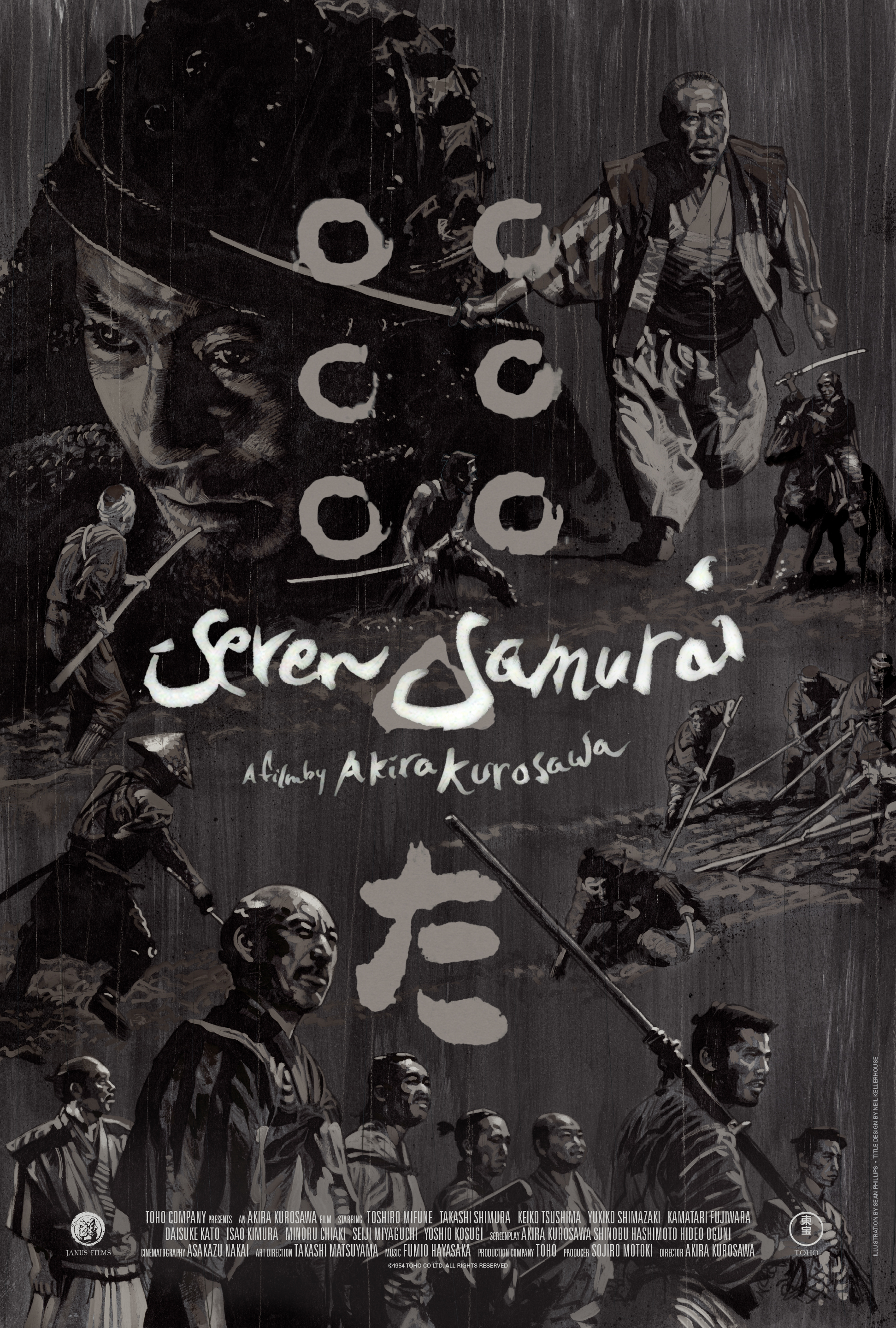
Kikuchiyo complicates the alliance he helps defend. Credit: Janus Films / Toho. Source: Janus Films.
Akira Kurosawa gives a battle its shape long before swords are drawn. Recruitment, village defenses and disputes between farmers and warriors establish what every approach to the settlement might cost. When the fighting comes, weather and terrain complicate plans the audience already understands. Toshiro Mifune’s Kikuchiyo disrupts the group in ways that are comic, abrasive and revealing. The length demands attention, and some preparation repeats information the film has already made clear. Still, the final defense carries weight because the people and place have been built so patiently. This is action as a community problem, not simply a display of individual skill. Read Aram’s full Seven Samurai review.
6. Raiders of the Lost Ark (1981)
Red Reactions Score: 8.5/10 · Reviewed by Bamo Anwar
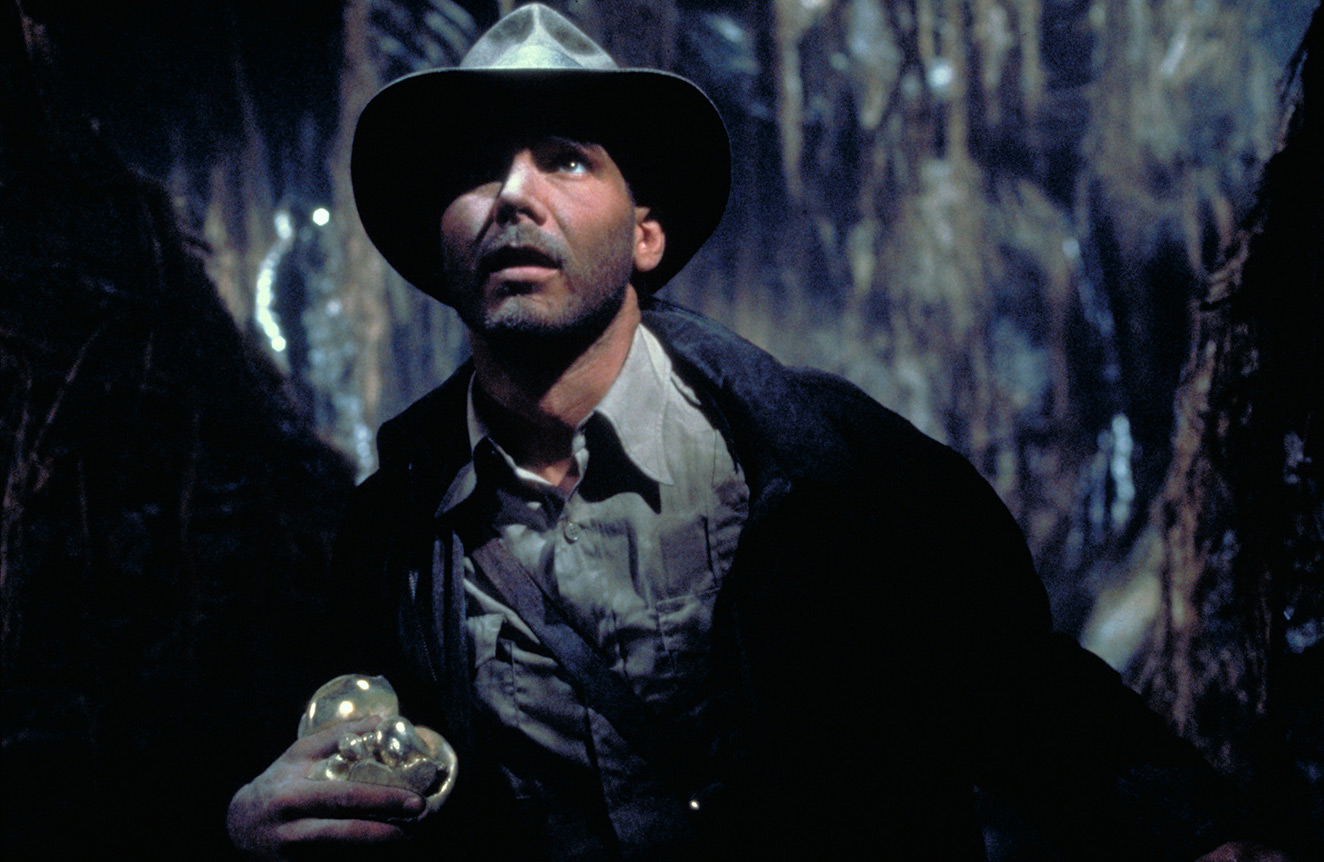
Indiana Jones inside a temple. Credit: Lucasfilm. Source: Lucasfilm.
Indiana Jones is resourceful because his plans so often fail. Steven Spielberg’s film lets an object, a vehicle or an adversary change the immediate task, forcing Harrison Ford’s hero to improvise while looking increasingly battered. The truck pursuit is a model of escalation: every small gain produces a new problem to solve. The story moves so quickly that some coincidences can feel like shortcuts, and its old-fashioned adventure framing deserves scrutiny rather than automatic nostalgia. But its action has an unusually clear sense of cause and effect. The movie keeps asking what Indy can reach, hold or survive next. Read Bamo’s full Raiders of the Lost Ark review.
5. The Matrix (1999)
Red Reactions Score: 8.5/10 · Reviewed by Aram Anwar
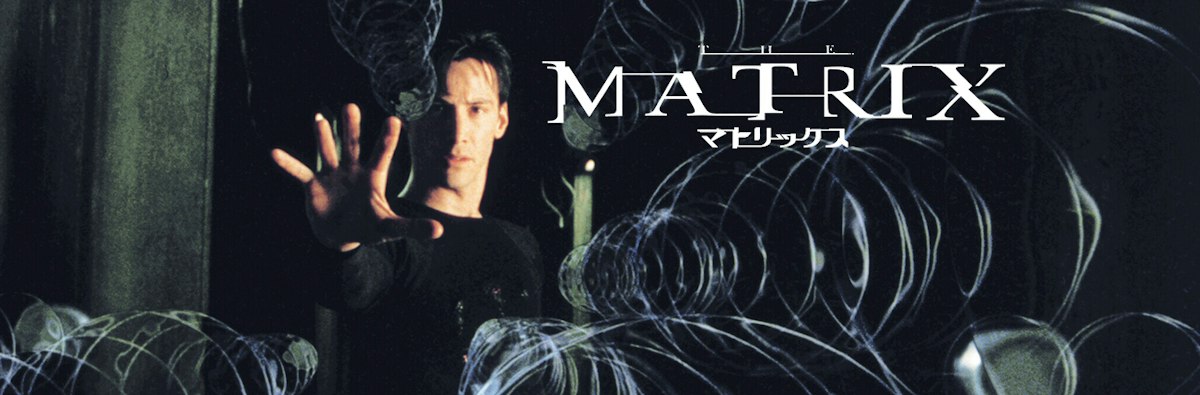
Official promotional art for The Matrix. Credit: Warner Bros. Pictures. Source: Warner Bros. Japan.
The Wachowskis give the film’s action a philosophical hook without asking the fights to become lectures. Neo’s changing understanding of his world changes what he can attempt, while Laurence Fishburne’s Morpheus and Carrie-Anne Moss’s Trinity give that discovery urgency and discipline. The visual design is instantly recognizable, but the strongest sequences still depend on clean objectives and bodies taking risks inside them. Some exposition slows the middle, and parts of the mythology invite more questions than this film answers. Its position here rests on the union of concept and movement: each new ability matters because the story has taught us why it seemed impossible. Read Aram’s full The Matrix review.
4. Aliens (1986)
Red Reactions Score: 8.5/10 · Reviewed by Bamo Anwar
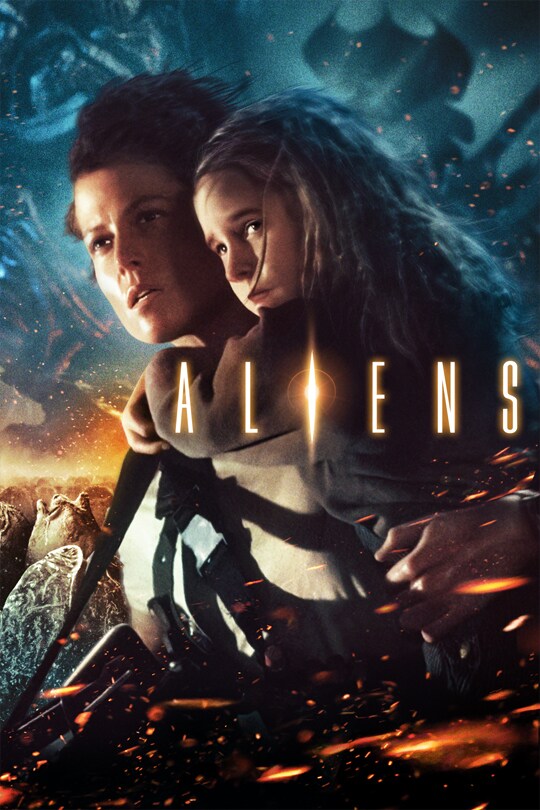
Official promotional art for Aliens. Credit: 20th Century Studios. Source: 20th Century Studios.
James Cameron expands the first film’s isolated threat into a squad mission, then steadily removes the Marines’ confidence in their equipment and plans. Sigourney Weaver’s Ripley is capable because she remembers danger the others treat as theory; her bond with Newt gives the siege a personal stake beyond survival statistics. Motion trackers, doors and limited ammunition create suspense from incomplete information. Several Marines are broadly sketched, and the larger cast trades away some of the original’s loneliness. Yet the film makes that trade productive. Its action is a study of people learning that firepower is not the same thing as control. Read Bamo’s full Aliens review.
3. Terminator 2: Judgment Day (1991)
Red Reactions Score: 8.5/10 · Reviewed by Aram Anwar
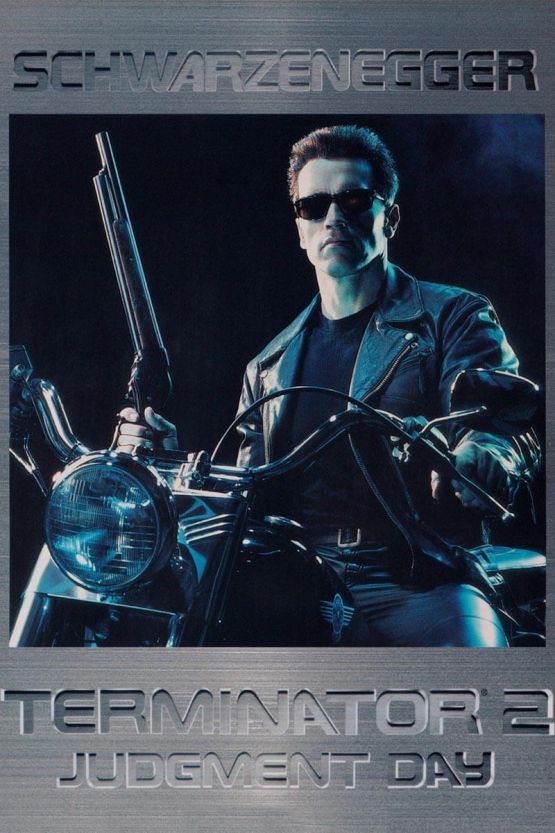
Official promotional poster for Terminator 2: Judgment Day. Credit: Paramount Pictures. Source: Paramount Pictures.
The pursuit in Terminator 2 works because its three central figures have sharply different vulnerabilities. The T-1000 appears able to adapt to each obstacle; Sarah Connor has learned to anticipate catastrophe; John still insists that survival is not the only rule worth keeping. James Cameron broadens the action from chase to intervention without losing the human argument underneath it. The groundbreaking effects remain striking, though the film’s scale and repeated explanations can occasionally slow its urgency. What keeps it near the top is the connection between spectacle and choice. The characters are trying to change a future, not simply outrun a machine. Read Aram’s full Terminator 2 review.
2. Mad Max: Fury Road (2015)
Red Reactions Score: 8.5/10 · Reviewed by Bamo Anwar
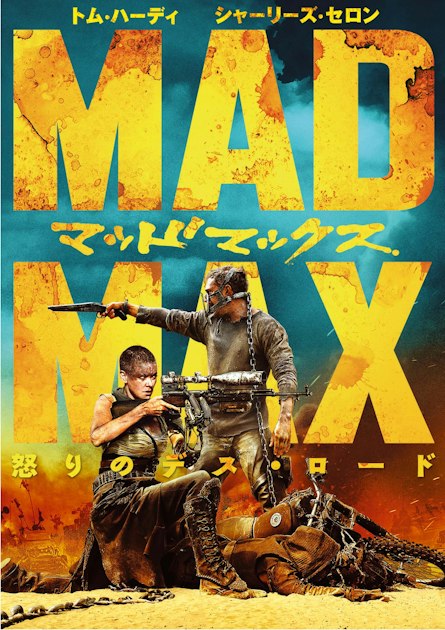
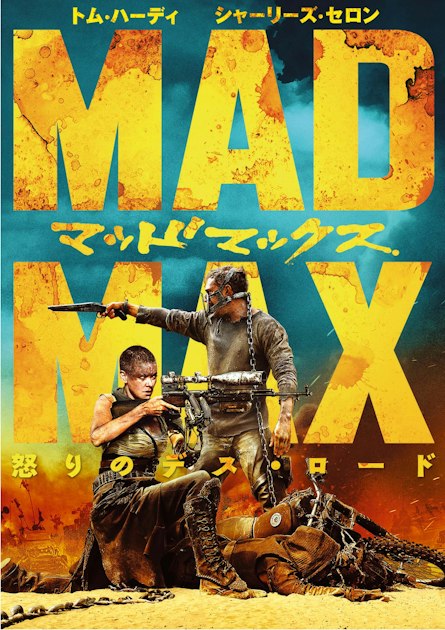
Furiosa and Max share the road, but Furiosa gives the escape its direction. Credit: Warner Bros. Pictures. Source: Warner Bros. Japan.
George Miller builds an almost continuous chase that rarely loses its direction. Furiosa’s objective gives the convoy a moral and physical destination, while Max’s wary cooperation lets their partnership emerge through work rather than speeches. Vehicles gain or lose position, weapons change hands, and the landscape repeatedly alters what escape requires. The action combines physical production with digital work; its achievement is the clarity of the finished image, not a myth that every frame was made one way. The pace leaves some relationships thinner than the world around them. Still, few blockbusters make design, editing and character purpose feel so tightly connected. Read Bamo’s full Mad Max: Fury Road review.
1. Die Hard (1988)
Red Reactions Score: 8.5/10 · Reviewed by Aram Anwar
Official promotional poster for Die Hard. Credit: 20th Century Studios. Source: 20th Century Studios.
Die Hard reaches #1 because its action, geography and character weaknesses never drift apart. John McClane has to learn Nakatomi Plaza as he moves through it, and each success costs him safety, ammunition or a place to hide. Bruce Willis keeps the hero frightened and funny; Alan Rickman’s Hans Gruber changes his plans as the situation changes. Outside the building, the police and media satire can feel blunt, but inside it every floor adds a fresh tactical problem. The film is influential, yet reputation is not the deciding argument. It is the care with which consequence carries from one set piece to the next. Read Aram’s full Die Hard review, where readers can also submit their own separate 1–10 User Score.
Sources
- 20th Century Studios: Die Hard
- Warner Bros. Japan: Mad Max: Fury Road
- Janus Films: Seven Samurai
- Janus Films: Police Story
- Paramount Pictures: Mission: Impossible – Fallout
- Warner Bros.: The Dark Knight publicity photos
- James Bond 007: Casino Royale
- Miramax: Kill Bill: Volume 1
- Lionsgate Movies: John Wick official trailer
- Paramount Pictures: Top Gun: Maverick
- Universal Pictures: The Bourne Ultimatum
- 20th Century Studios: Predator
- 20th Century Studios: Speed
- Sony Pictures: The Raid: Redemption
- Warner Bros. Japan: Enter the Dragon
- Arrow Films: Hard Boiled
- Lucasfilm: Raiders of the Lost Ark
- Warner Bros. Japan: The Matrix
- 20th Century Studios: Aliens
- Paramount Pictures: Terminator 2: Judgment Day
Related coverage
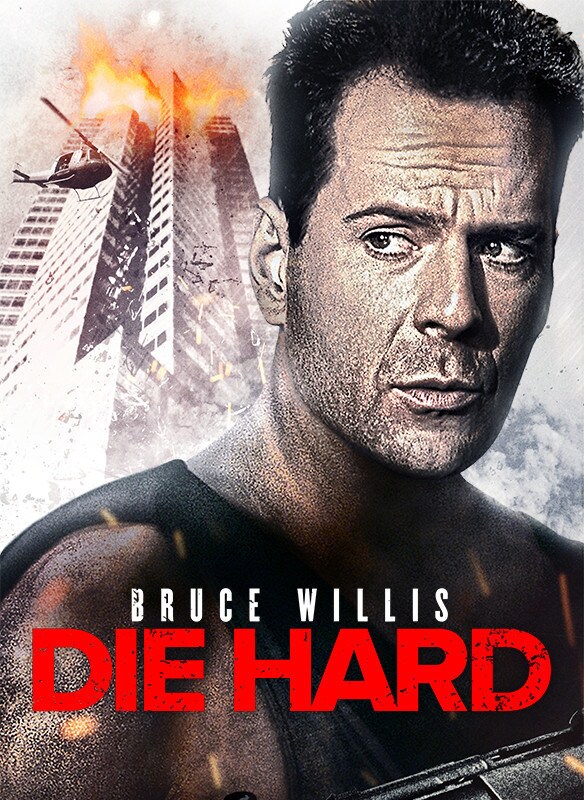
Die Hard Review: An Action Classic Built on Vulnerability
Die Hard still works because John McClane can be hurt, Hans Gruber can think, and Nakatomi Plaza gives every confrontation a place and a purpose.
Mad Max: Fury Road Review: A Chase With a Clear Purpose
George Miller turns a near-continuous pursuit into readable action and a story of escape, with Furiosa and Max sharing the road rather than competing for it.
Police Story Review: Jackie Chan Makes Every Object an Obstacle
The 1985 film's exhilarating physical comedy and escalating stunts outshine a thin police plot and some awkward tonal shifts.
Seven Samurai Review: An Action Epic Built One Person at a Time
Kurosawa's long ensemble drama earns its final battle by teaching us the village, its defenders and the cost of each decision.
About the author
Aram Anwar
Founder & Editor
Aram Anwar founded Red Reactions and writes across comics, gaming, movies and television. His work includes franchise guides and large Lore / Explained features, with an emphasis on separating confirmed details from reports, theory and speculation.
Coverage: Comics · DC & Marvel · Gaming · Movies & TV · Lore / Explained · Guides
More from Aram Anwar