Movies Review
Hard Boiled Review: John Woo's Spectacle Has a Human Cost
Chow Yun-fat and Tony Leung anchor John Woo's escalating gunfights, even when the police melodrama struggles to match the action's precision.
 By Bamo Anwar2 min read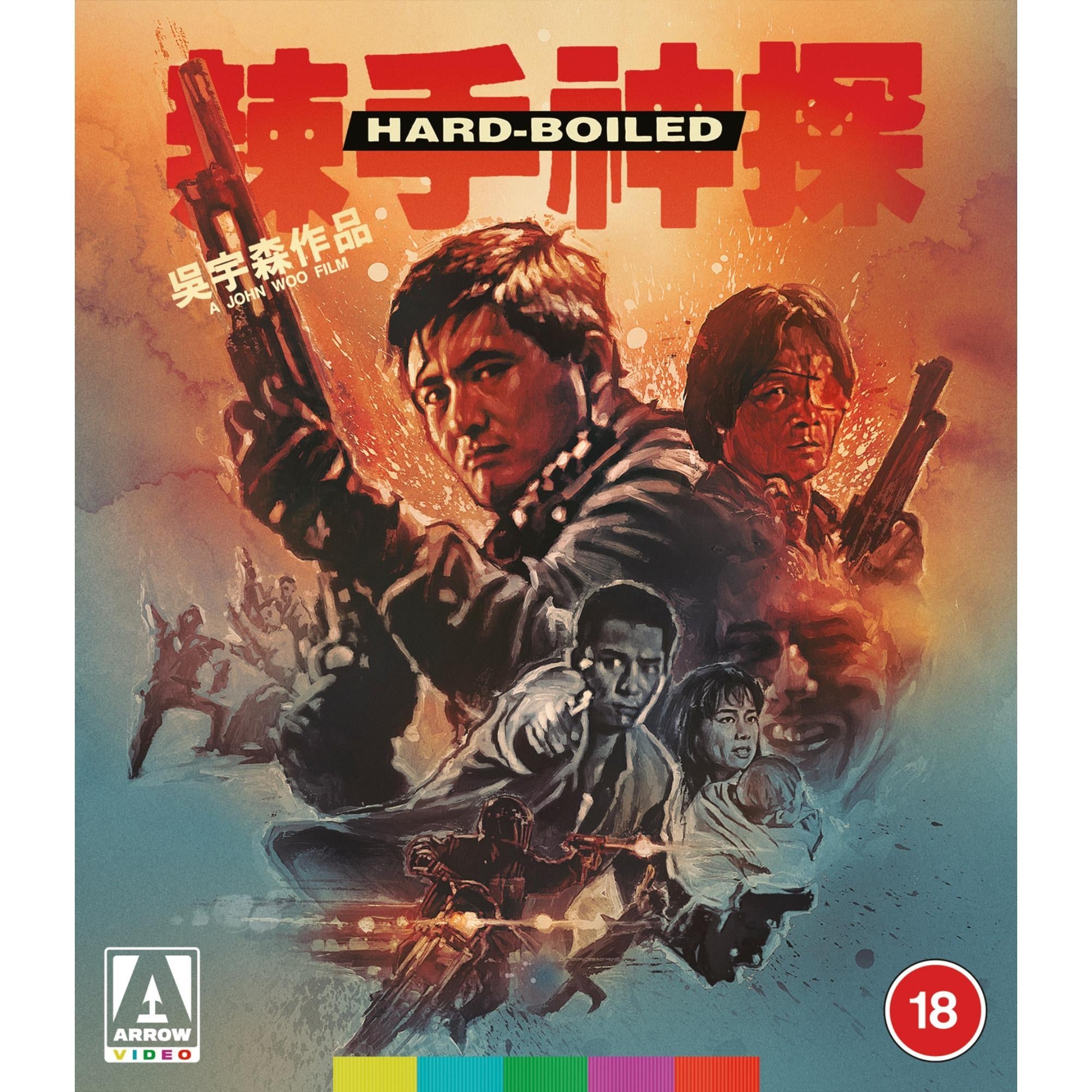
Hard Boiled earns 8.5/10 through action sequences that have distinct shapes rather than one repeated level of volume. John Woo’s 1992 film begins with a crowded teahouse confrontation and keeps expanding toward a hospital siege, using movement and danger to test its two police protagonists. Its undercover melodrama can be blunt, and its extreme violence sometimes threatens to overwhelm the people caught inside it. The best scenes make those excesses feel consequential.
Tequila and Alan are not interchangeable heroes
Chow Yun-fat’s Tequila is public, impulsive and visibly wounded by the cost of his work. Tony Leung’s undercover Alan has to conceal what he knows, so hesitation becomes part of his performance. Their wary relationship gives the action a tension beyond who can fire faster. One man can announce himself; the other survives by playing a role he cannot safely drop.
The police plot between the major gunfights is less graceful. Exposition and emotional declarations sometimes arrive with a force that leaves little room for ambiguity. Yet the actors give those scenes enough friction that the alliance feels earned when it becomes operational.
Gunfire as changing geography
Woo stages a fight through bodies moving across tables, corridors and doorways. A shot changes a route; a fall changes who can cover whom. The teahouse opening feels dangerous because its crowded public space keeps presenting new lines of fire. The hospital climax has a different pressure: the characters are trying to move vulnerable people through a building that is becoming less safe by the minute.
The famous long moving passages matter because they preserve a chain of action and consequence, not just because they are technically impressive. They also reveal how much of the film depends on physical staging and performer timing. The production’s practical violence is conspicuous, but specific behind-the-scenes claims should not be substituted for what the finished sequence clearly shows.
The thrill and the discomfort
The film invites excitement at ballistic invention while placing civilians in the path of it. That tension is more productive than a claim that the violence is either purely stylish or purely condemnatory. Woo’s heightened tone sometimes pushes the same emotion too hard, especially when the dialogue tries to underline a sacrifice the image already communicates.
Even with that excess, Hard Boiled keeps its action spatially imaginative and its central partnership compelling. The Raid: Redemption finds a leaner form of building siege, while Police Story mixes physical risk with comedy rather than Woo’s operatic gunplay.
Sources
Related coverage

Aliens Review: A War Movie That Remembers the Horror
James Cameron turns Alien's isolated nightmare into a squad mission, but Ripley's trauma and the Marines' collapsing confidence keep the sequel tense.

Casino Royale Review: Bond Learns How Much a Win Can Cost
Daniel Craig gives 007 a rough edge, Eva Green makes the poker game personal, and Martin Campbell keeps the action tied to character.
Die Hard Review: An Action Classic Built on Vulnerability
Die Hard still works because John McClane can be hurt, Hans Gruber can think, and Nakatomi Plaza gives every confrontation a place and a purpose.
Enter the Dragon Review: Bruce Lee Makes Every Fight Count
Bruce Lee's command of movement gives a conventional tournament and espionage story extraordinary energy, even when its supporting plot is thin.
About the author
Bamo Anwar
Anime & Gaming Writer
Bamo Anwar covers anime and gaming for Red Reactions. His work ranges from release news and detailed trailer breakdowns to beginner guides, watch orders and explainers designed to make large franchises and game systems easier to enter.
Coverage: Anime · Gaming · Beginner Guides · Watch Orders · Explainers
More from Bamo Anwar