Movies Review
Predator Review: When the Action Squad Becomes the Prey
The 1987 film's shift from commando swagger to jungle horror is its best idea, even if the characters rarely grow beyond their roles in the hunt.
 By Aram Anwar2 min read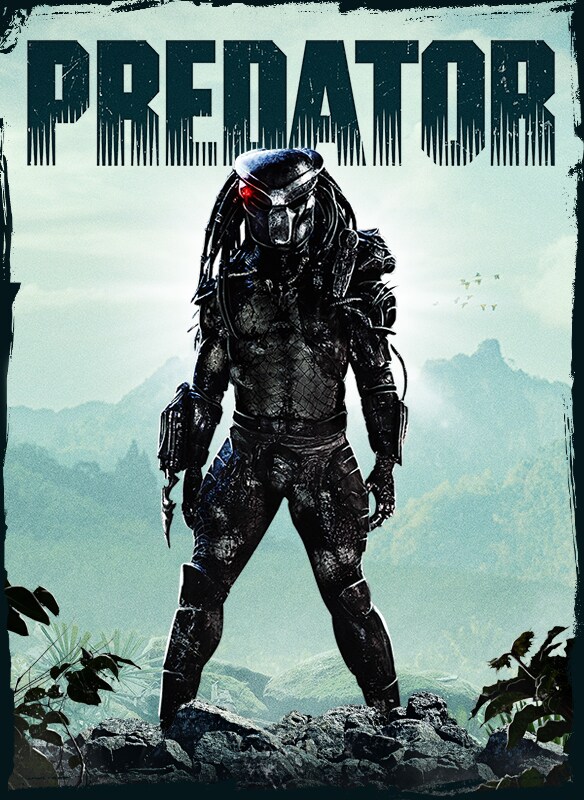
Predator earns 7.5/10 by making an exaggerated 1980s commando film turn against its own heroes. John McTiernan opens with Arnold Schwarzenegger’s Dutch and a squad who seem equipped to dominate any jungle mission. Then the terrain becomes unfamiliar, the soundscape becomes threatening, and their weapons stop solving the problem. The genre pivot is still effective; the people caught inside it are less fully drawn.
Confidence is the setup
The early mission establishes a team comfortable with force and banter. The characters are broad, sometimes deliberately so. That broadness helps the reversal: once the squad recognizes that it is being studied, its swagger has nowhere useful to go. Schwarzenegger adjusts well to the change. Dutch remains physically imposing, but his most interesting work comes when command means observing, waiting and admitting that the usual plan has failed.
The film’s first section can feel like a separate, simpler movie. Its action is muscular but not as distinctive as the hunt that follows. The squad members do not all gain enough individual detail for their losses to carry equal weight. Their group confidence is clearer than most of their private lives.
The jungle changes sides
McTiernan makes the jungle an unstable map. The team can see paths and clearings, yet cannot be sure which direction the threat occupies. Sounds arrive before a target does; an apparent safe position becomes exposed when the hunter changes elevation or distance. The alien’s concealment effects are memorable, but suspense often comes from the reactions of people trying to interpret incomplete evidence.
The creature design works because its physical presence eventually has to support what the earlier glimpses promise. The film does not rely on keeping everything invisible. It shifts from uncertainty toward a more direct contest, and Dutch’s response grows from the skills he learned while being hunted rather than from a sudden new weapon.
Why the score stops at 7.5
The movie’s transformation is stronger than its characterization, and some of its macho shorthand now looks more like a limitation than a joke. Its pace also takes time to reach the most interesting version of the story. Those are reasons to resist an automatic classic-film score, even while admiring the craft of the hunt.
Die Hard shows McTiernan giving a vulnerable hero more room for humor and relationship. Aliens similarly tests an armed group against a threat it has misunderstood, but develops its central survivor more deeply. Predator is leaner and rougher; its genre turn remains the reason to watch.
Sources
Related coverage
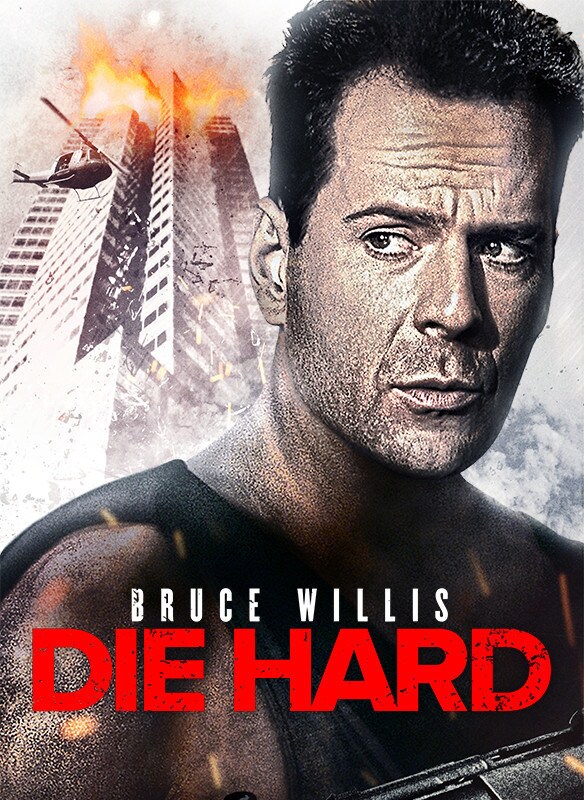
Die Hard Review: An Action Classic Built on Vulnerability
Die Hard still works because John McClane can be hurt, Hans Gruber can think, and Nakatomi Plaza gives every confrontation a place and a purpose.
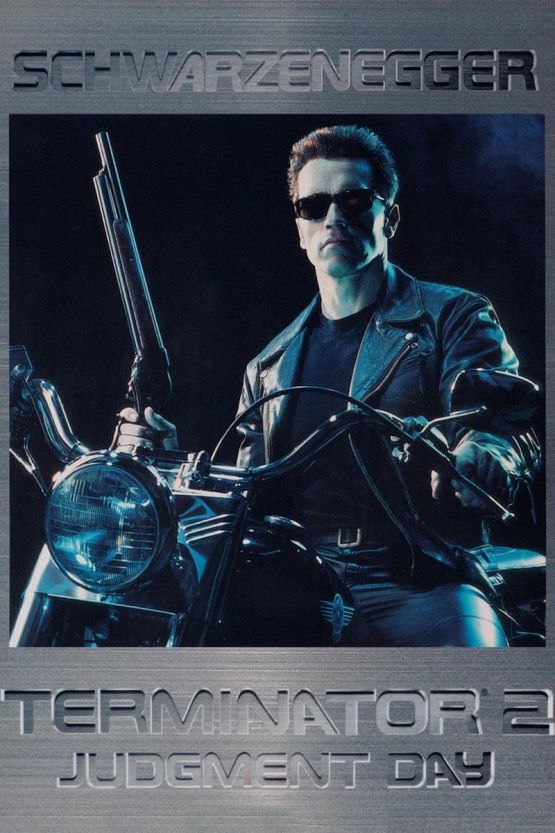
Terminator 2: Judgment Day Review: Spectacle With an Emotional Core
James Cameron scales up the chase, gives Sarah Connor a harder edge and makes the T-1000 a threat that changes every encounter.

Aliens Review: A War Movie That Remembers the Horror
James Cameron turns Alien's isolated nightmare into a squad mission, but Ripley's trauma and the Marines' collapsing confidence keep the sequel tense.

Casino Royale Review: Bond Learns How Much a Win Can Cost
Daniel Craig gives 007 a rough edge, Eva Green makes the poker game personal, and Martin Campbell keeps the action tied to character.
About the author
Aram Anwar
Founder & Editor
Aram Anwar founded Red Reactions and writes across comics, gaming, movies and television. His work includes franchise guides and large Lore / Explained features, with an emphasis on separating confirmed details from reports, theory and speculation.
Coverage: Comics · DC & Marvel · Gaming · Movies & TV · Lore / Explained · Guides
More from Aram Anwar