Movies Review
Terminator 2: Judgment Day Review: Spectacle With an Emotional Core
James Cameron scales up the chase, gives Sarah Connor a harder edge and makes the T-1000 a threat that changes every encounter.
 By Aram Anwar3 min read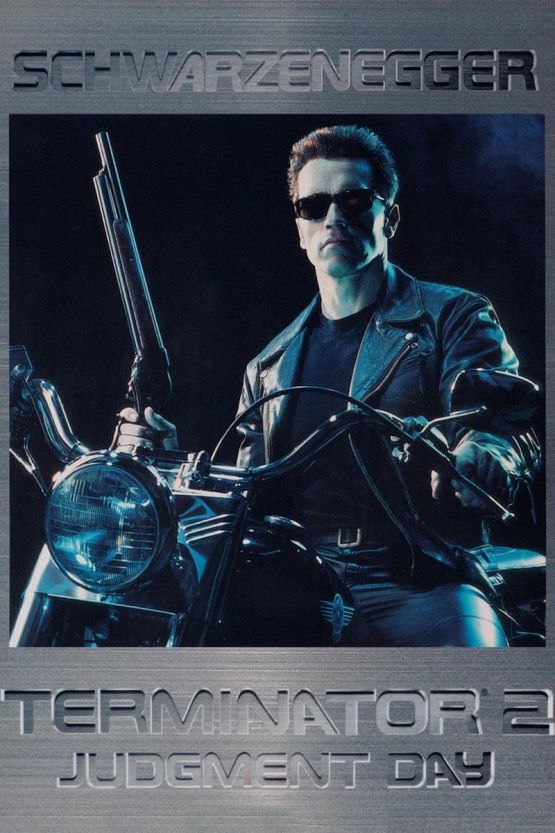
Terminator 2: Judgment Day is an 8.5/10 sequel because its larger action keeps returning to a simple question: can a machine learn to protect a child while his mother struggles to protect the future? James Cameron’s 1991 film reverses the first movie’s most familiar image, then gives the new threat enough speed and adaptability to make that reversal exciting. Its sentiment occasionally arrives too insistently, and its long middle explains more than it needs to, but the action and character arcs reinforce each other more often than blockbuster sequels manage.
Sarah Connor carries the cost of survival
Linda Hamilton does more than play a tougher version of Sarah. Her vigilance has become frightening to the people around her and exhausting to herself. She understands the danger before anyone else, but understanding it has narrowed her life. That tension gives the film a human conflict beyond its chase mechanics. Edward Furlong’s John is sometimes used to soften both Sarah and the Terminator, yet his impatience also keeps their mission from turning into a solemn lecture.
Arnold Schwarzenegger’s reconfigured role works because the film does not ask him to pretend the Terminator is suddenly human. The machine is literal, patient and powerful; John teaches it behaviors before either can fully understand their emotional weight. The jokes built on its bluntness are effective, although the bond eventually receives a few more explanatory beats than it requires.
An enemy who changes the rules
Robert Patrick’s T-1000 is alarming through contrast. He is smaller and more fluid than the protector, and his calm public manner makes every ordinary space unstable. The liquid-metal imagery was a landmark effect, but the film’s threat does not depend on novelty alone: Patrick’s clipped movement and Cameron’s staging make him dangerous even before a transformation occurs.
The canal chase establishes three distinct speeds and vulnerabilities. Later, the Cyberdyne operation changes the film from flight to intervention, while the industrial finale compresses the conflict into a harsher physical space. The set pieces grow in size without forgetting who is exposed at each stage. Aliens shows Cameron using a similar progression from preparation to siege, though T2 is more openly concerned with changing the future.
The sequel’s extra weight
The film is longer and more declarative than its lean predecessor. Its arguments about human violence can feel stated after the images have already made them clear, and the surrogate-parent relationship sometimes takes a sentimental shortcut. Those weaknesses are clearest between the major pursuits, not inside them.
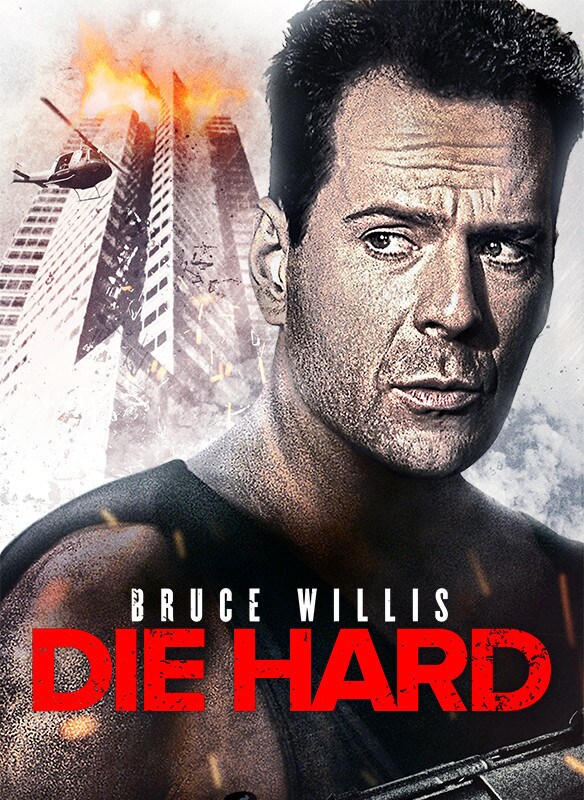
Even so, T2 rarely mistakes scale for stakes. Sarah’s fear, John’s compassion and the T-1000’s relentless efficiency give its technical spectacle a reason to exist. For another action film that keeps geography and damage connected, Die Hard remains a useful comparison.
Sources
Related coverage
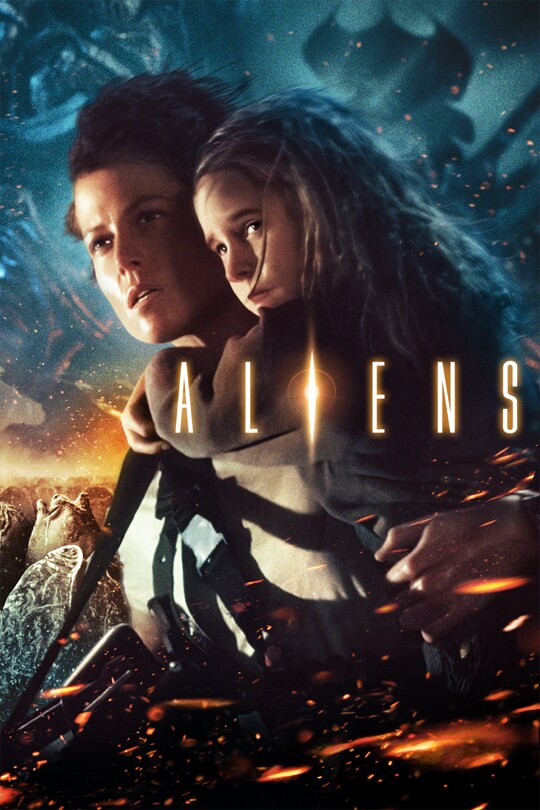
Aliens Review: A War Movie That Remembers the Horror
James Cameron turns Alien's isolated nightmare into a squad mission, but Ripley's trauma and the Marines' collapsing confidence keep the sequel tense.
Predator Review: When the Action Squad Becomes the Prey
The 1987 film's shift from commando swagger to jungle horror is its best idea, even if the characters rarely grow beyond their roles in the hunt.

Casino Royale Review: Bond Learns How Much a Win Can Cost
Daniel Craig gives 007 a rough edge, Eva Green makes the poker game personal, and Martin Campbell keeps the action tied to character.
Die Hard Review: An Action Classic Built on Vulnerability
Die Hard still works because John McClane can be hurt, Hans Gruber can think, and Nakatomi Plaza gives every confrontation a place and a purpose.
About the author
Aram Anwar
Founder & Editor
Aram Anwar founded Red Reactions and writes across comics, gaming, movies and television. His work includes franchise guides and large Lore / Explained features, with an emphasis on separating confirmed details from reports, theory and speculation.
Coverage: Comics · DC & Marvel · Gaming · Movies & TV · Lore / Explained · Guides
More from Aram Anwar