Movies Review
The Bourne Ultimatum Review: Urgency With a Point of View
Greengrass's rapid cutting and mobile camera make surveillance and pursuit feel immediate, though they sometimes ask the viewer to work too hard to read a fight.
 By Bamo Anwar2 min read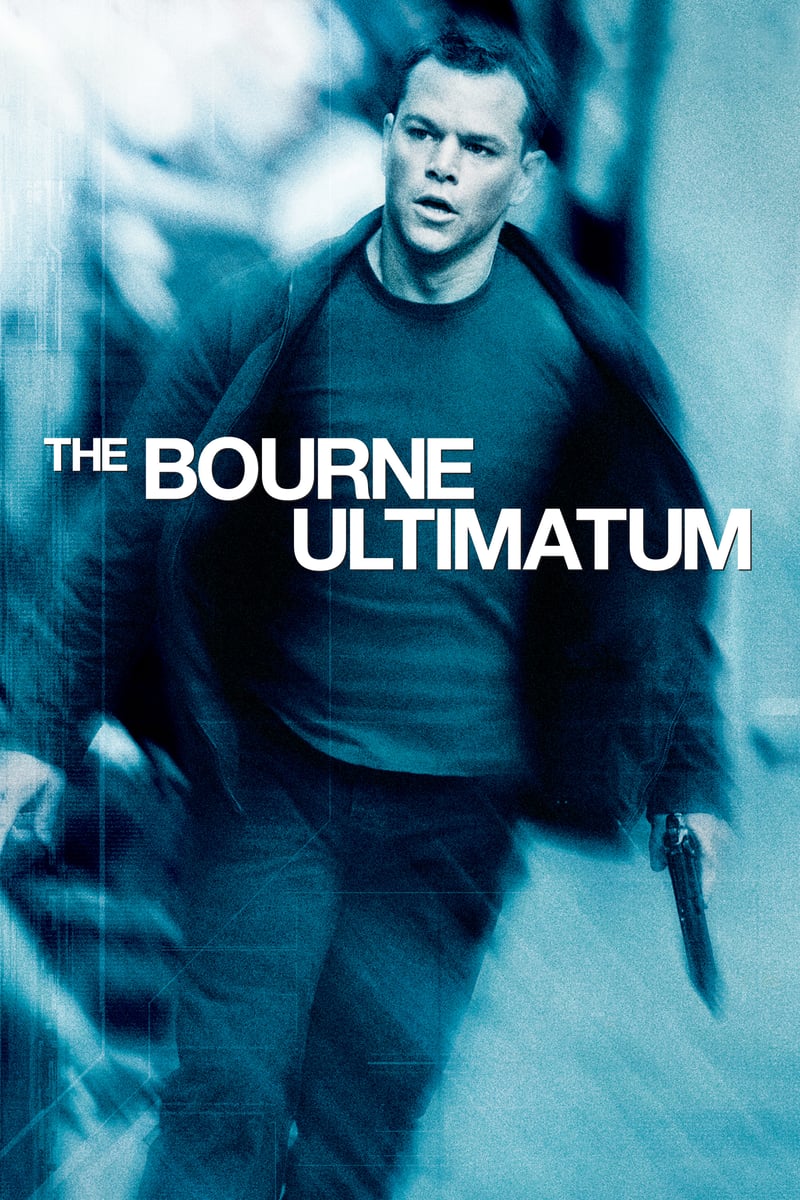
The Bourne Ultimatum is an 8.5/10 pursuit thriller because its style usually expresses Jason Bourne’s situation rather than merely decorating it. Paul Greengrass’s 2007 film cuts between a man trying to recover his identity and an intelligence apparatus trying to locate him before he can. The handheld camerawork can make individual blows hard to parse, and newcomers inherit a story already in progress, but the larger action remains purposeful.
The watcher and the watched
Matt Damon keeps Bourne controlled even when the filmmaking around him is restless. He is not chasing revenge so much as a reliable account of what was done to him and what he did for others. That restraint gives the surveillance scenes a character angle: a camera, phone or crowded station can offer information to either side. The agency characters are not simply voices on monitors; their competing instructions make the pursuit a procedural contest.
The Waterloo sequence is a good example. Its tension comes from identifying lines of sight and deciding when a person can cross an exposed space. The film moves quickly, yet the objective remains clear. The Tangier chase shifts that logic into rooftops and rooms, where the camera stays close enough to transmit Bourne’s urgency even as the geography becomes harder to hold in the mind.
When energy costs clarity
Greengrass’s quick cutting is most effective when a scene has established a route first. In close-quarters fights, the same method can fragment the movement until impact replaces choreography. The viewer understands the danger but cannot always appreciate the exact choice that gets Bourne through it. That is a genuine limit of this style, not a reason to dismiss every handheld pursuit as incoherent.
New York’s later investigation gives the film another kind of momentum: it feels like a file being opened while people race to close it. Still, the movie expects familiarity with earlier betrayals and programs. A viewer beginning here can follow the immediate chase but may miss why a particular answer matters so much to Bourne.
The film is strongest when its editing connects information to action. Speed builds urgency from one visible physical rule; Mission: Impossible – Fallout relies on a more openly spectacular series of spy set pieces. Ultimatum makes the act of being observed feel like the action itself.
Sources
Related coverage

Aliens Review: A War Movie That Remembers the Horror
James Cameron turns Alien's isolated nightmare into a squad mission, but Ripley's trauma and the Marines' collapsing confidence keep the sequel tense.

Casino Royale Review: Bond Learns How Much a Win Can Cost
Daniel Craig gives 007 a rough edge, Eva Green makes the poker game personal, and Martin Campbell keeps the action tied to character.
Die Hard Review: An Action Classic Built on Vulnerability
Die Hard still works because John McClane can be hurt, Hans Gruber can think, and Nakatomi Plaza gives every confrontation a place and a purpose.
Enter the Dragon Review: Bruce Lee Makes Every Fight Count
Bruce Lee's command of movement gives a conventional tournament and espionage story extraordinary energy, even when its supporting plot is thin.
About the author
Bamo Anwar
Anime & Gaming Writer
Bamo Anwar covers anime and gaming for Red Reactions. His work ranges from release news and detailed trailer breakdowns to beginner guides, watch orders and explainers designed to make large franchises and game systems easier to enter.
Coverage: Anime · Gaming · Beginner Guides · Watch Orders · Explainers
More from Bamo Anwar