Movies Review
The Matrix Review: A Revolution That Still Has a Story
The Wachowskis make a complicated world legible through Neo's choices and action scenes that pay off the rules established around him.
 By Aram Anwar2 min read
The Matrix still earns 8.5/10 as a movie, not merely as the source of images copied by later science fiction. The Wachowskis turn Neo’s uncertainty into the audience’s way through an elaborate premise, then make the action test what he has learned. Its philosophy can sound more definitive than its ideas warrant, and the middle spends a long time explaining rules, but the film’s performances and visual discipline keep the argument dramatically alive.
Three different kinds of belief
Keanu Reeves plays Neo’s confusion without competing with the film’s dense mythology. His stillness gives the stranger characters room to persuade, threaten and challenge him. Laurence Fishburne’s Morpheus is a commanding guide, although his confidence is itself a position the film asks us to examine. Carrie-Anne Moss gives Trinity a cooler, more practical authority; she is often the person whose action proves that the group’s beliefs are more than speeches.
The virtual-world premise is taught through decisions rather than a single information dump. Rules about bodies, perception and control return as tactical possibilities later. That is why the film’s famous lobby and rescue sequences feel like payoffs, not detached music videos. The fights move between martial-arts rhythms, gunplay and impossible physics, yet the objective of each scene remains easy to grasp.
Style with a function
The contrasting color and texture of the two worlds make a complicated conceit readable before anyone names it. Slow motion and impossible camera movement make Neo’s changing relationship to the simulation visible. Those effects are memorable, but the smaller choices around them matter just as much: a glance at an exit, a pause before a leap, the way an opponent seems to know the room better than the hero.
The exposition can be heavy. Some conversations explain ideas the film has already shown, and the language of destiny occasionally narrows a story that is most interesting when it is about choice. That makes the central stretch less nimble than the opening and finale. Even so, the training material gives the later action a grammar the audience can follow.
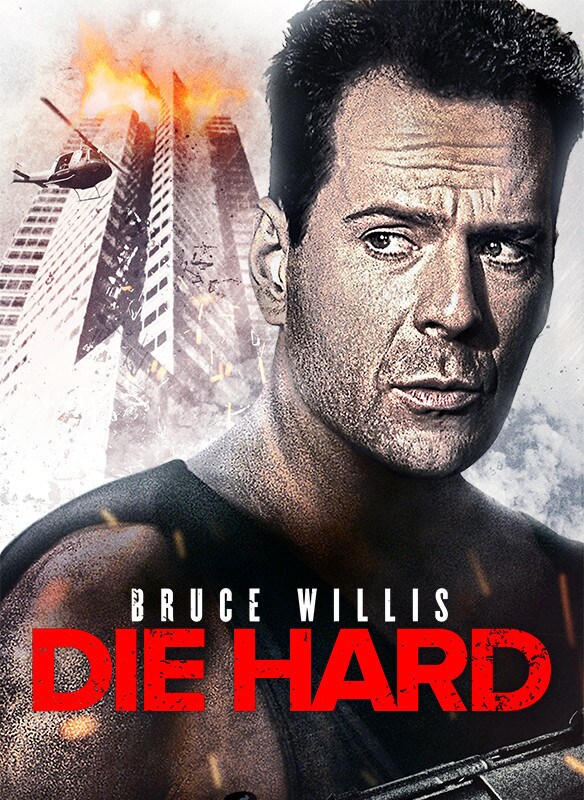
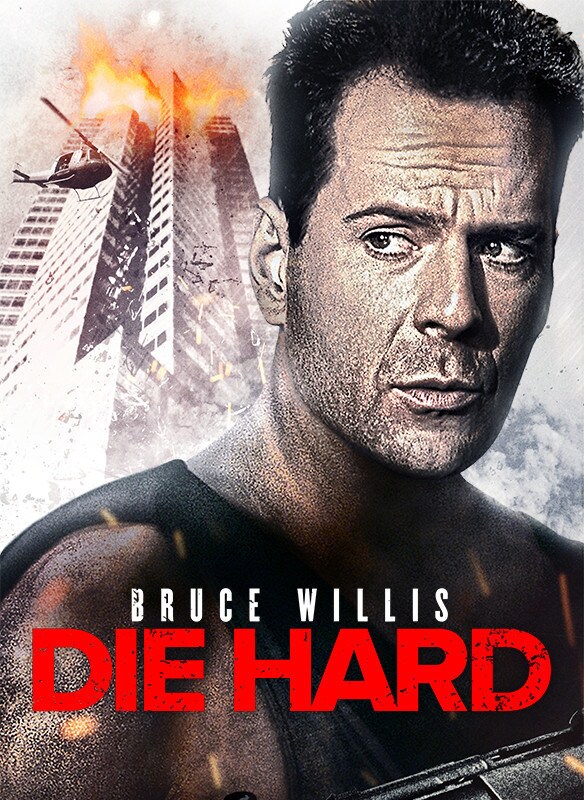
The film’s influence is undeniable, but its durability comes from how it joins uncertainty to physical risk. For action that builds suspense from an enclosed map, see Die Hard. The site’s separate Matrix 5 status report covers the later franchise’s current development rather than revisiting this film’s achievement.
Sources
Related coverage

John Wick Review: Clean Action, Lean Revenge
Keanu Reeves and Chad Stahelski make a simple revenge story compelling through readable movement and a criminal world sketched with restraint.

Speed Review: One Simple Rule, Constant New Problems
The bus premise keeps Speed focused, while Keanu Reeves and Sandra Bullock turn mechanical suspense into a lively partnership.

Aliens Review: A War Movie That Remembers the Horror
James Cameron turns Alien's isolated nightmare into a squad mission, but Ripley's trauma and the Marines' collapsing confidence keep the sequel tense.

Casino Royale Review: Bond Learns How Much a Win Can Cost
Daniel Craig gives 007 a rough edge, Eva Green makes the poker game personal, and Martin Campbell keeps the action tied to character.
About the author
Aram Anwar
Founder & Editor
Aram Anwar founded Red Reactions and writes across comics, gaming, movies and television. His work includes franchise guides and large Lore / Explained features, with an emphasis on separating confirmed details from reports, theory and speculation.
Coverage: Comics · DC & Marvel · Gaming · Movies & TV · Lore / Explained · Guides
More from Aram Anwar