feature · movies
Best Horror Movies for New Viewers
Seven spoiler-light horror movies for first-time viewers, from ghost stories and slashers to folk horror and a bracing body-horror classic.
 By Kenza Benouna8 min read
Horror does not have to begin with the most punishing film in the room. A good first watch is one that makes its scares legible: a clean premise, a strong mood, and a sense of what kind of discomfort it is asking for. The seven films below are not a ranking and they are not seven versions of the same recommendation. They are seven useful doors into the genre, whether you want a ghost story, a joke that turns nasty, a tense mystery or a classic that proves horror can be technically astonishing.
Streaming availability changes by country and over time, so check the service available where you live rather than relying on a blanket platform promise.
A quick tolerance guide
There are no fake scores here, just plain-language signals. Poltergeist and Insidious are the best fits for someone comfortable with jump scares and supernatural peril but not looking for sustained gore. The Others is the quietest option: dread, darkness and a mystery-first pace, with very little graphic violence. Scream is brisk, funny and bloody in a slasher way. Shaun of the Dead is openly comic, but its zombie violence is still visible. The Ritual favors isolation and mounting unease over constant shocks. The Thing is the one to save for when you are ready for explicit body horror; it is a masterpiece, not a soft landing.
Poltergeist (1982)
The original Poltergeist is a fine first lesson in the pleasures of a big, accessible haunted-house movie. An ordinary suburban family finds that something has taken an interest in their home, and the film turns domestic space — a television, a bedroom, a hallway — into places that suddenly feel unreliable. The set-up is direct enough that a new viewer can settle in quickly, while the craft keeps finding new ways to surprise them.
Its age is part of the appeal. The practical effects are tactile rather than polished into weightlessness, and the film moves with the confidence of an adventure as much as a nightmare. That energy makes it easier to take the ride even when the images get intense. The British Board of Film Classification notes strong supernatural threat and some gory imagery, so this is not a bloodless family fantasy. Still, the fear is built around spectacle, escalating hauntings and sharp jolts more than a grim, oppressive atmosphere.
Start here if you want to see how a mainstream horror movie can be scary without losing momentum. It is also a useful contrast with later paranormal films: the basic grammar of the modern haunted-house scare is already here.
The Others (2001)
If jump scares are not the attraction, The Others offers a different entry point. Alejandro Amenábar’s film follows Grace, a mother living with her children in a large, shuttered house where the rules of light and darkness matter. The premise is simple; the execution is patient. Rooms, curtains and footsteps carry more weight than action scenes, and Nicole Kidman’s controlled performance gives the story a human center.
This is horror as attention. The film asks you to listen to a house and notice what does not quite belong, rather than to brace for a new shock every few minutes. Its imagery is restrained and it has very little gore, although its subject matter includes unsettling ideas and emotional distress. That makes it a particularly good choice for viewers who like gothic mysteries, old houses and mood but are unsure about graphic horror.
Go in with as little plot knowledge as possible. The pleasure is in how carefully the film arranges information, and a spoiler-light introduction is all it needs.
Scream (1996)
Scream is one of the cleanest ways into the slasher because it understands both the thrill and the silliness of the form. A masked killer begins targeting teenagers in a small California town, and the characters are alert to the movie rules that usually govern people in their position. That self-awareness is not a substitute for suspense; it gives the suspense a quick, conversational rhythm.
The film is funny, fast and genuinely tense, with a killer whose costume makes the danger immediately readable. It is also bloody. The violence is stylized rather than lingeringly graphic, but anyone avoiding knife attacks or slasher violence should know that this is a horror-comedy hybrid only in its tone, not in its safety. New viewers often find that its humor makes the genre feel welcoming without draining the stakes.
Avoid plot summaries beyond the set-up. The film’s mechanics are part of the fun, and the less you know about its turns, the better it plays.
Shaun of the Dead (2004)
Edgar Wright’s Shaun of the Dead makes a persuasive case that horror and comedy can sharpen each other. Shaun is drifting through an unremarkable London life when a zombie outbreak forces him to become more decisive than he has ever been. The joke is never that the threat is fake; it is that real danger arrives in a world of routines, pub plans and bad timing.
That tonal balance makes the film a smart choice for a nervous newcomer. The comedy gives you room to breathe, the characters are easy to follow, and the zombie framework makes its rules clear. But it is important not to oversell the comfort factor: there is strong, bloody zombie violence, even when the movie stages it with a comic snap. If you can handle visible gore but want it buffered by warmth and wit, this is the pick.
It also helps establish a useful horror truth: laughter is not the opposite of fear. Sometimes it is what lets a film make a frightening situation feel more immediate.
Insidious (2010)
The original Insidious is a compact introduction to the modern supernatural scare. A family moves into a new home and finds itself dealing with an escalating presence after their son falls into an unexplained coma. The film uses dark corners, sudden appearances and a deliberately heightened soundscape to create an old-fashioned haunted-house rhythm in a contemporary setting.
It is a good gateway for viewers who want obvious, immediate scares rather than a slow-burn puzzle. Expect frequent jump scares, eerie faces and mounting supernatural threat; do not expect much explicit gore. The film’s willingness to be theatrical is a strength. Its visual and sonic choices are bold enough to feel memorable, but the core situation stays easy to track.
If the world catches your interest, Red Reactions has a spoiler-conscious guide to the rules of the Further and an Insidious timeline explainer. Save both until after the first film if you want to preserve its discoveries.
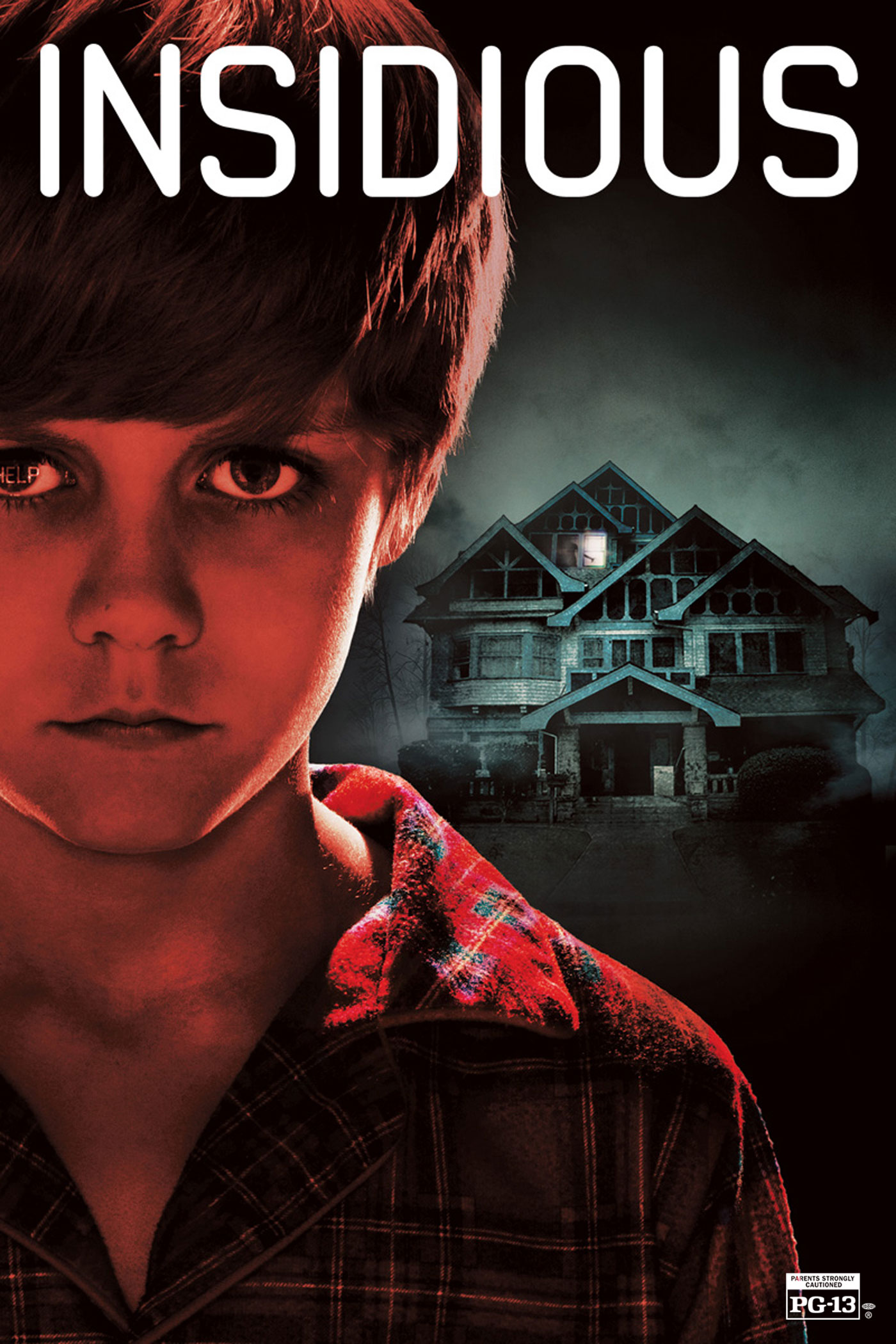
The original film’s official poster. Credit: Sony Pictures / FilmDistrict.
The Ritual (2017)
The Ritual shifts the beginner conversation from haunted rooms to open country. Four friends hike through the Swedish wilderness and make a decision that leaves them increasingly cut off from the route they expected to follow. Netflix’s film lets grief, old resentments and the forest itself do much of the frightening before it asks for anything more explicit.
That makes it a good next step for someone who has learned they prefer atmosphere to a barrage of jolts. There are scary images, moments of violence and a sustained feeling of isolation, but the film’s most effective tool is uncertainty: what might be nearby, how far the group has strayed, and whether the friends can keep trusting one another. It is more intense than The Others, yet it remains rooted in character and landscape.
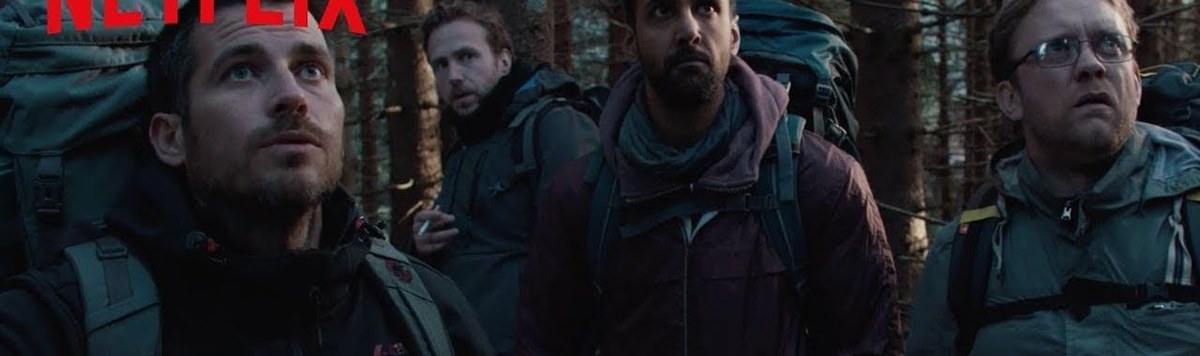
The friends enter the forest in The Ritual. Credit: Netflix.
For a fuller discussion after watching, read our spoiler-light review of The Ritual. Its sense of place also makes it a useful bridge between supernatural horror and folk horror.
The Thing (1982)
John Carpenter’s The Thing is the advanced option here, but it belongs in a beginner guide because it shows how many things horror can do at once. At an isolated Antarctic research station, a group of men confronts a threat that can imitate living beings. The setting turns every conversation into a question of trust, and the filmmaking makes paranoia as important as the creature effects.
Those effects are extraordinary, but they are not mild. Expect explicit body horror, gore and grotesque transformations. This is the one recommendation to postpone if you know that flesh-distortion imagery is a hard limit. For everyone else, it is a remarkable example of practical effects serving suspense rather than replacing it: the film’s most unnerving question is not merely what the threat looks like, but who can be believed.
Watch it when you are ready for horror that is colder, harsher and more graphic than the other six. It is still remarkably direct — a contained setting, a clear danger, a cast trapped together — which makes it an ideal first classic once your tolerance has caught up with your curiosity.
Where to go after these seven
The point of a starter list is not to declare a finish line. It is to help you recognize which part of horror you want more of. If you liked the supernatural rules and jump scares, the world of the Further offers a deeper rabbit hole. If atmosphere and dread were the draw, The Ritual points toward more folk-horror territory. If you found yourself enjoying the formal playfulness of Scream or the comedy of Shaun of the Dead, you have already found proof that horror can be funny, stylish and frightening in the same scene.
Choose one that matches your tolerance guide, keep the plot details light, and let the genre meet you where you are.
Sources
Related coverage

Apocalypse Z: New World Teaser Confirms October 30 Prime Video Release
The first Apocalypse Z: New World teaser confirms an October 30 Prime Video release, a Canary Islands refuge, and a mainland supply mission. Here is what Prime Video has actually announced.
The Social Reckoning Is a Companion to The Social Network — What to Know Before October 9
Sony calls The Social Reckoning a companion piece to The Social Network. Here is how Aaron Sorkin's new film connects, what changes and when it opens.
Other Mommy Is Based on Incidents Around the House — What Jessica Chastain's Horror Movie Is Adapting
Yes, Universal's Other Mommy adapts Josh Malerman's Incidents Around the House. Here is the spoiler-light connection between the 2024 novel, Jessica Chastain's dual role and the October 9 release.
National Treasure Watch Order — What to Rewatch Before National Treasure 3
National Treasure 3 doesn't have a release date yet, but here's the practical watch order, what Page 47 actually established, and whether Edge of History is required viewing before it arrives.
About the author
Kenza Benouna
Movies, TV & Horror Writer
Kenza Benouna writes about movies and television, with a substantial archive in horror. Her Red Reactions work includes reviews, supernatural and franchise lore, story explainers and analysis of character, atmosphere and adaptation.
Coverage: Horror · Movies · TV · Reviews · Lore & Features
More from Kenza Benouna