lore · movies
The Further Explained: How Insidious' Supernatural Realm Actually Works
What is The Further in Insidious? Here's how Travelers, possession, red doors, time and the new Courier ability work across all six films.
 By Kenza Benouna16 min read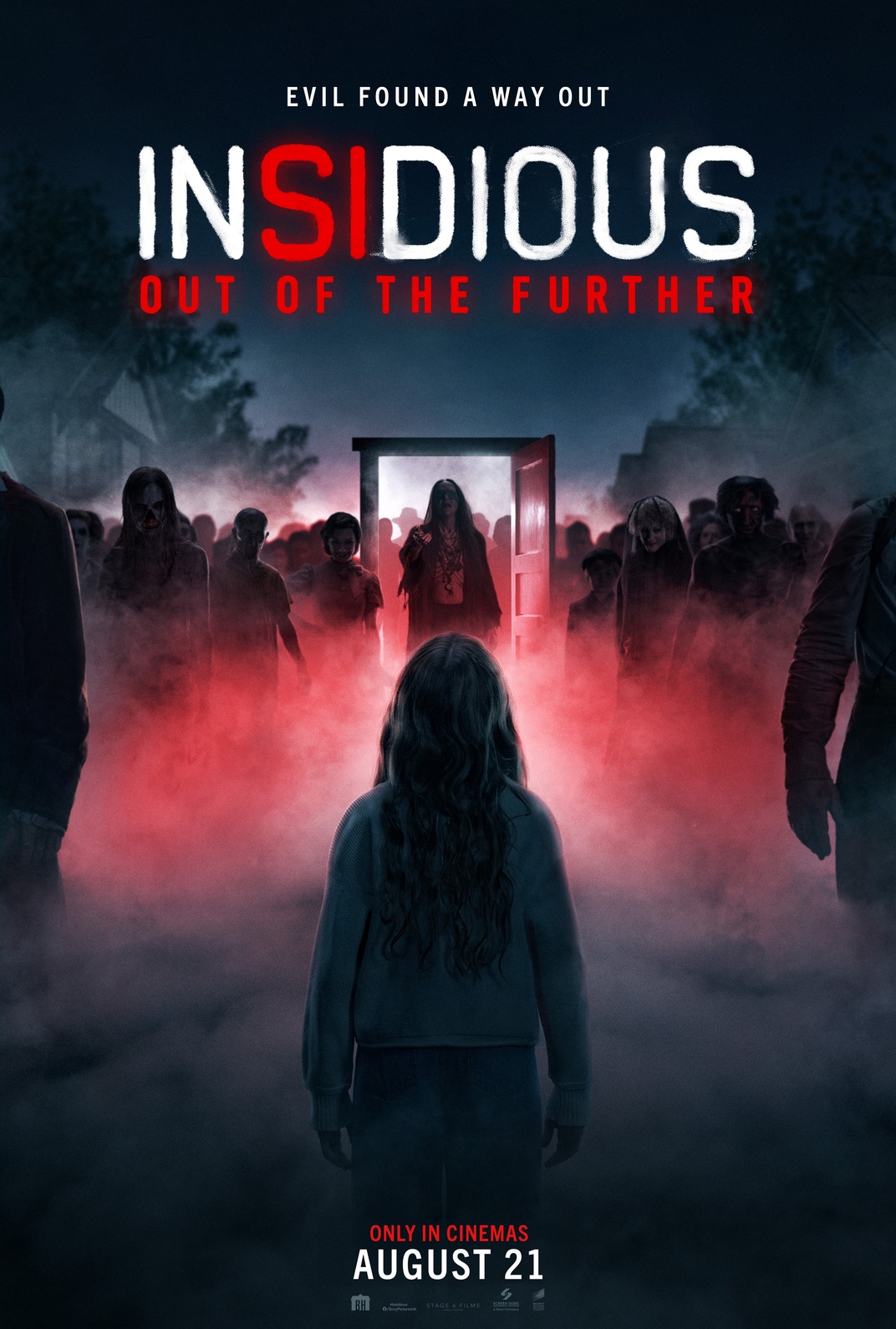
The Further is the one piece of Insidious mythology every film comes back to, but the rules are easier to understand than six movies make them look.
At its core, The Further is a supernatural realm inhabited by dead souls and hostile entities, existing alongside the physical world without following ordinary time or space. Living people known as Travelers can reach it through astral projection. Their bodies stay behind, which creates an opening for spirits that want to take them.
Insidious: Out of the Further adds a second ability to that system. A Courier can still enter the Further spiritually, but can also move physical objects and supernatural beings across the boundary between the Further and the real world.
That is the biggest rule change the franchise has made so far.
Spoiler warning: This explainer covers supernatural rules and major events from all six Insidious films, including Out of the Further.
If you are trying to place those events first, read our complete Insidious timeline. For the sixth film’s finale, we also have an Out of the Further ending explainer.
What exactly is The Further?
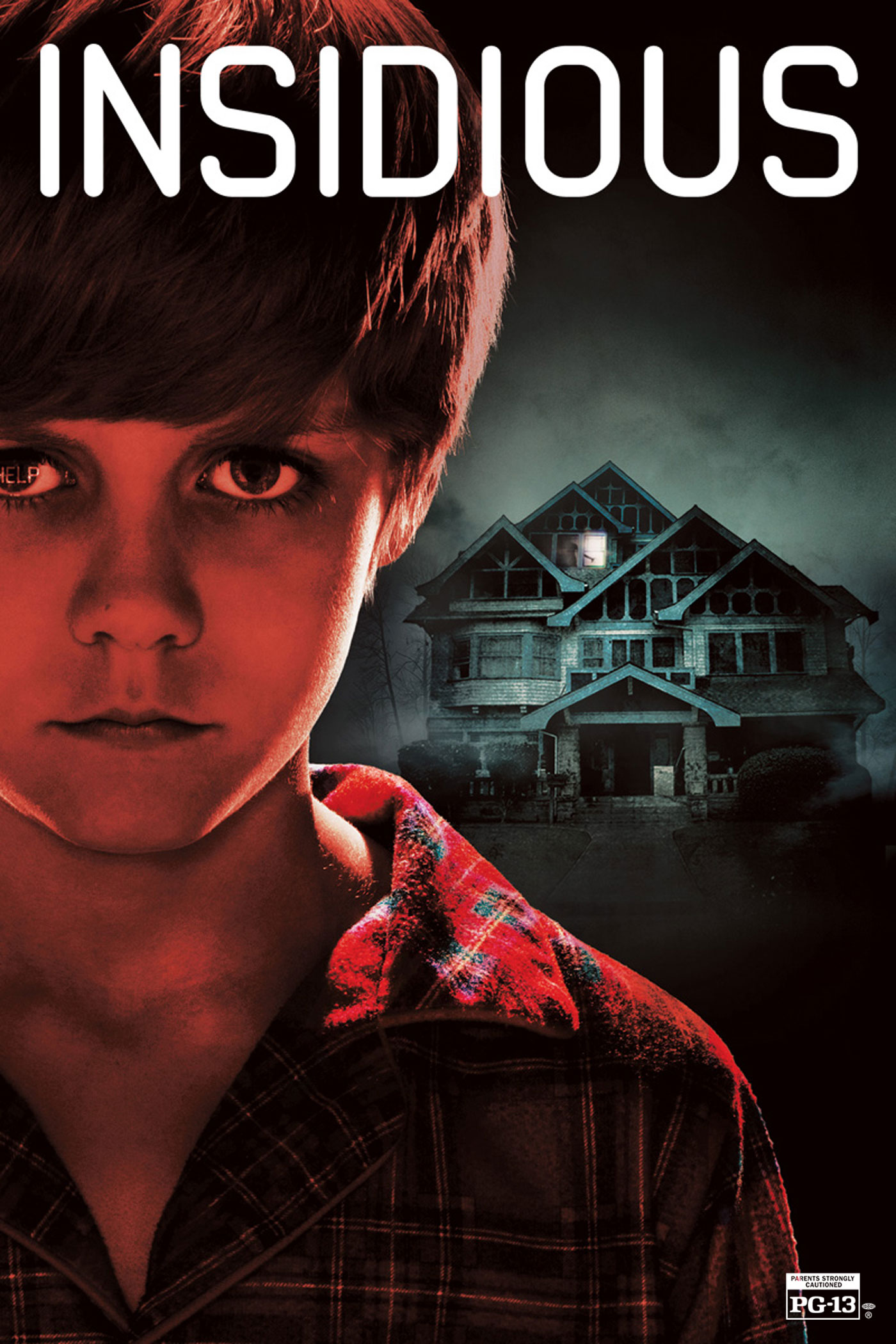
Official key art for Insidious. Credit: Sony Pictures.
The first Insidious establishes the basic idea through Elise Rainier.
She describes the Further as a realm beyond the physical world and, crucially, “a place without time as we know it.” Dalton has travelled too far into it while astral projecting and can no longer find his way back to his body.
Sony now uses even more direct language. Its official page for Insidious: Out of the Further calls the Further a purgatorial realm of lost souls.
That does not mean the films have given us a complete religious map of the afterlife. The series has never cleanly established that the Further is Hell, Heaven, or the destination of every person who dies.
What it has established is much narrower:
- dead human spirits can exist there
- non-human or demonic entities exist there
- living people can reach it through supernatural means
- places in the Further can resemble distorted versions of real locations
- ordinary time does not apply there
- entities inside it can sometimes affect the living world
Calling it a supernatural or purgatorial realm is therefore safer than trying to define exactly where it sits in the franchise’s afterlife.
What is a Traveler in Insidious?
“Traveler” is not just fan terminology. Elise uses the term in the original movie for people capable of leaving their physical bodies and moving around in astral form.
Dalton Lambert is the clearest example.
He has been astral projecting in his sleep since childhood, initially believing the experiences are dreams. He eventually travels so far that he becomes lost in the Further.
Josh has the same ability. The first film reveals that Dalton inherited it from his father, while Chapter 2 expands on Josh’s childhood experiences.
Elise can also enter the Further while alive. Sony’s official Chapter 3 synopsis explicitly describes her venturing back into the realm while helping Quinn Brenner.
The basic Traveler rule is:
The consciousness or astral self travels. The physical body stays behind.
That distinction becomes extremely important once Couriers appear.
Why is astral projection dangerous?
When Dalton disappears into the Further, his body does not die.
It remains alive but effectively vacant.
Elise explains that the spirits around him recognize that empty body as an opportunity. Some crave life again. Others have more deliberately violent goals.
That is why the first movie is not really a story about a haunted house.
The Lamberts move and the supernatural activity follows them because the target is Dalton.
His body is the doorway.
How do entities find their targets in the first place? This is one of the franchise’s genuinely under-specified rules, and worth being honest about rather than filling in with a guess. What the films repeatedly show, as a pattern rather than a stated rule, is that entities gravitate toward people already connected to the Further — Travelers whose astral projection gives spirits something to follow, and people whose bodies are left vacant long enough to become an opening. The Lipstick-Face Demon does not simply wander into the Lambert house at random; Dalton’s own astral projecting is what puts him on its radar. But no film ever states the actual mechanism — whether entities sense astral activity directly, are drawn to a specific vulnerability, or track people some other way. Treat “entities are drawn to people connected to the Further, especially while their bodies are vacant” as the safe pattern, and anything more specific about how that tracking works as interpretation, not canon.
The same danger later applies to Josh. When he returns from the Further at the end of the original film, the real Josh has not actually regained control of his body. Parker Crane — the Bride in Black — has taken it instead.
That possession becomes the central problem in Insidious: Chapter 2.
How does possession work?
Possession in Insidious is related to astral projection, but the franchise does not present one universal checklist that every entity must follow.
The clearest example is Dalton.
His prolonged absence leaves his body open to spirits attempting to enter it.
Josh’s story then demonstrates that one of those entities can successfully take control. Parker Crane occupies Josh’s body while Josh remains trapped outside it.
The Red Door returns to the same danger when Dalton’s renewed connection to the Further exposes him again.
So there is an important difference between several things that often get grouped together:
Astral projection means a living person’s consciousness leaves the body.
Being trapped in the Further means that consciousness cannot get back.
Possession means another entity gains control of the body.
Haunting is broader. Spirits can appear, stalk or influence people without necessarily possessing them.
The movies blur those boundaries occasionally, but they are not the same event.
What is a Courier?
This is where Out of the Further changes the mythology.
Sony’s official premise says Gemma can enter the Further and also bring what lives there back to the real world.
The movie calls her a Courier.
Post-release coverage from Nerdist breaks the mechanic down further: Couriers can move both physical and spiritual things in and out of the Further.
That does not mean Gemma simply walks into the realm with her physical body.
The distinction is more interesting than that.
A Traveler projects spiritually into the Further while physical matter stays where it belongs. A Courier can make physical matter cross that boundary too.
The movie demonstrates this in both directions. Gemma can return with an object that originated during an encounter in the Further, send physical matter into the realm, and eventually use the same principle on a much larger scale.
Traveler vs Courier
| Ability | Traveler | Courier |
|---|---|---|
| Enter the Further spiritually | Yes | Yes |
| Physical body remains in the living world during normal projection | Yes | Yes |
| Bring physical objects across the boundary | Not established | Yes |
| Move spirits/entities toward the physical world | Not through the Traveler ability itself | Yes |
| Send physical matter into the Further | Not established | Yes |
| Known family inheritance | Josh → Dalton | Ingrid → Gemma → Maya |
The sixth film presents Ingrid, Gemma and Maya as three generations connected to the same rare ability. It is fair to call the power inherited within their family. The film does not need a broader rule saying that every Courier ability must always pass through mothers and daughters.
Why Couriers are more dangerous to the real world
For most of the franchise, a spirit that wants a body has to exploit somebody already connected to the Further.
A Courier changes the scale of the problem.
Cyrus Lam does not simply want to possess Gemma. He wants to exploit her ability as a route out.
That is why producer James Wan’s explanation of the sixth film matters: the new threat is the Further beginning to leak into the physical world in a way the earlier films had not allowed at the same scale. Leigh Whannell has likewise described the original concept as one in which people went into the Further in spirit rather than body; the Courier idea asks what happens when physical things can make the trip too. Those comments are reproduced in Nerdist’s post-release Courier breakdown.
So Out of the Further does not throw away the Traveler rules.
It adds a second layer to them.
Can the ability to enter the Further be suppressed?
Yes, at least temporarily.
Josh’s childhood memories of astral projection are suppressed after Elise’s intervention. At the end of Chapter 2, Josh and Dalton again have their memories of the Further suppressed.
That appears to break their conscious connection to it for years.
But The Red Door shows that suppression is not the same as permanently removing the underlying ability. Dalton’s buried memories begin resurfacing at college, while Josh starts confronting the gaps left in his own past.
It is safer to describe the process as memory suppression that also suppresses access, rather than claiming the films establish a precise neurological rule for how the power itself is switched off.
How does someone actually escape the Further?
The films establish this as an explicit, repeated pattern: nobody gets out alone.
Chapter 2 shows the clearest version. With Josh trapped and Parker Crane in control of his body, Carl ventures into the Further and finds Josh and Elise’s spirits there. Because the Further does not run on ordinary chronological time, adult Josh is even able to communicate with a younger version of himself to help locate Parker’s house. Dalton then voluntarily re-enters the Further specifically to help his father, and it is Dalton who leads both Josh and Carl back to the living world — restoring Josh’s control over his own body.
That establishes a consistent shape across the franchise: escape requires either an outside Traveler entering the Further to guide someone back, or a living connection strong enough to pull a trapped consciousness home. It is not something the films depict a person managing through willpower alone once they are lost. What the movies do not supply is a universal step-by-step method — no spell, ritual or fixed rule that guarantees a safe return. Some escapes are guided rescues; others, as with Elise’s own death in the original film, do not happen at all.
Does dying in the Further mean dying in reality?
This is a different question from whether spirits can be permanently destroyed, and the franchise keeps the two separate.
What is explicit: a Traveler’s physical body and their astral self are two different things while they are projecting. The body stays alive but vacant in the real world; harm to the astral self in the Further does not automatically show up as physical injury back home. Elise dies in the original film from a physical attack in the real world, not from anything that happened to her astrally — so her death is not an example of “dying in the Further.”
What is a repeated pattern, not a stated rule: characters who are lost, trapped or overtaken in the Further do not die outright as a result. Dalton is missing in the Further for the entire first film and returns unharmed once he is found. Josh’s body survives Parker Crane’s possession for the length of Chapter 2. The danger the films consistently depict is losing control of the body — possession, or permanent entrapment — rather than the astral self “dying” and the physical body dying with it.
Whether an astral self can be destroyed in a way that kills the physical body too is never tested on screen. Treat that specific scenario as unconfirmed, not disproven.
Does the Further have layers or regions?
The films gesture at depth without ever formalizing a map, so this is worth being precise about.
Sony’s own synopsis for The Last Key describes Elise traveling “deeper” into the Further to confront a threat tied to her childhood — language the film backs up visually, showing areas that feel more remote and more hostile than the “shallower” spaces closer to a Traveler’s own home. That is a repeated pattern: later films consistently associate greater danger with going further into the realm, not a flat, single-room space.
What the franchise has not done is name or formally define distinct regions, levels or a fixed geography. There is no on-screen equivalent of a map with labeled areas. Calling the Further “layered” in the loose sense that some parts are worse than others is supported by the films. Calling it a structured, multi-level realm with defined boundaries between levels would be overstating what’s actually been shown.
Why time behaves strangely in The Further
Chapter 2 is the film that makes the Further’s relationship with time impossible to ignore.
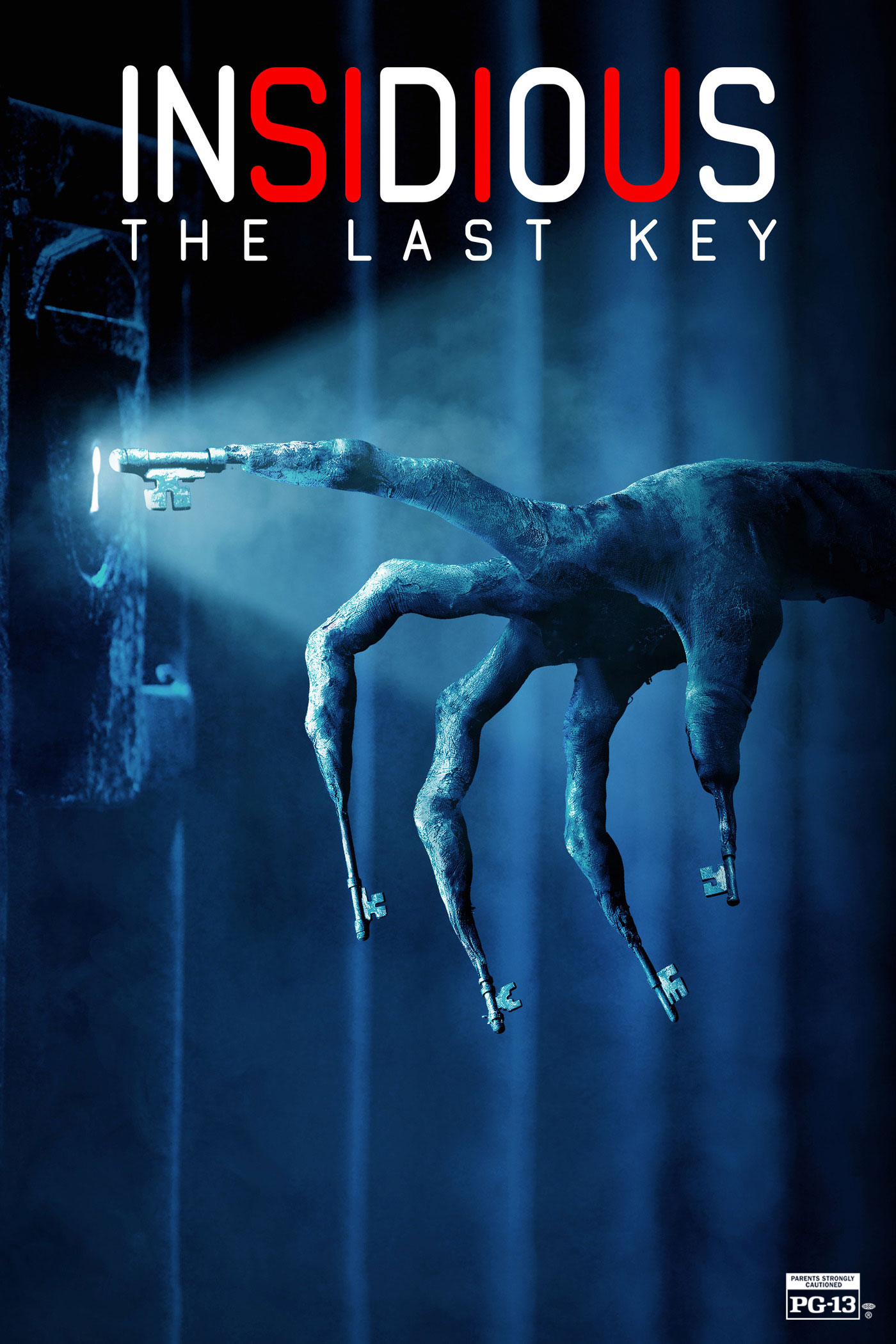
Official key art for Insidious: The Last Key. Credit: Sony Pictures / Screen Gems / Blumhouse.
Adult Josh encounters events connected to his own childhood. The sequel reveals that supernatural disturbances seen in 1986 were connected to actions taken by Josh from the Further years later.
That fits the original description of the realm as a place where time does not work normally.
It is tempting to give this a hard science-fiction label and call the entire Further a closed time loop. The movie certainly presents closed-loop-like events in which the future and past are already connected.
But Insidious never publishes a rulebook saying every point in time is equally accessible or that Travelers can deliberately choose a date like a time machine.
What we know is simpler:
The Further can connect events that are separated by normal chronological time.
How much control anyone has over that remains unclear.
What do the red doors actually mean?
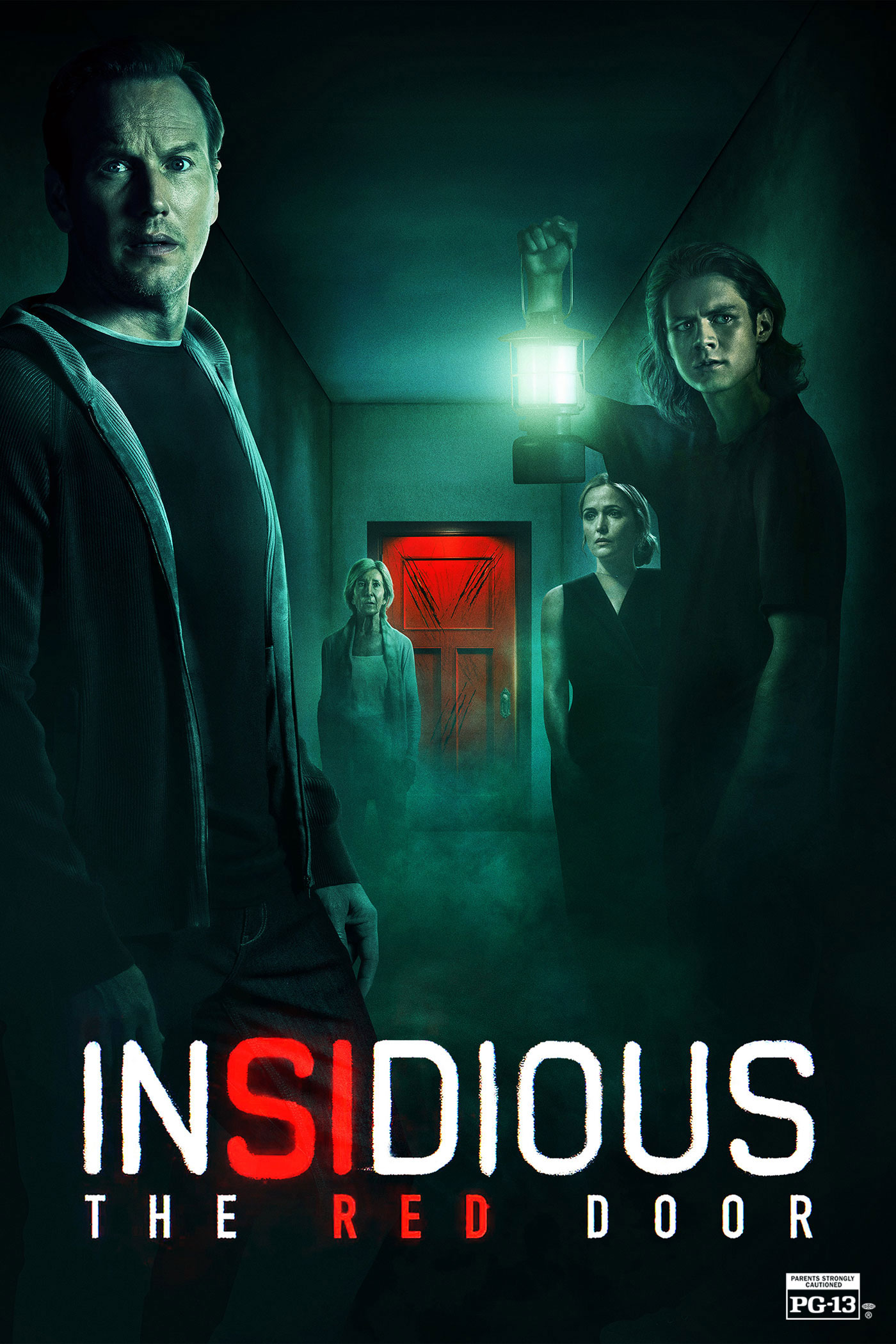
Official key art for Insidious: The Red Door. Credit: Sony Pictures / Screen Gems / Blumhouse.
Red doors are one of the franchise’s strongest recurring images, but the films do not establish a single sentence such as “every red door is exactly this kind of portal.”
They repeatedly function as thresholds.
The Lipstick-Face Demon has a red door connected to its domain.
The Last Key uses doors and KeyFace’s imagery around confinement, access and control. Sony’s official synopsis specifically sends Elise deeper into the Further while confronting the demon tied to her childhood.
In The Red Door, the door also becomes tied to Dalton’s buried trauma. His painting gives that suppressed threat a physical image in the living world, and covering the painted door helps seal the supernatural one.
So the safest rule is not “red doors are portals.”
It is:
Red doors repeatedly mark boundaries between people, memories, entities and parts of the Further — and crossing one is rarely harmless.
Why can Elise still appear after she dies?
Elise is killed near the end of the original Insidious, but death does not remove her from the franchise’s supernatural world.
That is completely consistent with the Further containing dead human spirits.
What the films do not establish is a special rule explaining why Elise retains her personality because she died heroically, while hostile spirits became monstrous because they died angry.
That would be an interpretation, not canon.
The actual evidence is straightforward: Elise remains recognizably herself after death and continues helping the living.
In Chapter 2, her spirit assists Josh and the others inside the Further.
The Red Door again shows her after death.
And in Out of the Further, Elise communicates with Gemma through Clare, a living medium who allows Elise to channel through her. Reviews from Nerdist and other post-release outlets consistently describe Clare as Elise’s link to the material world.
The franchise has not explained exactly how much freedom Elise has in the Further or why some dead people remain coherent while others do not.
That unanswered question is part of the mythology, not a gap we need to fill ourselves.
Can spirits die inside The Further?
There is still no clean canon answer.
This is one of the easiest areas to overstate.
Characters and entities are attacked, weakened, banished or apparently destroyed throughout the films. But the franchise has never clearly established a universal second-death rule explaining when a spirit ceases to exist permanently.
Out of the Further makes that uncertainty especially obvious with Cyrus Lam.
The climax leaves Cyrus attacked by the beings he failed, yet the mid-credits scene shows that his spirit still exists inside the Further.
That means physical-looking destruction inside the realm does not automatically equal permanent erasure.
But the opposite claim — nothing can ever be destroyed in the Further — would also go beyond what the films establish.
For now, the accurate answer is:
Spirits can be defeated, trapped or dispersed, but the franchise has not defined what permanently destroys one.
Does The Further affect the real world?
Yes. It always has.
Possession is the most obvious example.
Spirits can also manifest around people connected to the Further, interact with their surroundings and create physical danger even when nobody deliberately opens a portal.
What changes in the sixth movie is matter transfer.
A Courier turns something that used to be mostly a spiritual connection into a two-way transport problem.
That is why Sony markets Out of the Further as a story that “redefines what The Further is capable of.” The claim is not just advertising language; it describes the new mechanic at the center of the film.
How each Insidious movie expands The Further
The mythology was not dumped into one movie. Each installment adds something.
Insidious
Introduces Travelers, astral projection, the empty-vessel danger and the Further itself.
Insidious: Chapter 2
Shows how possession can continue after a Traveler returns and reveals that the Further can connect events across different points in time.
Insidious: Chapter 3
Puts Elise herself deeper into the realm and expands the idea that individual entities can target vulnerable living people before the Lambert haunting.
Insidious: The Last Key
Builds out Elise’s personal history, KeyFace and the idea of supernatural spaces shaped around imprisonment, fear and control.
Insidious: The Red Door
Returns Josh and Dalton to suppressed memories and makes the red door a direct boundary between their unresolved past and the Further.
Insidious: Out of the Further
Introduces Couriers and establishes that physical matter and spirits can be transported across the barrier rather than only a person’s astral consciousness making the journey.
That last change is why the sixth film matters to the lore even if the Lambert family is no longer at the center of the story.
So what are the actual rules of The Further?
After six movies, these are the safest rules to treat as canon:
- The Further is a supernatural/purgatorial realm connected to the physical world.
- Dead souls and hostile entities exist there.
- Travelers can reach it through astral projection.
- A Traveler’s physical body remains behind and can become vulnerable.
- Spirits can attempt to possess living bodies.
- Time in the Further does not behave like ordinary chronological time.
- Red doors commonly function as supernatural thresholds, but not under one fully defined universal rule.
- Dead people such as Elise can retain identity and communicate with the living.
- The films have not explained a universal way to permanently destroy a spirit.
- Couriers can move physical and spiritual things between the Further and the real world.
- Escaping the Further consistently requires outside help — a Traveler entering to guide someone back, not willpower alone.
- Some parts of the Further are consistently depicted as deeper and more dangerous than others, though the films never formalize named layers or regions.
The most important part is what is not on that list.
The franchise has never completely mapped its afterlife, established that every dead person enters the Further, explained exactly how demons originate, or supplied fixed rules for every red door and spirit.
That uncertainty is useful. The Further works because it has rules, but not enough rules to make it safe.
And after Out of the Further, the most dangerous boundary in the series no longer works in only one direction.
More Insidious guides
- Insidious: Out of the Further — everything we know — cast, story and how the sixth film came together
- Complete Insidious timeline — all six movies in chronological order
- Insidious: Out of the Further ending explained — Cyrus, Couriers and the mid-credits scene
- Insidious: Out of the Further review — whether the sixth film is worth watching
- Insidious franchise hub — full timeline and reading order for all six films
Make Red Reactions a preferred source
Choose Red Reactions as a preferred source in Google Search.
Confirm your choice on Google.
Related coverage
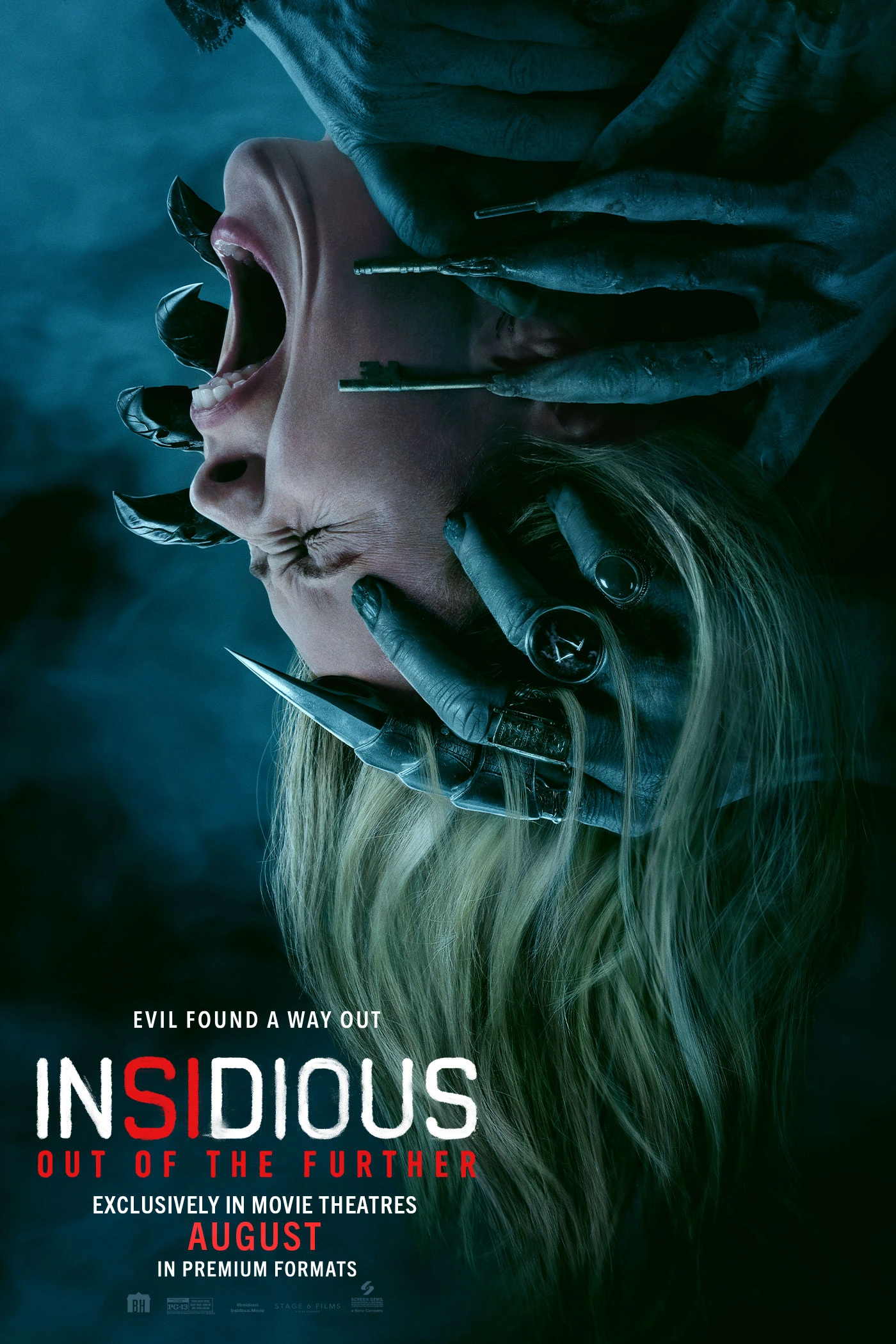
Insidious Timeline Explained: Where Out of the Further Fits
The Insidious timeline jumps between prequels, flashbacks and the Lambert saga. Here are all six movies in chronological order and where Out of the Further fits.
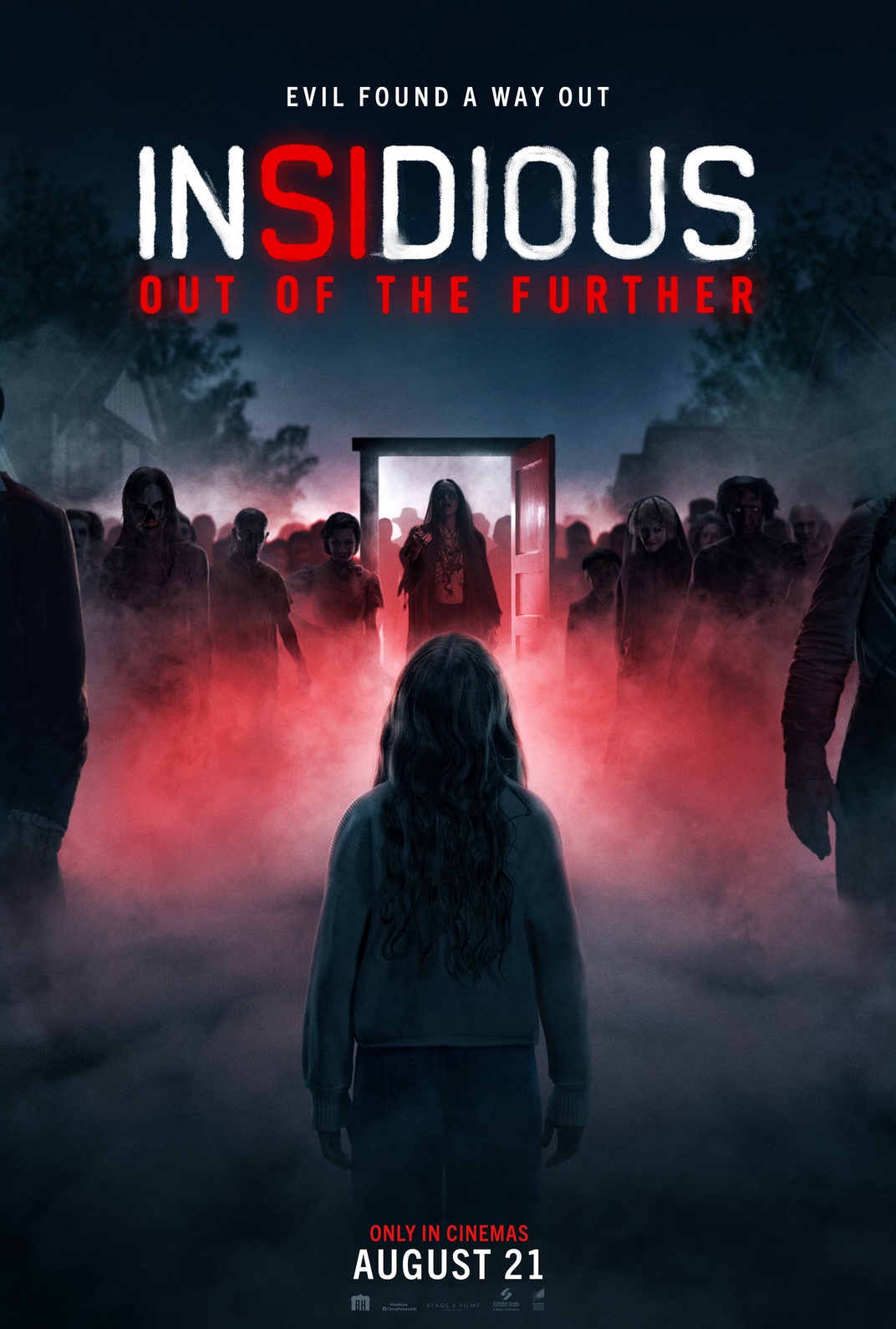
Insidious: Out of the Further Ending Explained: Cyrus, Couriers and the Mid-Credits Scene
Gemma's Courier power, Cyrus Lam's defeat, Ingrid's sacrifice and the mid-credits scene explained, plus what Out of the Further leaves open.
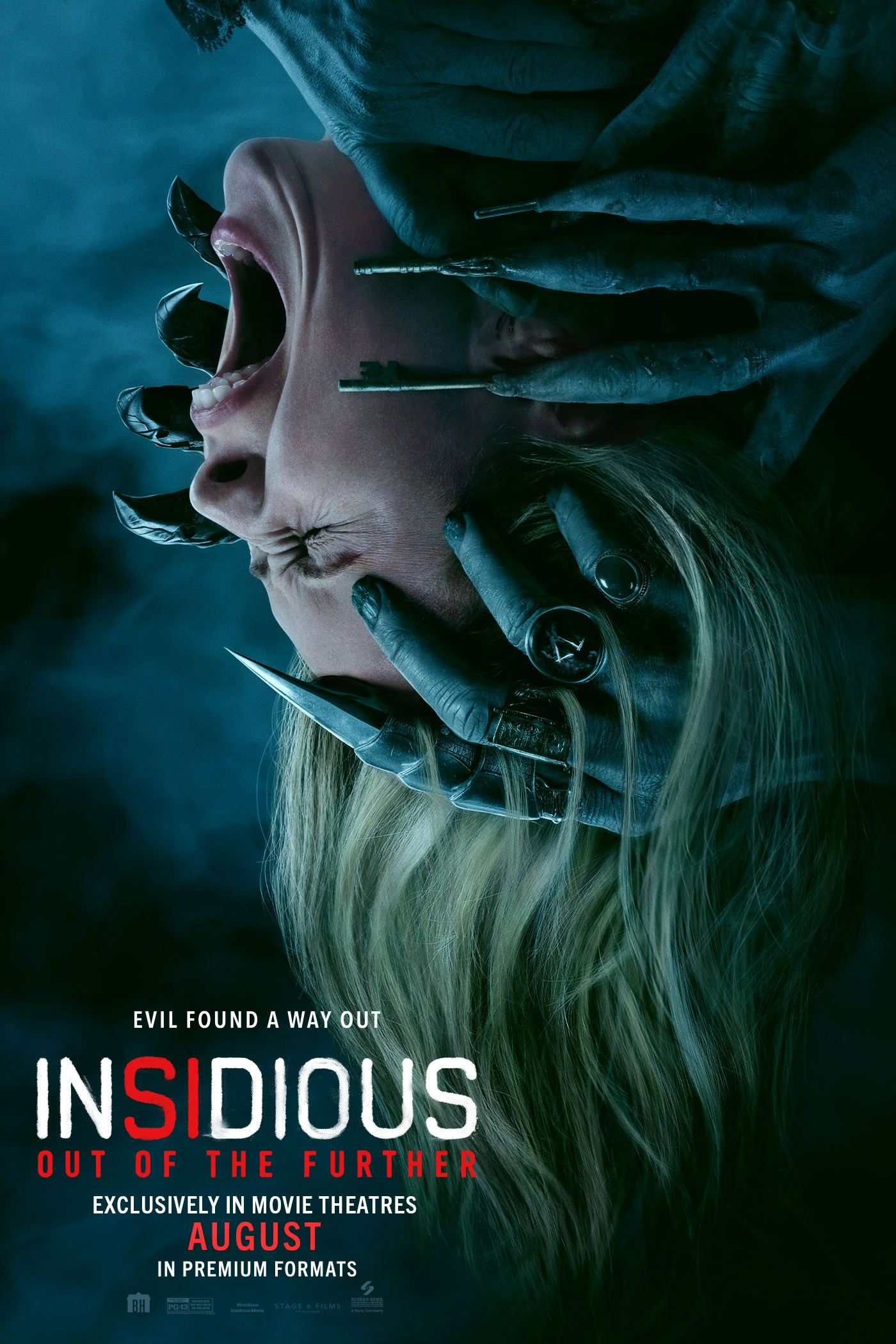
Insidious: Out of the Further — Everything We Know About the New Insidious Movie
Insidious: Out of the Further is now playing in theaters. This spoiler-light guide covers the confirmed cast, story, Elise's return, Cyrus, trailer and franchise connections.

Insidious: Out of the Further Review: The Franchise Finds a Genuinely New Idea
Insidious: Out of the Further gives the franchise its best villain in years and a genuinely fresh supernatural hook in Gemma's Courier ability, even when the plot around it gets crowded.
About the author
Kenza Benouna
Movies, TV & Horror Writer
Kenza Benouna writes about movies and television, with a substantial archive in horror. Her Red Reactions work includes reviews, supernatural and franchise lore, story explainers and analysis of character, atmosphere and adaptation.
Coverage: Horror · Movies · TV · Reviews · Lore & Features
More from Kenza Benouna