Movies Review
Mad Max: Fury Road Review: A Chase With a Clear Purpose
George Miller turns a near-continuous pursuit into readable action and a story of escape, with Furiosa and Max sharing the road rather than competing for it.
 By Bamo Anwar3 min read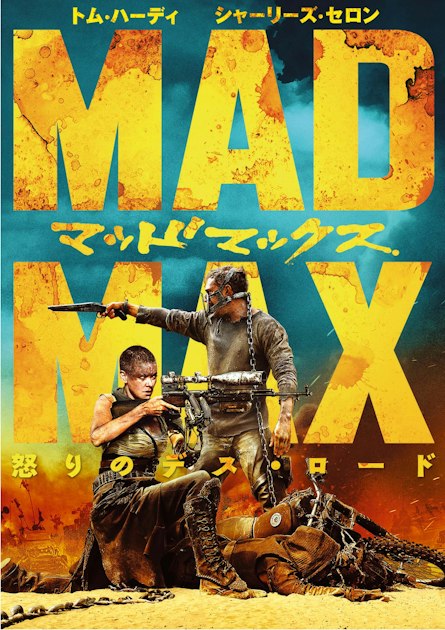
Mad Max: Fury Road is a chase film that rarely loses track of who is chasing whom, what each vehicle can do, or why escape matters. George Miller’s 2015 film deserves 8.5/10 for its visual precision and the force of Charlize Theron’s Furiosa. Its near-constant motion can leave some relationships thinner than its world, but that is a meaningful cost of a remarkably controlled design rather than evidence that the film has no story.
Furiosa gives the chase its direction
Furiosa has the plan; Max is initially another obstacle caught in its path. That arrangement lets the film use Tom Hardy’s wary, mostly physical performance without pretending the title character drives every choice. Theron plays Furiosa as a person whose urgency has a history the movie need not stop to explain. Her decisions tell us enough. The women she is helping are not simply cargo, although the film has less time for each of them than its larger politics would benefit from.
The partnership grows through work: driving, repairing, protecting and deciding when to trust. Miller often lets a handoff or glance carry more information than a speech. That economy makes the film’s emotional turns legible even while engines and explosions dominate the soundtrack.
Action you can actually read
The camera repeatedly places the next threat close to the center of the frame, allowing a cut to change scale without forcing the eye to search for the subject. More importantly, the convoy has stable relationships: a vehicle gains ground, a weapon changes hands, a route narrows. Set pieces develop in stages instead of resetting every few seconds. The production’s vehicles and performers give the action weight, while digital work and compositing are part of the finished image. Describing it as an entirely practical-effects film would miss how carefully those methods work together.
Color and design do narrative work, too. The hostile fleet is a moving hierarchy, while the War Rig feels like a workplace held together under impossible pressure. The saturated desert and blue night scenes separate phases of the journey without requiring a map or an explanatory title card.
The price of relentless momentum
Once the chase finds its rhythm, the film gives little room for quieter supporting characters to become as distinct as Furiosa and Max. Its mythology is striking but sometimes suggested more than explored. Viewers wanting a fully developed account of the Citadel’s social order will find a few compelling fragments rather than a complete picture.
That limitation does not undo what is on screen. Fury Road turns direction, editing, sound and production design into one continuous argument about control and escape. For another action film where spatial clarity carries a much smaller setting, see Die Hard; for a sequel that balances spectacle with a more explicit family story, see Terminator 2.
Sources
Related coverage
The 20 Best Action Movies of All Time
From Die Hard and Terminator 2 to The Matrix, Mad Max: Fury Road and The Raid, these are Red Reactions' 20 best action movies of all time.

Aliens Review: A War Movie That Remembers the Horror
James Cameron turns Alien's isolated nightmare into a squad mission, but Ripley's trauma and the Marines' collapsing confidence keep the sequel tense.

Casino Royale Review: Bond Learns How Much a Win Can Cost
Daniel Craig gives 007 a rough edge, Eva Green makes the poker game personal, and Martin Campbell keeps the action tied to character.
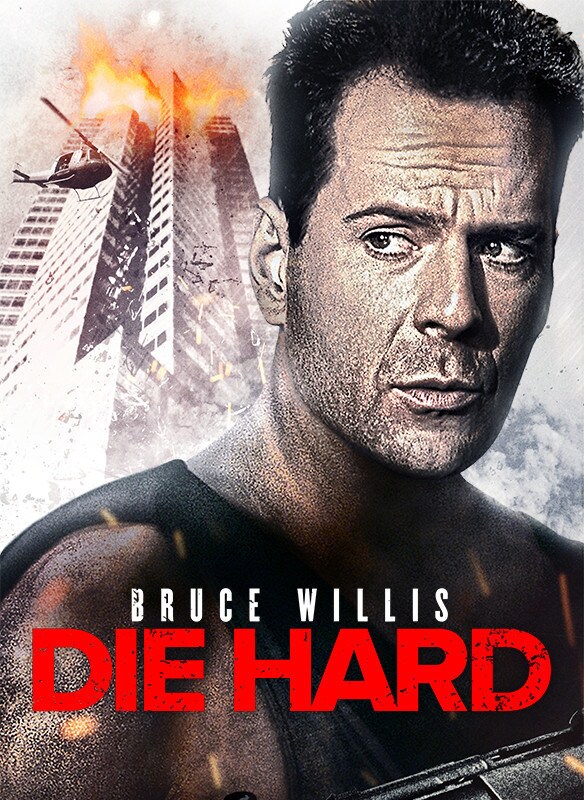
Die Hard Review: An Action Classic Built on Vulnerability
Die Hard still works because John McClane can be hurt, Hans Gruber can think, and Nakatomi Plaza gives every confrontation a place and a purpose.
About the author
Bamo Anwar
Anime & Gaming Writer
Bamo Anwar covers anime and gaming for Red Reactions. His work ranges from release news and detailed trailer breakdowns to beginner guides, watch orders and explainers designed to make large franchises and game systems easier to enter.
Coverage: Anime · Gaming · Beginner Guides · Watch Orders · Explainers
More from Bamo Anwar