Movies Review
Kill Bill: Vol. 1 Review: Style, Revenge and the Cost of Excess
Uma Thurman holds together Tarantino's shifts from martial-arts film to anime and blood-soaked spectacle, though the first volume is deliberately incomplete.
 By Bamo Anwar2 min read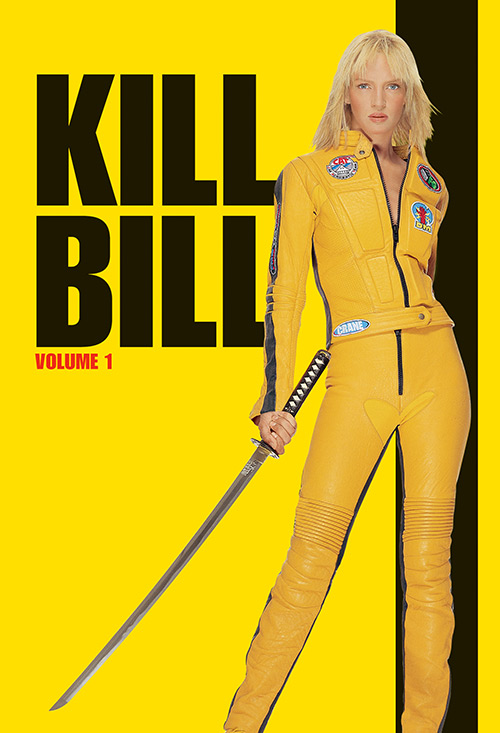
Kill Bill: Vol. 1 earns 8/10 as a dazzling, deliberately partial revenge film. Quentin Tarantino’s 2003 movie changes visual languages from chapter to chapter, while Uma Thurman’s Bride gives those changes a determined center. The variety is exhilarating when each style sharpens an encounter. It becomes less persuasive when a reference or burst of violence seems to be the scene’s whole point.
The Bride beneath the silhouette
Thurman gives the Bride more than an instantly recognizable costume. She plays impatience, pain and calculation through moments when the film could easily settle for coolness alone. Her forward drive is straightforward, and that simplicity lets Tarantino change tone without losing the audience’s place in the story. At the same time, Volume 1 withholds enough of her past that the character can feel more like an icon than a person between its strongest encounters.
The chapter structure treats each target as a different filmmaking problem. The anime section, rather than merely offering novelty, gives one backstory a visual distance from the live-action world while preserving its brutality. Other shifts are less integrated. The film is proud of its references, but recognition by itself does not make a borrowed shape emotionally meaningful.
The House of Blue Leaves tests the method
The extended Crazy 88 confrontation moves through distinct phases of space, number and tone. Thurman has to cross a crowded room, adapt to changing opponents and hold the sequence together through exhaustion. Color changes and bursts of stylized blood make the violence overtly artificial, yet the choreography still depends on readable movement. The scene works best when we can feel how one choice leads to the next.
Its scale also reveals the film’s limit. After enough opponents, repetition can make the human cost abstract. The extreme violence is central to Tarantino’s design, but it sometimes pushes sensation ahead of character. Because the film is only the first volume, its stopping point leaves emotional questions open that a self-contained review cannot pretend have already been answered.
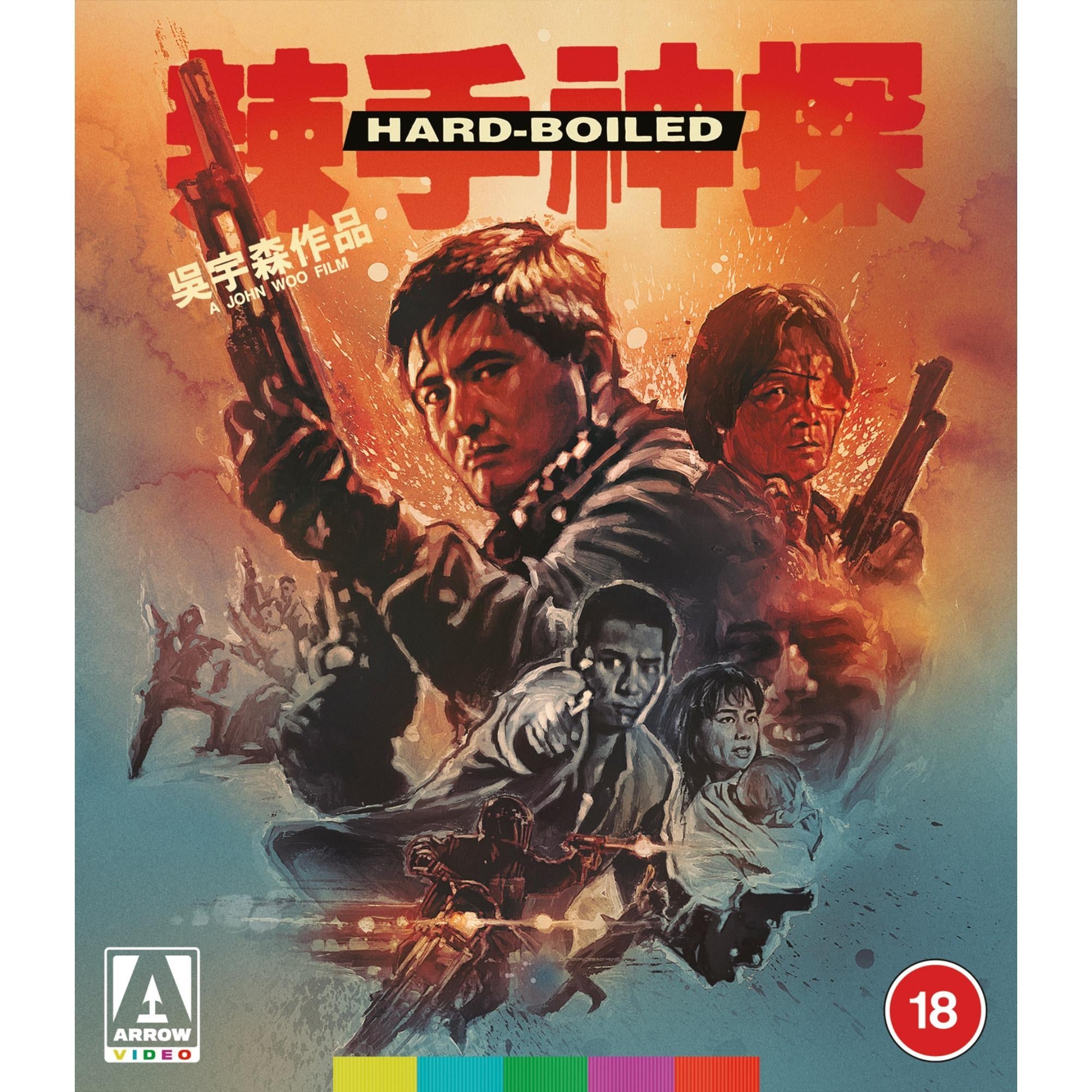
The score reflects both the energy of its construction and its incompleteness. Enter the Dragon uses a far simpler tournament framework to build toward a martial-arts climax; Hard Boiled shares Tarantino’s appetite for extravagant violence but ties its excess to a different kind of partnership.
Sources
Related coverage

Aliens Review: A War Movie That Remembers the Horror
James Cameron turns Alien's isolated nightmare into a squad mission, but Ripley's trauma and the Marines' collapsing confidence keep the sequel tense.

Casino Royale Review: Bond Learns How Much a Win Can Cost
Daniel Craig gives 007 a rough edge, Eva Green makes the poker game personal, and Martin Campbell keeps the action tied to character.
Die Hard Review: An Action Classic Built on Vulnerability
Die Hard still works because John McClane can be hurt, Hans Gruber can think, and Nakatomi Plaza gives every confrontation a place and a purpose.
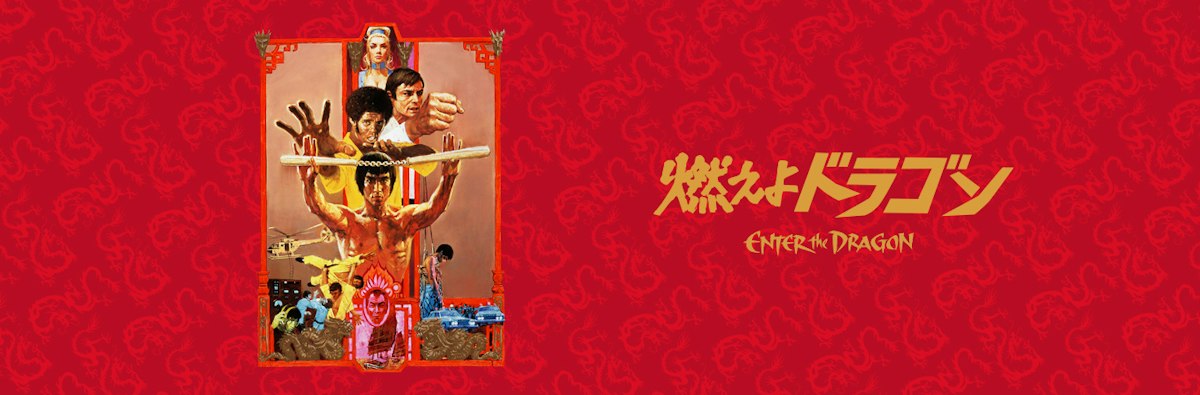
Enter the Dragon Review: Bruce Lee Makes Every Fight Count
Bruce Lee's command of movement gives a conventional tournament and espionage story extraordinary energy, even when its supporting plot is thin.
About the author
Bamo Anwar
Anime & Gaming Writer
Bamo Anwar covers anime and gaming for Red Reactions. His work ranges from release news and detailed trailer breakdowns to beginner guides, watch orders and explainers designed to make large franchises and game systems easier to enter.
Coverage: Anime · Gaming · Beginner Guides · Watch Orders · Explainers
More from Bamo Anwar