Movies Review
Enter the Dragon Review: Bruce Lee Makes Every Fight Count
Bruce Lee's command of movement gives a conventional tournament and espionage story extraordinary energy, even when its supporting plot is thin.
 By Bamo Anwar2 min read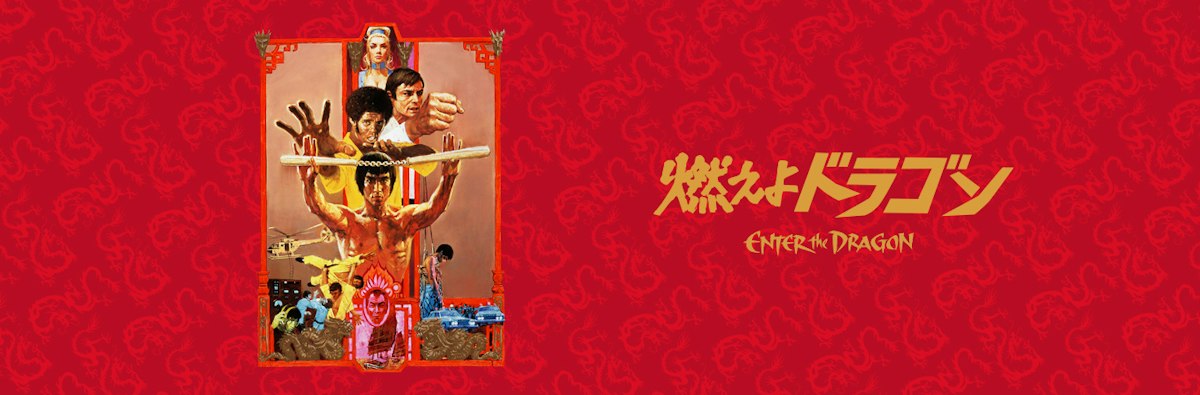
Enter the Dragon earns 8.5/10 because Bruce Lee gives its action a force that the surrounding espionage plot cannot always match. Robert Clouse’s 1973 film uses a tournament on a criminal’s island to bring together distinct fighters and styles. Its framework is efficient rather than intricate, and some supporting material now feels like a familiar genre shortcut. Lee’s precise, expressive physical performance makes the movie more than a set of historical talking points.
Lee’s economy is the attraction
Lee can change a fight’s temperature with a shift in stance or a pause before contact. His movement is fast, but the film lets us see the decision before the strike. He projects control without seeming effortless; when the fight gets harder, his breathing and attention change. That range makes him compelling even in scenes built from a simple objective.
The tournament structure gives the action a reason to vary. One contest is a public demonstration, another an attempt to gather information, and another a confrontation that strips away the game’s rules. The film’s espionage thread is less convincing as a mechanism than as a way to place Lee in increasingly hostile spaces. Its villains are broadly drawn, and the investigation rarely has the same interest as the fights it connects.
More than one presence on the island
Jim Kelly brings a loose, charismatic energy that contrasts with Lee’s concentration. John Saxon gives the ensemble a smoother, more opportunistic register. Neither supporting route is developed as fully as it could be, but their different approaches keep the island from feeling like a single corridor leading to Lee’s final opponent.
The mirror-room sequence is a fitting climax because it tests perception as much as speed. Its repeated images make position uncertain; the choreography has to solve that visual problem before force can settle anything. The device is memorable because it grows from the film’s concern with observation and deception, not merely because mirrors look striking.
The crossover legacy of Enter the Dragon matters, but it is not a substitute for judging the film in front of us. The espionage story is thin and several characters exist mostly to carry Lee toward another fight. Against that, Lee’s screen command and the clarity of the major encounters remain remarkable. For another action star who turns physical precision into comedy, see Police Story; for a more compressed modern martial-arts siege, see The Raid: Redemption.
Sources
Related coverage
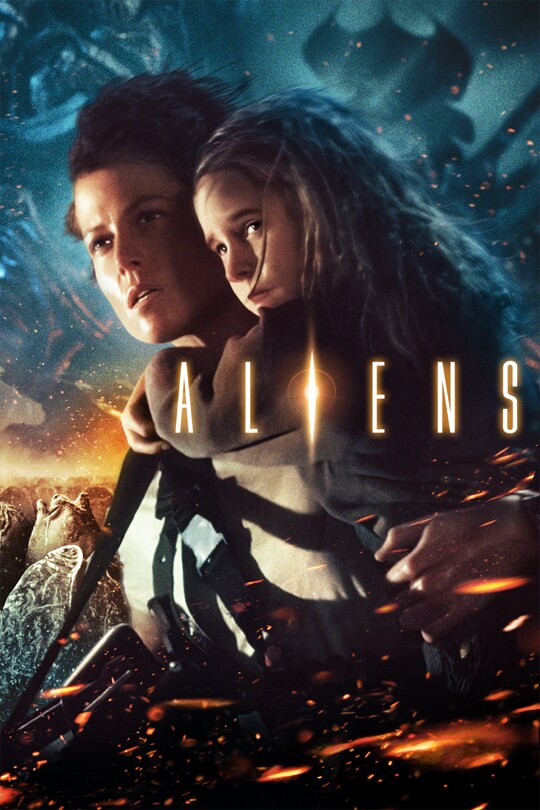
Aliens Review: A War Movie That Remembers the Horror
James Cameron turns Alien's isolated nightmare into a squad mission, but Ripley's trauma and the Marines' collapsing confidence keep the sequel tense.

Casino Royale Review: Bond Learns How Much a Win Can Cost
Daniel Craig gives 007 a rough edge, Eva Green makes the poker game personal, and Martin Campbell keeps the action tied to character.
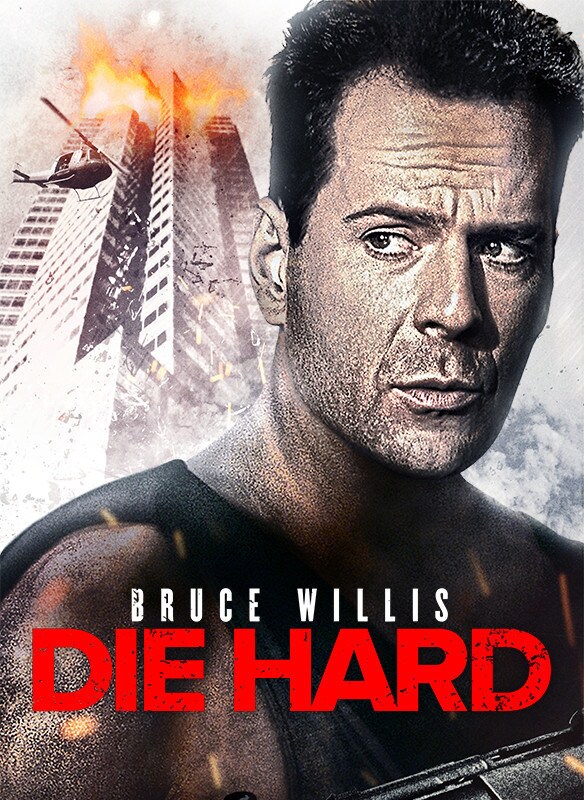
Die Hard Review: An Action Classic Built on Vulnerability
Die Hard still works because John McClane can be hurt, Hans Gruber can think, and Nakatomi Plaza gives every confrontation a place and a purpose.
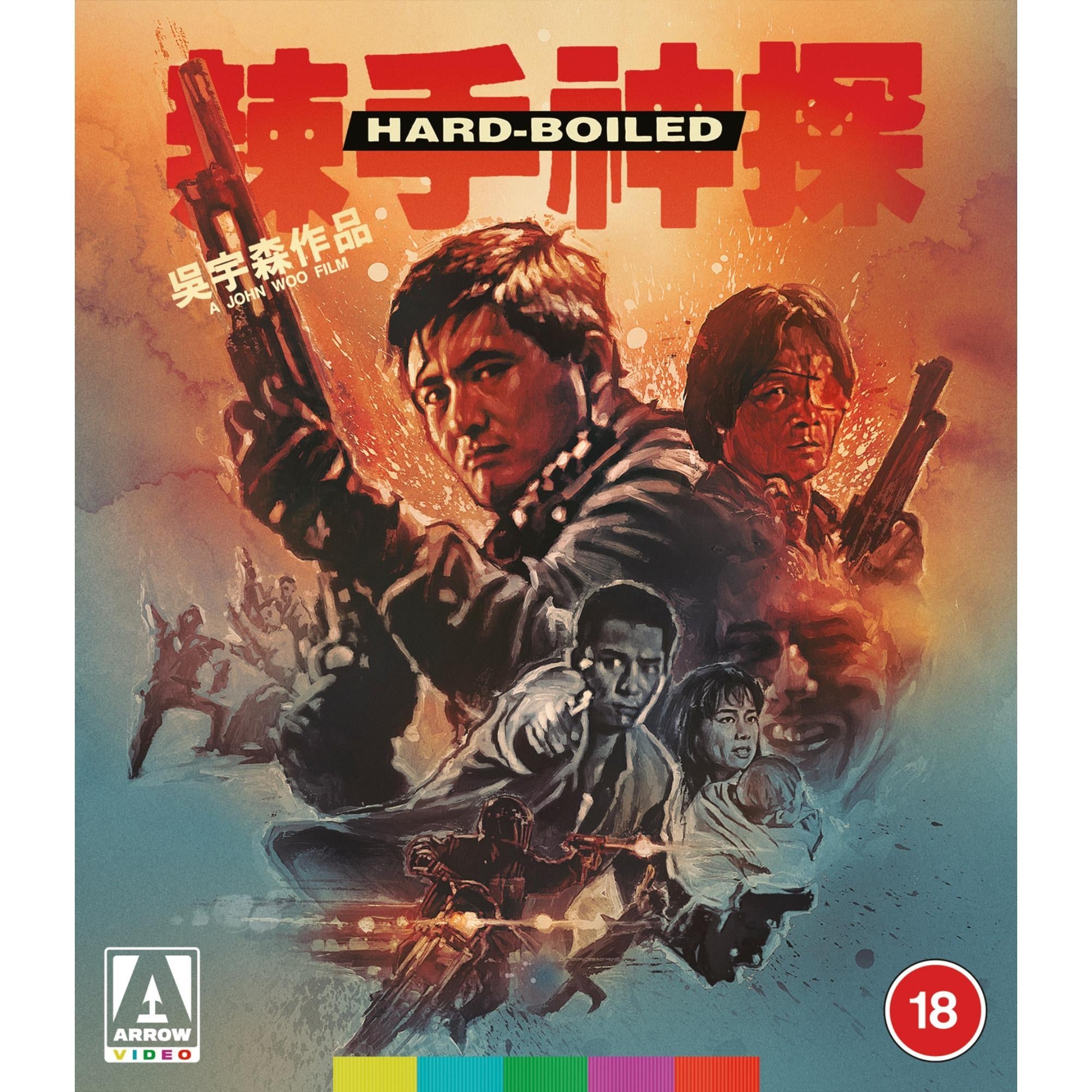
Hard Boiled Review: John Woo's Spectacle Has a Human Cost
Chow Yun-fat and Tony Leung anchor John Woo's escalating gunfights, even when the police melodrama struggles to match the action's precision.
About the author
Bamo Anwar
Anime & Gaming Writer
Bamo Anwar covers anime and gaming for Red Reactions. His work ranges from release news and detailed trailer breakdowns to beginner guides, watch orders and explainers designed to make large franchises and game systems easier to enter.
Coverage: Anime · Gaming · Beginner Guides · Watch Orders · Explainers
More from Bamo Anwar