Movies Review
Raiders of the Lost Ark Review: The Pleasure of a Fallible Hero
Spielberg's set pieces work because Indiana Jones has to improvise through them, though some of the film's cultural framing deserves a harder look today.
 By Bamo Anwar3 min read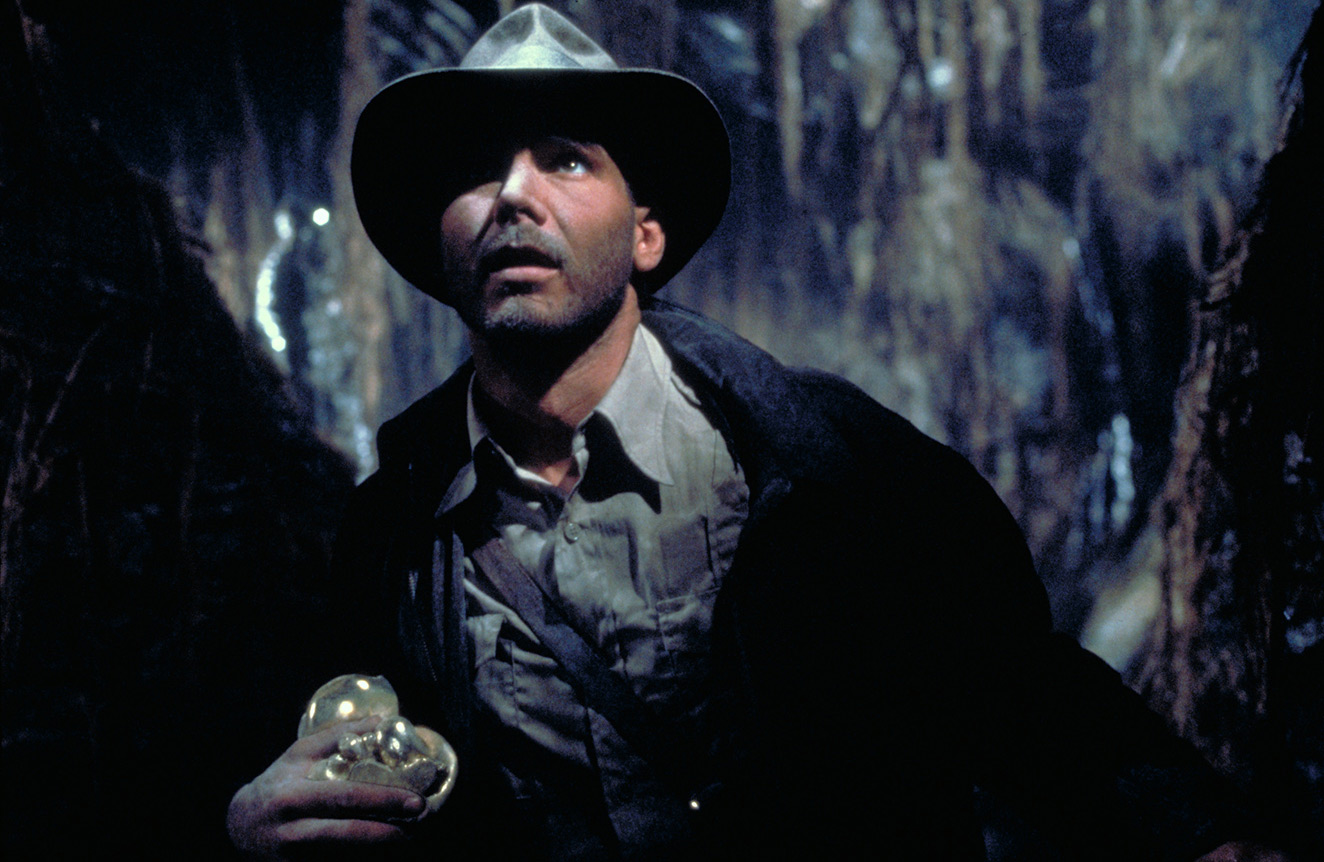
Raiders of the Lost Ark remains an 8.5/10 adventure because Indiana Jones is skilled enough to take a risk and vulnerable enough to make it dangerous. Steven Spielberg’s 1981 film keeps its action readable through movement, reaction and consequence. The period-serial model also carries dated exoticism, and Marion Ravenwood is sometimes given less control than her introduction promises. Those reservations matter, but they do not erase the film’s extraordinarily lively construction.
Ford lets the hero lose control
Harrison Ford is funny partly because he refuses to play Indy as a polished winner. He looks tired, takes bad hits and has to recover from mistakes. The opening temple sequence tells us everything about this approach: confidence gives way to improvisation as the environment refuses to behave. That pattern returns across the film, particularly in the truck chase, where each change in position creates a fresh physical problem instead of a fresh burst of noise.
Spielberg places bodies and objects clearly within the frame. A vehicle’s size, the gap between two surfaces or the time before a door shuts can become the suspense of a scene. The camera often gives an action its setup and payoff in the same visual space. That helps the jokes land as well: Indy survives less by invincibility than by quick, sometimes undignified decisions.
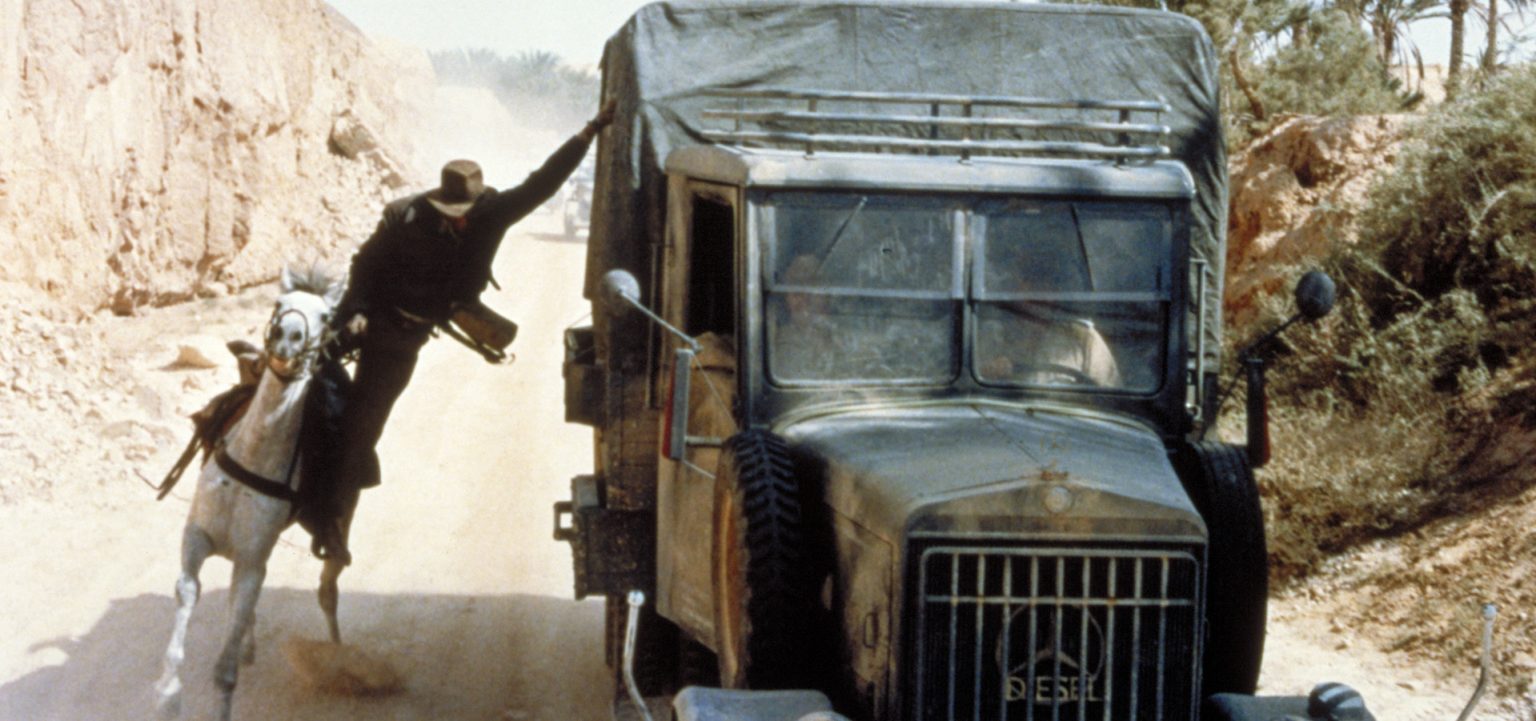
The truck chase turns a moving vehicle into a series of changing physical problems. Credit: Lucasfilm.
The people around Indy
Karen Allen makes Marion energetic, skeptical and more than willing to argue with the hero. Their friction gives the film some of its best character comedy. Yet the plot later uses her peril more readily than her resourcefulness, which leaves the partnership less balanced than her first scenes suggest. John Rhys-Davies and Denholm Elliott add warmth and momentum, even when their roles primarily help Indy reach the next clue.
The movie’s treatment of places and local people as pulp-adventure texture has aged less gracefully than its action. A modern viewing should recognize that framing without pretending the film was made outside its era. It is possible to admire Spielberg’s precise staging while finding the cultural shorthand thin.
The plot sometimes lets coincidence carry Indy from one confrontation to another, but the set pieces almost always give him an immediate, visible problem to solve. Die Hard uses a much tighter map and a similarly battered lead; Seven Samurai offers an action epic with a very different sense of place and community. Raiders remains a model of momentum, with its limitations visible rather than erased by nostalgia.
Sources
Related coverage

Aliens Review: A War Movie That Remembers the Horror
James Cameron turns Alien's isolated nightmare into a squad mission, but Ripley's trauma and the Marines' collapsing confidence keep the sequel tense.

Casino Royale Review: Bond Learns How Much a Win Can Cost
Daniel Craig gives 007 a rough edge, Eva Green makes the poker game personal, and Martin Campbell keeps the action tied to character.
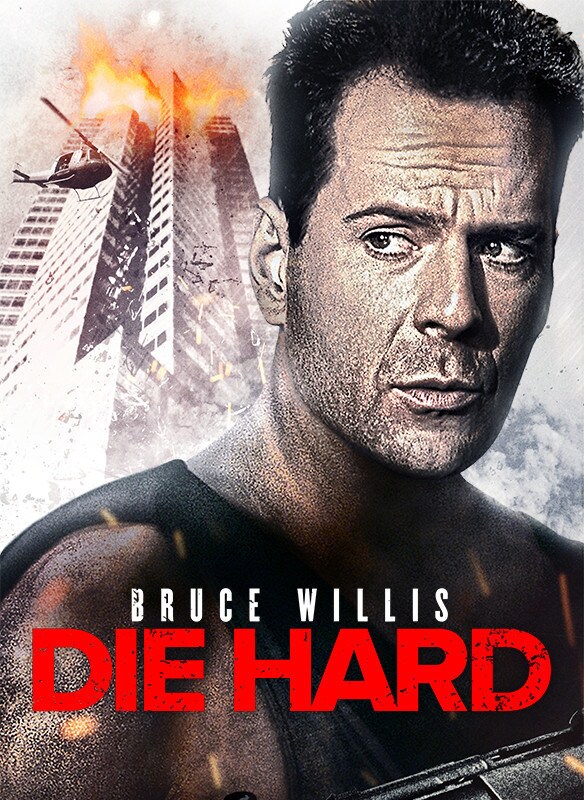
Die Hard Review: An Action Classic Built on Vulnerability
Die Hard still works because John McClane can be hurt, Hans Gruber can think, and Nakatomi Plaza gives every confrontation a place and a purpose.
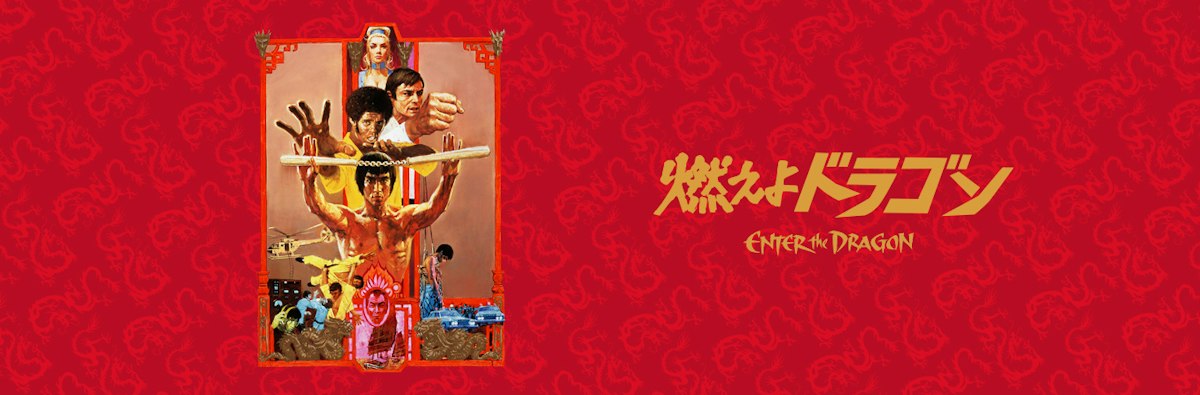
Enter the Dragon Review: Bruce Lee Makes Every Fight Count
Bruce Lee's command of movement gives a conventional tournament and espionage story extraordinary energy, even when its supporting plot is thin.
About the author
Bamo Anwar
Anime & Gaming Writer
Bamo Anwar covers anime and gaming for Red Reactions. His work ranges from release news and detailed trailer breakdowns to beginner guides, watch orders and explainers designed to make large franchises and game systems easier to enter.
Coverage: Anime · Gaming · Beginner Guides · Watch Orders · Explainers
More from Bamo Anwar