Movies Review
Mission: Impossible – Fallout Review: Spectacle With Consequences
Christopher McQuarrie gives Ethan Hunt's biggest stunts clear objectives, while a dense web of alliances sometimes slows the chase between them.
 By Aram Anwar2 min read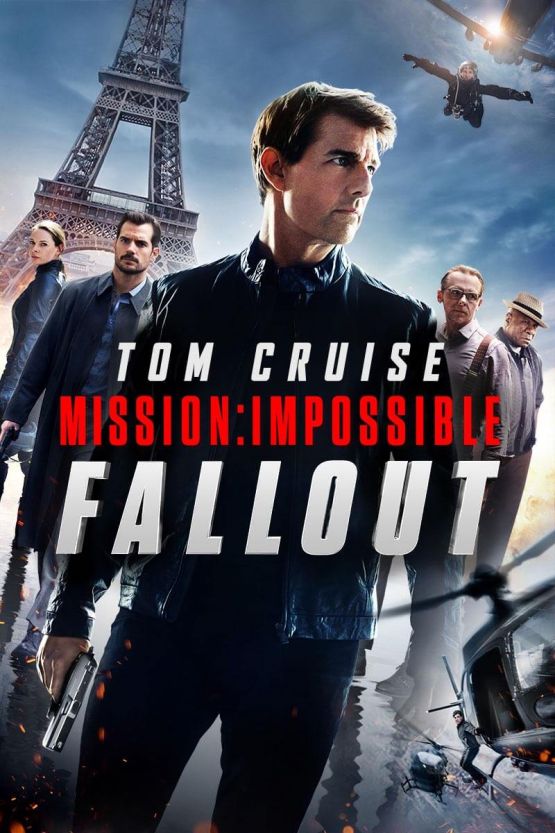
Mission: Impossible – Fallout earns 8.5/10 because its large action scenes have immediate jobs to do. Christopher McQuarrie’s 2018 film sends Ethan Hunt after a threat complicated by loyalties, mistakes and the cost of saving one person at the expense of a larger mission. Its espionage machinery can become dense, but the major sequences restore clarity by giving bodies, vehicles and time limits a precise relationship.
Ethan is defined by the rescue he chooses
Tom Cruise plays Hunt as someone who cannot reduce a teammate to an acceptable loss. That principle makes him heroic and creates the problem the film spends its running time addressing. Rebecca Ferguson’s Ilsa Faust brings a different set of obligations, so their scenes have tension even when they are working toward a shared immediate goal. Henry Cavill’s August Walker is a heavier physical presence and an effective counterweight to Hunt’s quickness.
The returning relationships make those choices matter more. They also make the movie less welcoming to viewers who arrive without its recent history. The plot asks us to track identities, organizations and reversals while the emotional argument is simpler: Hunt keeps choosing a person in front of him. Some of the intermediary explanation is useful; some feels like scaffolding awaiting the next set piece.
Each set piece has a different shape
The high-altitude jump establishes vulnerability and timing. The bathroom fight compresses the action into blunt close contact. Paris opens the map again with vehicles and shifting lines of pursuit. The helicopter climax makes distance and altitude central to the suspense. These scenes do not merely increase in size; each changes what Hunt can control.
The production’s physical commitment is visible, but the film deserves credit for the way it frames and cuts the action, not for an unsourced tally of what was done without visual effects. McQuarrie repeatedly lets a maneuver start, become difficult and finish within a comprehensible space. That makes the danger legible even when the larger conspiracy is not.
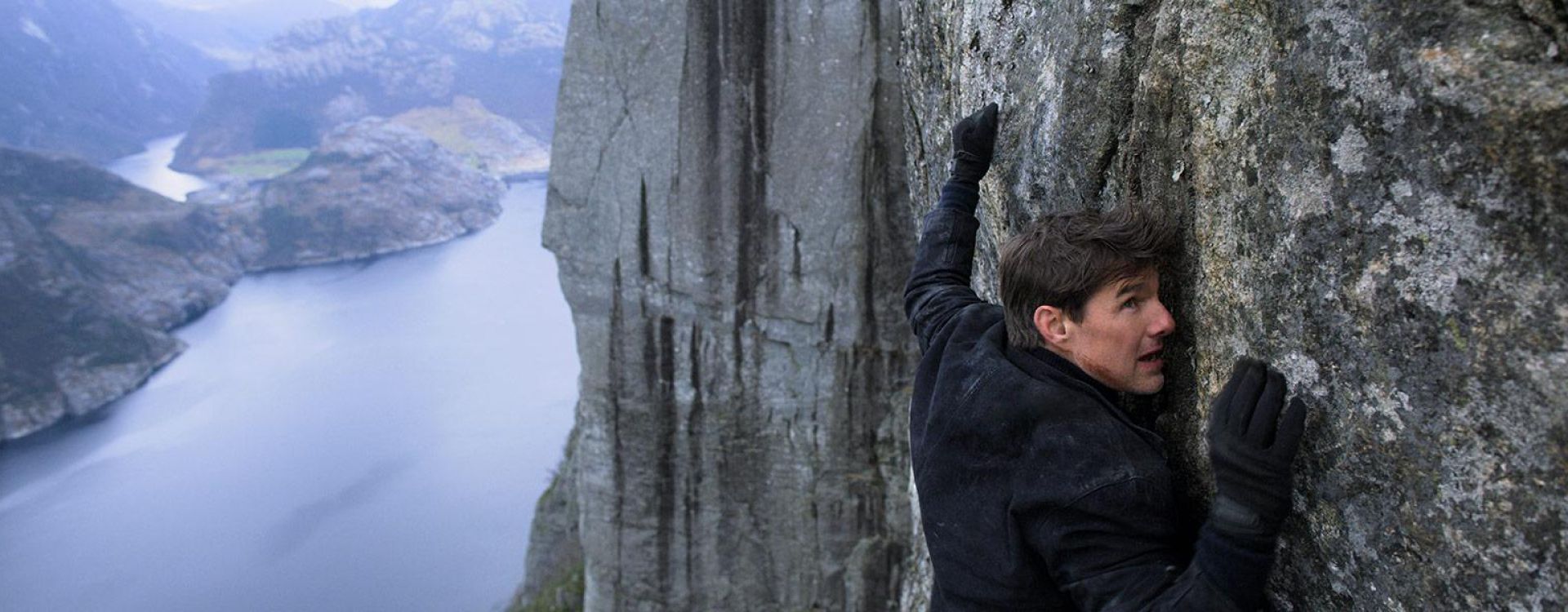
Fallout repeatedly makes Hunt’s physical position part of the suspense. Credit: Paramount Pictures.
Fallout occasionally treats a twist as more important than the character choice that gives it force. Still, its best sequences tie spectacle to Hunt’s defining weakness and strength. The Bourne Ultimatum offers a rougher surveillance-driven spy style; Casino Royale strips a familiar agent down to a more vulnerable first mission. McQuarrie’s film is grander, but its emotional logic is just as important as its machinery.
Sources
Related coverage
Top Gun: Maverick Review: A Legacy Sequel With a Mission
The training structure and Maverick's conflict with Rooster give the aerial action stakes beyond nostalgia, despite a deliberately conventional story.
Aliens Review: A War Movie That Remembers the Horror
James Cameron turns Alien's isolated nightmare into a squad mission, but Ripley's trauma and the Marines' collapsing confidence keep the sequel tense.
Casino Royale Review: Bond Learns How Much a Win Can Cost
Daniel Craig gives 007 a rough edge, Eva Green makes the poker game personal, and Martin Campbell keeps the action tied to character.
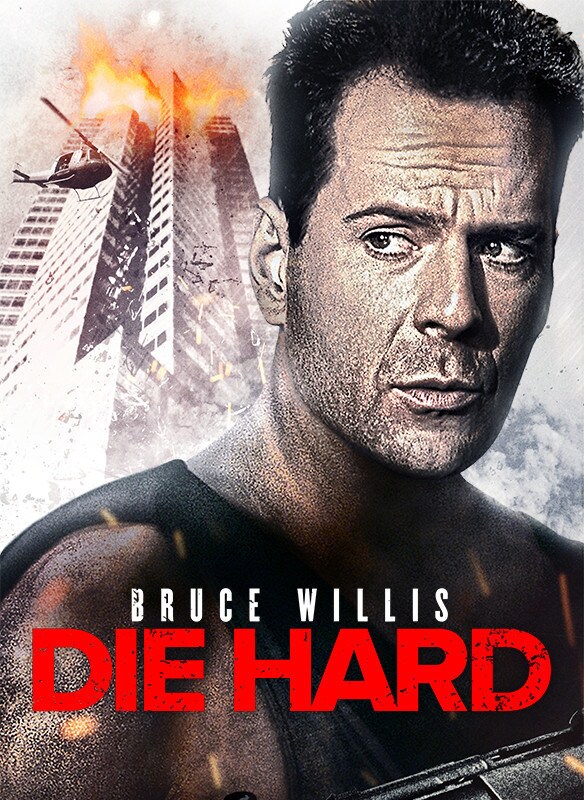
Die Hard Review: An Action Classic Built on Vulnerability
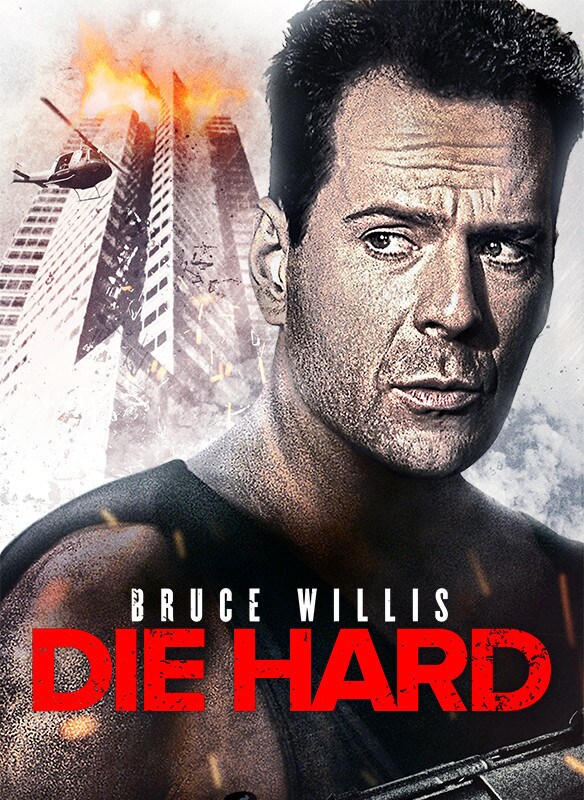
Die Hard still works because John McClane can be hurt, Hans Gruber can think, and Nakatomi Plaza gives every confrontation a place and a purpose.
About the author
Aram Anwar
Founder & Editor
Aram Anwar founded Red Reactions and writes across comics, gaming, movies and television. His work includes franchise guides and large Lore / Explained features, with an emphasis on separating confirmed details from reports, theory and speculation.
Coverage: Comics · DC & Marvel · Gaming · Movies & TV · Lore / Explained · Guides
More from Aram Anwar