Movies Review
Top Gun: Maverick Review: A Legacy Sequel With a Mission
The training structure and Maverick's conflict with Rooster give the aerial action stakes beyond nostalgia, despite a deliberately conventional story.
 By Bamo Anwar2 min read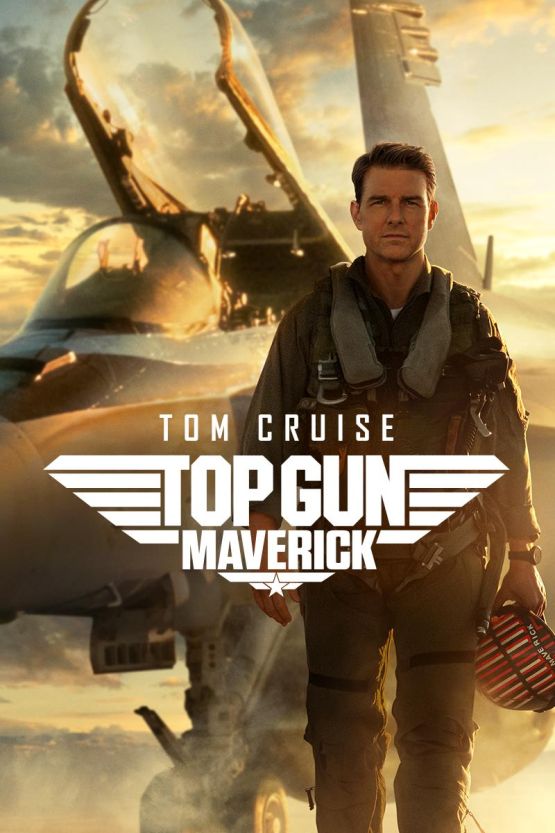
Top Gun: Maverick earns 8.5/10 by giving its aerial spectacle a clear dramatic task. Joseph Kosinski’s 2022 sequel brings Tom Cruise’s Maverick back to train a younger team for a dangerous mission, then makes the training itself the story’s engine. Its outline is familiar and its politics are kept conveniently vague, but the film turns repetition into anticipation: each practice attempt teaches us what the final flight will demand.
Maverick cannot fly away from Rooster
Cruise plays a man whose skills have kept him valuable while his refusal to move on has left him stranded. Miles Teller’s Rooster gives that contradiction a face. Their disagreement is rooted in history, but the film is careful to let it affect present choices in the cockpit and classroom. They do not become close just because the script requires a reunion.
The supporting pilots are sketched efficiently rather than deeply. Their rivalries add energy, though several remain easier to identify by a trait than by a developed point of view. The emotional center is still Maverick and Rooster, and the movie knows it. Quieter scenes with Penny and the returning Iceman help place Maverick’s bravado alongside age, grief and responsibility without demanding that every scene become a confession.
Training makes the action readable
The mission briefing gives viewers an unusually clear understanding of route, speed, timing and risk. Each training run then changes one variable or reveals a new failure. When the final sequence arrives, the film does not need to stop and explain why an aircraft’s position matters. We have watched the team learn the same geometry.
The aerial photography communicates strain and scale through faces, cockpit views and the distance between aircraft. It is unnecessary to claim that every image was captured without digital help to appreciate how carefully the footage and editing preserve a sense of physical pressure. The sound design adds to that pressure without making every exchange unintelligible.
The story’s external enemy is more functional than specific, and the closing stretch leans into a wish-fulfillment shape the film has largely earned but not fully complicated. Even so, the sequel uses nostalgia as context for a new problem rather than as its entire plan. Mission: Impossible – Fallout uses Cruise’s physical action persona in a more tangled spy plot; Raiders of the Lost Ark is another example of a star vehicle whose action stays legible through clear objectives.
Sources
Related coverage
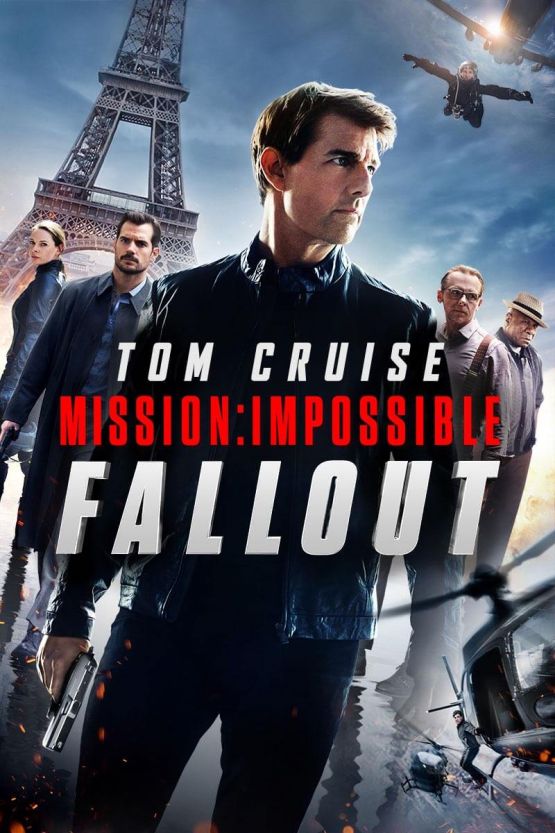
Mission: Impossible – Fallout Review: Spectacle With Consequences
Christopher McQuarrie gives Ethan Hunt's biggest stunts clear objectives, while a dense web of alliances sometimes slows the chase between them.
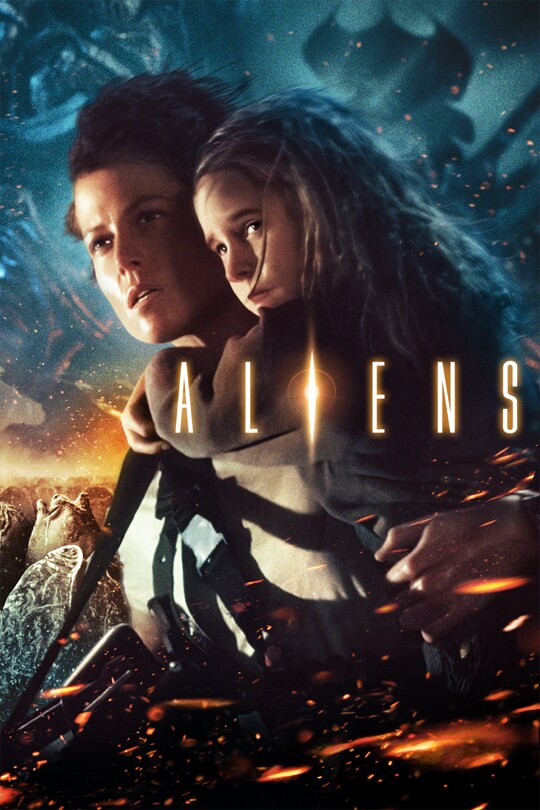
Aliens Review: A War Movie That Remembers the Horror
James Cameron turns Alien's isolated nightmare into a squad mission, but Ripley's trauma and the Marines' collapsing confidence keep the sequel tense.
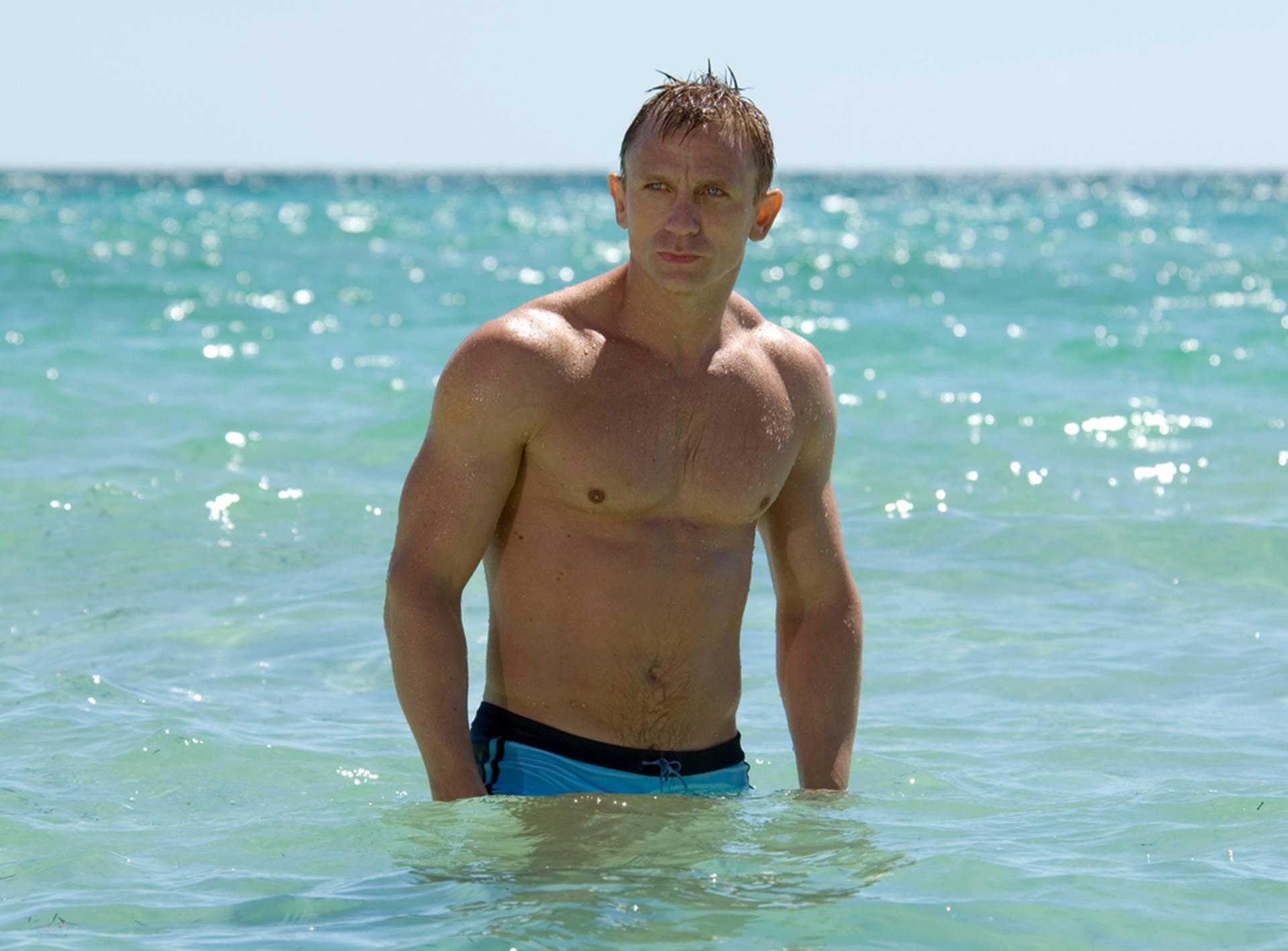
Casino Royale Review: Bond Learns How Much a Win Can Cost
Daniel Craig gives 007 a rough edge, Eva Green makes the poker game personal, and Martin Campbell keeps the action tied to character.
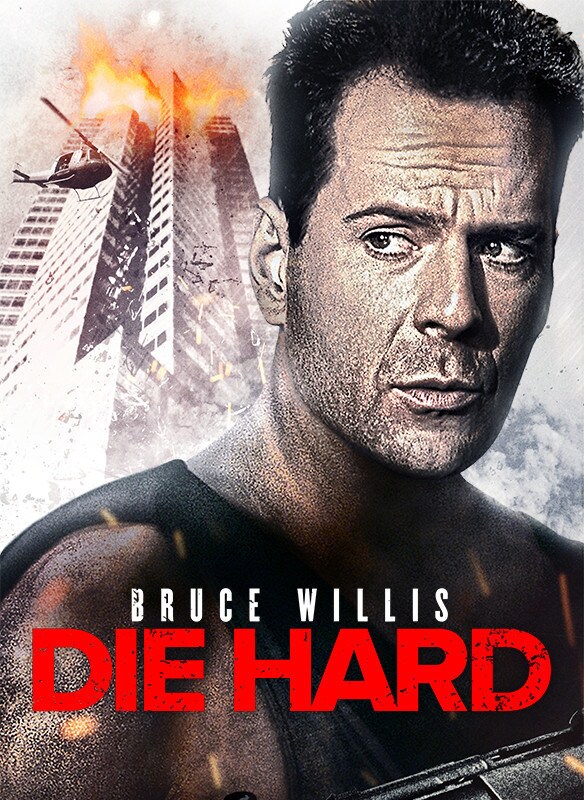
Die Hard Review: An Action Classic Built on Vulnerability
Die Hard still works because John McClane can be hurt, Hans Gruber can think, and Nakatomi Plaza gives every confrontation a place and a purpose.
About the author
Bamo Anwar
Anime & Gaming Writer
Bamo Anwar covers anime and gaming for Red Reactions. His work ranges from release news and detailed trailer breakdowns to beginner guides, watch orders and explainers designed to make large franchises and game systems easier to enter.
Coverage: Anime · Gaming · Beginner Guides · Watch Orders · Explainers
More from Bamo Anwar