lore · tv
American Horror Story: 1984 Ending Explained — Mr. Jingles and Camp Redwood
The 1984 finale brings Bobby Richter to Camp Redwood in 2019. Here is why the ghosts remain, what happened to Brooke and Donna, and who gets to leave.
 By Kenza Benouna2 min read

Full spoilers for 1984, including “Final Girl.”
The finale moves to 2019, when Bobby Richter arrives at Camp Redwood looking for his father, Benjamin, the man called Mr. Jingles. The camp’s dead remain bound to it, but the surviving former counselors have had lives elsewhere. Bobby learns that Brooke Thompson survived the 1989 confrontation, reunites briefly with the ghosts of his family and leaves the camp alive.
Who is the Bobby in the final episode?
Adult Bobby is Benjamin Richter’s son. He shares a name with Benjamin’s younger brother, whose death at the camp is central to their family history. The similarity is intentional, but these are two different people. The younger Bobby appears as a ghost with his mother Lavinia and Benjamin; the adult Bobby is alive and can leave.
When he first visits the camp, its ghosts tell him what happened after 1989. They have repeatedly killed Richard Ramirez to keep him from escaping their territory and resuming his pursuit of Bobby. They also stopped killing innocent visitors after Brooke saved Trevor by pulling his wounded body across the camp boundary. Their change in conduct does not free them from the place.
What happened to Brooke and Donna?
Donna initially tells Bobby a version of the 1989 events in which Brooke died and Donna alone survived. Bobby then meets Brooke, who survived with help from Ray and went on to a private life outside the camp. Brooke was the person sending him money over the years. Brooke and Donna agree that both can claim the slasher story’s “final girl” role; neither needs the other erased to make sense of their survival.
Does Mr. Jingles leave Camp Redwood?
No. Benjamin remains a ghost there. Bobby returns for a reunion with him, Lavinia and the younger Bobby, then departs. The ending gives the Richter family a moment of peace while keeping the boundary between the living son and the dead relatives intact. It is one of the clearest examples of how the show’s haunted locations have their own conditions. The ghost-rules guide compares Redwood with Murder House and Hotel. For the jumps between 1984, 1989 and 2019, use the AHS timeline.
Sources
Make Red Reactions a preferred source
Choose Red Reactions as a preferred source in Google Search.
Confirm your choice on Google.
Related coverage
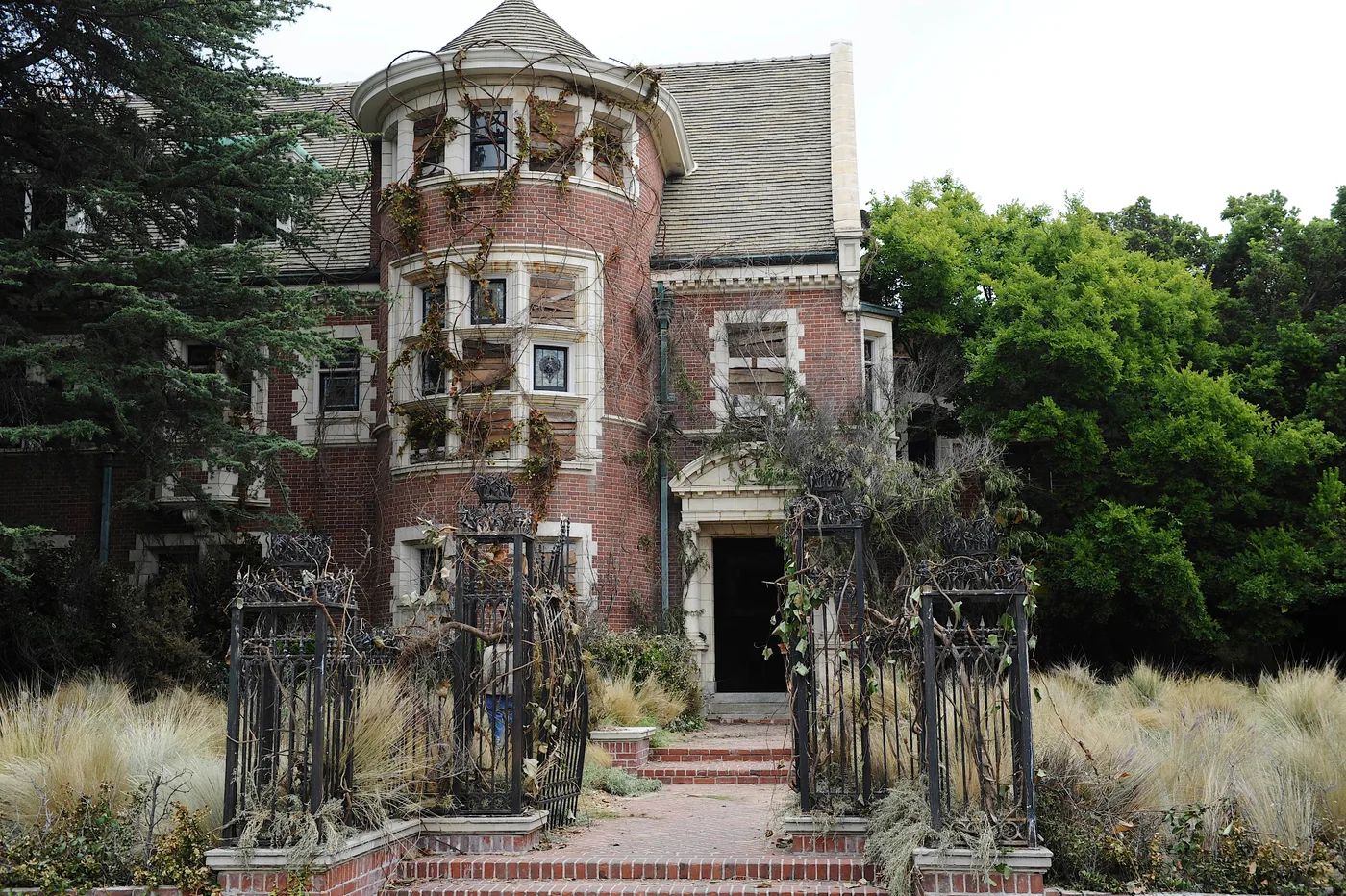
American Horror Story Ghost Rules Explained: Murder House, Hotel and Camp Redwood
AHS repeatedly traps ghosts at haunted places, but each season shows its own limits. Compare Murder House, Hotel and 1984 without assuming one universal rulebook.
American Horror Story: Cult Ending Explained — Ally, Kai and the Hood
The Cult finale reveals Ally's cooperation with the FBI, Kai's failed attack and an ambiguous final costume. Here is what the ending actually establishes.
American Horror Story: Freak Show Ending Explained — Dandy, Elsa and the Survivors
Curtain Call ends Dandy's massacre, sends Elsa to a strange afterlife and lets a few troupe members build lives away from the show. Here is the finale's sequence.
American Horror Story: Hotel Ending Explained — Liz, the Countess and the Cortez
The Hotel finale changes how the Cortez is run, gives Liz Taylor a bittersweet reunion and returns to Devil's Night. Here is what the ending actually shows.

American Horror Story: NYC Ending Explained — Big Daddy, Gino and Adam
NYC's two-part finale moves from 1981 into later years, confronting illness, loss and Big Daddy's symbolism. Here is what the final episodes establish and leave open.
American Horror Story: Roanoke Ending Explained — Lee, Flora and the Blood Moon
Roanoke's finale moves through trials, a Lana Winters interview and one last night at the house. Here is why Lee stays and Flora leaves.
About the author
Kenza Benouna
Movies, TV & Horror Writer
Kenza Benouna writes about movies and television, with a substantial archive in horror. Her Red Reactions work includes reviews, supernatural and franchise lore, story explainers and analysis of character, atmosphere and adaptation.
Coverage: Horror · Movies · TV · Reviews · Lore & Features
More from Kenza Benouna