lore · tv
American Horror Story Ghost Rules Explained: Murder House, Hotel and Camp Redwood
AHS repeatedly traps ghosts at haunted places, but each season shows its own limits. Compare Murder House, Hotel and 1984 without assuming one universal rulebook.
Spoilers for Murder House, Hotel and 1984.
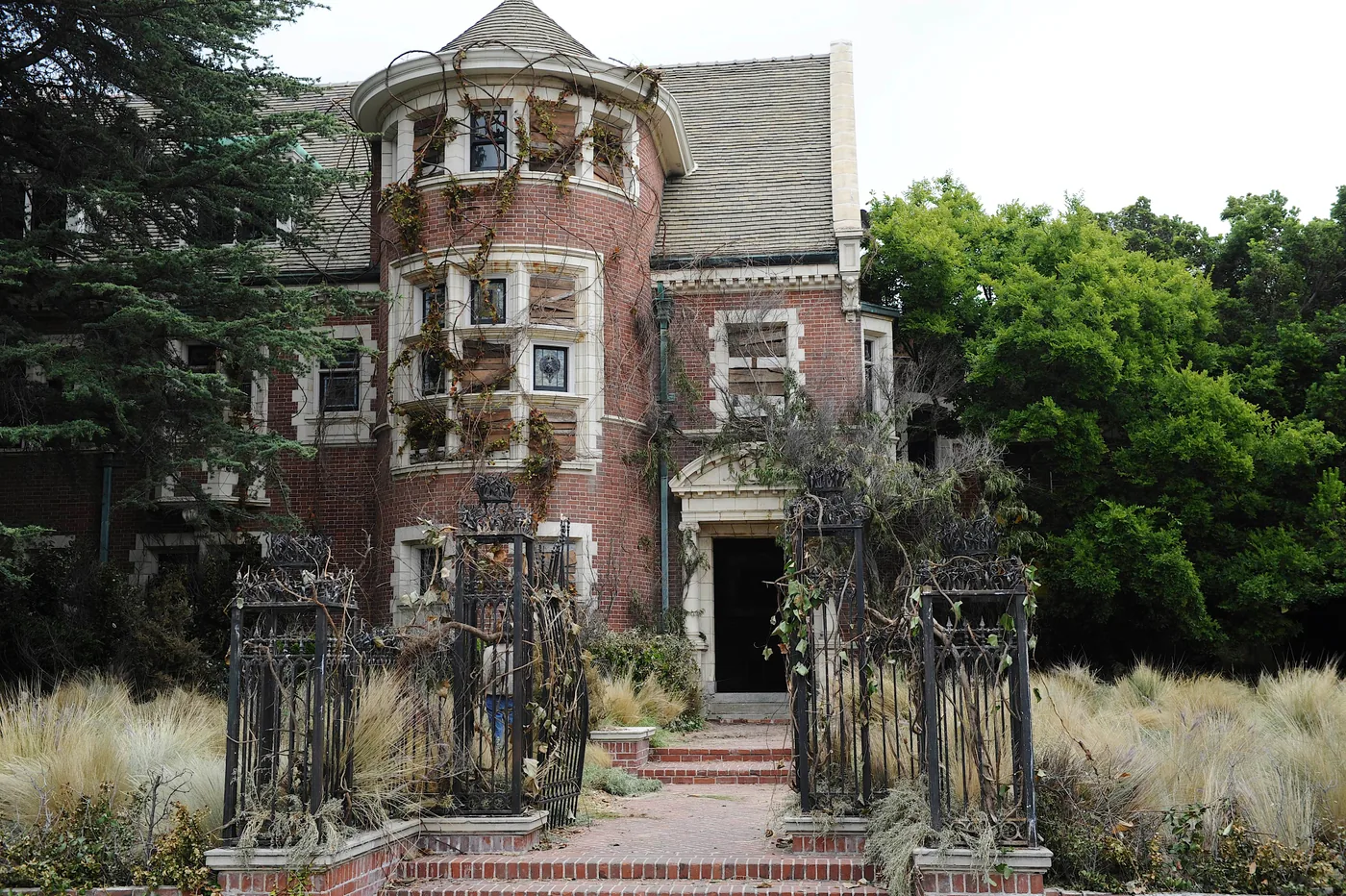
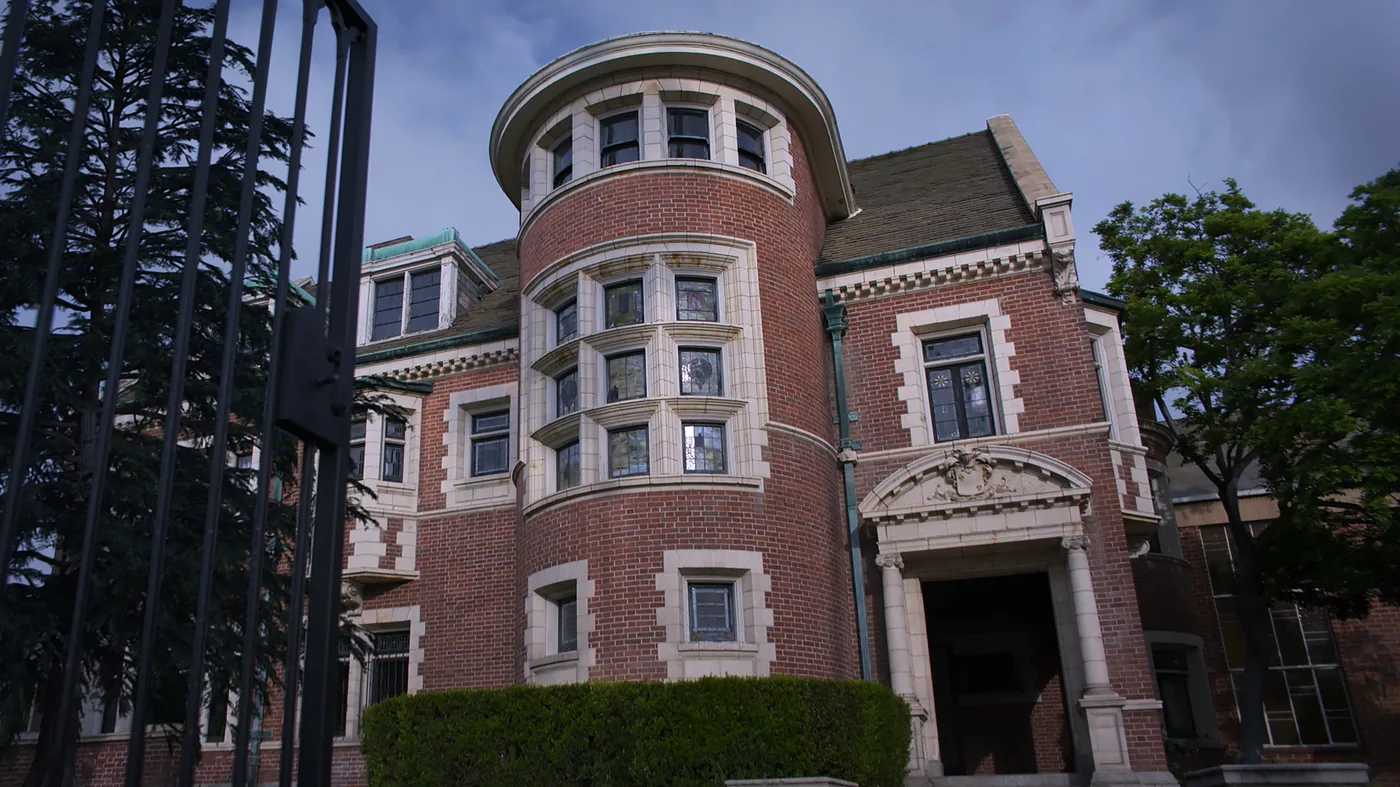
The most reliable ghost “rule” in American Horror Story is local: several seasons show dead people confined to a particular haunted place. Murder House uses a home, Hotel uses the Cortez, and 1984 uses Camp Redwood. The stories rhyme, but their exceptions and causes differ. A character’s experience in one setting is not proof of a franchise-wide law.
Murder House: death and the property
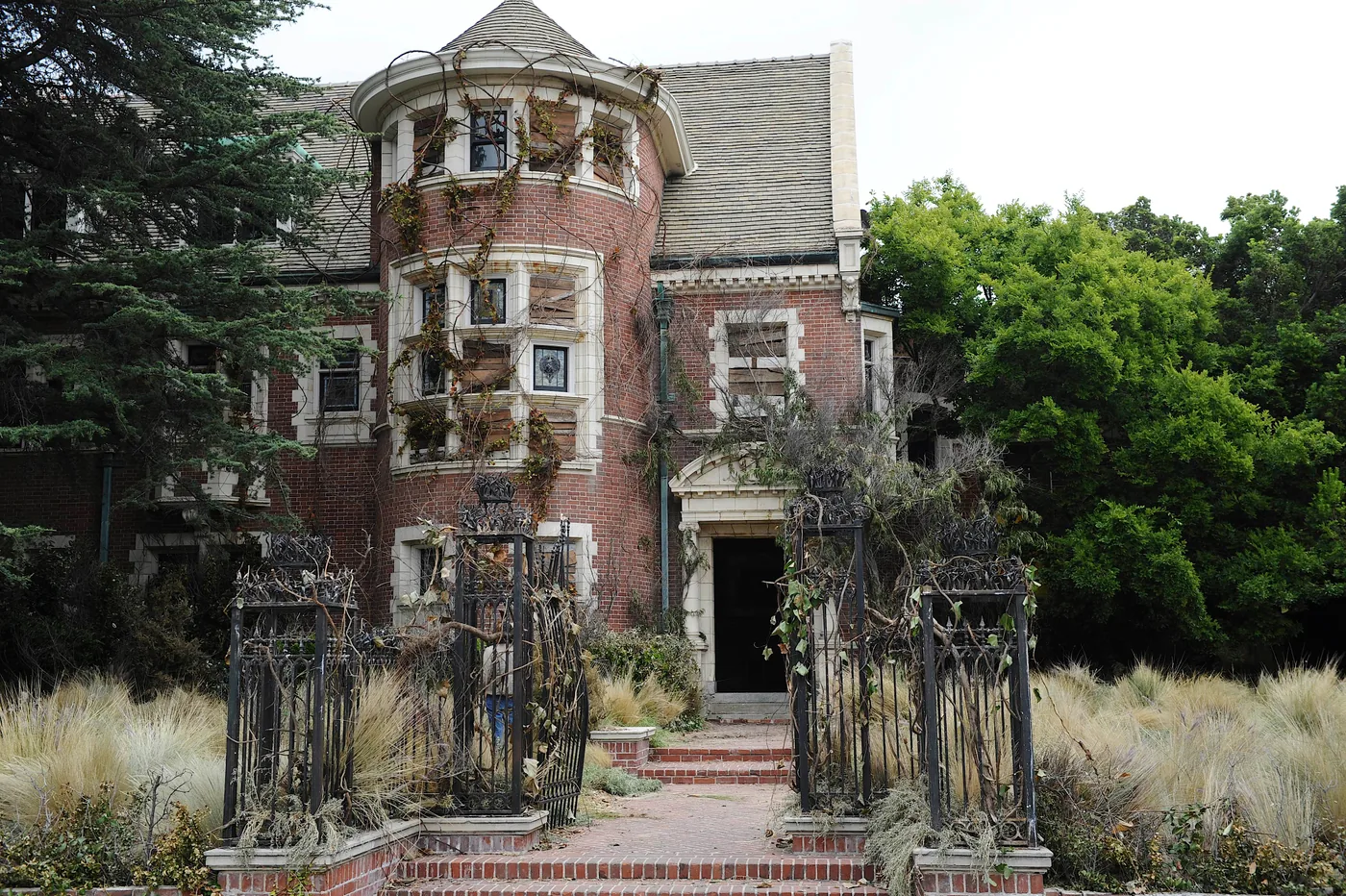
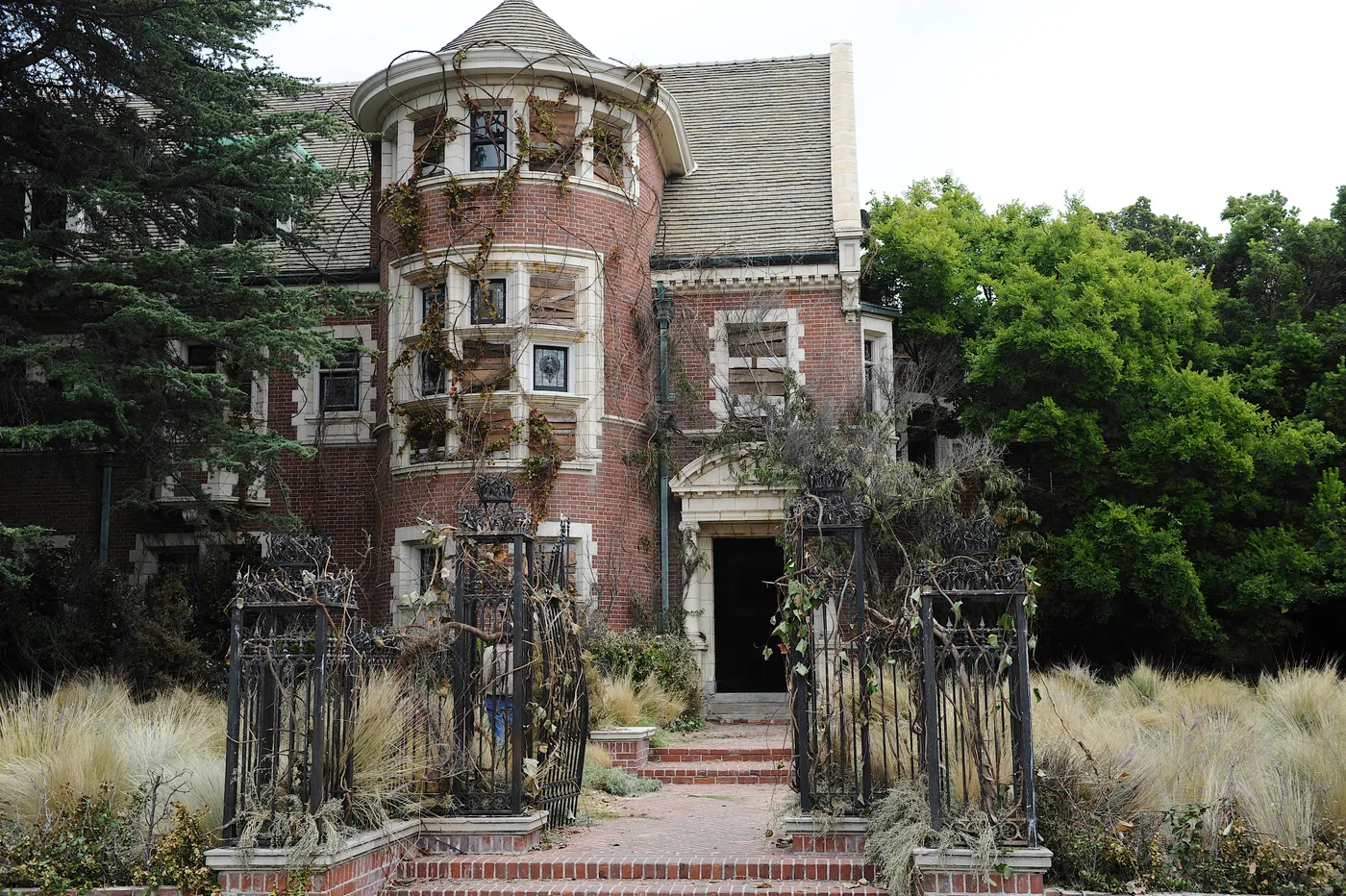
The Harmon family learn that the house’s dead residents can remain visible and active inside it. Violet discovers her own death only after living among them; Vivien and Ben are later trapped there as well. In the finale they use that presence to frighten another family away, but they cannot simply resume their lives elsewhere. The first season’s two-part “Halloween” story also shows a temporary change in how the living encounter the dead. The holiday is an episode-specific exception, not a general escape route for every ghost.
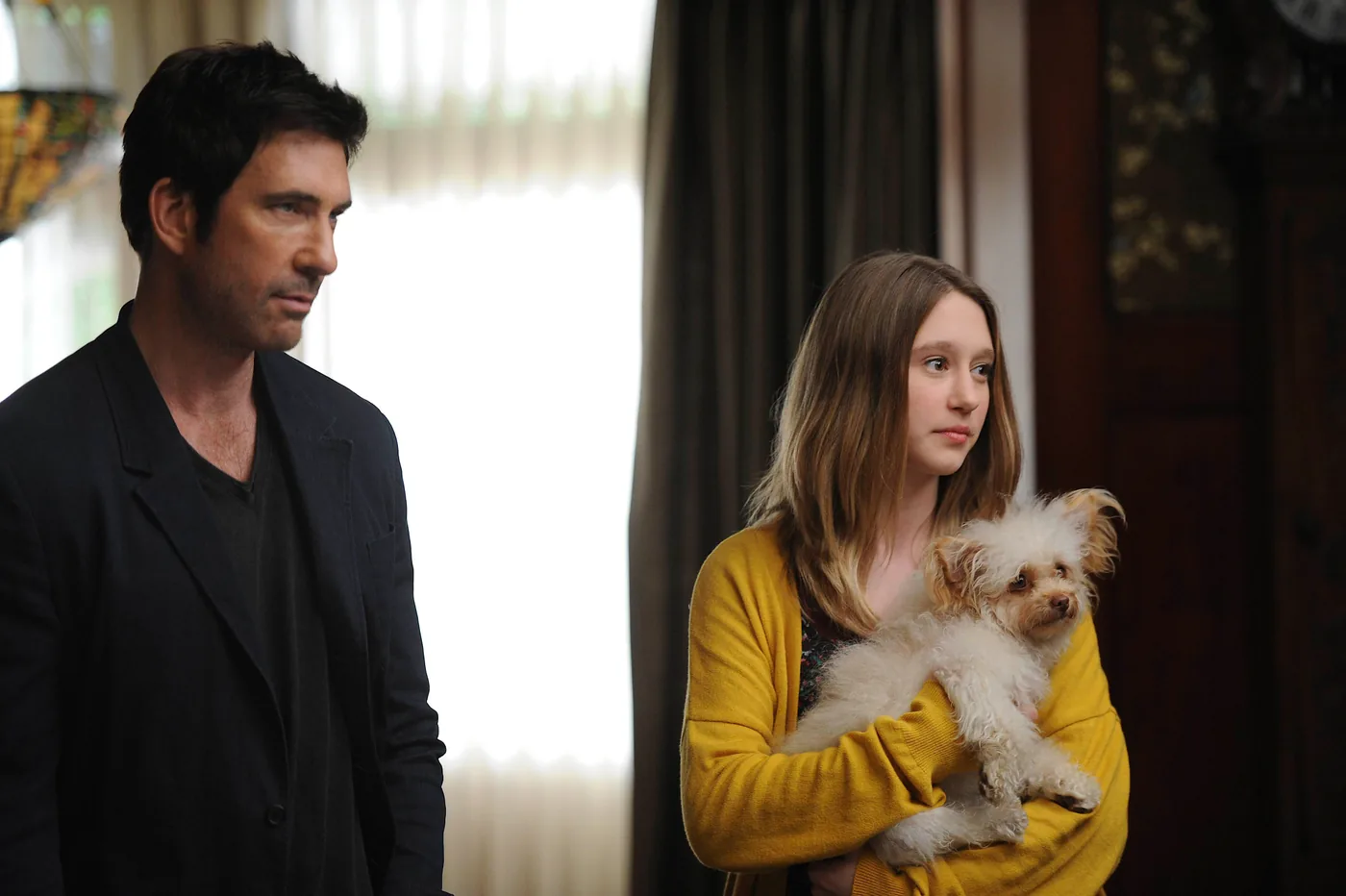
The Murder House ending explainer follows the family’s fates and the two babies separately. The Rubber Man guide explains the suit without assigning every later appearance to the same ghost.
Hotel: the Cortez is a different haunting
FX describes the Hotel Cortez as the fifth installment’s center of paranormal activity. Its dead residents, including James Patrick March and Sally, remain bound up with the hotel and its living guests. The season’s “Devil’s Night” is a specific annual gathering in that story. Even where it resembles Murder House’s Halloween episodes, the show does not hand viewers a single written code covering both sites.
The boundary matters to the Hotel ending: the finale concerns how Iris and Liz Taylor run the Cortez and how some inhabitants continue to exist there. It does not establish that every ghost in every season can be freed by the same action.
1984: Camp Redwood’s dead stay at the camp
1984 makes the location limit explicit in its finale. Bobby Richter reaches Camp Redwood decades after the original killings and meets the ghosts of people who died there. Their struggle with Richard Ramirez and Margaret Booth remains tied to that ground. Bobby, who is alive, can leave after seeing his father Benjamin; the ghosts do not walk away with him. See the 1984 finale guide for the scene’s family outcome.
There are other supernatural systems in the anthology, including witchcraft and the Apocalypse timeline change. Neither gives a safe shortcut for resolving every ghost’s fate. When reading the season connections or the fictional timeline, keep what an episode shows, where it happens, and which timeline it occupies separate. That yields a clearer answer than a universal list of fan-made rules.
Sources
Related coverage

American Horror Story: 1984 Ending Explained — Mr. Jingles and Camp Redwood
The 1984 finale brings Bobby Richter to Camp Redwood in 2019. Here is why the ghosts remain, what happened to Brooke and Donna, and who gets to leave.

American Horror Story: Hotel Ending Explained — Liz, the Countess and the Cortez
The Hotel finale changes how the Cortez is run, gives Liz Taylor a bittersweet reunion and returns to Devil's Night. Here is what the ending actually shows.
The Langdon Family Tree in American Horror Story: Constance, Tate and Michael
Michael Langdon links Murder House and Apocalypse. This spoiler-marked guide separates his parents, grandmother and the Harmon family without inventing missing relatives.
American Horror Story: Murder House Ending Explained — The Harmons and Michael
The Murder House finale leaves the Harmon family together inside the house while Constance takes Michael away. Here is what happens to each baby and the final family.
About the author
Sara Avegaard
Movies & TV Writer
Sara Avegaard covers film, television and streaming for Red Reactions. Her archive spans entertainment news, production and release developments, trailer coverage and explainers that put new announcements in context.
Coverage: Movies · TV & Streaming · Entertainment News · Explainers
More from Sara Avegaard