lore · tv
Who Is the Rubber Man in American Horror Story? The Suit Across Murder House and Beyond
Murder House reveals who wears the rubber suit, but later AHS appearances need their own context. Here is what the show establishes without treating the costume as one person.
 By Kenza Benouna2 min read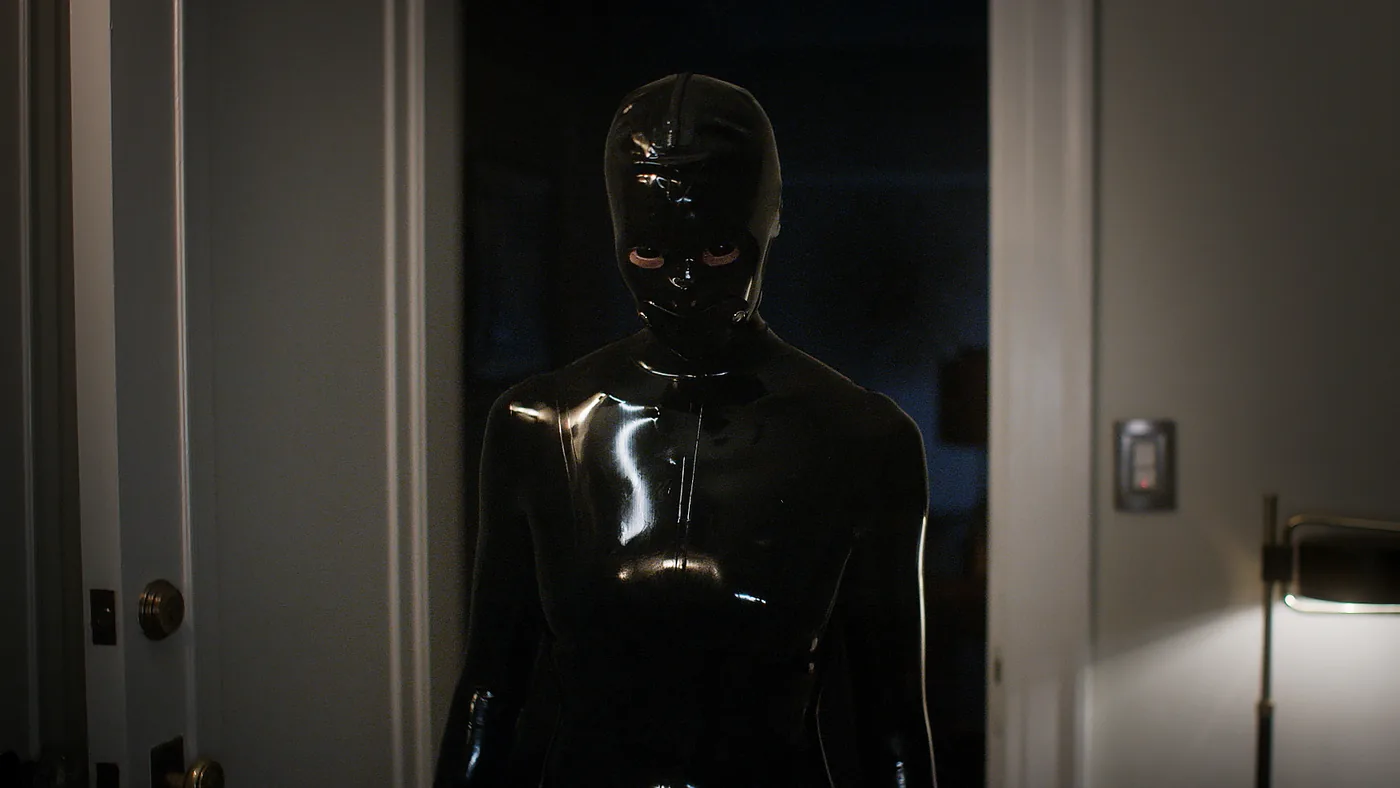
Spoilers for Murder House and references to American Horror Stories.
In American Horror Story: Murder House, the central Rubber Man reveal is that Tate Langdon wears the black latex suit. That answers the first season’s mystery, including the identity behind the assault on Vivien Harmon. It does not mean every later shot of the costume across the franchise is automatically Tate. The suit is an object that can be worn by different people, and later stories use its appearance for different plots.
What does Murder House actually reveal?
FX’s episode guide identifies episode eight, “Rubber Man,” as the installment that exposes the figure’s identity. Tate is Constance Langdon’s son and one of the house’s ghosts. He wears the suit while assaulting Vivien, who believes the figure is her husband Ben. The assault leads to the conception of Michael Langdon, whose role becomes central to Apocalypse. The supernatural story should not obscure Vivien’s lack of consent.
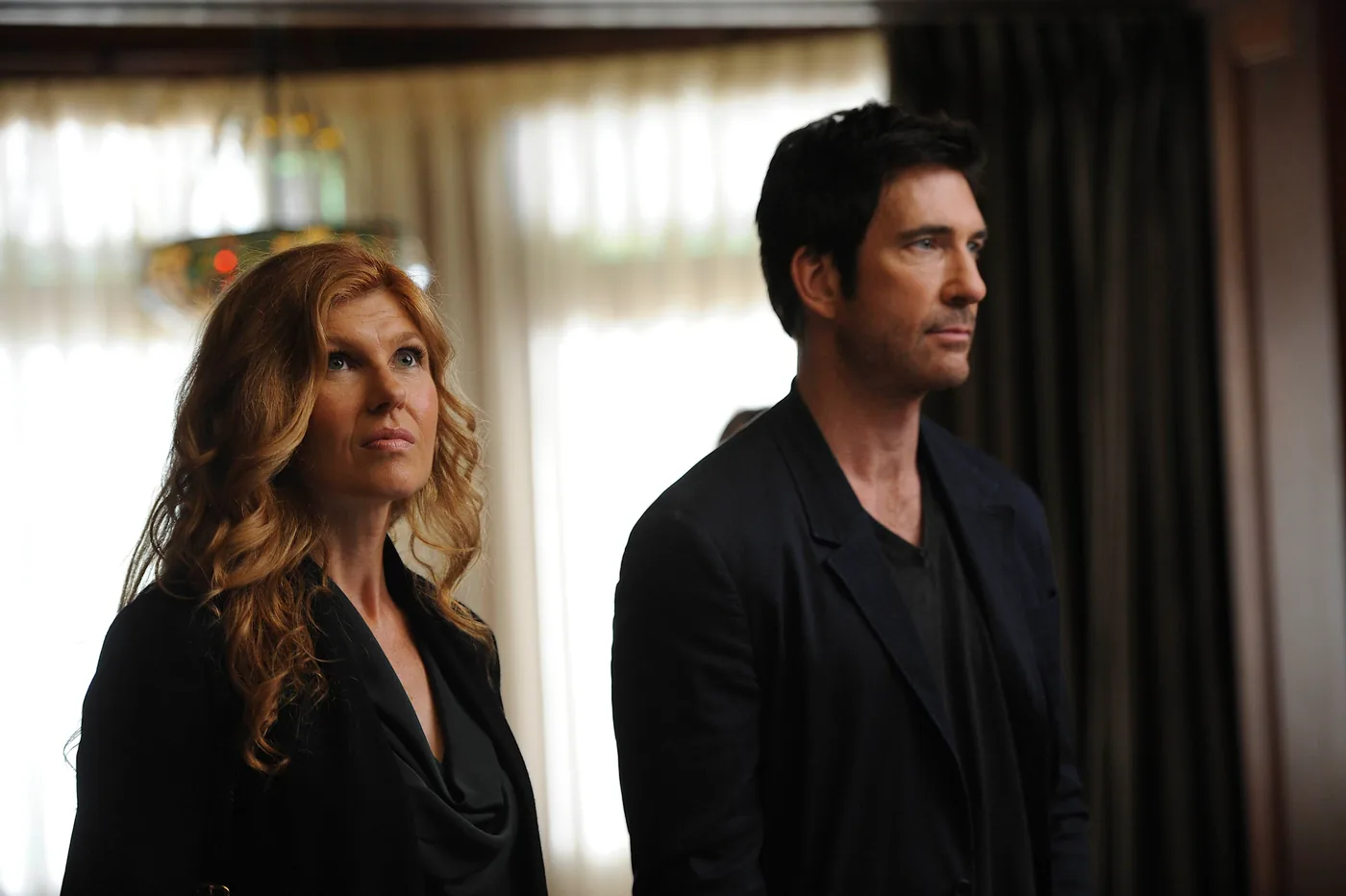
The reveal also changes how to read Tate’s relationship with Violet. He is more than a troubled young man she meets in the house: the finale’s family outcome is bound to what he did to Vivien. Our Murder House ending guide separates the fates of Vivien’s two babies; the Langdon family guide traces the relationships without treating the assault as a romance.
Why the costume does not prove the wearer
The silhouette becomes a recognizable franchise image. American Horror Stories, the separate episodic spin-off, returns to Murder House in “Rubber(wo)Man” Parts One and Two. The title and setting deliberately recall the first season, but a familiar costume is a visual clue, not a universal identity tag. Each appearance has to be read in its own episode’s story.
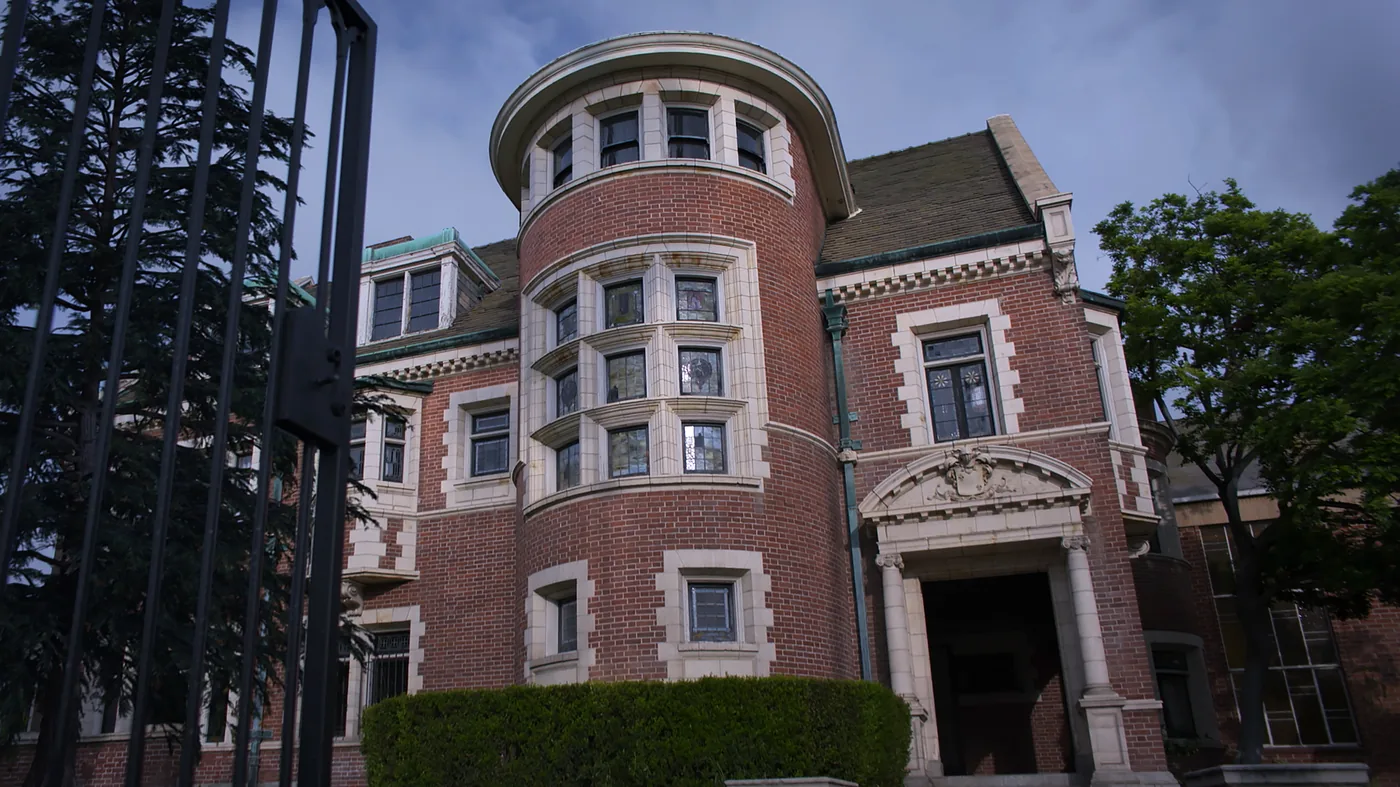
The same caution applies to supernatural explanations. Murder House gives a concrete answer about Tate in its own plot; it does not establish that every rubber-suited figure in the anthology is one ghost moving freely between seasons. For the broader distinction between shows, read American Horror Story versus American Horror Stories. If you are choosing what to watch next, the main watch order keeps the original series and spin-off separate.
Sources
Related coverage
The Langdon Family Tree in American Horror Story: Constance, Tate and Michael
Michael Langdon links Murder House and Apocalypse. This spoiler-marked guide separates his parents, grandmother and the Harmon family without inventing missing relatives.
American Horror Story Ghost Rules Explained: Murder House, Hotel and Camp Redwood
AHS repeatedly traps ghosts at haunted places, but each season shows its own limits. Compare Murder House, Hotel and 1984 without assuming one universal rulebook.
American Horror Story: Murder House Ending Explained — The Harmons and Michael
The Murder House finale leaves the Harmon family together inside the house while Constance takes Michael away. Here is what happens to each baby and the final family.
Are American Horror Story Seasons Connected? The Crossovers That Actually Happen
American Horror Story changes its main story each season, but some characters and places return. Here is a spoiler-marked map of on-screen links versus casting and theories.
About the author
Kenza Benouna
Movies, TV & Horror Writer
Kenza Benouna writes about movies and television, with a substantial archive in horror. Her Red Reactions work includes reviews, supernatural and franchise lore, story explainers and analysis of character, atmosphere and adaptation.
Coverage: Horror · Movies · TV · Reviews · Lore & Features
More from Kenza Benouna