lore · tv
American Horror Story vs. American Horror Stories: What Is the Difference?
American Horror Story tells season-length tales; American Horror Stories is a separate, mostly episode-length spin-off. Here is how the formats and crossovers compare.
 By Kenza Benouna3 min read
American Horror Story and American Horror Stories are two different FX series. The singular title is the main anthology: an installment normally spends a season with one central setting and story. The plural title is its spin-off: it generally changes its horror story from episode to episode. They share a creative lineage and occasionally a location, but Stories is not another name for Season 13 or a required step in the main show’s numbered watch order.
| Question | American Horror Story | American Horror Stories |
|---|---|---|
| Basic format | One major story across an installment | Usually a new story per episode |
| First release | Murder House in 2011 | First installment in 2021 |
| How FX organizes it | Numbered installments, including Delicate and 13 | Its own first and second installments, plus a Huluween event |
| Best starting point | Murder House for release order, or another earlier premise that appeals to you | The first episode, or a separate tale whose premise interests you |
| Main continuity caveat | Apocalypse directly draws on Murder House and Coven | Some episodes revisit main-series places, and the opening story has two parts |
FX keeps the main series and the spin-off on separate show pages. That simple distinction is useful when a streaming menu displays both titles next to each other.
What does “a different story each episode” leave out?
The spin-off’s episode format is a useful rule of thumb, but it has an immediate exception. Its first two episodes are “Rubber(wo)Man Part One” and “Rubber(wo)Man Part Two.” FX and Disney+ list them as a two-part opening story, so starting with Part Two would skip its setup. The first installment also includes separately titled tales such as “Drive In,” “The Naughty List” and “BA’AL.”

FX’s current site groups the spin-off as a first installment of seven episodes, a second installment of eight episodes, and a four-episode Huluween event. Those site labels describe how FX presents the releases; they are not a reason to silently invent a differently numbered season. Episode catalogs can display them under different season menus by region, so the named installments and episode titles are more reliable than a bare count.
Do the two series connect?
Yes, in limited ways. The spin-off’s opening story returns to the house associated with the main show’s Murder House. That is a concrete overlap of location and imagery. It does not mean every Stories episode is a sequel to a numbered main-series installment, or that a newcomer has to watch the entire spin-off before Apocalypse.

The shared house is a useful visual clue, not a universal continuity key. The main show’s Apocalypse has its own substantial Murder House and Coven crossover. That story is understood through those main-series seasons. Stories offers a different kind of visit to familiar territory, alongside episodes that go elsewhere.
If you want to watch the long-form anthology, follow our American Horror Story watch order. If you want shorter tales, start American Horror Stories with its first two-part story and then use the episode list. Neither choice obliges you to consume every episode of the other show first.
Sources
Related coverage

American Horror Story Watch Order: Every Season and Where to Start
Watch American Horror Story in release order, or choose an earlier standalone season by its kind of horror. Here is the complete installment list and the crossovers to know about.
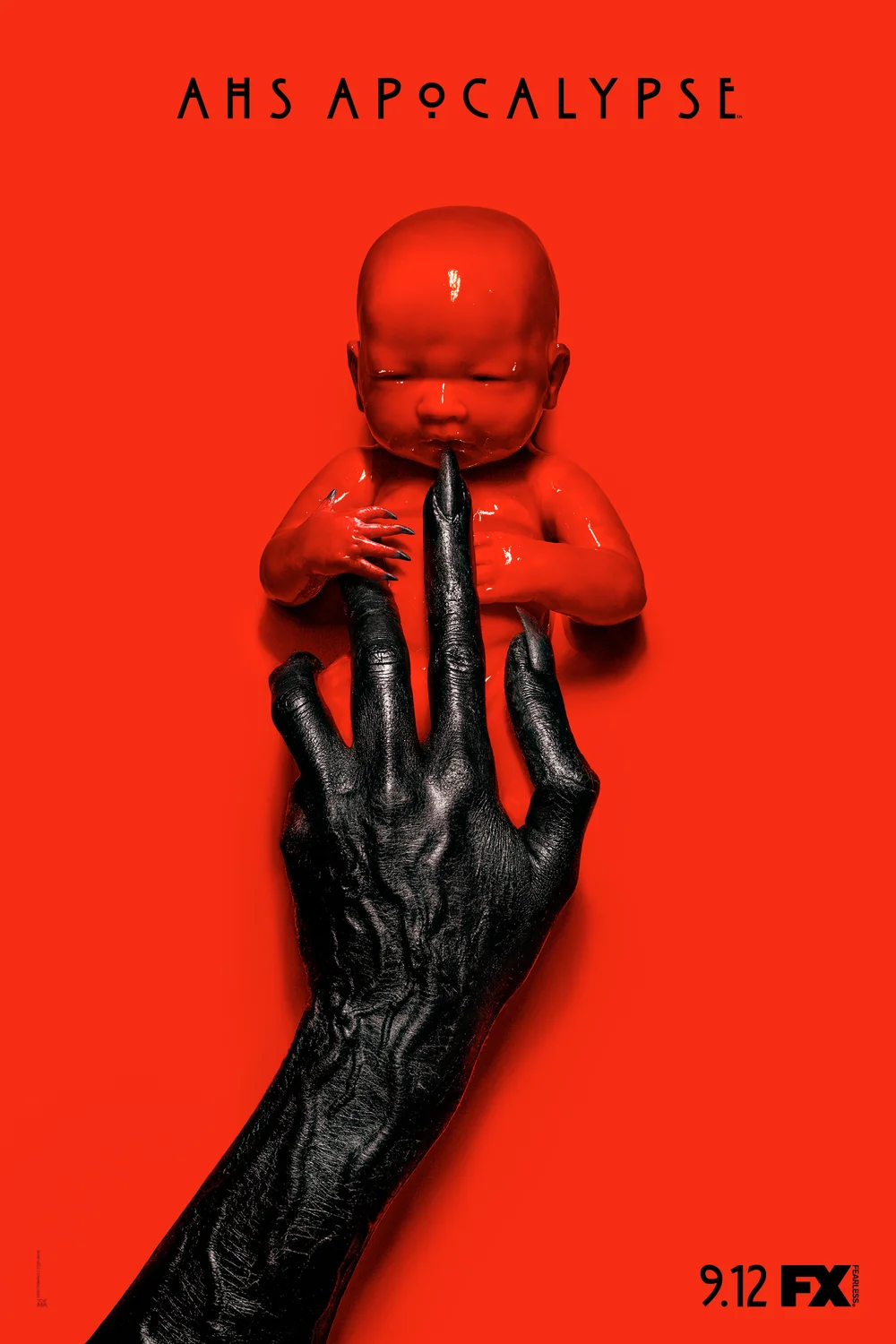
What to Watch Before American Horror Story: 13 — The Essential Coven, Apocalypse and Murder House Catch-Up
You don't need all 12 previous American Horror Story seasons before 13. Here's the practical, spoiler-light watch route — what's essential, what helps, and what you can skip.
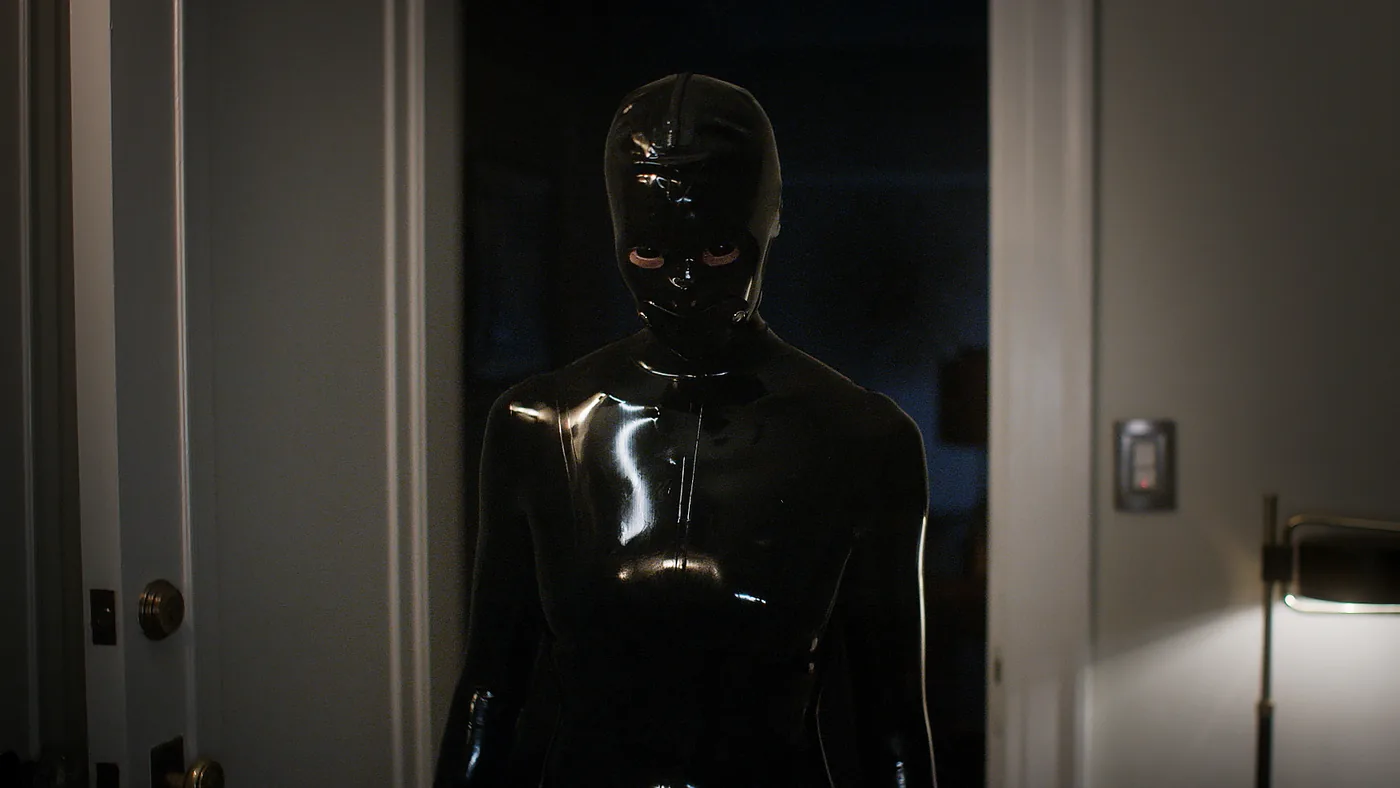
Who Is the Rubber Man in American Horror Story? The Suit Across Murder House and Beyond
Murder House reveals who wears the rubber suit, but later AHS appearances need their own context. Here is what the show establishes without treating the costume as one person.

American Horror Story: 13 — Release Date, Returning Cast and What's Actually Confirmed
American Horror Story: 13 premiered September 24 in the US and September 25 in the UK. Here are the verified release schedule, returning cast and remaining casting questions.
About the author
Kenza Benouna
Movies, TV & Horror Writer
Kenza Benouna writes about movies and television, with a substantial archive in horror. Her Red Reactions work includes reviews, supernatural and franchise lore, story explainers and analysis of character, atmosphere and adaptation.
Coverage: Horror · Movies · TV · Reviews · Lore & Features
More from Kenza Benouna