lore · tv
American Horror Story Timeline Explained: When the Seasons Take Place
Freak Show and Asylum predate Murder House, while Apocalypse rewrites events after 2015. This setting-year table separates main action, flashbacks and changed timelines.
Spoilers for seasons 1–12, especially Apocalypse.
The American Horror Story timeline is not the order in which the seasons aired. Freak Show largely takes place in 1952, Asylum largely in 1964, and 1984 begins in its named year, even though they are the fourth, second and ninth installments. Flashbacks, future scenes and Apocalypse’s changed history make a single chronological watch list misleading. For a first viewing, use the release-order guide.
Main setting, separate from the year it aired
These are main-story periods, not dates for every scene. A range means the story demonstrably spans more than one year or has a substantial later section. “Approximate” means the installment’s contemporary setting is clear but an exact in-universe year should not be inferred merely from its broadcast date.
| Installment | Main story setting | Precision and important qualification |
|---|---|---|
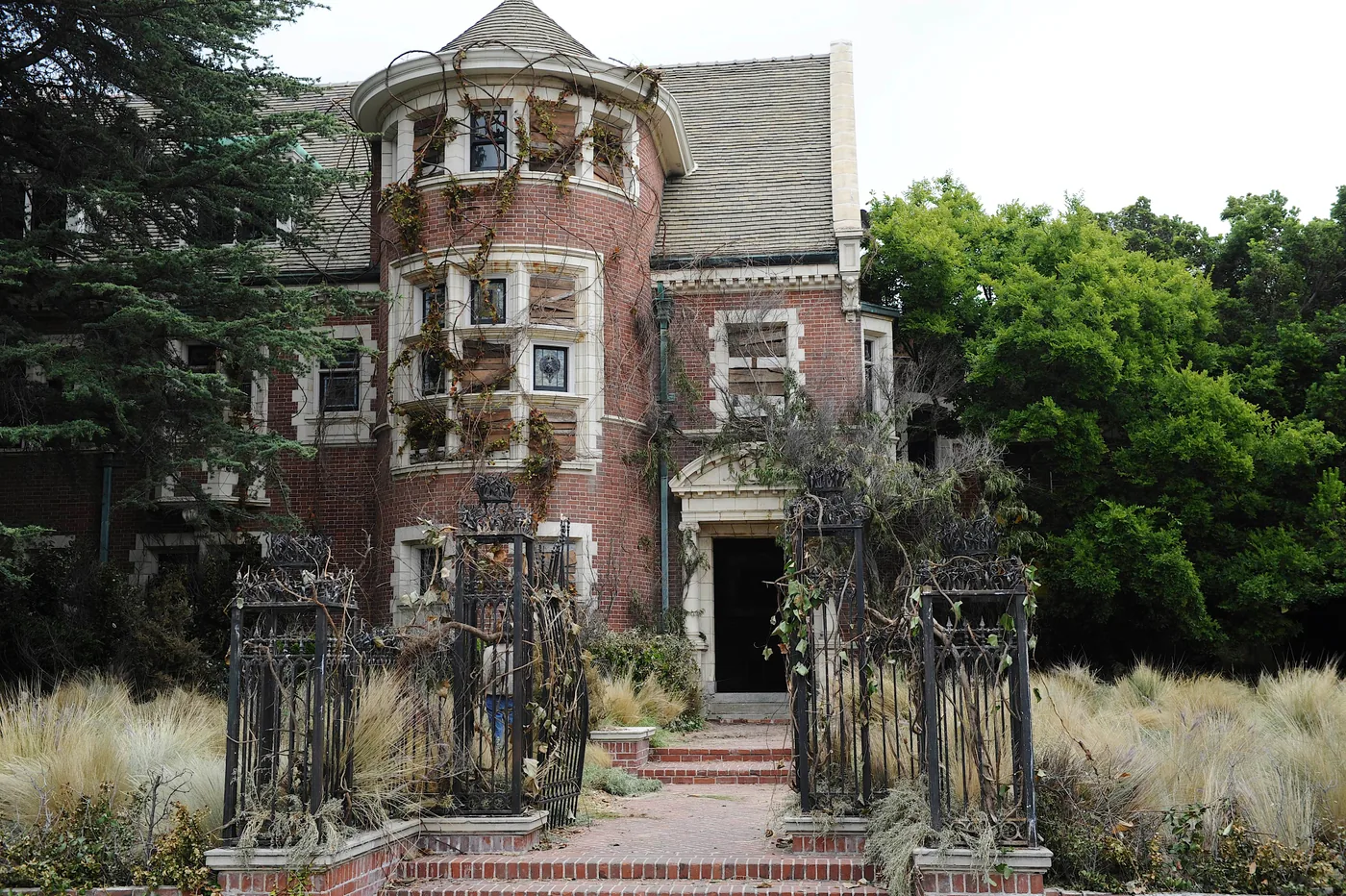
| Murder House | 2011–12 | The Harmons’ main story and finale; many earlier deaths appear in flashbacks. |
| Asylum | 1964–65 | Briarcliff story, with a later Lana Winters frame. |
| Coven | 2013–14 | The coven’s struggle and Supreme succession; historical witch stories are flashbacks. |
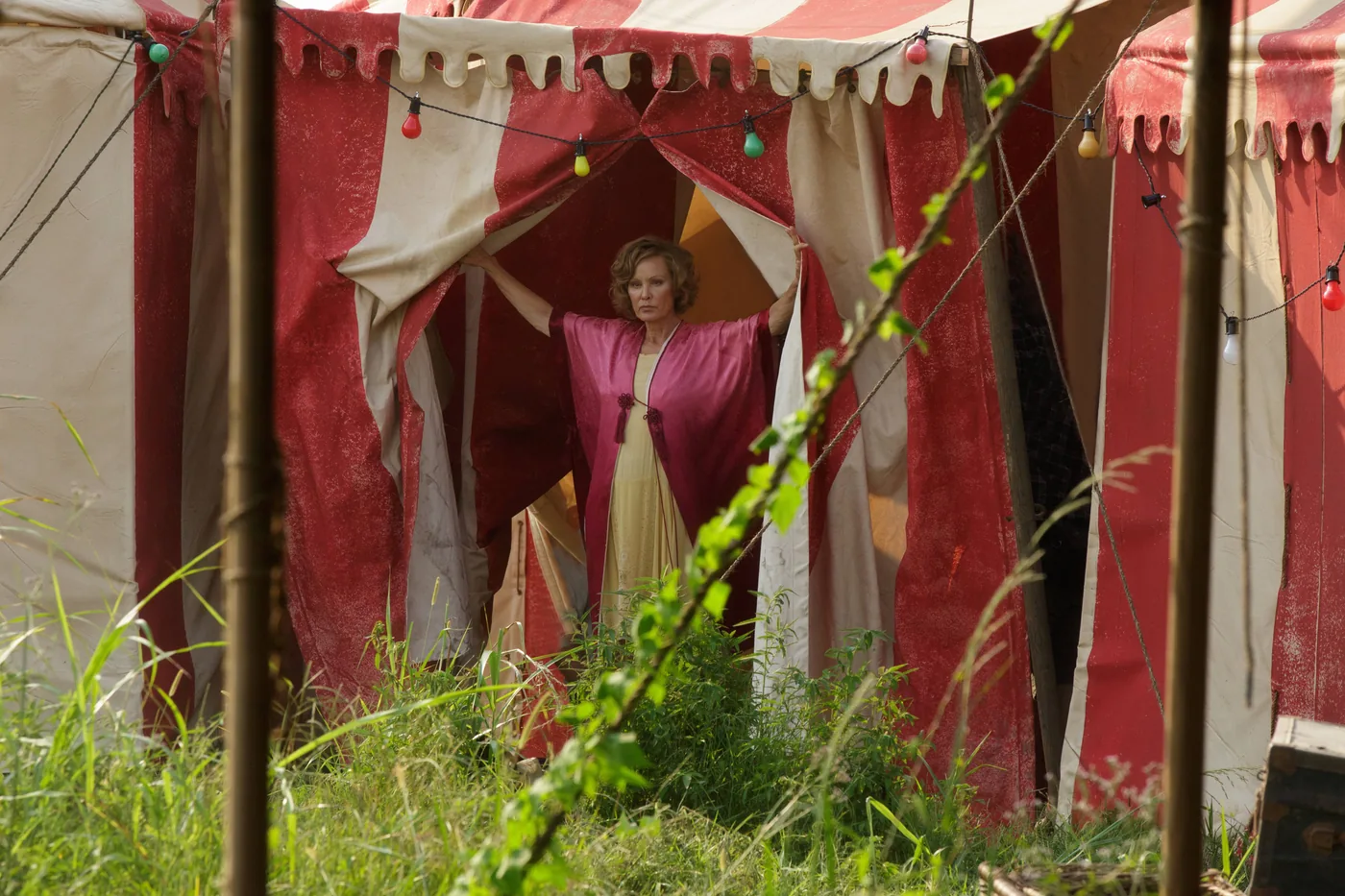
| Freak Show | 1952 | Elsa’s Florida troupe; later scenes show where survivors end up. |
| Hotel | 2015 | The Cortez story, with a significant 2022 scene in the finale. |
| Roanoke | Mid-2010s | The reenactment and return production occur in different years; do not collapse both into the colonial era shown in flashback. |
| Cult | 2016–18 | Begins after the 2016 US election and follows Ally and Kai beyond that year. |
| Apocalypse | 2015, then a 2020–21 future that is changed | Mallory travels back to 2015; the finale also shows a later coda. |
| 1984 | 1984, 1989 and 2019 | The camp story makes two substantial jumps after its opening summer. |
| Double Feature | Two different stories | Red Tide is contemporary; Death Valley alternates mid-century material with a later thread. One year cannot describe the installment. |
| NYC | 1981, with a 1987 end section | FX names its final two episodes “Requiem 1981/1987.” |
| Delicate | Contemporary | The story is set in a modern entertainment and medical world; avoid assigning an exact fictional year from its 2023–24 release alone. |
The exact years in the early rows reflect dates in the stories and TV Guide’s episode-based chronology; FX explicitly sets 1984 in the summer of 1984 and labels NYC’s closing episodes with both 1981 and 1987. Where official summaries do not pin down a present-day year, the table stays less precise.
Flashbacks are not the whole season
Coven reaches into the history of New Orleans and Salem, while its main characters’ conflict unfolds in the 2010s. Hotel explains the Cortez through earlier decades but follows John Lowe and the Countess mainly in 2015. Roanoke’s colonial violence is the subject of a later television production, not the present of every scene. Sorting those installments only by their oldest flashback would hide their actual narrative structure.
What does Apocalypse change?
The season first shows a future in which Michael Langdon brings about nuclear catastrophe. After Cordelia’s sacrifice, Mallory goes back to 2015 and kills Michael before that chain can unfold. The finale then shows changed outcomes, including Queenie being warned away from the Hotel Cortez. Its last child-related scene signals a new threat, but it does not provide a scene-by-scene replacement history for all prior seasons.
That is why the table calls the destroyed future a changed branch. The original events are shown to the viewer; the finale prevents that version from continuing. It would overstate the evidence to declare every ghost scene, prior crossover and later show’s entire history definitively erased. The Apocalypse ending explainer tracks what the finale actually changes, while the connections map distinguishes confirmed returns from theories.

Read these dates as a map of where the central story spends its time, not a recommendation to watch in historical order or a claim that every scene has a settled calendar date. The ghost-rules guide handles another continuity question that the reset alone cannot solve.
Sources
- FX Networks — 1984 official synopsis
- FX Networks — NYC episode guide
- FX Networks — Double Feature episode guide
- FX Networks — Apocalypse episode guide
- TV Guide — American Horror Story timeline — November 14, 2019
- TVLine — Apocalypse finale recap — November 14, 2018
- Disney France Newsroom — Freak Show publicity photos
Related coverage

American Horror Story: Apocalypse Ending Explained — Mallory, Michael and the Reset
The Apocalypse finale changes one timeline, saves the world and ends with a new threat. Here is what happens to Michael, Cordelia and the witches — and what stays uncertain.

American Horror Story: Asylum Ending Explained — Lana, Jude and Kit
The Asylum finale closes Briarcliff, gives Lana a final confrontation and reveals what became of Jude and Kit. Here is what the episode resolves and leaves mysterious.
American Horror Story: Freak Show Ending Explained — Dandy, Elsa and the Survivors
Curtain Call ends Dandy's massacre, sends Elsa to a strange afterlife and lets a few troupe members build lives away from the show. Here is the finale's sequence.
The Langdon Family Tree in American Horror Story: Constance, Tate and Michael
Michael Langdon links Murder House and Apocalypse. This spoiler-marked guide separates his parents, grandmother and the Harmon family without inventing missing relatives.
About the author
Sara Avegaard
Movies & TV Writer
Sara Avegaard covers film, television and streaming for Red Reactions. Her archive spans entertainment news, production and release developments, trailer coverage and explainers that put new announcements in context.
Coverage: Movies · TV & Streaming · Entertainment News · Explainers
More from Sara Avegaard