lore · tv
American Horror Story: NYC Ending Explained — Big Daddy, Gino and Adam
NYC's two-part finale moves from 1981 into later years, confronting illness, loss and Big Daddy's symbolism. Here is what the final episodes establish and leave open.

Full spoilers for NYC, including the two-part “Requiem 1981/1987.”
American Horror Story: NYC ends by moving beyond its 1981 murder investigation into years of illness, grief and activism. Patrick and Hannah die; Gino continues to speak out before he, too, dies. Adam survives and carries their warnings into his community. Big Daddy remains a frightening figure throughout, but the finale does not supply a simple police-case answer in which removing one mask solves the season. Its imagery is tied to the devastation of the AIDS crisis, while the precise status of every Big Daddy appearance remains open to interpretation.
Why does the story move forward in time?
FX calls the final two episodes “Requiem 1981/1987.” The transition is crucial: the threat facing the characters is larger than the killer they have spent much of the season pursuing. The finale follows Patrick as his health deteriorates and Gino stays beside him. It then follows Gino’s years of organizing and informing others as the losses around him continue. The passage of time makes the scale of that grief visible without turning it into a single supernatural twist.
Does Big Daddy have a definitive identity?
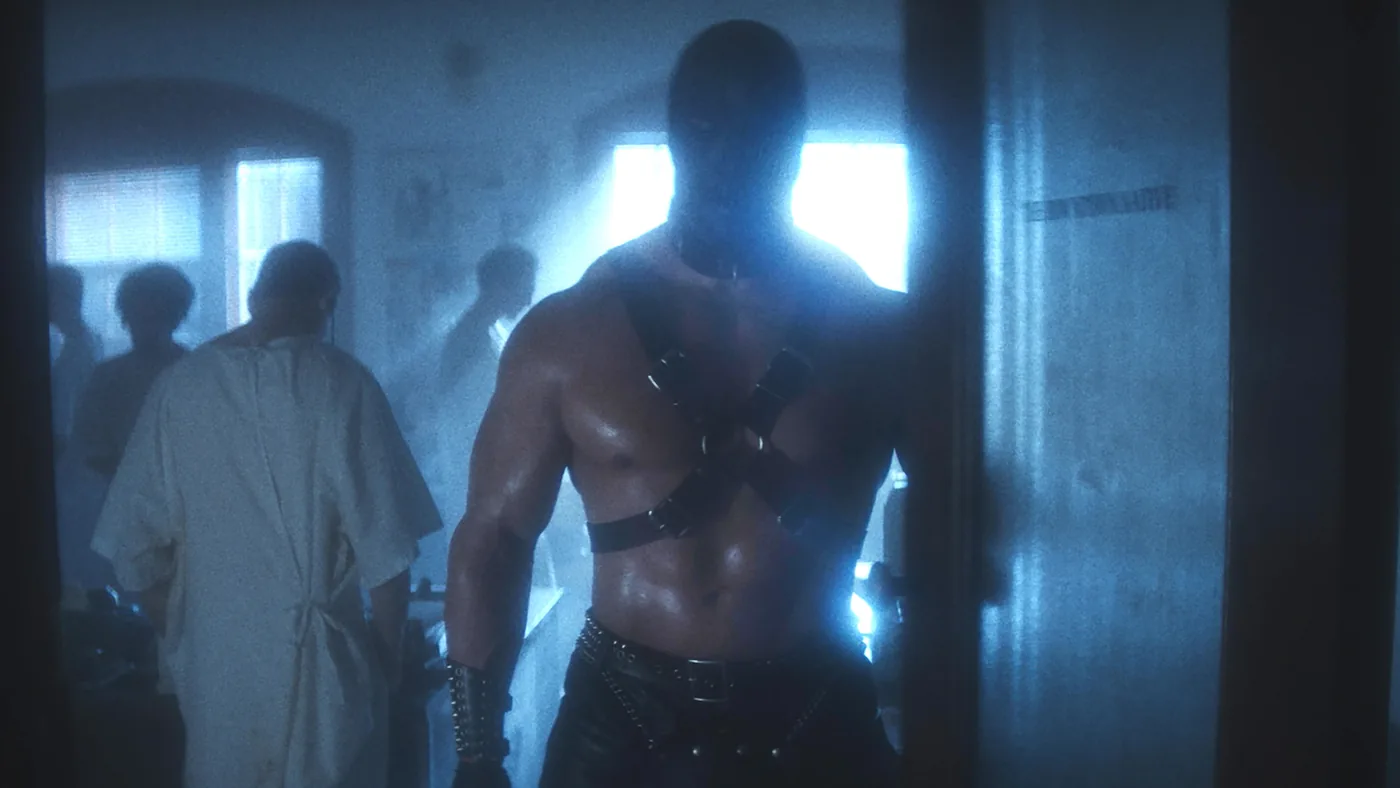
The finale briefly shows a face during Sam’s dreamlike reckoning, yet Big Daddy also appears at moments that do not fit a straightforward single-killer explanation. Treating that face as a complete reveal would flatten the episodes’ repeated associations with fear, disease and death. It is fair to read the figure as symbolic; it is less certain to insist that every appearance follows one perfectly literal rule. The season leaves that tension in place.
What happens to Adam and Hannah?
Hannah dies before she can fully share the conclusions of her research. Adam receives her findings, seeks medical advice and begins warning others about the danger. He remains alive at the end and speaks at Gino’s funeral. His survival is not framed as a cure for the suffering around him; it gives the story a person who can carry knowledge forward.

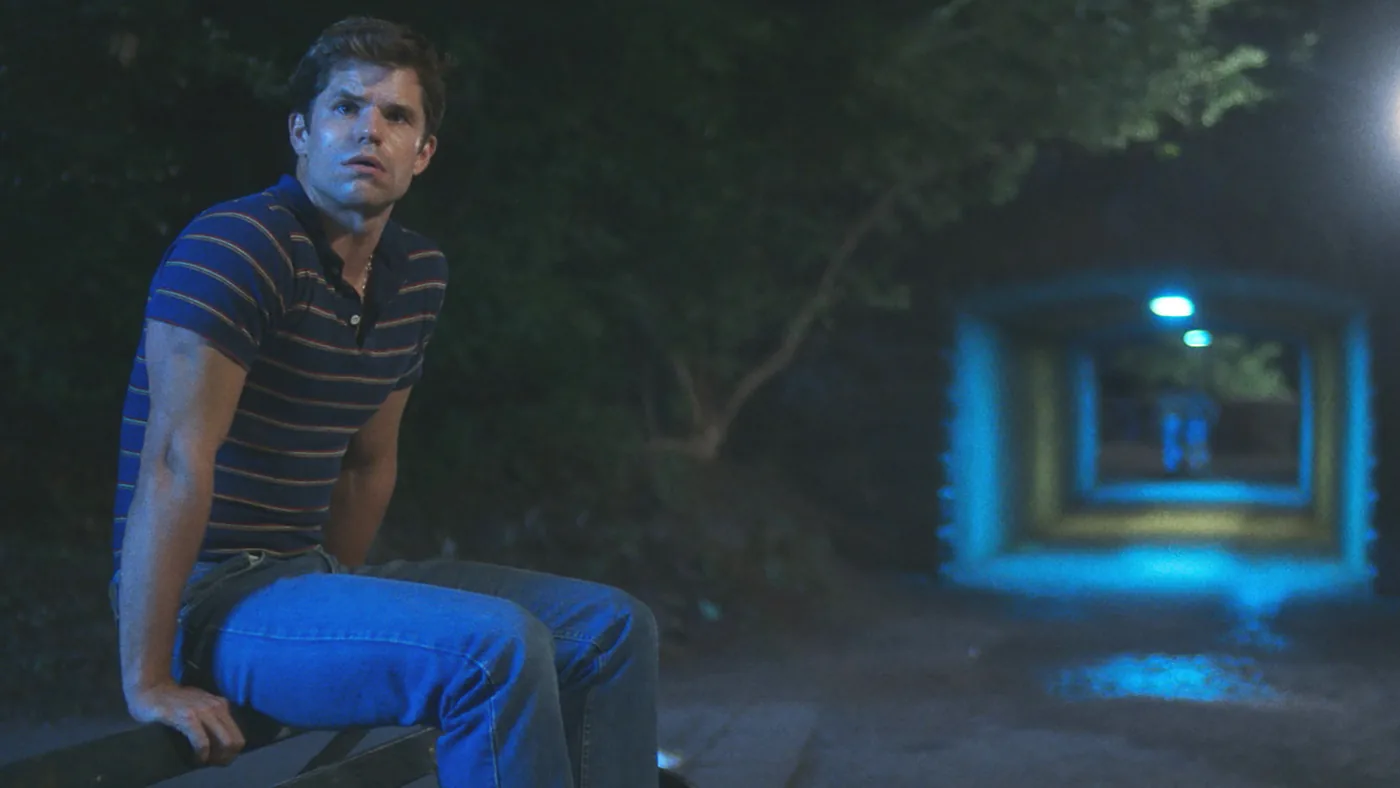
For its place in the larger anthology, the watch-order guide lists NYC as the eleventh installment, while the timeline keeps its 1981 setting and later scenes distinct from its 2022 broadcast. Nothing in the finale requires treating Big Daddy as the same sort of ghost that inhabits Murder House or the Cortez.
Sources
Related coverage

American Horror Story: 1984 Ending Explained — Mr. Jingles and Camp Redwood
The 1984 finale brings Bobby Richter to Camp Redwood in 2019. Here is why the ghosts remain, what happened to Brooke and Donna, and who gets to leave.
American Horror Story: Apocalypse Ending Explained — Mallory, Michael and the Reset
The Apocalypse finale changes one timeline, saves the world and ends with a new threat. Here is what happens to Michael, Cordelia and the witches — and what stays uncertain.
American Horror Story: Asylum Ending Explained — Lana, Jude and Kit
The Asylum finale closes Briarcliff, gives Lana a final confrontation and reveals what became of Jude and Kit. Here is what the episode resolves and leaves mysterious.

American Horror Story: Coven Ending Explained — The New Supreme and the Seven Wonders
Coven's finale names a new Supreme, resolves Fiona's apparent death and leaves the academy with a very different future. Here is what the ending actually shows.
About the author
Sara Avegaard
Movies & TV Writer
Sara Avegaard covers film, television and streaming for Red Reactions. Her archive spans entertainment news, production and release developments, trailer coverage and explainers that put new announcements in context.
Coverage: Movies · TV & Streaming · Entertainment News · Explainers
More from Sara Avegaard