Episode Review
Full spoilersHouse of the Dragon Season 3 Finale Review: Rhaenyra Crosses the Point of No Return
Tumbleton burns, Helaena falls, and the Realm's Delight becomes something else entirely. Our review of 'The Treasons at Tumbleton' — full spoilers.
 By Aram Anwar6 min read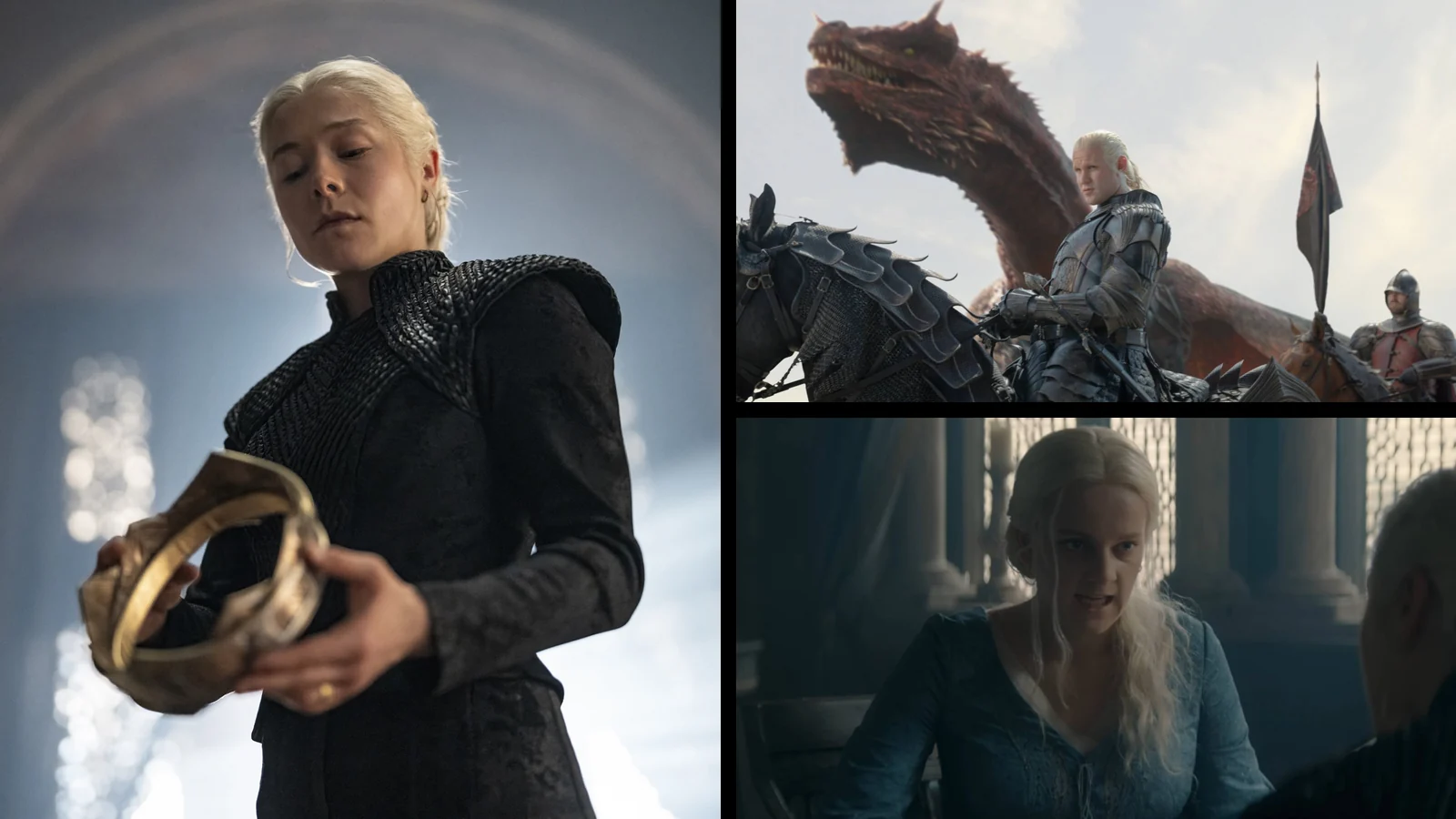
Full spoilers for House of the Dragon Season 3, Episode 8, “The Treasons at Tumbleton.”
Two seasons ago, this show ended a finale with Rhaenyra staring into a fire. Last season it ended with two women looking out at a war neither wanted. This time it ends with a woman finding her good-sister’s corpse on the battlements and a tapestry predicting her own damnation.
House of the Dragon has finally stopped setting the table.
The verdict
The good
- Tumbleton is the largest, most horrifying battle the show has attempted, and it lands
- Emma D’Arcy gives the performance of the series as Rhaenyra stops pretending
- Helaena’s ending is devastating, and Phia Saban plays it without a single false note
- Consequences that actually stick, after a Season 2 finale that mostly promised them
The bad
- Alicent remains stranded on the edge of a story she used to drive
- Mysaria’s dismissal is abrupt enough to feel underdeveloped
- The battle’s logic doesn’t survive much scrutiny once the smoke clears
Rhaenyra stops pretending
The engine of the episode is Aegon’s survival, and what it does to Rhaenyra’s sense of herself.
The smallfolk read a burned king rising from the dead as a miracle. The High Septon, who was never going to anoint her anyway, now has a resurrection to point at. So Rhaenyra walks into the Great Sept and has Alyn kill him — and when Alyn hesitates on the grounds that this means defying the Seven, she reminds him he’s the blood of Old Valyria and those aren’t his gods.
Then she steps outside and tells the crowd about the prophecy. Her father named her heir before every lord of the realm; there’s a darkness coming from the North; dragons are the only thing that can stop it. She finishes by naming herself Rhaenyra the Chosen, the Prince Who Was Promised.
It’s the most naked scene the franchise has done about how divine right actually works: you assert it, and then you kill anyone who won’t confirm it.
D’Arcy is extraordinary here, and the smart thing they’re doing is refusing to play it as villainy. This isn’t a heel turn. It’s a woman who tried patience for two seasons, watched it cost her children, and concluded that the realm only responds to force. She’s not wrong about that. She’s just become the thing she was trying to avoid.
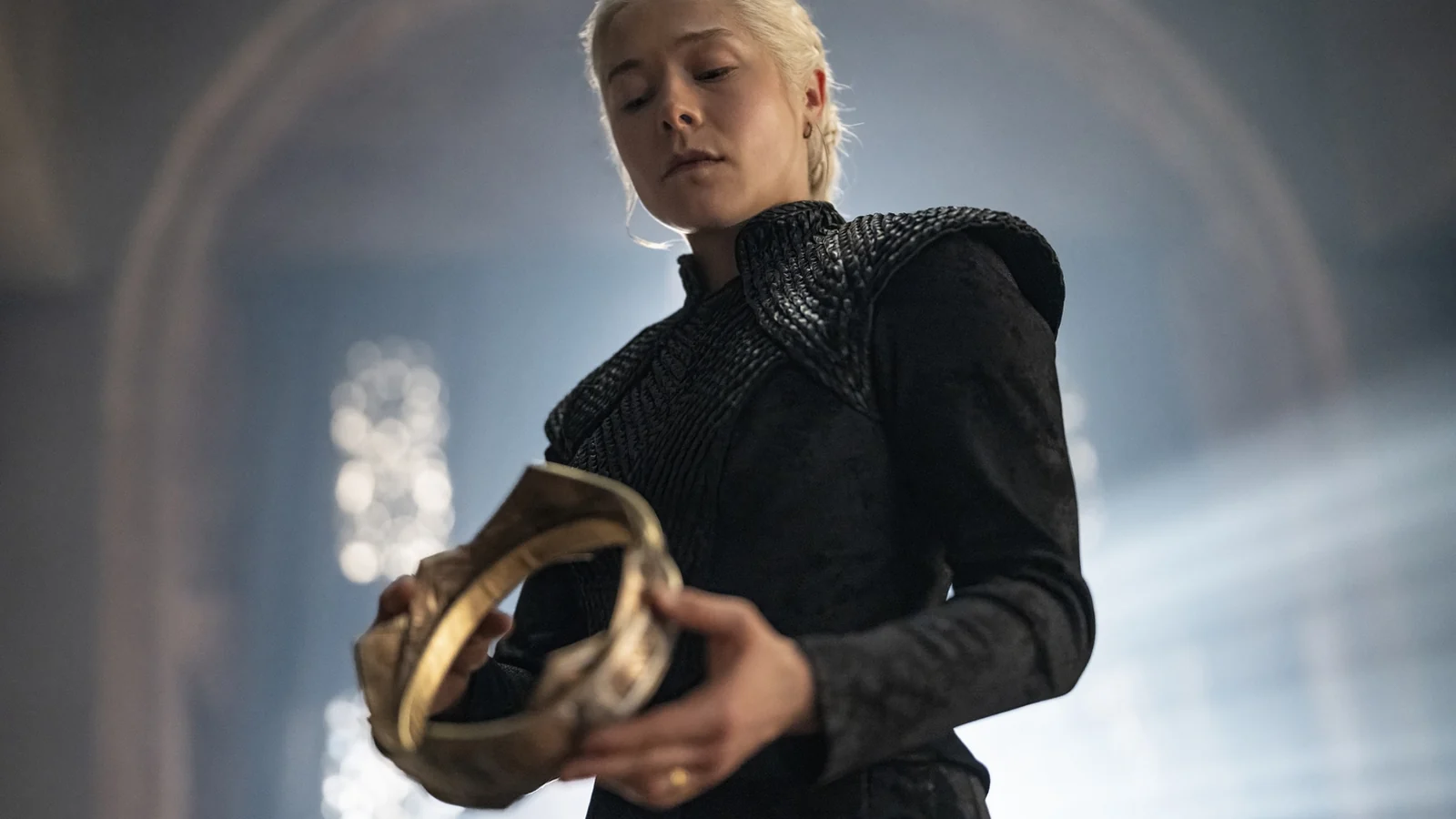
Helaena
The show’s cruellest and best decision.
Helaena has been a captive in the Red Keep, and she’s stopped eating. Rhaenyra’s response is to have the Queensguard hold her down and force food into her mouth — a scene the episode refuses to make easy, and which does more damage to Rhaenyra’s moral position than the High Septon’s execution does.
Left alone, Helaena finishes her tapestry and goes out the window.
The tapestry is the gut-punch. It shows her own death, and it shows Rhaenyra on the Iron Throne with blood running down around her. She has been seeing this coming the entire time, and nobody in this castle ever once treated her visions as anything but a resource to be mined.
Phia Saban has spent three seasons playing someone everyone talks over. Her last act is the only decision anyone let her make.
Note for book readers: this is a major adaptation change. In Fire & Blood, Maelor’s death at Bitterbridge is the major catalyst. The show instead makes Rhaenyra’s captivity and cruelty a direct part of the chain leading to Helaena’s death, alongside Mysaria’s warning and Helaena’s own visions.
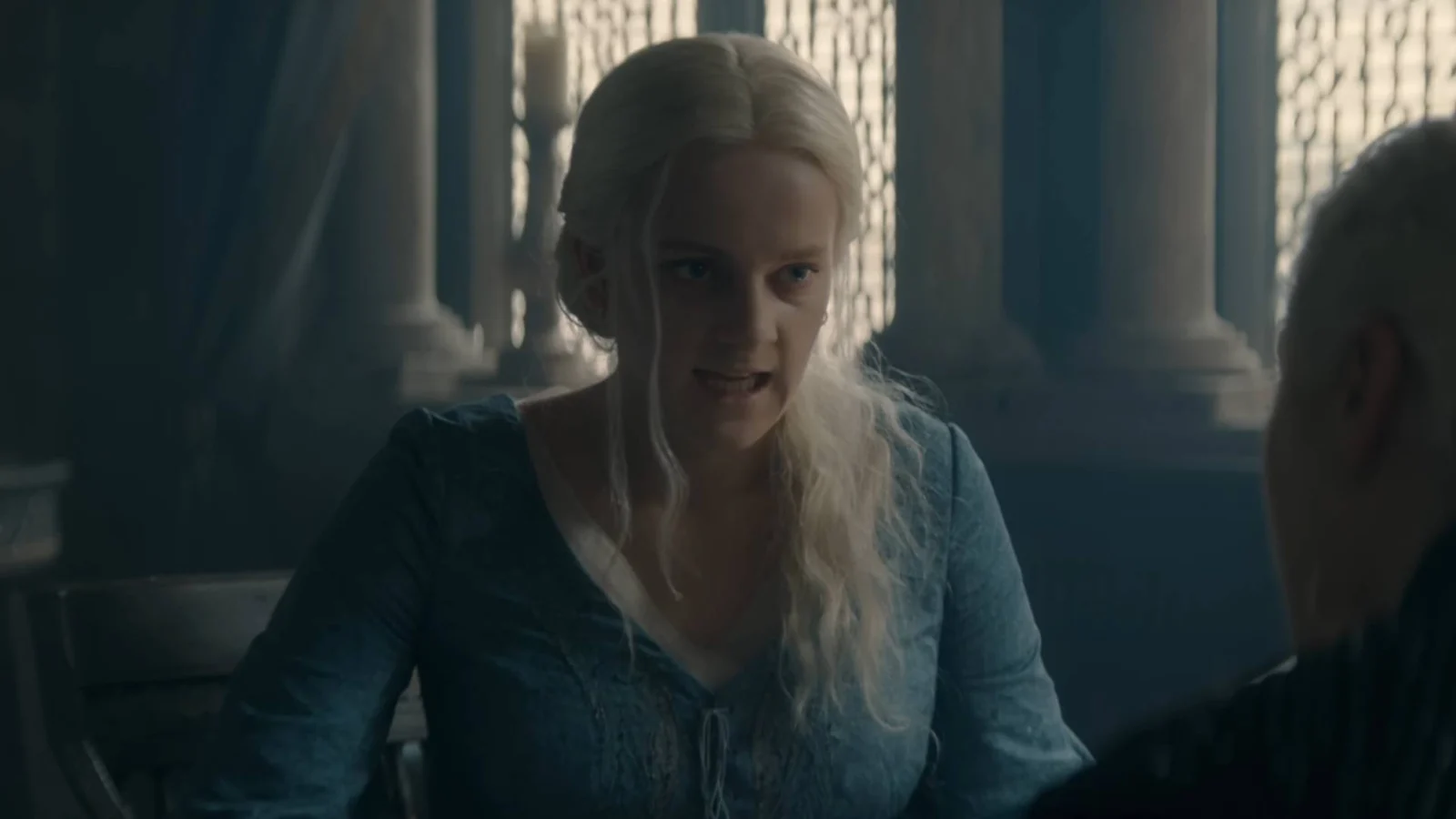
Tumbleton
The battle is the biggest thing this show has ever staged, and for long stretches it’s genuinely frightening.
Ormund Hightower lines the walls with children. The Black host arrives in overwhelming numbers, Roderick Dustin’s confrontation with Ormund gives the ground war its one clean heroic beat, and then Ulf — who had already drunk his way over to the Greens before a sword was drawn — takes Silverwing up and burns everything underneath him, Green and Black and Tumbletonian alike.
That’s the sequence the season has been building toward thematically: not a battle that dragons decide, but a battle dragons erase. Daemon spends the whole season arguing that Rhaenyra should use total dragon power, then walks through the ashes of what that looks like. Hugh finds Kat dead in them. Our guide to which dragons are still alive after Season 3 follows the balance left behind. Andrij Parekh keeps the geography legible for as long as legibility is the point, then lets it dissolve.
It’s also the part of the episode that falls apart fastest afterwards. Erik Kain at Forbes has written at length about the battle’s internal logic, and he’s right that several decisions only make sense because the plot requires them.
Some of the season’s setup also looks shakier once Tumbleton arrives. The earlier false-Daeron scheme, for example, asks the audience to accept that Daemon and Rhaenyra could be fooled without Tessarion exposing the deception.
Spectacle this good buys a lot of patience. It doesn’t buy infinite patience.
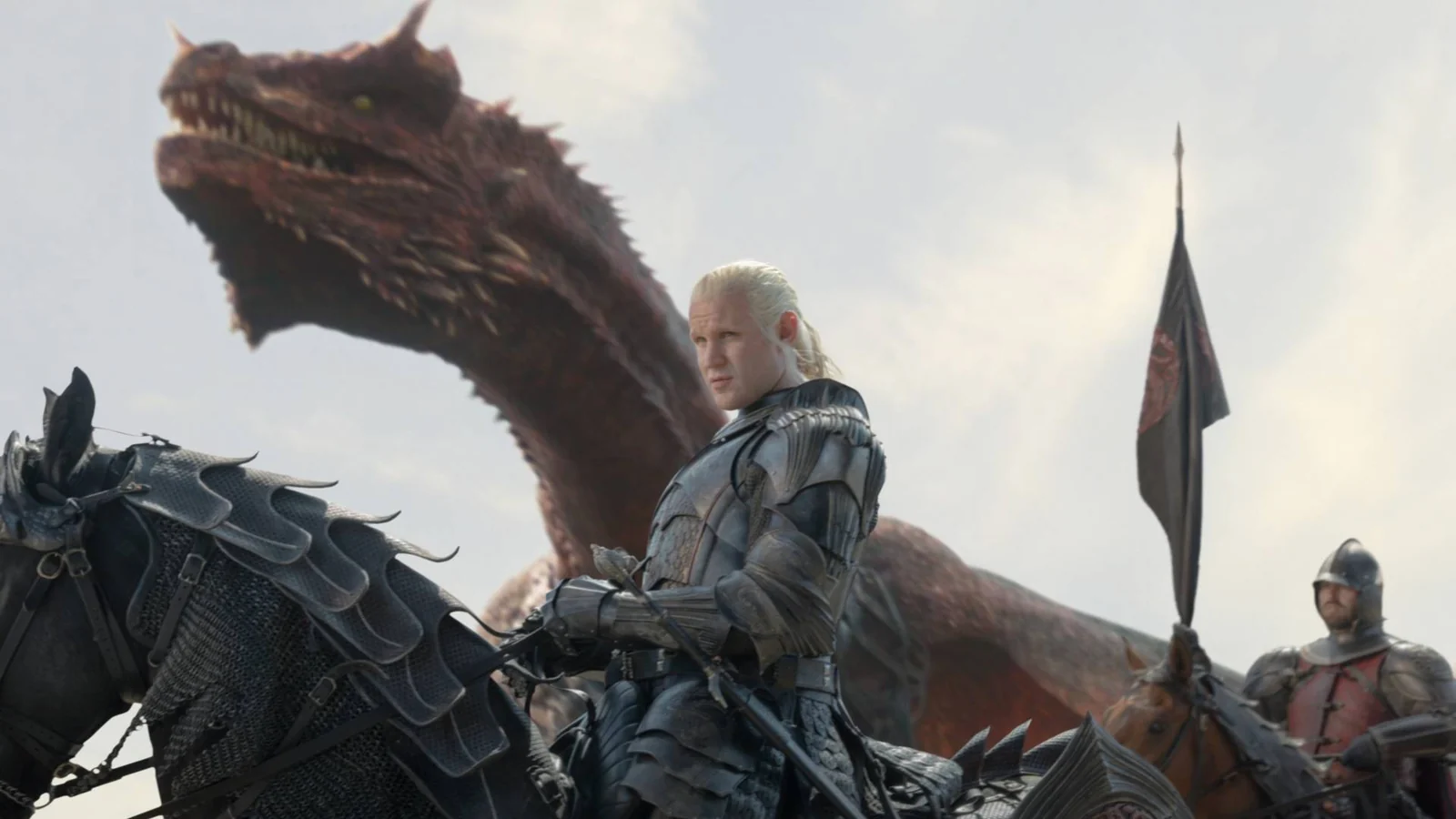
Where everyone lands
Aegon and Aemond get the episode’s funniest and strangest scene. Aegon flies Sunfyre to Harrenhal fully intending to kill his brother, finds a broken man who kneels and begs forgiveness, and greets him with a slap and “I’m alive, imbecile!” He doesn’t forgive him. He does need him. The plan — find Vhagar, deal with Tumbleton, take King’s Landing — is now a joint one, which is a genuine inversion of Rhaenyra’s arc. She’s hardening; he’s finally growing up.
Note that Vhagar is missing, not mustered. That’s a loaded gun for Season 4, not a resolved asset.
Alicent is in the Red Keep with no power at all, which remains this season’s biggest structural waste. Olivia Cooke has been given almost nothing to do since the midpoint, and having her discover Helaena’s body is not a substitute for a story.
Mysaria is dismissed from Rhaenyra’s service, but she hasn’t left King’s Landing. The episode places her in the crowd during Rhaenyra’s speech, watching with concern. What that means for the final season remains deliberately unresolved. The dismissal itself is the problem — it’s abrupt enough that a character three seasons in the making gets moved offstage in a scene and a half.
Daeron is missing in the wreckage with Gwayne searching for him, and Ulf ends the season a rogue dragonrider answerable to nobody. Our Daeron Targaryen explainer follows the prince’s path to that cliffhanger. Both are Season 4 problems.
The bottom line
Season 2 ended with the pieces arranged. Season 3 ends with the board on fire.
This is the best episode House of the Dragon has produced, and it works because the spectacle and the character work are the same argument: dragons cannot be aimed, and neither can the people who ride them. Rhaenyra didn’t become a tyrant in the Great Sept. She became one the moment she decided the prophecy made her right.
Season 4 is the last, and it now has everything it needs — a queen burning through what legitimacy she has left, two brothers and a missing dragon, a city one atrocity away from revolt, and a madman in the sky.
Whether the final season can land it is a problem for another day. This one stuck.
Make Red Reactions a preferred source
Choose Red Reactions as a preferred source in Google Search.
Confirm your choice on Google.
Related coverage
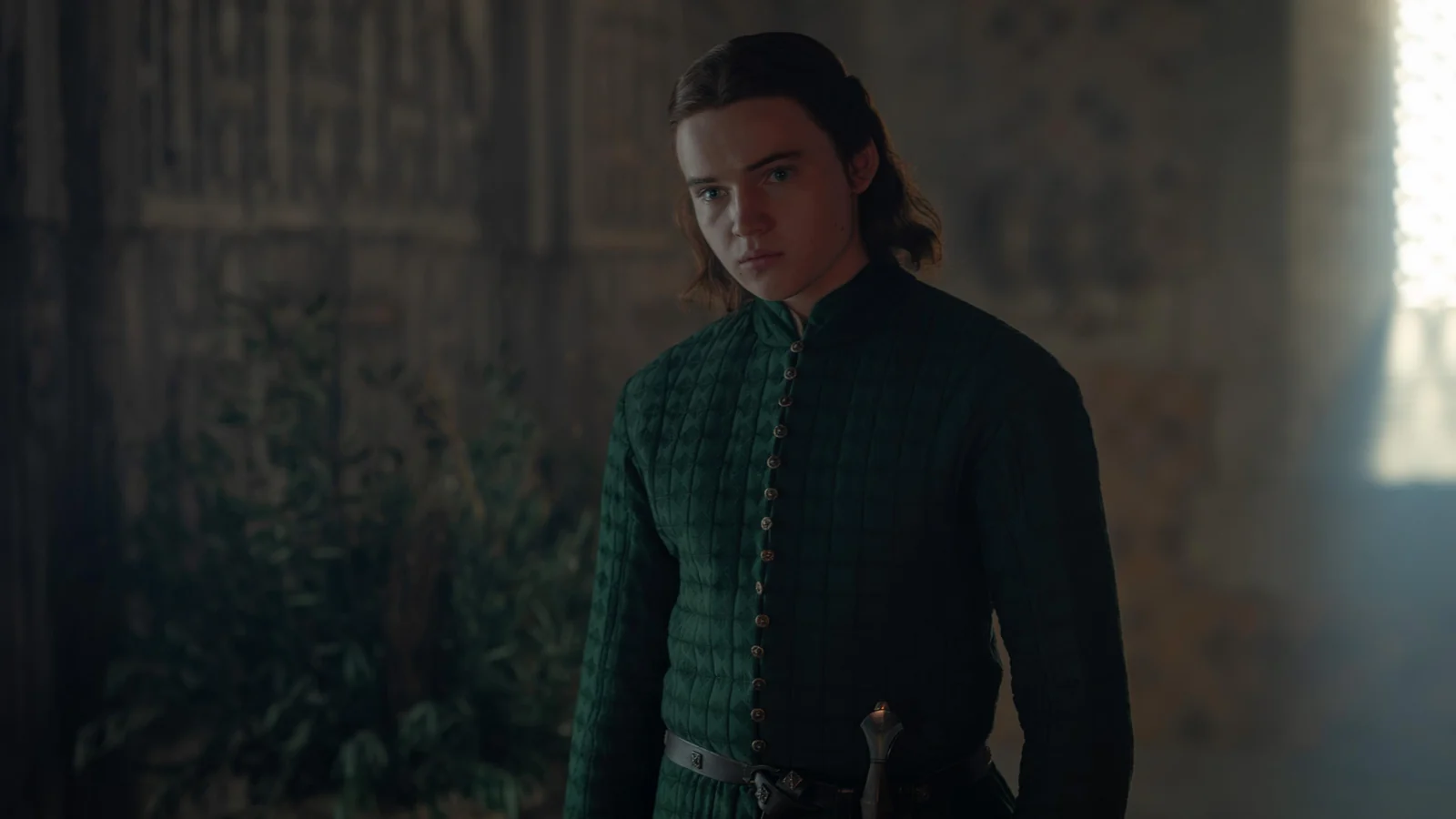
Who Is Daeron Targaryen? House of the Dragon's Missing Prince Explained
Alicent's fourth child spent two seasons offscreen and one season as a hostage in all but name. Now he's the biggest cliffhanger heading into the final season.
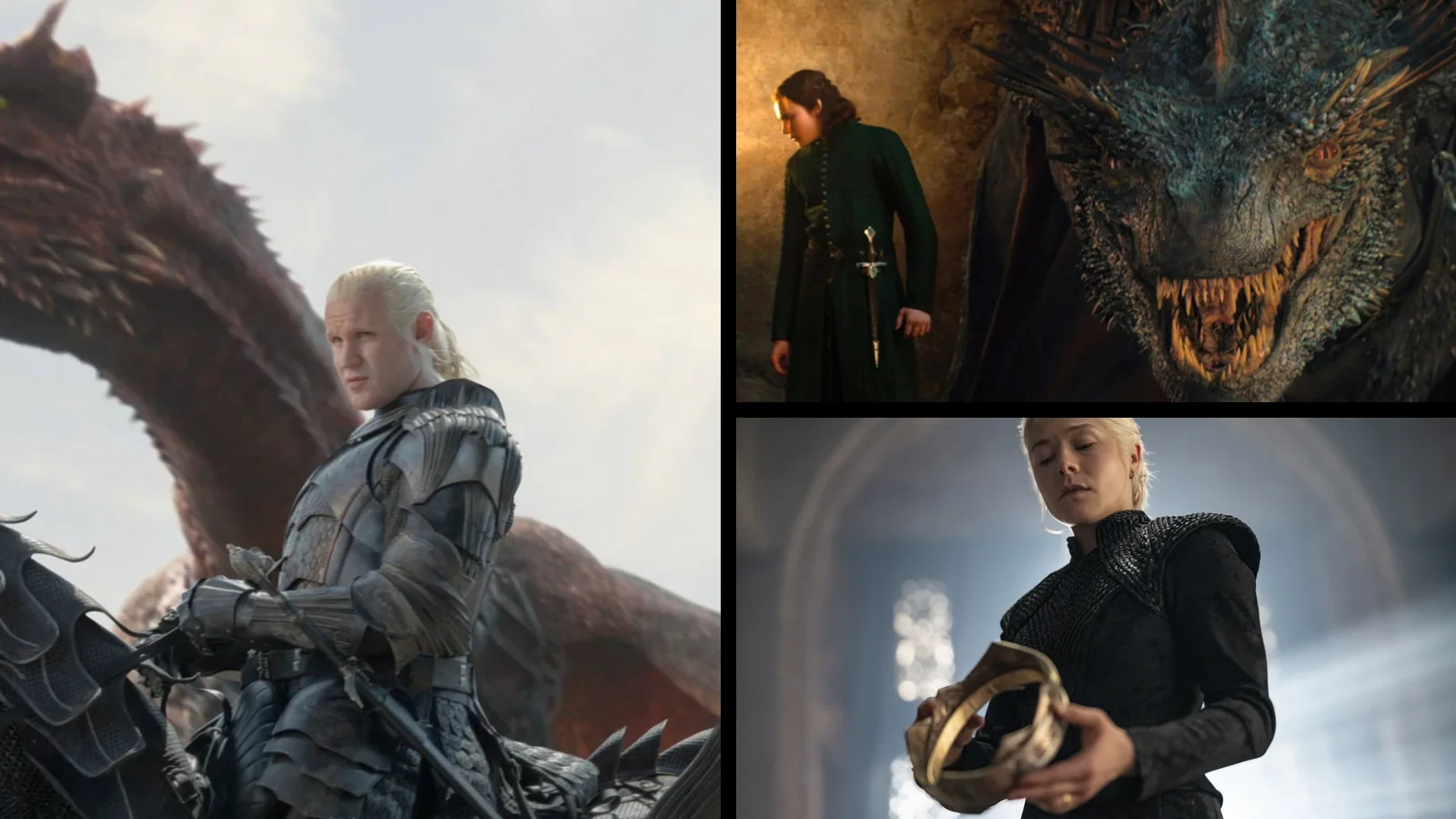
Every Dragon Alive After House of the Dragon Season 3 (And Who Rides Them)
Tumbleton didn't just kill people. It broke the dragon balance of the war. Here's every living dragon, every rider, and who actually holds the advantage now.
Supernatural Review: 15 Seasons Later, It's Still One of the Best Genre Shows Ever Made
327 episodes. Two brothers. One Impala. A retrospective review of Supernatural — what it got right, what it got badly wrong, and why it still works.
Lanterns Premiere Reviews: Strong Early Response to HBO's Green Lantern Mystery
This launch-roundup records Lanterns' early critical response, including praise for Kyle Chandler and Aaron Pierre's chemistry and its grounded DC mystery.
About the author
Aram Anwar
Founder & Editor
Aram Anwar founded Red Reactions and writes across comics, gaming, movies and television. His work includes franchise guides and large Lore / Explained features, with an emphasis on separating confirmed details from reports, theory and speculation.
Coverage: Comics · DC & Marvel · Gaming · Movies & TV · Lore / Explained · Guides
More from Aram Anwar