lore · comics / movies
Ghost Rider Explained: Johnny Blaze, Robbie Reyes, the Spirit of Vengeance and the Penance Stare
A flaming skull, a demonic pact, and a stare that ends fights before they start. Here's who Ghost Rider actually is, how the different Riders differ, and what Marvel has and hasn't confirmed about Ryan Gosling's version.
Ghost Rider is the name of a curse, not a person. Several different people have carried it, and the deal that creates each one is almost always worse than it sounds.
At its core, Ghost Rider is a human bonded to a Spirit of Vengeance — a demonic entity that turns its host into a flame-skulled figure who punishes the guilty, usually at the cost of the host’s own control. Johnny Blaze is the original and the most widely adapted. Robbie Reyes, introduced decades later, works completely differently. And this September, Ryan Gosling is bringing some version of the character to the MCU for the first time.
Johnny Blaze’s origin — and why “the” origin has changed more than once
The character debuted in Marvel Spotlight #5 (August 1972), created by writer Gary Friedrich and artist Mike Ploog under editor Roy Thomas. The original setup is a classic devil’s bargain: stunt motorcyclist Johnny Blaze, desperate to save his father figure Crash Simpson from terminal cancer, unknowingly summons the demon Mephisto and sells his soul in exchange for a cure. Mephisto holds up his literal end of the deal and then lets Crash die in an accident anyway — the disease is gone, but the man dies regardless. As payment collection, Mephisto binds Johnny to a demonic entity, and the flaming-skulled Ghost Rider is born.
That’s the 1972 version. Marvel added a name and a backstory for the demon — Zarathos — later on, and that detail has itself been rewritten more than once since. One widely used version casts Zarathos as a former angel tasked with guarding humanity from evil, who was tricked into Hell by Mephisto and tortured there for millennia until his mind broke and he became a being purely interested in punishing sinners; Mephisto then fuses the corrupted Zarathos with Johnny as part of the same bargain. Marvel has revisited and altered the exact mechanics of the Blaze/Mephisto/Zarathos relationship multiple times across different eras and writers. Treat any single version — including this one — as the current dominant account, not an unchangeable fact the character has always had.
The Penance Stare, and what it actually does
Ghost Rider’s signature move isn’t a punch. The Penance Stare forces a guilty target to consciously relive every pain they’ve ever inflicted on another person, all at once — and the standard result is that the victim is left catatonic afterward. It’s less a weapon than a verdict.
Crucially, it doesn’t work on everyone. Marvel has established that characters without meaningful remorse for their actions — Deadpool, Punisher and Thanos among them — are effectively immune, because the Stare requires guilt to exploit in the first place. A being with no conscience left to confront has nothing for the Stare to unlock.
Hellfire, the chain, the ride, and durability
The rest of the powerset is built around the same theme. Hellfire is the mystical flame that engulfs Ghost Rider’s skull and can be channeled outward as an offensive weapon. The chain — sometimes wreathed in ordinary hellfire, sometimes crackling with a blue electrical variant — functions as both a bladed weapon and a way to physically bind enemies. The motorcycle (or, for Robbie Reyes, the car) isn’t just transportation; it’s part of the iconography, generally supernatural in its own right and durable well beyond anything roadworthy. And the host body itself gains substantial durability, letting Ghost Rider walk away from fights that would kill an ordinary person, which matters because the character routinely goes up against genuinely dangerous supernatural threats rather than street-level criminals.
Danny Ketch: a different deal entirely
Johnny Blaze isn’t the only Ghost Rider, and the differences matter. Danny Ketch becomes a Ghost Rider after his sister Barbara is critically wounded by gang members; fleeing into a junkyard, he finds a mystical motorcycle marked with an occult symbol, touches it, and is transformed. There’s no bargain, no demon he owes anything to, and — notably — his relationship with his own Spirit of Vengeance is far less adversarial than Blaze’s was with Zarathos. A 1990s retcon later revealed Danny and Barbara as Johnny Blaze’s long-lost half-siblings, tying the Ketch and Blaze Riders into one extended family rather than two unrelated legacies.
Robbie Reyes: the version that broke the formula
Robbie Reyes, introduced in All-New Ghost Rider #1 (2014), works nothing like either predecessor. A street racer supporting his disabled younger brother Gabe after their parents’ deaths, Robbie takes in a 1969 Dodge Charger that happens to be hiding drugs belonging to the villain Mr. Hyde. When Hyde’s mercenaries track the car down and kill Robbie in the process, a hellish presence revives him — the spirit of his own estranged uncle, Eli Morrow, a serial killer executed by police whose soul became bound to the Charger after his death. Robbie becomes Ghost Rider through a family curse, not a bargain he made himself, and his car is as central to the character as Blaze’s motorcycle is to his.
Mephisto’s role, and other Riders
Mephisto sits behind most of this even when he isn’t directly present in a given story — the deal-making demon whose bargains created Johnny Blaze’s curse in the first place and who has repeatedly returned to manipulate later Ghost Rider stories. Beyond Blaze, Ketch and Reyes, Marvel has used the Spirit of Vengeance concept across other hosts and eras too, including Alejandra Jones and the Old West-era Carter Slade — worth knowing the role has never belonged to just one person, but not essential detail for understanding any single film or show.
Screen history before Gosling
Nicolas Cage played Johnny Blaze in two films, 2007’s Ghost Rider and 2012’s Ghost Rider: Spirit of Vengeance, both outside the MCU proper. On the television side, Gabriel Luna played Robbie Reyes in Agents of S.H.I.E.L.D., bringing the more modern, car-based version of the character to the small screen years before Marvel Studios attempted a big-screen MCU version.
What’s officially confirmed about the Ryan Gosling film
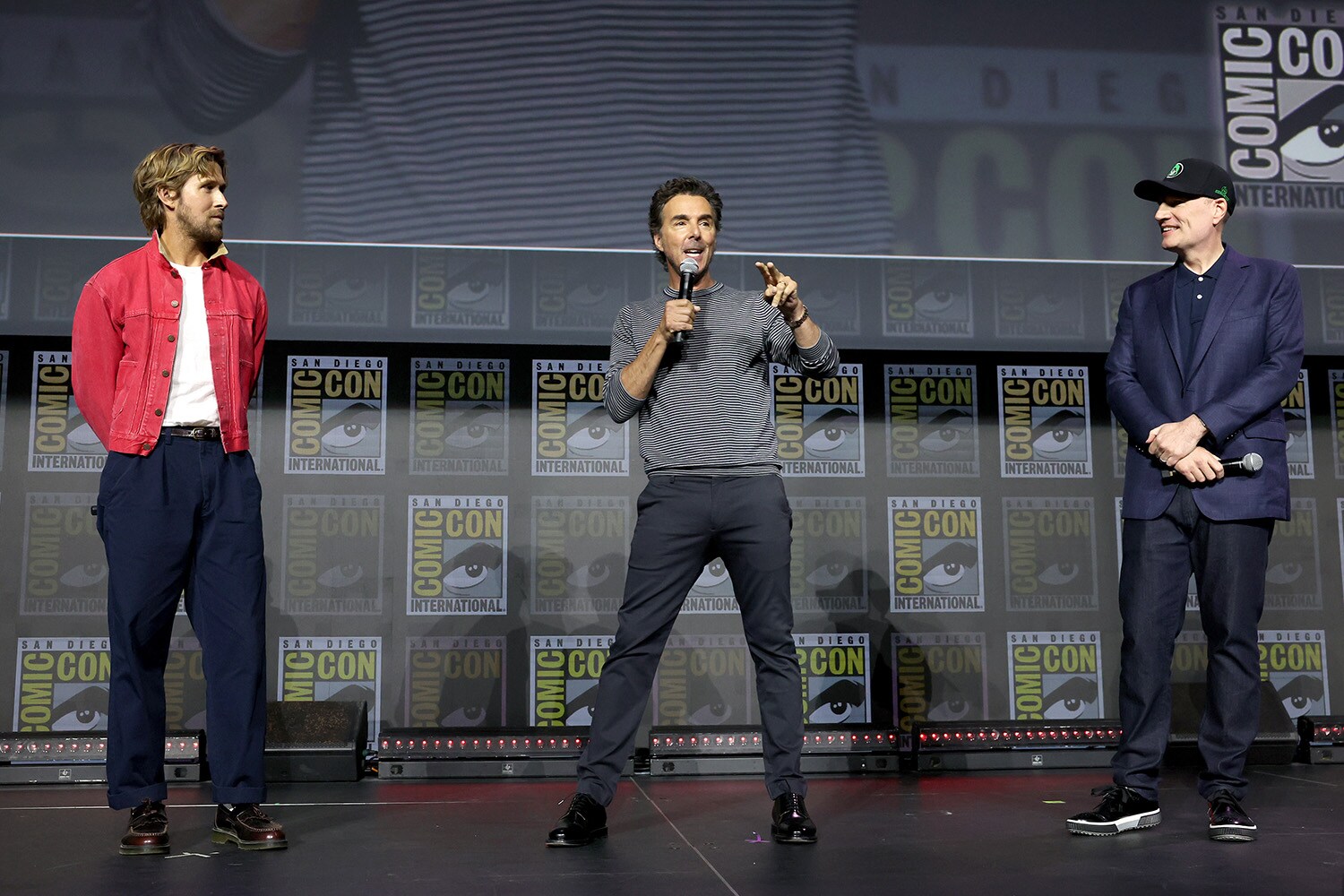
At Marvel Studios’ 2026 San Diego Comic-Con presentation, Ryan Gosling was announced as the star of a new Ghost Rider film, with Deadpool & Wolverine director Shawn Levy directing and Jonathan Tropper writing the script. The Los Angeles Times has reported a July 28, 2028 release date, though Red Reactions has not located a primary Marvel or Disney announcement confirming that exact day, so treat the date as report-level rather than studio-confirmed. For the full breakdown of what’s known about the release window and where it sits on Marvel’s 2028 slate, see our existing Ghost Rider movie news coverage.
Here’s the detail worth being precise about: Marvel’s official announcement does not identify which human host Gosling is playing. Johnny Blaze is the version most associated with the character’s previous feature films, and Gosling has spoken publicly for years about wanting to play Ghost Rider, which has fueled understandable assumptions. But an assumption isn’t a confirmation. As of publication, Marvel has not named Gosling’s version of the character on the record, and any claim stating definitively that he’s playing Johnny Blaze, Danny Ketch, Robbie Reyes or an entirely new host goes further than what the studio has actually said.
The bottom line
Every Ghost Rider shares the same basic shape — a person bound to a vengeful spirit, marked by a flaming skull, capable of ending a fight by making someone relive their own cruelty — but the how and why changes with every host, and Marvel has rewritten Johnny Blaze’s own specifics more than once. Whatever the MCU version turns out to be, the honest answer right now is that Marvel has confirmed the actor and the concept, and essentially nothing else.
Sources
Related coverage
Ryan Gosling's Ghost Rider Reportedly Set for July 28, 2028
Ryan Gosling will star in a Marvel Studios Ghost Rider film planned for 2028, while the July 28 release date remains report-level pending a primary Marvel or Disney announcement.
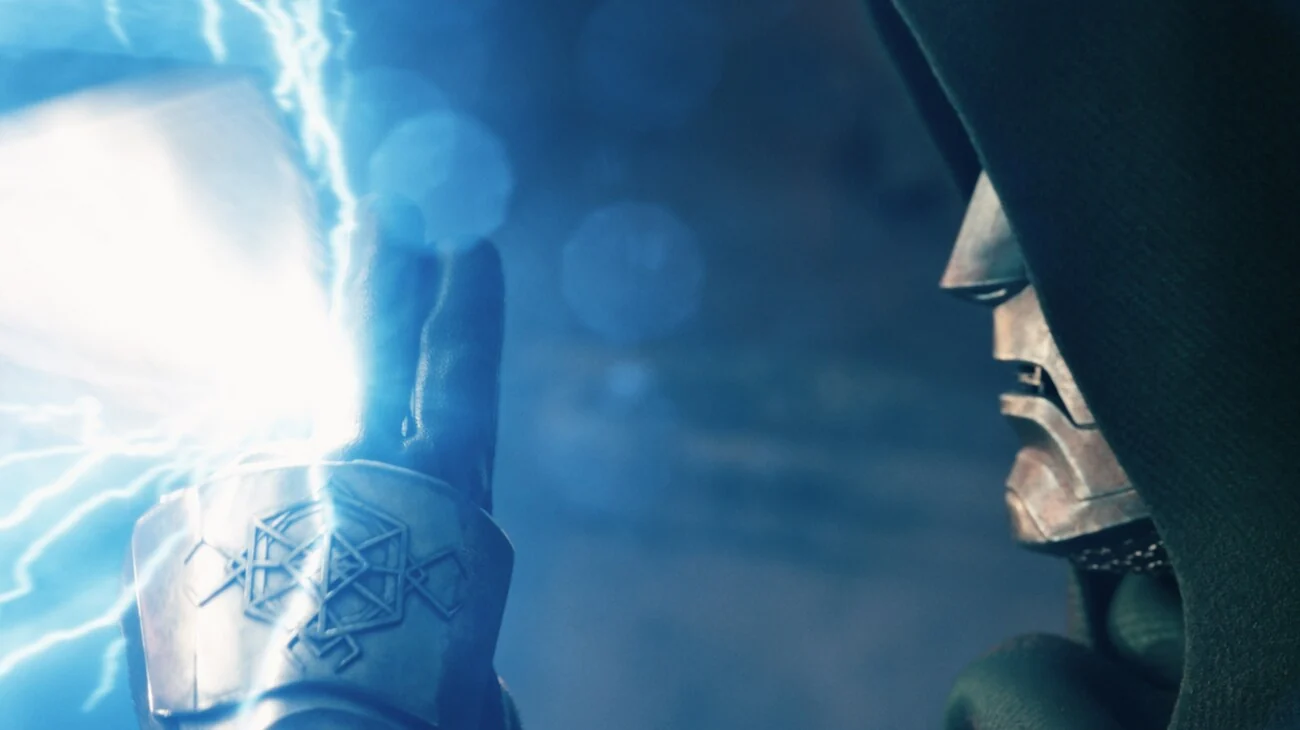
Marvel Incursions Explained: How Universes Collide and Why They Matter for Secret Wars
Two Earths, eight hours, and one impossible choice. Here's how Marvel's incursions actually work in the comics, how the MCU has already used the term, and what's confirmed for Doomsday and Secret Wars versus comic-book precedent.
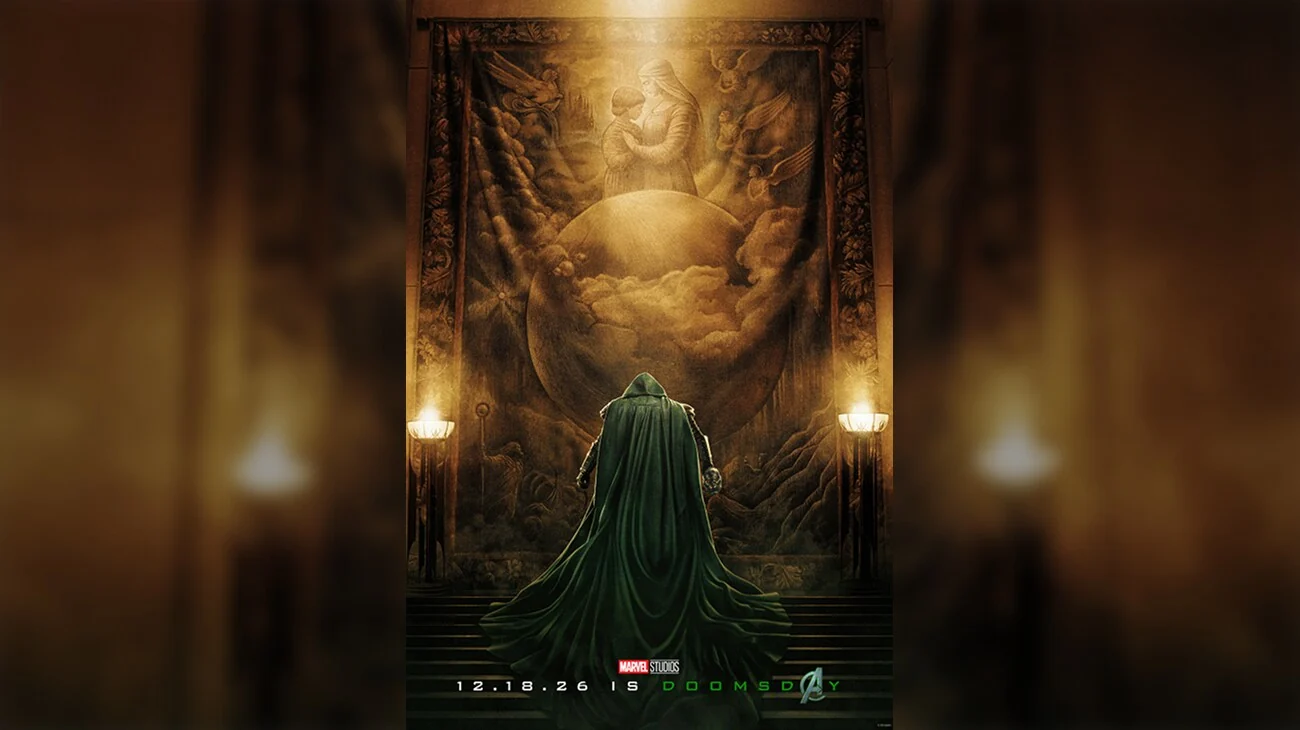
Battleworld Explained: Doctor Doom's Secret Wars World and How It Actually Works
One planet built from hundreds of dead universes, ruled by a god who used to be a man. Here's how Battleworld actually functions, why it isn't the same thing as 1984's Battleworld, and what the MCU has and hasn't confirmed.
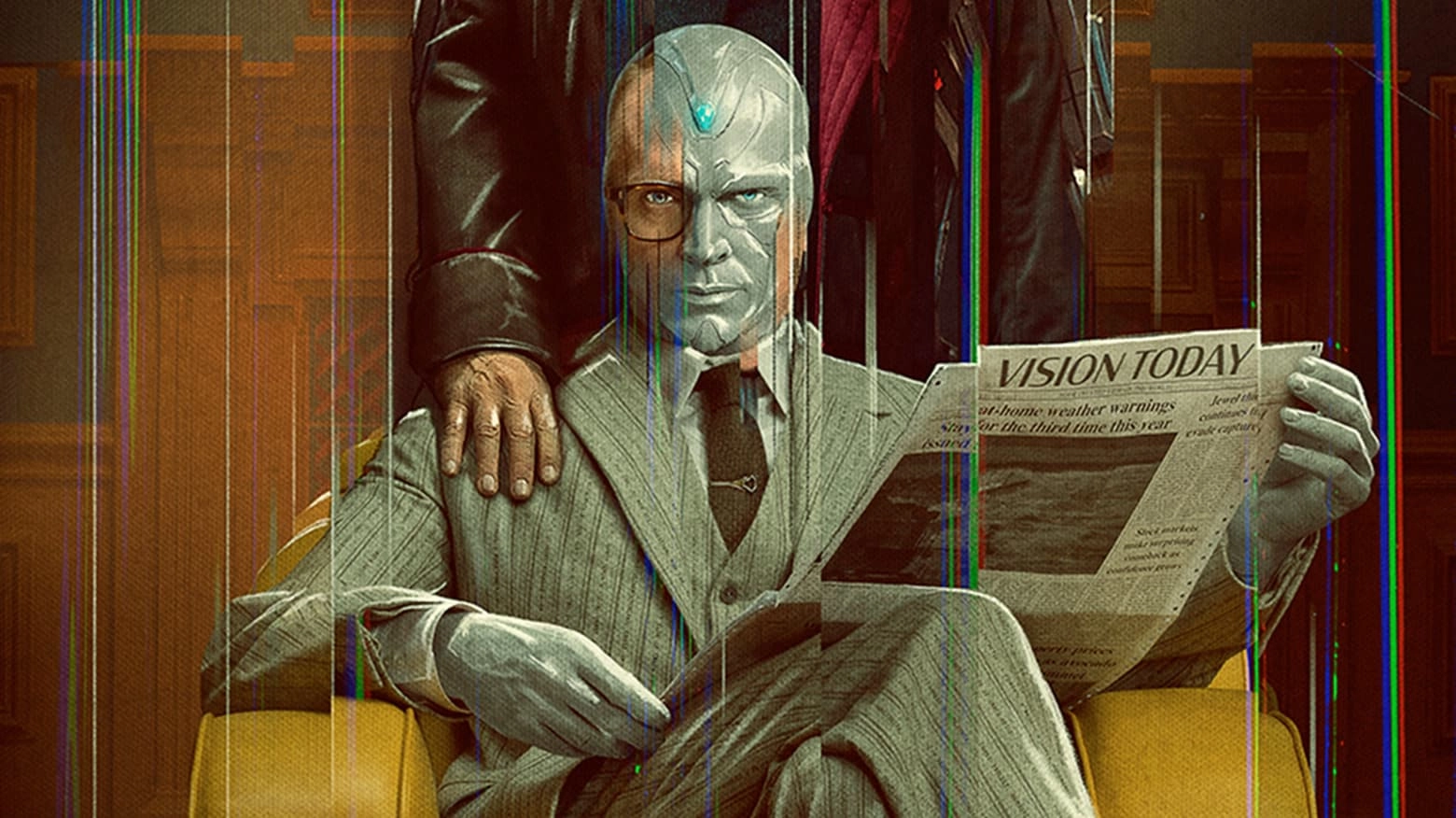
Jocasta Explained: Her Ultron Origin, Powers and VisionQuest Connection
Ultron built her to be his bride, using the Wasp's own brain patterns. She helped destroy him instead. Here's who Jocasta actually is, and what Marvel has confirmed about T'Nia Miller's VisionQuest version.
About the author
Kenza Benouna
Movies, TV & Horror Writer
Kenza Benouna loves movies and television, with a particular passion for horror. She covers new releases, DC, television, movies and the darker side of entertainment for Red Reactions.