feature · gaming
Halloween: The Game Killer vs. Survivor Strategy Guide — Beginner Mistakes and Best First-Match Tactics
Beyond the basics: how to actually play Michael Myers and the Heroes of Haddonfield well in Halloween: The Game, including Stalking, Bloodlust, common beginner mistakes and what changed in the post-launch patches.
 By Kenza Benouna4 min read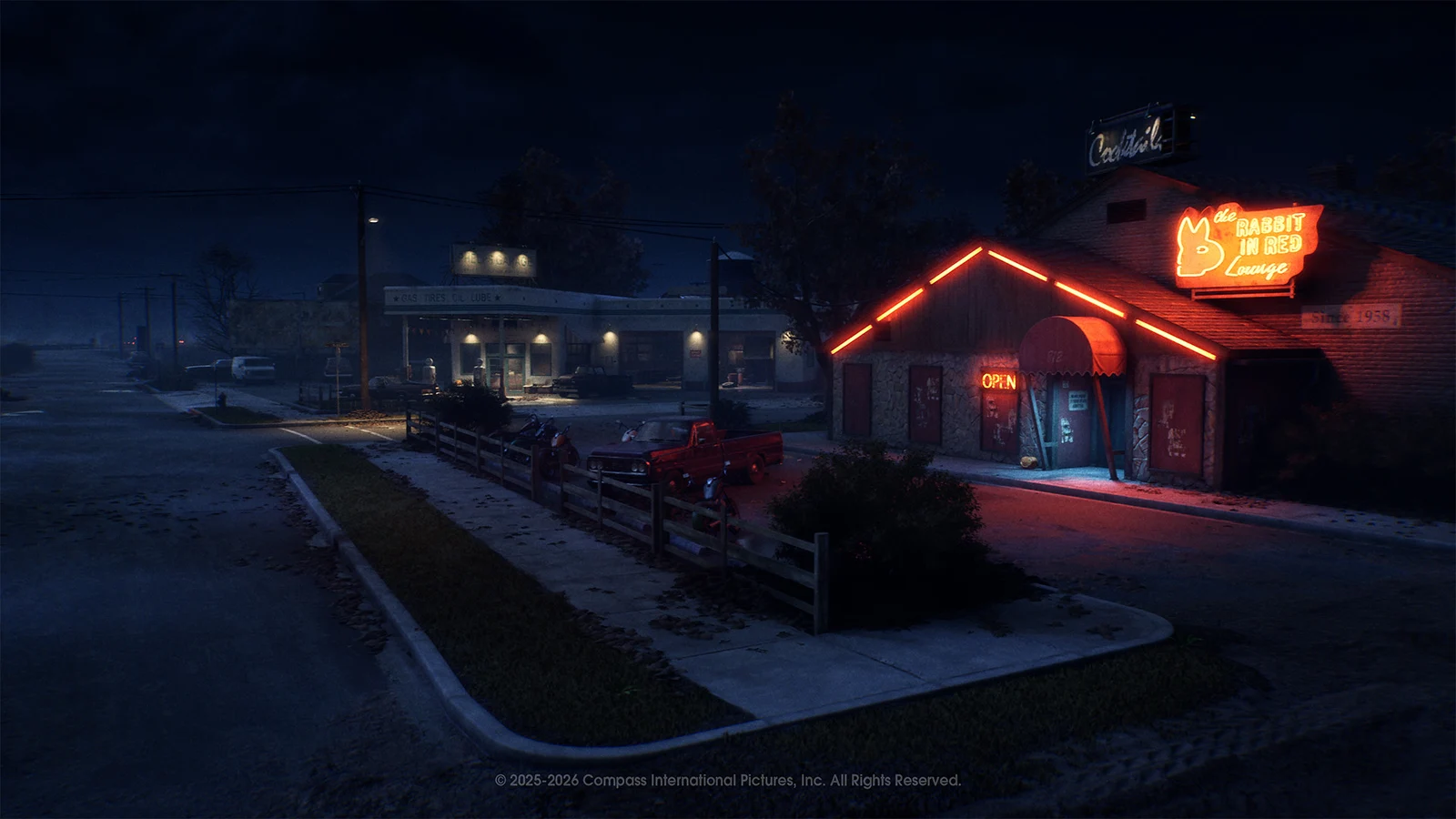
Our beginner guide covers how Halloween: The Game’s modes and core systems actually work. This is the next step: how to actually play Michael Myers and the Heroes of Haddonfield well, the mistakes new players consistently make, and what’s changed since launch.
Michael’s Core Tool: Stalking, Not Just Chasing
The single biggest adjustment new Michael players need to make is resisting the urge to chase directly. Michael is slower than the Heroes on foot — Shape Jump exists specifically because straightforward pursuit isn’t meant to work. Using it to appear ahead of a target’s path, around a corner, or somewhere they don’t expect is consistently more effective than trailing someone down a street.
Stalking is the mechanic that rewards patience over aggression. Stalking a target before attacking grants Michael XP and builds Bloodlust, while also marking that target to make them easier to track. Getting a victim to Stalk Level 3 specifically makes it meaningfully harder for them to break free once you do commit to an attack. The practical implication: a Michael player who stalks first and strikes second is working with real mechanical advantages that a player who just runs at the first Hero they see is leaving on the table.
Michael’s Secondary Tactic: Denying Resources
Beyond stalking, Michael can destroy key objects around Haddonfield — cars, phones, power switches, radios — with melee attacks. Doing this early denies Heroes the tools they need to call for help or escape, and it’s a genuinely different way to apply pressure than direct confrontation. Learning where residents and Heroes tend to spawn also compounds over time; map knowledge is one of the few advantages that gets straightforwardly better the more you play, regardless of build or loadout.
Heroes: Don’t Just Run for the Exit
The single most common beginner mistake on the Hero side is treating the match as a straight race to an exit. It isn’t. Simply finding an escape and leaving skips most of what the mode is built around — scavenging weapons and supplies, warning and guiding NPC residents to safety, and working toward contacting the police all matter for the match as a whole, not just your own survival.
Each playable civilian has distinct stats and perks, which means the “best” character is genuinely a matter of playstyle rather than a single correct pick — worth experimenting with more than one before settling into a main. Locating Special Targets — specific NPC residents Michael gets bonus rewards for killing before a timer runs out — is worth prioritizing early, since protecting them denies Michael a meaningful advantage rather than just buying your own group time.
When Michael Is Camping, Don’t Feed Him
If Michael is holding down one escape route or area, continuing to push through it repeatedly just hands him easy opportunities. Because he can only cover one location at a time, keeping multiple active objectives or escape routes in play forces him to choose where to commit — which is a real structural advantage Heroes have if they use it, rather than a hope-based strategy.
What Changed Since Launch
Halloween: The Game has already been patched twice since its September 8 release, and both updates are worth knowing about if you’re picking the game up now rather than on day one. The Day One patch increased the range at which Civilian players can uncover escapes, specifically to ease the new-player experience, and rebalanced the core Athleticism stat governing the pace of chases between Michael and Civilians — a direct response to early feedback on chase balance. A second patch on September 11 addressed performance, stability, player interactions, challenges, achievements and the game’s Prestige progression system, alongside further balance adjustments. If a guide or video you’re watching predates September 11, treat any specific balance claims in it as potentially outdated.
What This Guide Isn’t Solving
Halloween: The Game is eleven days old as of this writing, and its competitive balance is still actively being patched. This guide isn’t claiming a settled “meta,” a definitive best-character ranking, or a guaranteed win rate for any approach — the tactics above are consistently reported fundamentals (how Stalking and Shape Jump work, why racing to an exit undersells the Hero role), not a claim that any specific strategy is unbeatable. Treat this as a foundation to build actual match experience on top of, not a substitute for it.
For everything about how the modes, objectives and Haddonfield itself work at a systems level, see our full beginner guide.
Related coverage
Halloween: The Game Beginner Guide — Single Player vs. Multiplayer, Michael Myers and How Haddonfield Works
Halloween: The Game has both a single-player Story Mode and 1v4 multiplayer, and they work differently. Here's how Michael Myers, the Heroes of Haddonfield, and the town's NPC residents actually function at launch.

No Man's Sky Cosmos Guide — What Returning Players Need to Know Before Jumping Back In
Coming back to No Man's Sky for the Cosmos update? Here's whether your old save still works, what's changed materially, and what to do first — without relearning a decade of updates from scratch.

Valheim Deep North Prep Guide — What to Bring, Build and Finish Before the 1.0 Update
Deep North is Valheim's final 1.0 biome, gated behind Ashlands. Here's what to actually finish, craft and stock up on before heading north — and what's still unconfirmed by Iron Gate.

Pokémon Champions Regulation M-C Explained — Every New Mega Evolution and What Changed
Regulation Set M-C runs in Pokémon Champions through December 2026, adding six new Mega Evolutions and 24 newly available Pokémon. Here's exactly what changed and what it means for team-building.
About the author
Kenza Benouna
Movies, TV & Horror Writer
Kenza Benouna writes about movies and television, with a substantial archive in horror. Her Red Reactions work includes reviews, supernatural and franchise lore, story explainers and analysis of character, atmosphere and adaptation.
Coverage: Horror · Movies · TV · Reviews · Lore & Features
More from Kenza Benouna