lore · gaming
Halloween: The Game Beginner Guide — Single Player vs. Multiplayer, Michael Myers and How Haddonfield Works
Halloween: The Game has both a single-player Story Mode and 1v4 multiplayer, and they work differently. Here's how Michael Myers, the Heroes of Haddonfield, and the town's NPC residents actually function at launch.
 By Bamo Anwar5 min read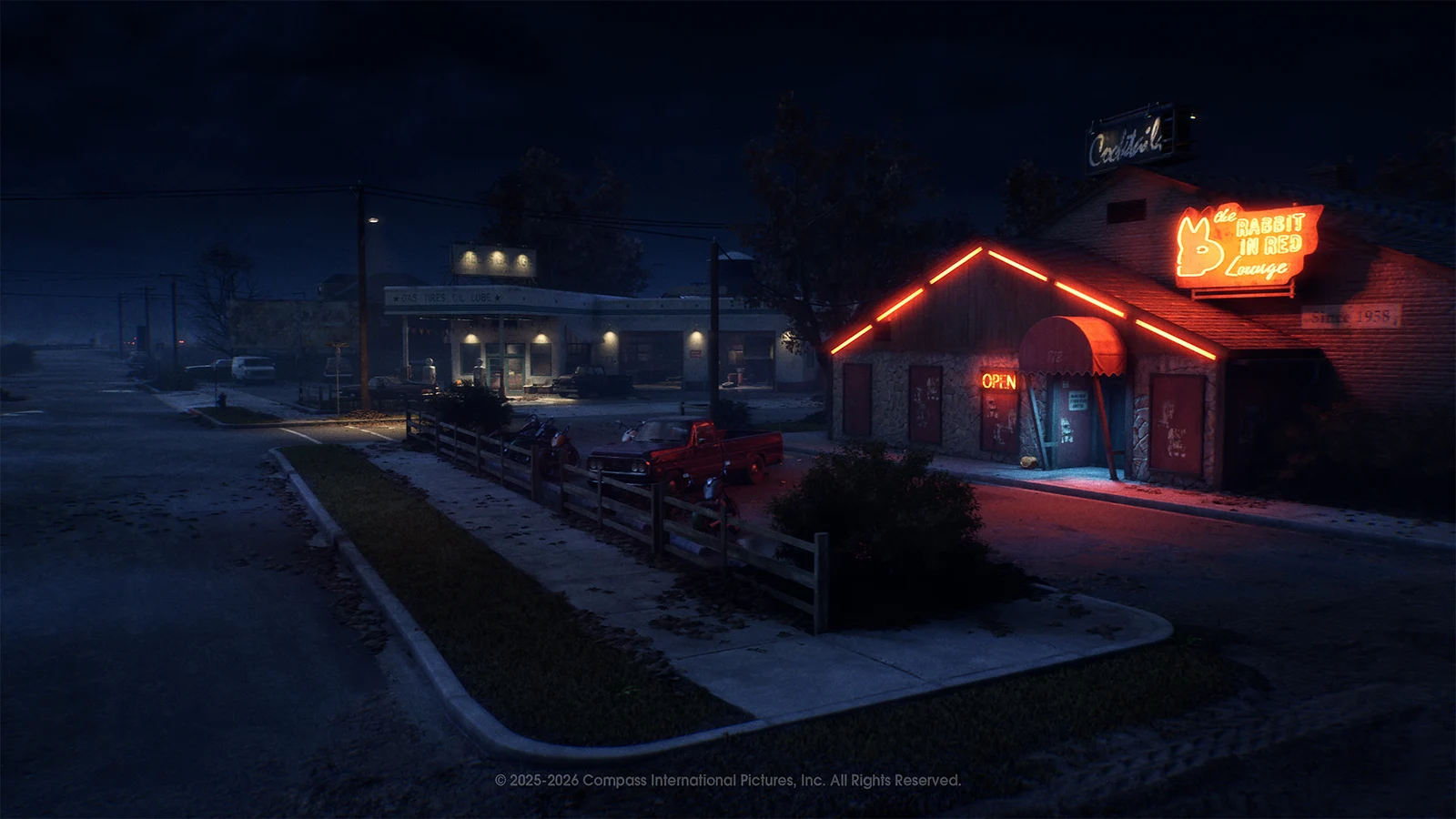
Halloween: The Game launches today, September 8, on PS5, Xbox Series X|S, and PC, developed by IllFonic and published alongside Gun Interactive. Digital Deluxe owners got in four days early, on September 4. It’s built around two genuinely different modes, and knowing which one you actually want matters before you buy.
Is It Single-Player or Multiplayer?
Both. Halloween: The Game ships with a solo Story Mode played entirely as Michael Myers, and a separate online 1v4 asymmetrical multiplayer mode where one player is Michael and four play Heroes trying to survive the night. They’re not the same content with a different coat of paint — the campaign doesn’t let you play as a Hero, and multiplayer doesn’t have a scripted story. Treat them as two related but distinct products in one package.
How Multiplayer Actually Works
Each online match puts one player as Michael Myers against four Heroes across a time-limited round in Haddonfield. What separates it from other asymmetrical horror games is the town itself: Haddonfield is populated with NPC residents going about the night, not just the five human players. Those residents can be warned, guided to safety, or left to become more of Michael’s victim count — they’re part of what Heroes are actually managing, not just background dressing.
What Heroes Actually Do
Based on IllFonic’s own material, Heroes are responsible for warning Haddonfield’s residents, scavenging weapons and supplies around the map, guiding NPCs to safety, and working to contact the police before the clock runs out. It’s a mix of direct objectives and general survival — you’re not just hiding, you’re actively working the town. Exact timers, specific weapon lists, and win-condition thresholds haven’t been detailed in enough depth by IllFonic to state as launch-day fact, so this guide isn’t inventing numbers to fill that gap.
How Michael Myers Works
Michael’s job is to stalk and kill across Haddonfield while working against the Heroes’ attempts to organize and call for help. His signature mobility tool is Shape Jump, IllFonic’s gameplay version of Michael’s cinematic habit of vanishing from one spot and reappearing somewhere the audience didn’t expect — in the game, it’s used to cross the map quickly and set up an unexpected strike rather than a straightforward run. He also has a first-person “Killer Sense” view for tracking targets through his mask. Per official material, Michael can be knocked down or detained by police, but he cannot be killed outright — the threat he represents doesn’t have a hard stop the way a Hero’s death does.
What Makes Haddonfield Different
The presence of ordinary NPC residents living out their night around the actual match is the mechanic worth understanding before anything else. IllFonic has framed the town’s quiet 1970s suburban setting as central to the atmosphere it’s chasing, not incidental to it — the Heroes aren’t just five people against one killer, they’re trying to manage an entire town’s worth of exposure while Michael works the same space looking for openings.
How Closely It Follows Halloween (1978)
The game is built with the direct involvement of Compass International Pictures and Further Front, the original film’s rights holders, and it leans on that connection deliberately: familiar Haddonfield geography, the period setting, John Carpenter’s Michael Myers, and the “the night he came home” premise all carry over. The single-player Story Mode goes further than the multiplayer side here — it’s played as Michael and closely follows specific 1978 events, including his escape from Smith’s Grove, getting his coveralls and mask, and moving through the suburbs, before leading into the killer’s multiplayer role. It’s roughly two hours across six chapters (a prologue plus five levels), and IllFonic has described it as a way to teach Michael’s kit before you take him online — closer to an extended tutorial with real atmosphere than a standalone narrative game.
None of that means the game reproduces the film scene-for-scene, and it’s worth being clear that the multiplayer side isn’t recreating specific film events at all — it’s new material set in the same world.
East Haddonfield and New Locations
IllFonic’s other launch maps largely reuse locations the films have already shown. East Haddonfield is different: design director Jordan Mathewson has described it as expanding past the residential suburbs into industrial structures, small businesses, farmland, highways, and train tracks, centered on a large grain mill with its own interior and exterior spaces. That’s IllFonic building out new playable geography for the game specifically — it isn’t material that appeared in the 1978 film, and this guide isn’t presenting it as such.
Can You Play Solo Without Other People?
Yes, in two different ways. The Story Mode is fully solo by design. Separately, the 1v4 multiplayer mode supports playing against bots rather than live opponents, which is useful for learning the map and Michael’s kit without the pressure of real players — though it’s a genuinely different experience from full online matches, since the other four (or one) slots aren’t reacting like people.
Who Should Start With Which Mode?
If you want the 1978 atmosphere and to learn Michael’s moveset at your own pace, start with Story Mode — it’s built for exactly that. If you’re here for the asymmetrical multiplayer loop, you can skip straight to it, though playing a bot match first is a reasonable way to get comfortable with controls before facing four actual Heroes. Neither mode is objectively the better one; they’re built to do different things.
One Note on Launch-Week Changes
Ahead of launch, IllFonic removed a two-person interaction minigame after players found it could be triggered with underage-coded character models — the studio called it “a major oversight” in a statement and patched it out via hotfix before September 8. It isn’t part of the current build and isn’t part of how the core Hero/Michael systems described above actually work.
What This Guide Isn’t
This is a systems guide, not a review — it isn’t judging performance, matchmaking, balance, or whether Michael feels overpowered, and it isn’t putting a price tag on whether the game is worth it. Those are calls for actual play time to make, not launch-day documentation.
Ready to actually play well rather than just understand the systems? Our killer vs. survivor strategy guide covers Stalking, common beginner mistakes and what’s changed in the post-launch patches.
For more on what’s landing in horror gaming this year, see our coverage of The Exit 8’s 3 million sales milestone and Until Dawn 2’s first trailer.
Sources
Make Red Reactions a preferred source
Choose Red Reactions as a preferred source in Google Search.
Confirm your choice on Google.
Related coverage

Valheim 1.0 Guide: Do Your Old Saves Still Work, and Should You Start Over?
Valheim 1.0 launched September 9 with the Deep North biome. Here's what returning players actually need to know: old saves, crossplay vs. cross-save, mods, achievements, price and platforms.
Resident Evil 2, 3 or 4 on Switch 2 — Which One Should You Play First?
Resident Evil 2, 3 and 4 all launch on Switch 2 the same day. Here's how the three remakes actually compare on story, horror-vs-action balance, length and beginner-friendliness — and which one to buy first.
Final Fantasy Resonance Demo Guide — What Carries Over and What to Do Before Release
The Final Fantasy Resonance demo covers the Prologue through Chapter 1 and its save data carries over to the October 22 full game. Here's a practical checklist for what to do before launch.

Final Fantasy Resonance Beginner Guide — How Visions, Stagger, Resonances and Espers Actually Work
Final Fantasy Resonance's combat runs on four connected systems: a visible action timeline, Stagger, character-bound Visions, and Esper summons. Here's how each one actually works, verified against Square Enix's own material.
About the author
Bamo Anwar
Anime & Gaming Writer
Bamo Anwar covers anime and gaming for Red Reactions. His work ranges from release news and detailed trailer breakdowns to beginner guides, watch orders and explainers designed to make large franchises and game systems easier to enter.
Coverage: Anime · Gaming · Beginner Guides · Watch Orders · Explainers
More from Bamo Anwar