feature · gaming
Resident Evil 2, 3 or 4 on Switch 2 — Which One Should You Play First?
Resident Evil 2, 3 and 4 all launch on Switch 2 the same day. Here's how the three remakes actually compare on story, horror-vs-action balance, length and beginner-friendliness — and which one to buy first.
 By Kenza Benouna6 min read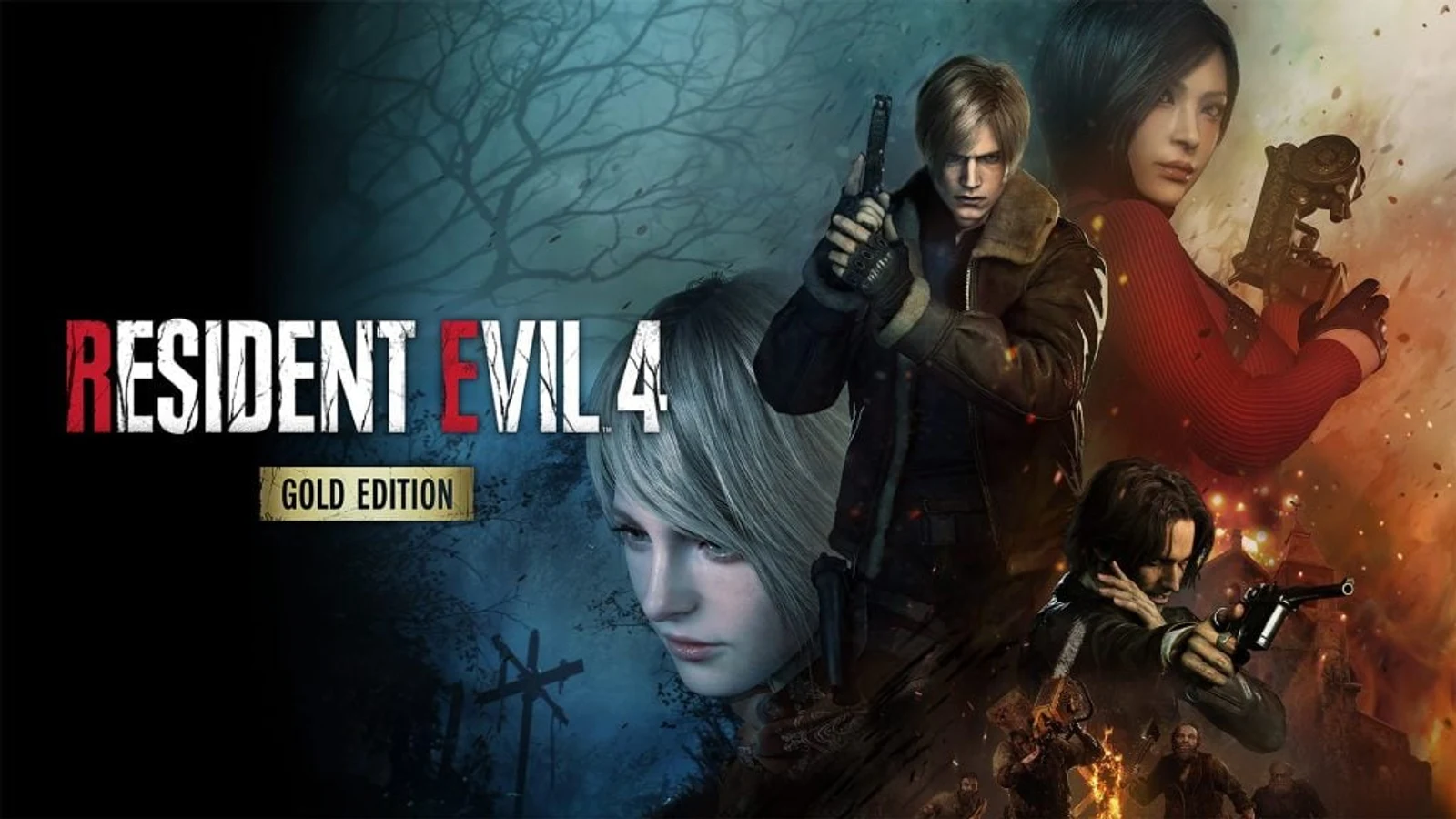
Capcom is putting Resident Evil 2, 3 and 4 on Nintendo Switch 2 the same day — October 16, 2026 — which means the usual question isn’t “which one should I buy” so much as “which one should I actually start with.” Our full release breakdown covers what’s in each edition; this is about picking a starting point.
The Quick Recommendation
- Best starting point overall: Resident Evil 2 (Deluxe Edition) — the most balanced introduction to modern Resident Evil’s tone and pace.
- Best pure horror: Resident Evil 2 — tighter, slower, more oppressive than the other two.
- Best action: Resident Evil 4 (Gold Edition) — faster, more combat-forward, less about resource scarcity.
- Best short campaign: Resident Evil 3 — roughly half the length of the other two, a good pickup if you want a complete story in a weekend.
- Best overall first purchase: Resident Evil 4 Gold Edition, if you only want to own one game — it’s the longest, includes the most bonus content (Ada Wong’s Separate Ways campaign plus an Extra DLC Pack), and works as a satisfying standalone story even without the other two.
Those two recommendations aren’t a contradiction — RE2 is the better introduction to the series’ tone, while RE4 Gold is the better single purchase if budget or time only allows for one game.
Story Entry Point and Continuity
You don’t strictly need to play any of these games in release order to follow what’s happening, but it helps to know how they connect. Resident Evil 2 and Resident Evil 3 both take place during the same Raccoon City outbreak, within roughly the same 48-hour window — Leon Kennedy and Claire Redfield in RE2, Jill Valentine in RE3. Resident Evil 4 is set six years later, following Leon on an unrelated mission, and its story doesn’t require having played either of the earlier two games to understand.
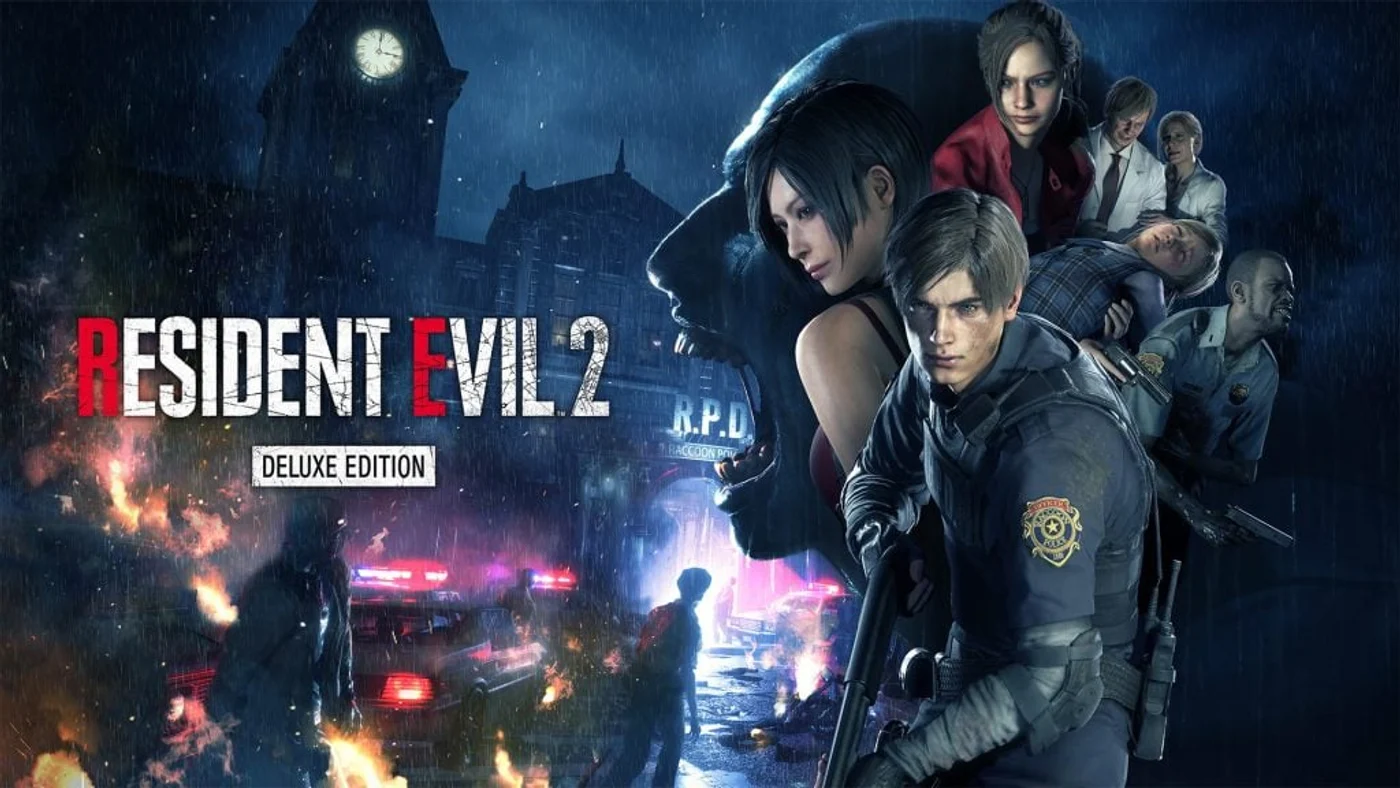
That makes Resident Evil 2 the natural starting point if you care about series chronology — it’s both the earliest set of events among the three and, since RE3 overlaps the same outbreak, playing RE2 first gives RE3’s Raccoon City setting more context. If you don’t care about chronology and just want the biggest, most polished single game, RE4 works completely on its own.
Horror vs. Action Balance
This is the single biggest difference between the three, and it’s worth being direct about it: Resident Evil 2 and Resident Evil 3 are survival horror in the classic Resident Evil sense — limited ammo, tense exploration, slower pacing, and an emphasis on avoiding fights rather than winning them. Resident Evil 4 shifts substantially toward action. It still has tense, unsettling stretches, but combat is more central to the experience, ammo is generally more available, and the pace is faster throughout.
If you want the game that plays closest to what “survival horror” traditionally means, pick RE2. If you’d rather have a more combat-driven, higher-energy experience with horror elements layered on top rather than at the center, RE4 is the better fit.
Difficulty and Accessibility
Resident Evil 3 offers five difficulty settings — Assisted, Standard, Hardcore, Nightmare and Inferno — with the two hardest tiers locked behind clearing the one below them first, making it the most flexible of the three for players who want to ease in or push themselves later. Resident Evil 2 and Resident Evil 4 both offer adjustable difficulty as well, but RE4’s Standard difficulty is generally considered closer to RE2’s harder Hardcore setting — RE4 doesn’t ease newcomers in as gently as RE2 does on its default mode.
Practical takeaway: if you’re new to survival horror generally, Resident Evil 2 on its standard difficulty is the gentlest on-ramp of the three.
Campaign Length
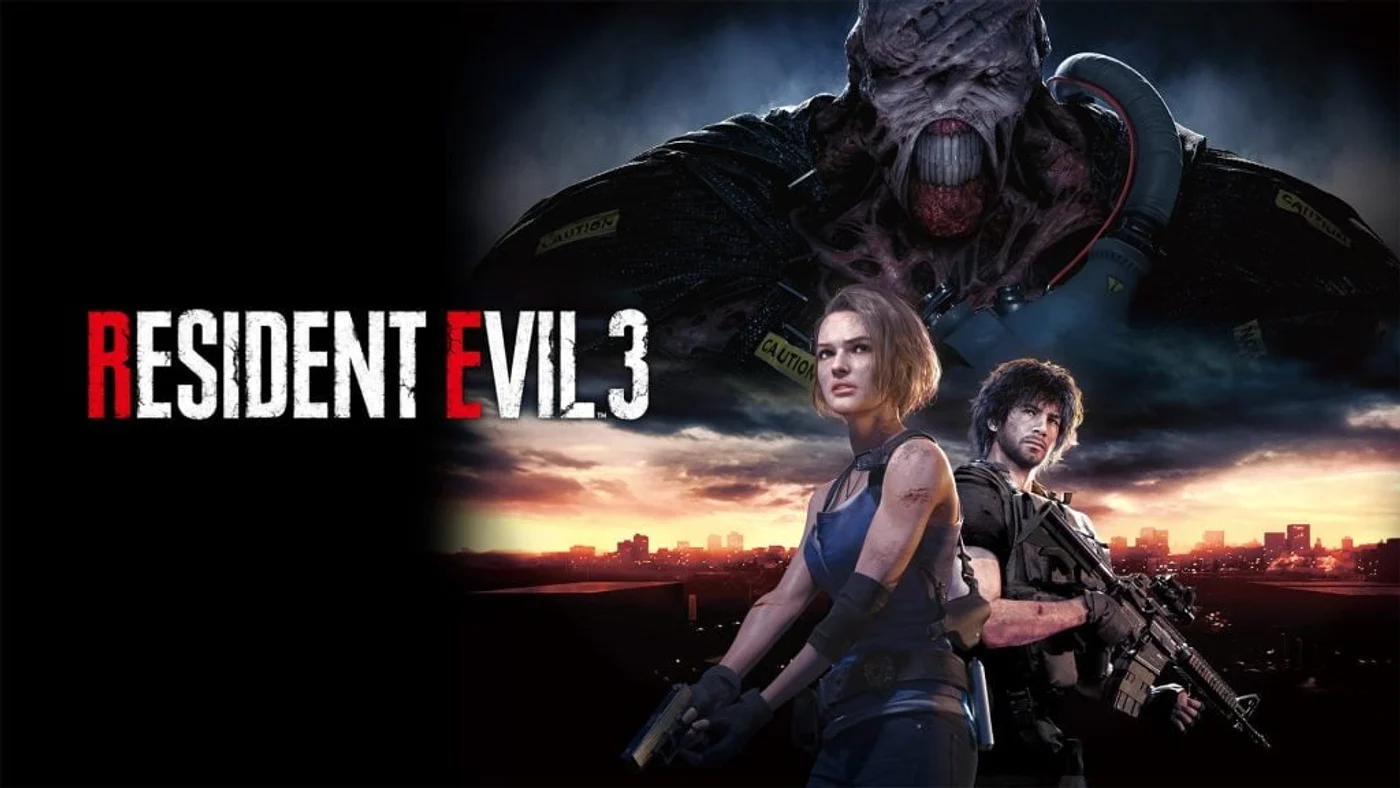
| Game | Critical-path length | Thorough/100% playthrough |
|---|---|---|
| Resident Evil 2 | Roughly 10 hours per character scenario (Leon or Claire) | Both scenarios plus extras can run 20+ hours combined |
| Resident Evil 3 | Roughly 6 hours | 20–30 hours for full completion, since some unlocks require repeat playthroughs |
| Resident Evil 4 | Roughly 12–15 hours | 18–20+ hours exploring fully, collecting treasures and upgrading gear |
These figures come from specialist outlet reporting rather than Capcom’s own marketing, and individual playtime varies a lot depending on how much exploring, backtracking and treasure-hunting you do — treat them as a general shape, not an exact promise.
Replay Value
Resident Evil 2’s two-character structure (Leon and Claire, each with their own scenario) gives it the most built-in reason to replay immediately — seeing the same night from a different perspective. Resident Evil 3 is designed around repeat playthroughs too, since several unlockable items and records require multiple runs to access. Resident Evil 4 Gold Edition adds the most substantial post-campaign content of the three: Ada Wong’s Separate Ways campaign is a genuinely separate story thread, not just a difficulty-remix of the same campaign, on top of Professional difficulty and other unlocks.
Which Game Fits Which Player
- Want the most “classic” survival-horror experience: Resident Evil 2.
- Want to play through everything but only have a weekend: Resident Evil 3.
- Want the biggest, most action-driven, longest-lasting single purchase: Resident Evil 4 Gold Edition.
- Care about chronology and want the fullest picture of the Raccoon City outbreak: Resident Evil 2, then Resident Evil 3.
- Just want to see what all the fuss is about with minimal commitment: Resident Evil 3, as the shortest complete story of the three.
Do You Need to Play Them in Order?
No. Each game tells a complete story on its own, and none of the three requires having finished either of the others to follow what’s happening. Chronology only adds context — RE2 before RE3 makes RE3’s overlapping Raccoon City setting land a little differently, and having played RE2 gives a small amount of extra texture to references in RE4 — but nothing about the plots themselves depends on playing in a specific order.
All three arrive digitally on Switch 2 October 16, 2026, with physical copies following January 29, 2027 — full edition details and pricing are in our release-date breakdown. If you’re catching up ahead of the 2026 Resident Evil movie instead of the Switch 2 release, our guide to what game lore actually matters for the film covers a narrower, movie-specific version of this same question.
Sources
Related coverage
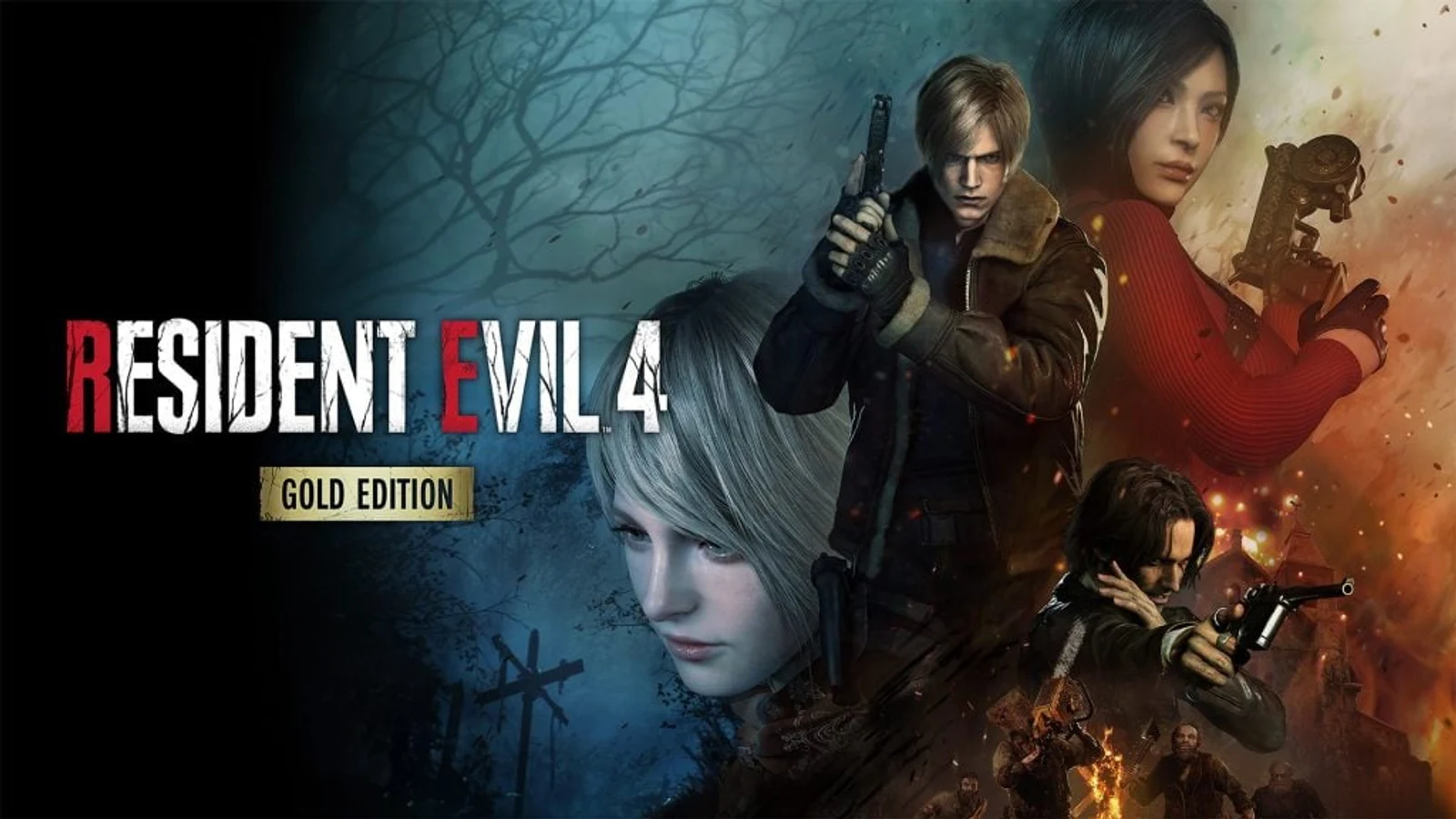
Resident Evil 2, 3 and 4 Remakes Hit Switch 2 on October 16 — What Each Edition Includes
Resident Evil 2 Deluxe Edition, Resident Evil 3 and Resident Evil 4 Gold Edition launch digitally on Switch 2 October 16, 2026, with physical copies following January 29, 2027. Here's exactly what's in each edition.
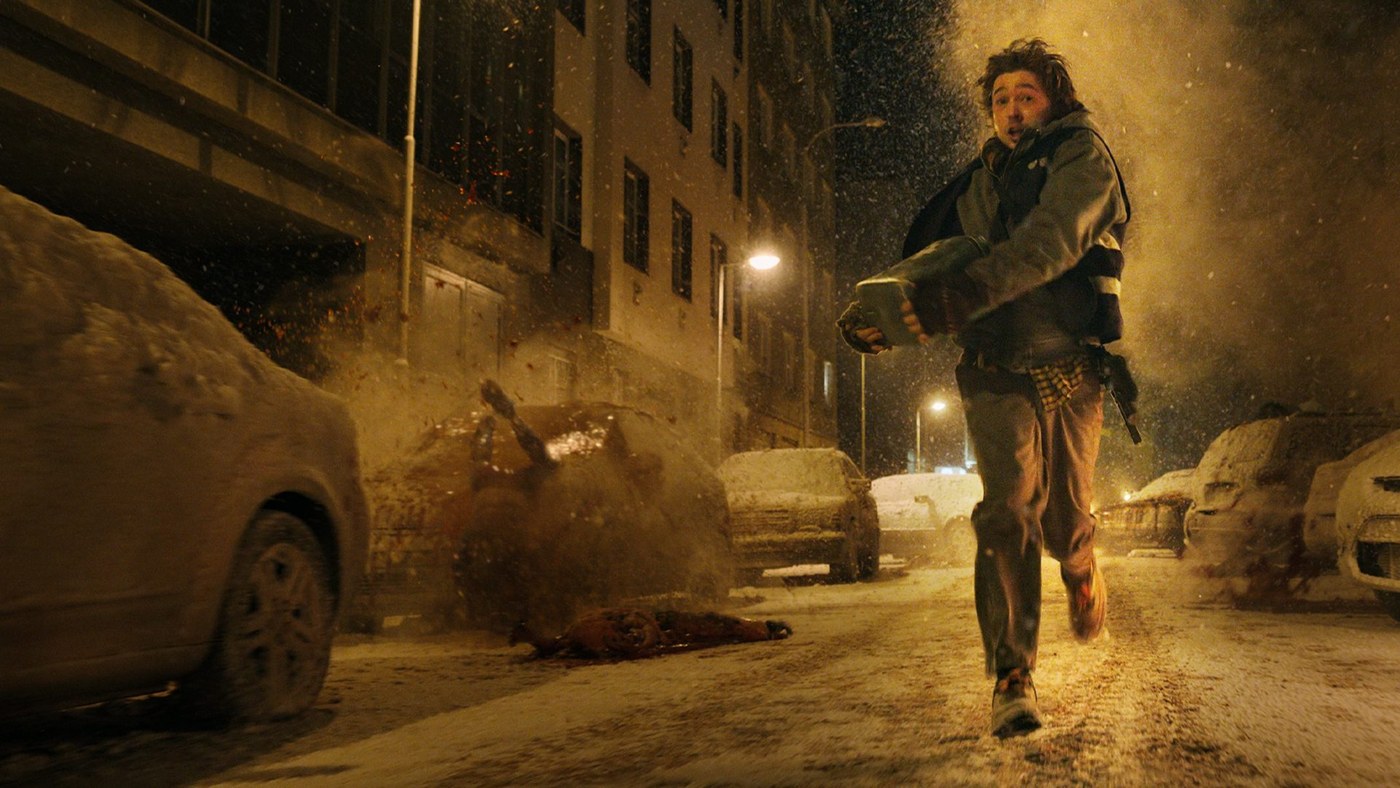
Do You Need to Play Resident Evil Before the 2026 Movie? The Game Lore That Actually Matters
Zach Cregger's Resident Evil follows an all-new character, not Leon Kennedy — but it's set in the world of Resident Evil 2. Here's exactly what game knowledge helps, and what you can safely skip.
Resident Evil's Final $60.15M Opening Confirms the Franchise Record
Zach Cregger's Resident Evil finished its domestic opening weekend with $60,152,878—enough to edge past Afterlife's entire North American run.

Mega Man: Dual Override Adds Playable Proto Man — How His Heat Gauge and Override System Work
Capcom confirmed Proto Man as a second playable character in Mega Man: Dual Override, launching spring 2027. Here's how his close-range combat, heat gauge and the shared Override system actually work.
About the author
Kenza Benouna
Movies, TV & Horror Writer
Kenza Benouna writes about movies and television, with a substantial archive in horror. Her Red Reactions work includes reviews, supernatural and franchise lore, story explainers and analysis of character, atmosphere and adaptation.
Coverage: Horror · Movies · TV · Reviews · Lore & Features
More from Kenza Benouna