news · movies
Paramount's Warner Bros. Deal Clears State and WGA Lawsuits. What Still Has to Happen
The California-led states and the WGA have settled their challenges to Paramount's Warner Bros. Discovery deal. The transaction can move toward closing, but the merger has not been completed.
 By Aram Anwar3 min read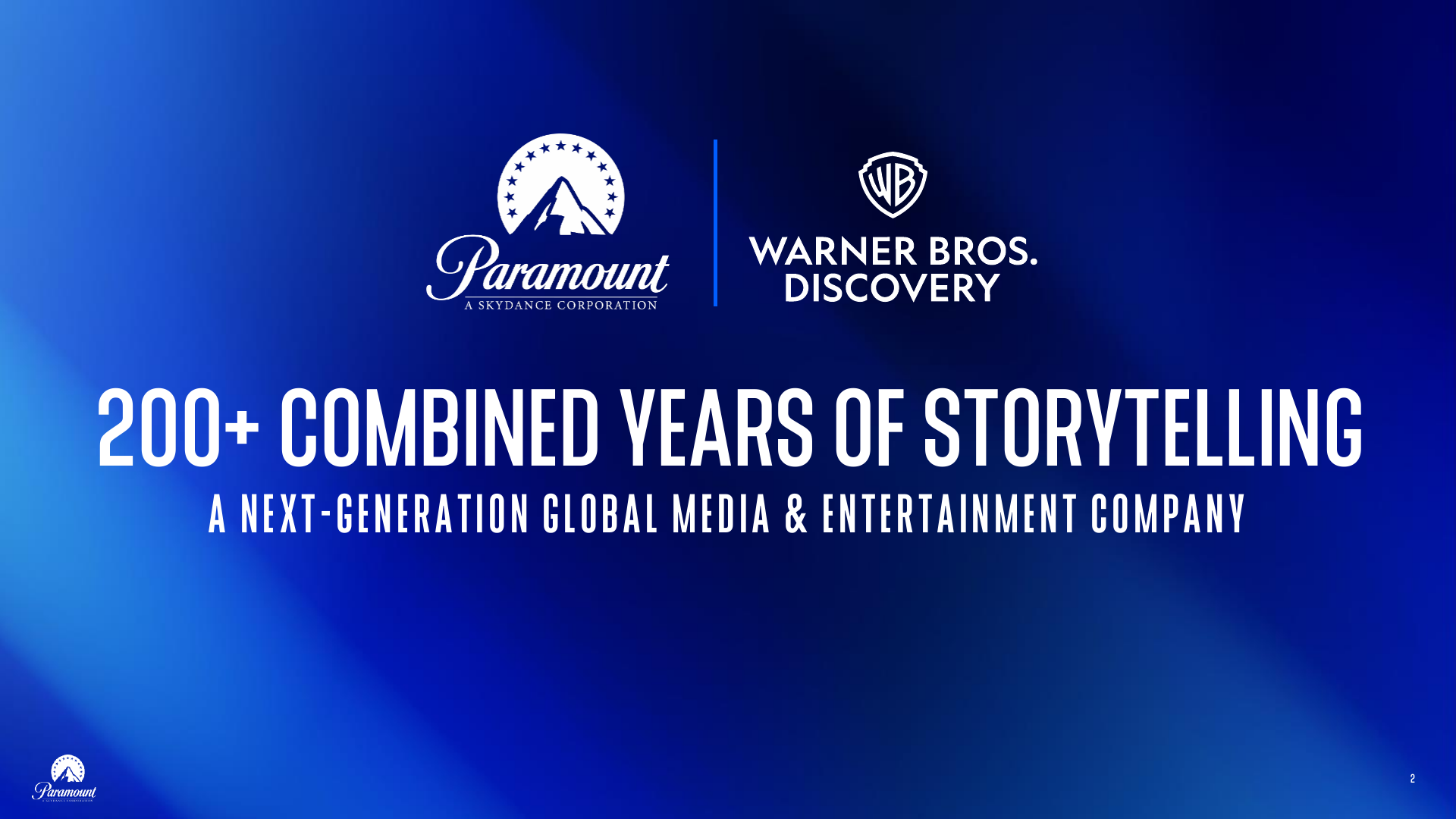
Paramount Skydance has now settled both legal challenges that had been holding up its proposed acquisition of Warner Bros. Discovery. California Attorney General Rob Bonta announced a settlement with the coalition of 12 states on September 21, and the Writers Guild of America separately confirmed the same day that it had settled its own antitrust lawsuit.
That is a major change from this article’s original publication state, when the state agreement had only been reported and the WGA case was still unresolved. It still does not mean the Paramount-Warner Bros. Discovery merger has already closed.
The California settlement is pending court approval, while Paramount’s own September 21 financing update continues to describe the transaction as a proposed acquisition and anticipates settlement of its debt offers on or around the future closing date. Reuters likewise described the legal settlements as paving the way for the transaction rather than announcing that the companies had already combined.
What the state settlement actually requires
California’s Department of Justice has now published the terms it says will resolve the states’ antitrust case.
For five years, the combined company would have to release 30 films annually in the first two years and 32 in each of the following three years. At least four films each year must be independent releases. If Paramount misses the annual output requirement, the agreement calls for a $30 million payment per missed film and divestiture of Miramax.
The settlement also requires at least $1.5 billion in additional U.S. film-production spending over five years compared with Paramount’s 2025 level, plus a $47.5 million workforce fund for workers displaced by the merger.
Other provisions require separate negotiations for Paramount and Warner Bros. basic-cable channels for five years, continued availability of a free streaming service such as Pluto TV, and a News Editorial Independence Board covering CNN and CBS. An independent monitor would oversee compliance.
Those are now published settlement terms, not merely reported concessions. The California DOJ also makes an important procedural point: the settlement is pending approval by the court.
The WGA case is no longer an open blocker
The Writers Guild of America has also settled its separate lawsuit.
The WGA said it still believes the merger will harm writers and the broader industry, but concluded that continuing the antitrust case without the state attorneys general would require millions of dollars in litigation costs. Under the guild’s settlement, Paramount agreed to prohibit writer layoffs at CBS News Broadcast for five years and to pay $17.5 million to the WGA health fund, along with the guild’s attorneys’ fees.
That means the article’s previous description of the WGA lawsuit as an unresolved legal obstacle is no longer current.
What still has to happen
Paramount had already said in August that it had received the regulatory clearances required under its merger agreement and that the state and WGA lawsuits were the remaining barriers to closing. Those lawsuits have now been settled, subject to the court process around the agreements.
The next distinction is therefore simple but important: legal clearance is not the same thing as a completed corporate merger.
The state settlement still requires court approval, and Paramount and Warner Bros. Discovery still have to complete the transaction itself. Paramount’s September 21 securities filing still speaks about a future “closing date of the proposed acquisition.”
Until the companies formally announce that closing has occurred, the accurate status is that the legal path has been substantially cleared and the transaction can move toward completion — not that Paramount has already completed its acquisition of Warner Bros. Discovery.
Sources
- California Department of Justice — Attorney General Bonta Announces Settlement in Warner Bros./Paramount Litigation — September 21, 2026
- Writers Guild of America — WGA Settles Lawsuit Against Paramount-Warner Bros. Merger — September 21, 2026
- Reuters — Paramount wins Warner Bros takeover after settling states, union lawsuits — September 21, 2026
- Paramount — Exchange and tender offer expiration dates extended — September 21, 2026
- Paramount — Definitive merger agreement announcement — February 27, 2026
Related coverage
HBO Max Is Launching in Japan on Prime Video and Hulu — Here's How the Two Versions Differ
HBO Max launches in Japan on October 1 through Prime Video and Hulu, not a standalone app. Here's the actual pricing, access and catalog difference between the two — including a Hulu price change that's easy to miss.
Lollipop Chainsaw Is Getting an R-Rated Live-Action Prequel Movie
Dragami Games has licensed a live-action Lollipop Chainsaw film to an international production team. It's described as an R-rated action comedy set before the 2012 game — here's everything actually confirmed so far.
Alan Ritchson Is in Talks for Sony's Helldivers Movie — What We Know About the Adaptation
Alan Ritchson is in talks to join Sony's Helldivers movie after Jason Momoa's reported exit, with Justin Lin still directing. Here's what's actually confirmed about the video game adaptation, and what's still just a negotiation.
World War Z Sequel Is Back With Brad Pitt and Edward Berger — What's Actually Confirmed
Paramount has closed a deal with Brad Pitt to return for a World War Z sequel, with Edward Berger directing from a Dennis Kelly script. Here's what's confirmed about the long-stalled follow-up, and what still isn't.
About the author
Aram Anwar
Founder & Editor
Aram Anwar founded Red Reactions and writes across comics, gaming, movies and television. His work includes franchise guides and large Lore / Explained features, with an emphasis on separating confirmed details from reports, theory and speculation.
Coverage: Comics · DC & Marvel · Gaming · Movies & TV · Lore / Explained · Guides
More from Aram Anwar