- feature · movies / tv
Every Carrie Adaptation Compared: 1976, 2013 and 2026
Compare Stephen King's novel with the 1976, 2002, 2013 and 2026 adaptations. See how each version changes Carrie's prom, her mother and her final fate.
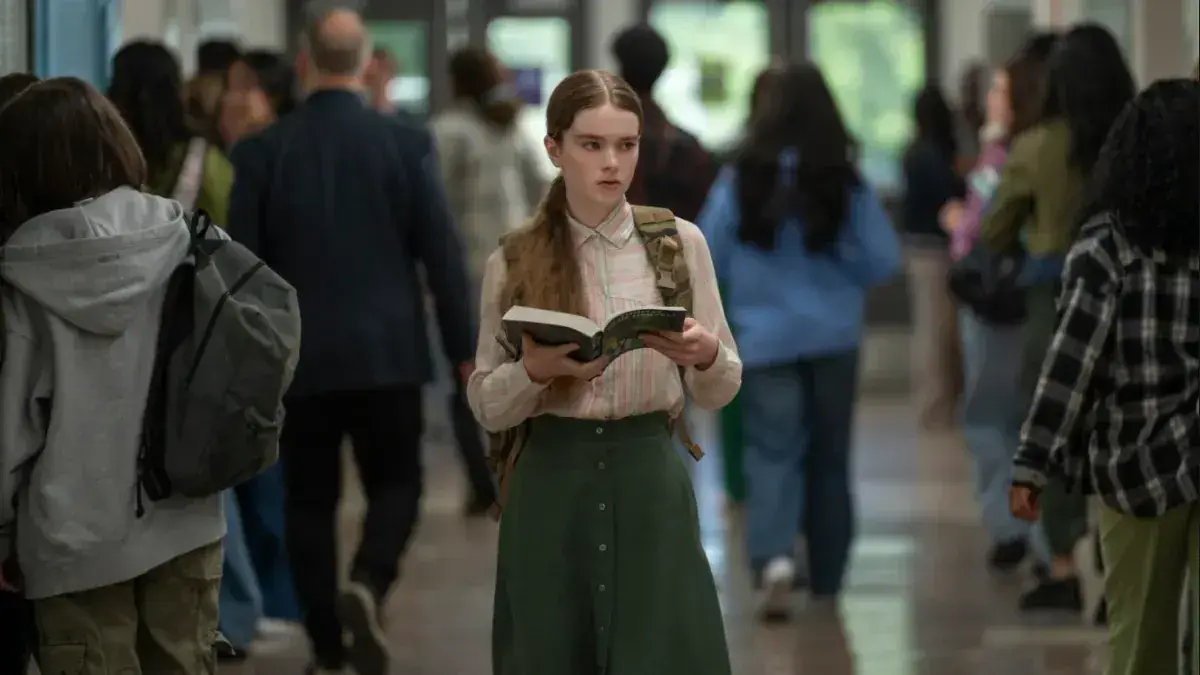
Stephen King’s Carrie has four major direct screen adaptations: the 1976 film, the 2002 television film, the 2013 film and the 2026 Prime Video series. They keep the prom disaster but handle Carrie’s relationship with her mother and her fate differently. The Rage: Carrie 2 is a sequel.
For the Prime Video episode list and watch details, see the Carrie 2026 series guide.
Start with De Palma’s 1976 film if you want the version that shaped the later adaptations. The 2002 TV movie and the Prime Video series are the two direct adaptations in which Carrie survives, and they give her very different ways out. This comparison contains major ending spoilers.
How do the four screen adaptations compare?
| Year | Work | Format | Carrie White | What makes it distinct |
|---|---|---|---|---|
| 1976 | Carrie, directed by Brian De Palma | Feature film | Sissy Spacek | Focused cinematic tragedy and an iconic prom sequence |
| 1999 | The Rage: Carrie 2, directed by Katt Shea | Feature sequel | Centers on Rachel, not Carrie White | A continuation rather than a direct retelling |
| 2002 | Carrie, directed by David Carson | Television movie | Angela Bettis | A television reinterpretation with a different escape ending |
| 2013 | Carrie, directed by Kimberly Peirce | Feature film | Chloë Grace Moretz | Modern setting, updated school cruelty and a renewed mother-daughter conflict |
| 2026 | Carrie, developed by Mike Flanagan | Eight-episode TV series | Summer H. Howell | More time for the ensemble and an expanded supernatural storyline |
The 2002 adaptation was made for television. Flanagan’s 2026 adaptation is the first to tell the story as a full television series.
Which versions of Carrie let her survive?
| Version | Carrie’s fate and the final scene |
|---|---|
| 1974 novel | Carrie dies after Sue finds her. The book follows the disaster’s aftermath beyond that encounter. |
| 1976 film | Carrie dies in the collapse of the White home. Sue’s nightmare brings her back to Carrie’s grave. |
| 2002 TV movie | Carrie survives with Sue’s help. They leave town after Sue helps conceal her survival. |
| 2013 theatrical cut | Carrie gets Sue out of the collapsing house. The collapse appears to kill Carrie, and the last shot shows her gravestone cracking. |
| 2026 series | Carrie survives and leaves with Emaline. The finale opens up a story about other people with psychic abilities. |
Book Riot’s comparison traces the earlier endings. The 2002 and 2026 versions both give Carrie a way out. Sue protects her in 2002, while Emaline offers her a connection to people who share abilities like hers in 2026.
How did Stephen King’s novel set up later versions?
Stephen King’s first novel, published on April 5, 1974, introduces Carrie as a girl abused at home and humiliated at school who discovers she has telekinesis. Its structure is part of what makes it different from a conventional screenplay. Readers receive the story through narrative scenes and the accumulated evidence of a disaster, rather than staying inside one character’s point of view from beginning to end.
The famous prom is therefore both an event and something reconstructed afterward. That leaves room for guilt, rumor and other people’s attempts to explain a tragedy they helped create. Adaptations decide how much of that distance to keep.
What distinguishes Brian De Palma’s 1976 film?
The 1976 movie stars Sissy Spacek as Carrie and Piper Laurie as Margaret, with Amy Irving as Sue Snell. Brian De Palma concentrates the novel’s sprawling account into a visually controlled tragedy. The prom sequence uses framing, movement, music and mounting dread to turn the audience’s knowledge of an approaching disaster into tension.
As the BFI’s retrospective explains, the film’s craft is inseparable from the horror: its famous climax is not simply a display of powers. It’s the collision of fleeting acceptance and carefully prepared humiliation. De Palma’s version ends with a devastating final image rooted in Sue’s trauma.
If you watch only one historical film before the new series, the 1976 version is the most useful baseline. Its influence is visible whenever a later adaptation revisits the school gym, the blood or the image of Carrie after the prank.
Is The Rage: Carrie 2 another adaptation?
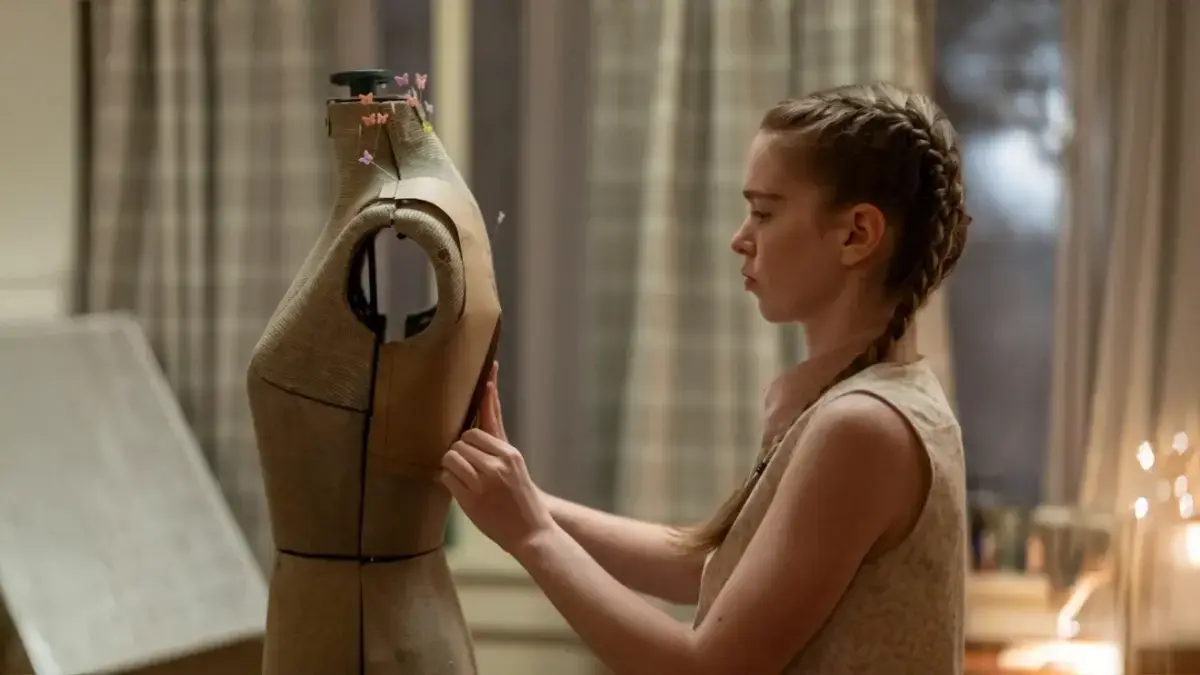
The 1999 film shifts attention to Rachel Lang, another teenager with telekinetic abilities, rather than simply recasting Carrie White and replaying the same narrative. That makes it useful as a historical curiosity in the franchise, but it should not be counted as a fifth direct adaptation of the original book.
This distinction also clarifies why a viewing order is straightforward: you do not need The Rage to understand the 2002, 2013 or 2026 retellings. Each of those versions goes back to King’s original premise.
How does the 2002 TV movie change Carrie’s fate?
Angela Bettis plays Carrie in the 2002 television film, with Patricia Clarkson as Margaret White. Because it was developed for television, the adaptation has a different storytelling rhythm from De Palma’s theatrical film. The most important difference is its ending: this version allows Carrie to survive and escape with Sue’s help.
That detail matters when discussing Flanagan’s finale. The 2026 series is not the first screen version to let Carrie live. What is new is the way it combines Carrie’s survival with a broader network of people who have different psychic abilities. Those two ideas create a substantially different prospect for her future.
What does the 2013 film change?
Kimberly Peirce’s 2013 film stars Chloë Grace Moretz as Carrie and Julianne Moore as Margaret. It returns to a feature-film structure while reframing bullying for a more connected age. Screens and circulation of humiliating images become part of Carrie’s vulnerability, but the film remains much closer to the traditional tragic arc than Flanagan’s expanded final episodes.
Putting it between 1976 and 2026 reveals an important shift: updating the technology around bullying does not necessarily change the character’s ending. The choices that matter most are about responsibility, sympathy and what kind of future the story allows Carrie to have.
How does the eight-episode series change the story?
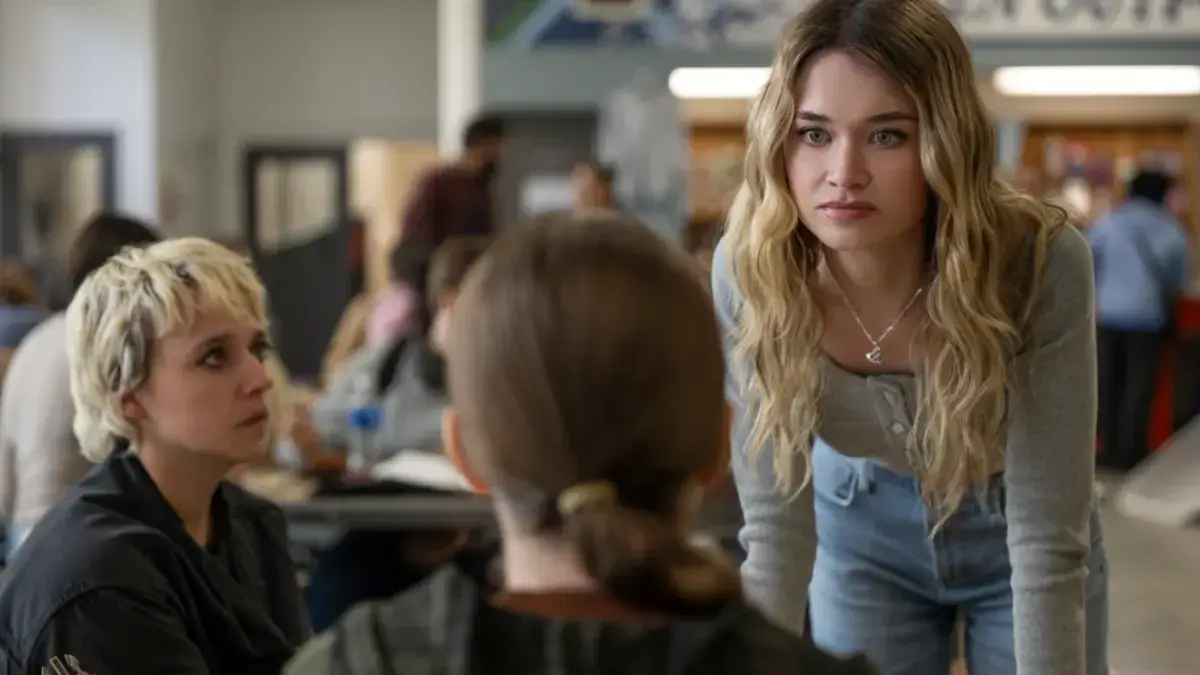
Flanagan makes the most substantial change in structure. Eight episodes let him devote much more time to Margaret, Sue, Chris and the school’s wider adult world. His version brings cyberbullying and social media into the center of the premise; more importantly, it refuses to end at the same emotional destination as the original novel.
At the finale, Carrie survives and leaves with Emaline. Margaret is revealed to possess telekinetic powers as well, while a group of other gifted women expands the story beyond a single extraordinary teenager. Prime Video confirmed Season 2 on October 22, 2026. Our renewal coverage tracks the announcement and what Amazon has disclosed so far.
The challenge is a trade-off. A tragic ending makes Carrie a story about a life that cannot be saved; an open ending makes room for escape and possibilities outside Chamberlain. Neither choice is automatically more faithful to the story’s emotional truth. They emphasize different questions.
Which Carrie should you watch first?
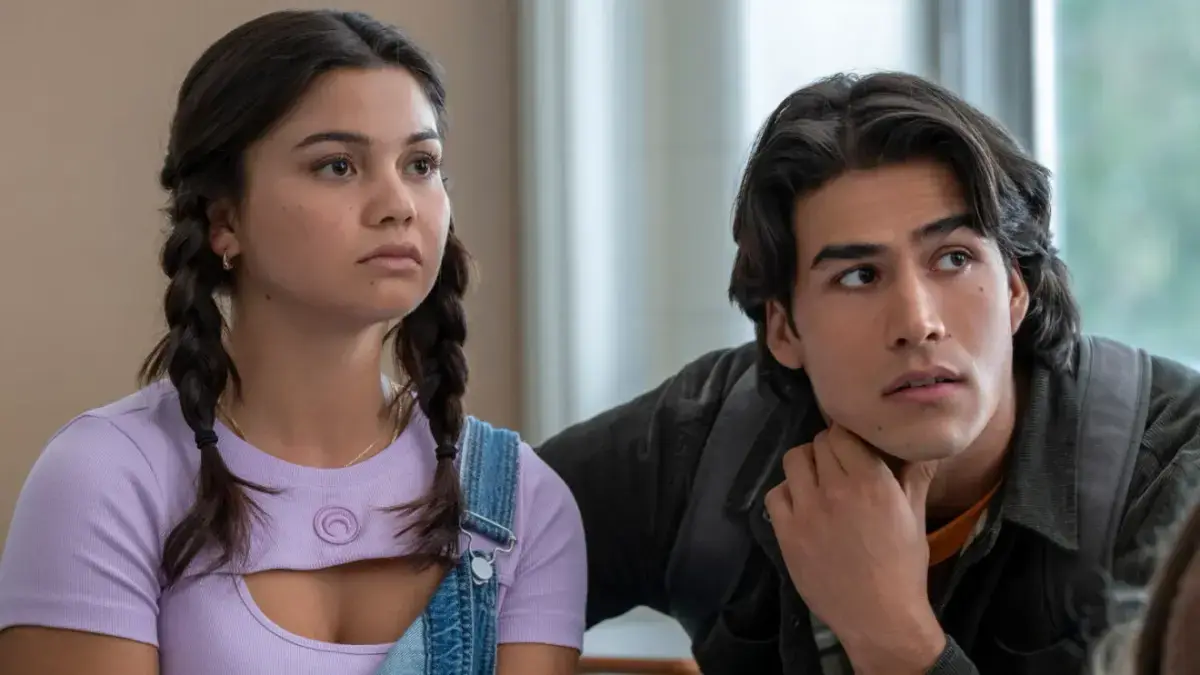
For a newcomer who wants to understand the franchise’s reputation, start with 1976, then sample 2026 for the biggest structural contrast. Watch 2013 to compare a more compact modern retelling, and 2002 if you’re especially interested in how different versions handle the ending. The Rage is optional and works better after you know the original film.
If you only want the newest show, no prior viewing is required. Our Carrie (2026) series guide has the release, episodes and cast. The full ending explanation tracks exactly who survives; the powers guide unpacks the new mythology.
Is the Prime Video tie-in book a sequel?
The 2026 Vintage television tie-in edition is a repackaging of King’s original novel, with an introduction by Margaret Atwood. It is not a novelization of Flanagan’s eight episodes and does not explain what happens to Carrie after the new TV ending.
Frequently asked questions
How many major screen adaptations of Carrie are there?
There are four major direct screen adaptations of Stephen King’s Carrie: Brian De Palma’s 1976 film, a 2002 television movie, Kimberly Peirce’s 2013 film and Mike Flanagan’s 2026 Prime Video series. The Rage: Carrie 2 (1999) also belongs to the franchise, but it is a sequel rather than another adaptation of the same novel.
Sources
- Stephen King — Carrie novel publication and premise
- BFI — Carrie (1976) film information
- BFI — Carrie: films that influenced De Palma's horror classic
- GQ — Carrie adaptations across 1976, 2002, 2013 and 2026
- About Amazon — Carrie (2026) and Prime Video's October 22 Season 2 renewal
- TV Insider — Carrie novel and series ending comparison
- Penguin Random House — Carrie television tie-in paperback
- Book Riot — comparison of the novel and the 1976, 2002 and 2013 endings
- Prime Video — The Rage: Carrie 2 credits and Rachel premise
- #Carrie
- #Stephen King
- #Carrie 1976
- #Carrie 2002
- #Carrie 2013
- #Carrie 2026
- #Adaptations
- Carrie
Make Red Reactions a preferred source
Choose Red Reactions as a preferred source in Google Search.
Confirm your choice on Google.