lore · movies / gaming
The Legend of Zelda Movie Isn't Adapting One Game — What Nintendo's 'Original Story' Actually Means
Nintendo has confirmed The Legend of Zelda movie isn't a direct adaptation of any single game. Here's exactly what Shigeru Miyamoto said, what the Triforce tease does and doesn't confirm, and what's still unknown.
 By Aram Anwar5 min read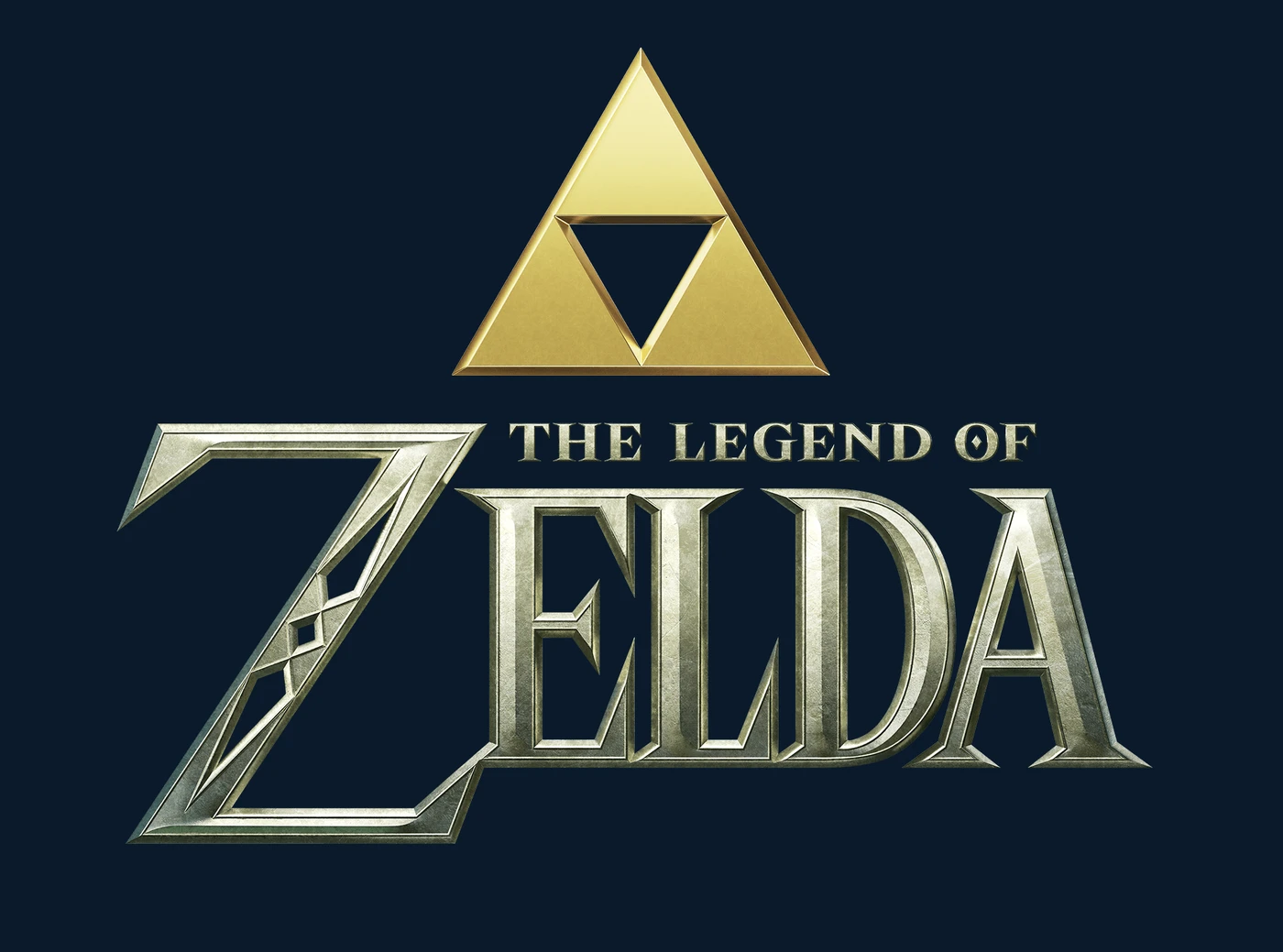
If you’re wondering which Zelda game the live-action movie is based on, Nintendo’s answer as of today is: none of them specifically. Speaking at the Legend of Zelda 40th Anniversary Direct, producer Shigeru Miyamoto described the film as “an original film based on the many stories, ideas, and concepts of the series, built up through the games for 40 years.” No trailer or footage came with that statement — just the film’s official logo and title.
Which Zelda Game Is the Movie Based On?
None, according to what Nintendo has actually said. This isn’t a cinematic version of Ocarina of Time, Breath of the Wild, Twilight Princess, or any other single entry. Miyamoto’s own wording frames the film as drawing from ideas and concepts accumulated across four decades of games rather than following one game’s plot. Until Nintendo says otherwise, treat any claim that the movie adapts a specific title as speculation, not fact.
What “Original Story” Actually Means Here
An original plot doesn’t mean the film exists in isolation from the games. Zelda as a franchise has always reused a core set of elements — Link, Zelda, Hyrule, the Triforce, some version of Ganon or Ganondorf — while telling different, often disconnected stories across different eras and continuities from game to game. A movie built the same way, pulling from that shared toolkit without being tied to one game’s specific narrative, is consistent with how Nintendo has always structured the series itself. That’s the useful context for understanding the approach, not a claim that this makes the film interchangeable with any particular installment.
The Triforce Is Confirmed to Matter — Specifics Aren’t
Miyamoto didn’t just describe the film in general terms; he specifically raised the Triforce, asking the Direct’s audience, “When we talk about The Legend of Zelda, there’s the Triforce. What role do you think it will play in the film?” That’s a real confirmation that the Triforce factors into the story somehow. It is not a confirmation of which characters hold pieces of it, whether a Sacred Realm-style plot is involved, or any other specific mechanic drawn from individual games. The games themselves don’t use the Triforce identically from title to title, so there’s no single “correct” version for the film to inherit — whatever Nintendo and director Wes Ball land on is still unrevealed.
Why the Movie Has No Subtitle
Every mainline Zelda game carries a subtitle. The movie doesn’t — it’s simply The Legend of Zelda. Miyamoto addressed this directly, saying the absence of a subtitle “will make sense once you see” the film, without elaborating further. That’s the entirety of Nintendo’s explanation. It’s a reasonable editorial observation that a bare title fits a film Nintendo is positioning as a synthesis of the franchise rather than a specific installment’s story — but that’s interpretation on this site’s part, not something Nintendo has confirmed as the actual reasoning.
What This Means for the Ocarina of Time Remake
Nintendo used the same Direct to reveal substantial material on its Ocarina of Time remake for Switch 2, a modern recreation of that specific 1998 game. That’s a separate project with a clear, direct source. The movie is not the cinematic equivalent of that remake, or of any other single game, based on what Nintendo has said about its own original story.
What About Breath of the Wild, Twilight Princess, or Other Games?
Nintendo’s own framing — ideas from across 40 years — doesn’t single out any one title as the visual or narrative template, whatever costume details, casting choices, or location design eventually surface. Resemblance to a specific game’s aesthetic wouldn’t prove that game is the story’s source; it would just mean the film borrowed familiar franchise iconography, which Miyamoto’s own statement already tells us to expect.
What’s Confirmed vs. Not Yet Confirmed
Confirmed: The film is titled The Legend of Zelda, releases in theaters worldwide April 30, 2027, and is an original story drawing from ideas across the franchise rather than adapting one game. Wes Ball directs, with Sony Pictures Releasing distributing alongside Nintendo, Columbia Pictures, Arad Productions, and OddBall Entertainment. Benjamin Evan Ainsworth plays Link, Bo Bragason plays Zelda, Uli Latukefu plays Ganondorf, and Dichen Lachman plays Impa. Yvonne Strahovski, Lydia Peckham, and the late Sam Neill are all confirmed as cast, though their characters haven’t been officially disclosed. Neill, who died on July 13, 2026, had already filmed his role before his passing. The Triforce is confirmed to play some role in the story.
Not yet confirmed: which game era or aesthetic dominates the film’s look, where the story sits relative to any game continuity, whether any specific dungeon or quest structure from the games is recreated, exactly how the Triforce functions in the plot, and whether the movie is meant to connect to the games’ timeline at all.
Is the Zelda Movie Canon to the Games?
Nintendo hasn’t defined that relationship. No statement from Nintendo, Sony, or Miyamoto has placed the film inside the games’ timeline or continuity, and none has explicitly ruled it out either — the honest answer right now is that Nintendo simply hasn’t addressed movie-to-game canon at all.
Why This Approach Makes Sense for Zelda Specifically
Zelda has spent 40 years revisiting the same handful of names, places, and symbols across continuities that don’t all connect to each other in the games themselves. That gives a film adaptation more room to build something new than a franchise built around one continuous, linear story would allow — Nintendo isn’t required to pick a single game’s plot to stay recognizably “Zelda,” because the games never required that internal consistency of themselves either.
For the full breakdown of what Nintendo has and hasn’t confirmed about this week’s Zelda 40th Anniversary programming, see our Direct schedule guide — now updated to reflect that the September 8 broadcast has aired. For more gaming and movie coverage, visit our Gaming hub and Movies hub.
Sources
- Nintendo — The Legend of Zelda (official movie site) — September 8, 2026
- GameInformer — Shigeru Miyamoto Hints at First Legend of Zelda Movie Story Details — September 8, 2026
- Deadline — Sam Neill Filmed 'Legend of Zelda' Role Prior to Death — August 7, 2026
Make Red Reactions a preferred source
Choose Red Reactions as a preferred source in Google Search.
Confirm your choice on Google.
Related coverage
Ramayana's International Trailer Arrives: November Cinema Dates by Country
Sony Germany lists a new Ramayana trailer. Check the current November dates for Germany, the UK, Malaysia and Italy, plus the campaign's reported new footage.
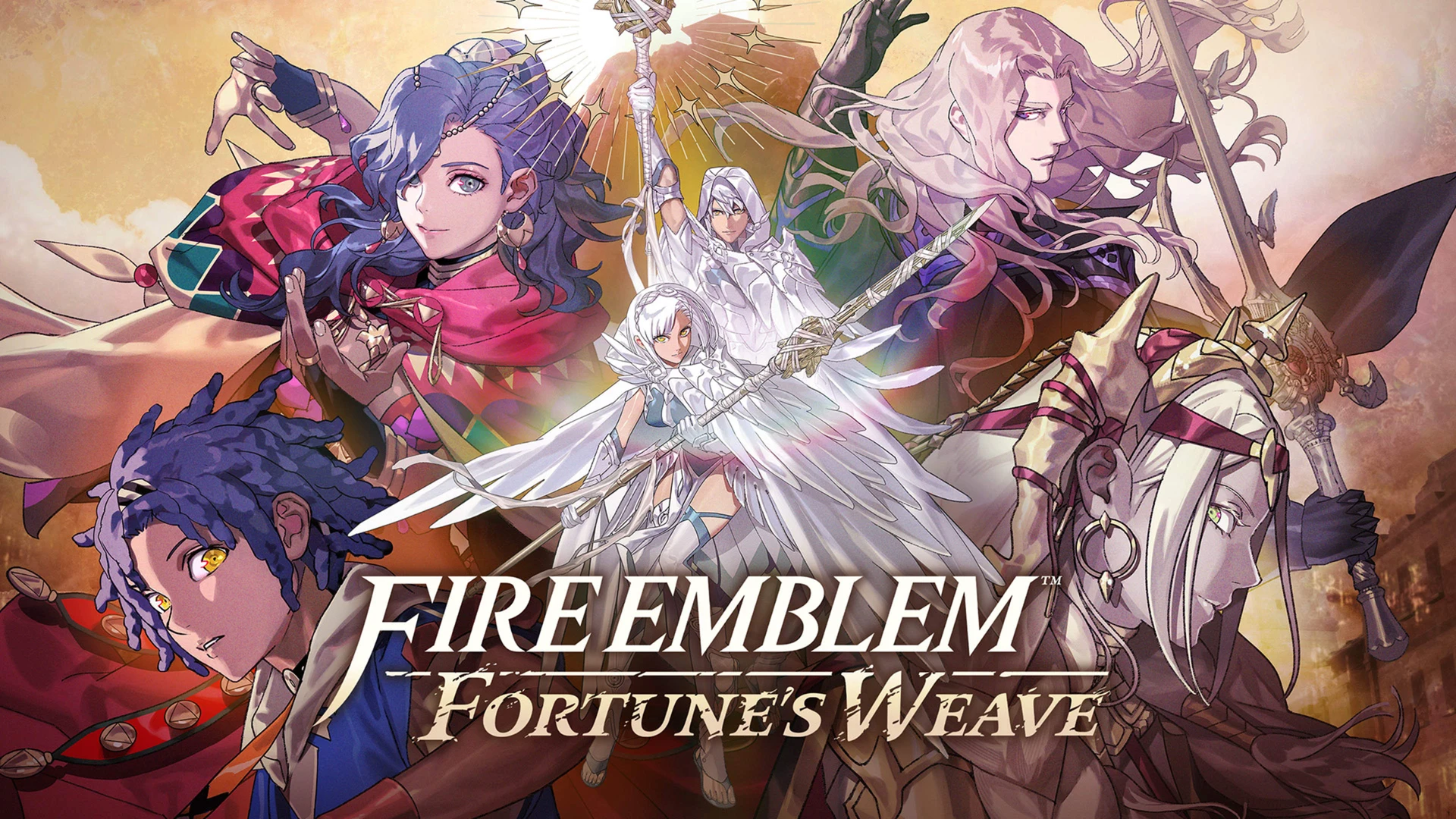
Fire Emblem: Fortune’s Weave Expansion Pass: All Three DLC Waves
Fortune’s Weave DLC starts with four weapons, adds gods and outfits in holiday 2026, then new stories in 2027. Check the US price and base-game requirement.
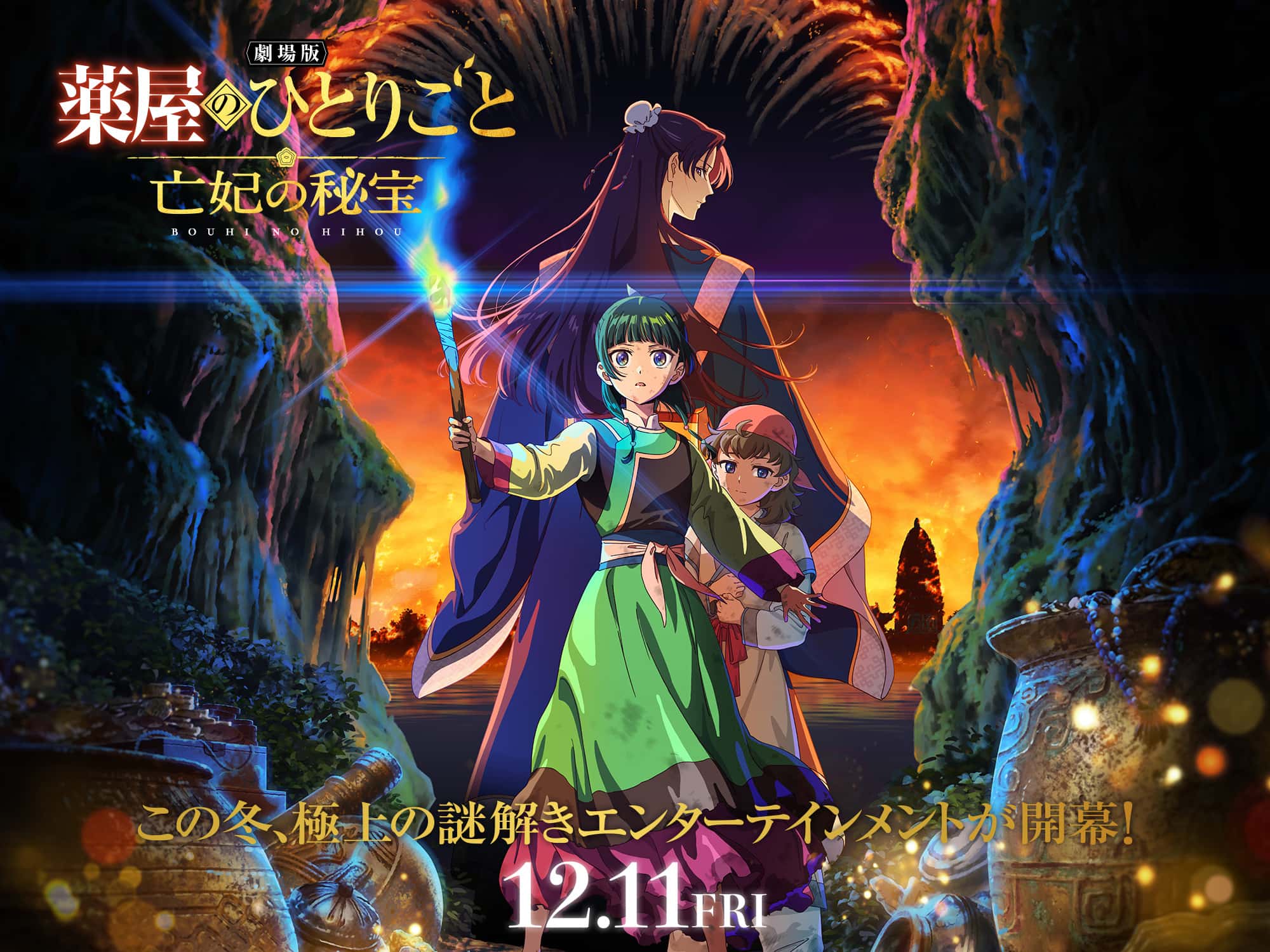
The Apothecary Diaries Movie: Global Theatrical Deal and Japan Date
Crunchyroll and Sony will distribute The Apothecary Diaries: The Late Lady's Treasure. Japan opens December 11; territory-by-territory international dates and ticketing remain unannounced.
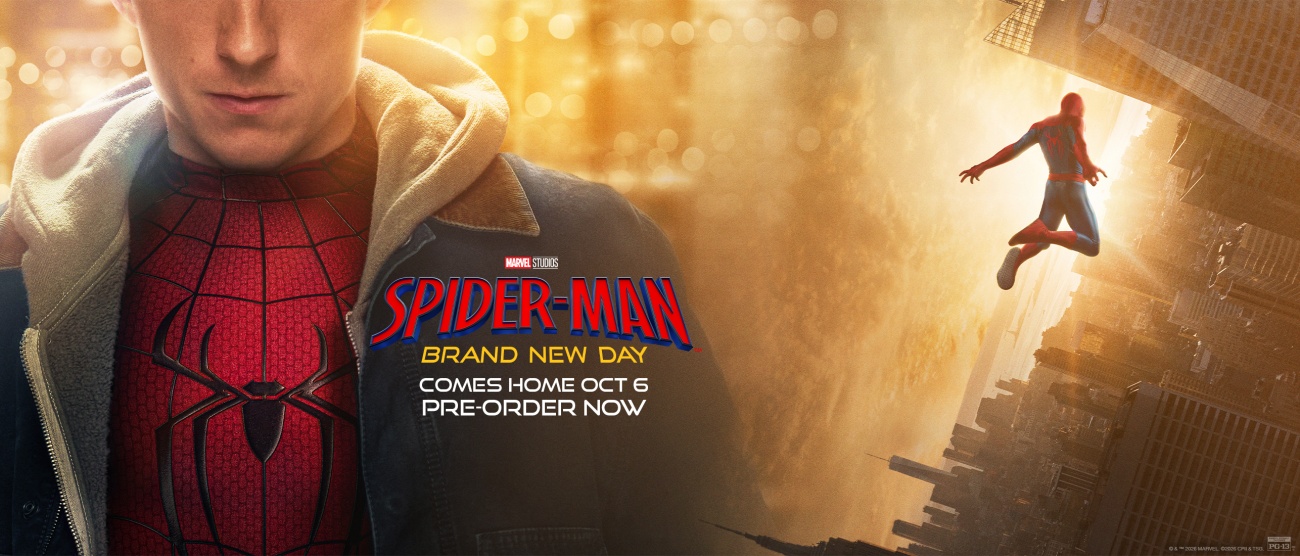
Spider-Man: Brand New Day Home Release — Digital, 4K, Blu-ray and Streaming
Swedish rental and purchase prices for Spider-Man: Brand New Day, plus Apple TV and SF Anytime availability, Netflix, Disney+ and physical-release status.
About the author
Aram Anwar
Founder & Editor
Aram Anwar founded Red Reactions and writes across comics, gaming, movies and television. His work includes franchise guides and large Lore / Explained features, with an emphasis on separating confirmed details from reports, theory and speculation.
Coverage: Comics · DC & Marvel · Gaming · Movies & TV · Lore / Explained · Guides
More from Aram Anwar