feature · anime / movies
Look Back Beginner Guide — From Tatsuki Fujimoto's Manga to the Anime and Hirokazu Kore-eda's Live-Action Film
Tatsuki Fujimoto's one-shot Look Back now exists as manga, a 2024 anime film, and a 2026 live-action adaptation from Hirokazu Kore-eda. Here's how the three versions relate and where to start.
 By Bamo Anwar4 min read
Read the manga or watch the 2024 anime film first, then the live-action film. Look Back now exists in three forms — Tatsuki Fujimoto’s original one-shot manga, Studio Durian’s 2024 anime film, and Hirokazu Kore-eda’s 2026 live-action adaptation — and while none of them requires the others, that’s the order that gives you the story’s emotional structure before you see it interpreted twice more.
The Quick Version
| Original creator | Tatsuki Fujimoto (Chainsaw Man) |
| Original format | One-shot manga, published by Shueisha in 2021 |
| Anime film | 2024, Studio Durian, directed by Kiyotaka Oshiyama |
| Live-action film | 2026, directed by Hirokazu Kore-eda |
| Live-action Japan release | September 11, 2026 |
| Live-action leads | Natsuki Deguchi (Fujino), Aju Makita (Kyomoto), Furi Nanase (young Fujino), Rokka Okada (young Kyomoto) |
| Live-action producer/distributor (Japan) | K2 Pictures |
| International distributor | GKIDS (US, Canada, UK, Ireland) |
| Festival premiere | Competition selection, 83rd Venice International Film Festival |
What Look Back Actually Is
Look Back began as a standalone manga one-shot by Tatsuki Fujimoto — the creator of Chainsaw Man — published by Shueisha in 2021. It follows two classmates, Fujino and Kyomoto, who bond over drawing and grow from childhood rivals into creative partners, told across roughly a decade of their friendship. It’s not connected to Chainsaw Man or any of Fujimoto’s other ongoing series; it’s a self-contained story that can be read start to finish in one sitting.
That self-contained quality is a big part of why it’s been adapted twice in five years: the manga’s structure — long, dialogue-light passages built around drawing and motion — translates unusually well to both animation and live-action without needing to be padded or restructured.
The 2024 Anime Film
Studio Durian’s anime adaptation, directed by Kiyotaka Oshiyama, stuck closely to the manga’s pacing and imagery, using animation to render the physical act of drawing — pencil strokes, panel-to-panel motion — in a way that echoed the source material’s own visual language. It’s widely considered a faithful, tightly constructed adaptation, and it’s the version most newcomers to Look Back outside Japan encountered first.
The 2026 Live-Action Film
Hirokazu Kore-eda — the director behind Shoplifters, Broker and Monster — wrote and directed the live-action version, produced in Japan by Daiju Koide’s K2 Pictures banner. It premiered in the competition section of the 83rd Venice International Film Festival, reportedly to a lengthy standing ovation, before opening in Japan on September 11, 2026. GKIDS holds distribution rights for the US, Canada, the UK and Ireland, meaning international audiences will see it through the same label that’s released other major anime and animated-adjacent films theatrically.
The cast is led by Natsuki Deguchi and Aju Makita as the adult Fujino and Kyomoto, with Furi Nanase and Rokka Okada playing their younger selves — a structure that mirrors the manga and anime film’s own time jump across the characters’ friendship.
Kore-eda’s choice of material is a notable fit: his filmography is built around close, observational stories about family and found relationships, which lines up naturally with Look Back’s focus on a two-person creative partnership rather than a larger ensemble or genre plot.
Do You Need to Read the Manga First?
No, but it helps set expectations. Look Back is a short, quiet story — it’s not built around a twist or a large cast, and its emotional weight comes from how it handles the passage of time and the specific mechanics of a creative friendship. Going in knowing that shape means you’re watching for how each adaptation handles that structure, rather than waiting for a plot to develop the way a longer story might.
If you only have time for one version before the live-action film, the manga is the fastest way to get that shape — it’s a single, complete work, not the first volume of something ongoing.
What’s Still Unclear for International Audiences
GKIDS has confirmed distribution rights for the US, Canada, UK and Ireland, but a specific North American theatrical or streaming release date hadn’t been announced as of this writing. If you’re outside Japan, the safest current answer is: watch for a GKIDS announcement rather than assuming a simultaneous release with the September 11 Japanese opening.
For more on manga-to-screen adaptations and beginner guides to ongoing series, see our Apothecary Diaries guide to the novels, manga, anime and live-action versions and our Witch on the Holy Night beginner guide.
Sources
- K2 Pictures — Live-Action Film Look Back Officially Selected for the 83rd Venice International Film Festival — July 23, 2026
- Anime News Network — Live-Action Look Back Film's Trailer Reveals More Cast, September 11 Opening — July 14, 2026
- The Hollywood Reporter — GKids Board Hirokazu Kore-eda's Live-Action Look Back — July 23, 2026
Make Red Reactions a preferred source
Choose Red Reactions as a preferred source in Google Search.
Confirm your choice on Google.
Related coverage
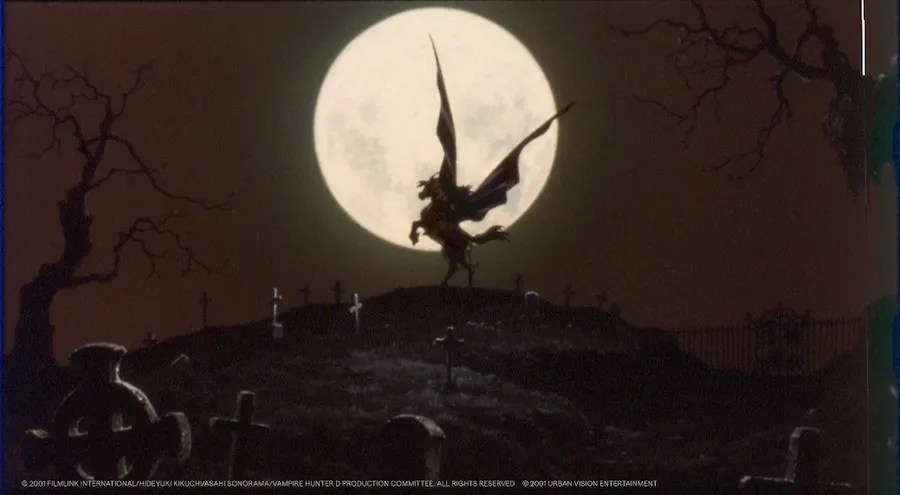
Vampire Hunter D Watch and Reading Order — Where to Start Before Bloodlust Returns to Theaters
The 1985 film and Bloodlust aren't one tight continuity, and the light novels split off further still. Here's the actual relationship between them, and where to start depending on whether you're watching or reading.
Godzilla Minus Zero Trailer Breakdown: What's Confirmed, the New Extermination Plan and That Mystery Roar
TOHO and GKIDS' full trailer for Godzilla Minus Zero confirms Godzilla survived and a new extermination operation. Here's what's actually confirmed, what's just shown in the footage, and what's still speculation.
Vampire Hunter D: Bloodlust Returns to North American Theaters in 2027 via GKIDS
GKIDS has acquired Vampire Hunter D: Bloodlust and will bring its Japanese-language version to select North American theaters this fall before a wider 2027 release.
About the author
Bamo Anwar
Anime & Gaming Writer
Bamo Anwar covers anime and gaming for Red Reactions. His work ranges from release news and detailed trailer breakdowns to beginner guides, watch orders and explainers designed to make large franchises and game systems easier to enter.
Coverage: Anime · Gaming · Beginner Guides · Watch Orders · Explainers
More from Bamo Anwar