feature · movies
Practical Magic Books Reading Order — Publication Order vs. Chronological Order Explained
Read Alice Hoffman's four Practical Magic novels in publication or chronological order, and understand why the 2026 Practical Magic 2 tie-in is The Book of Magic.
 By Kenza Benouna5 min read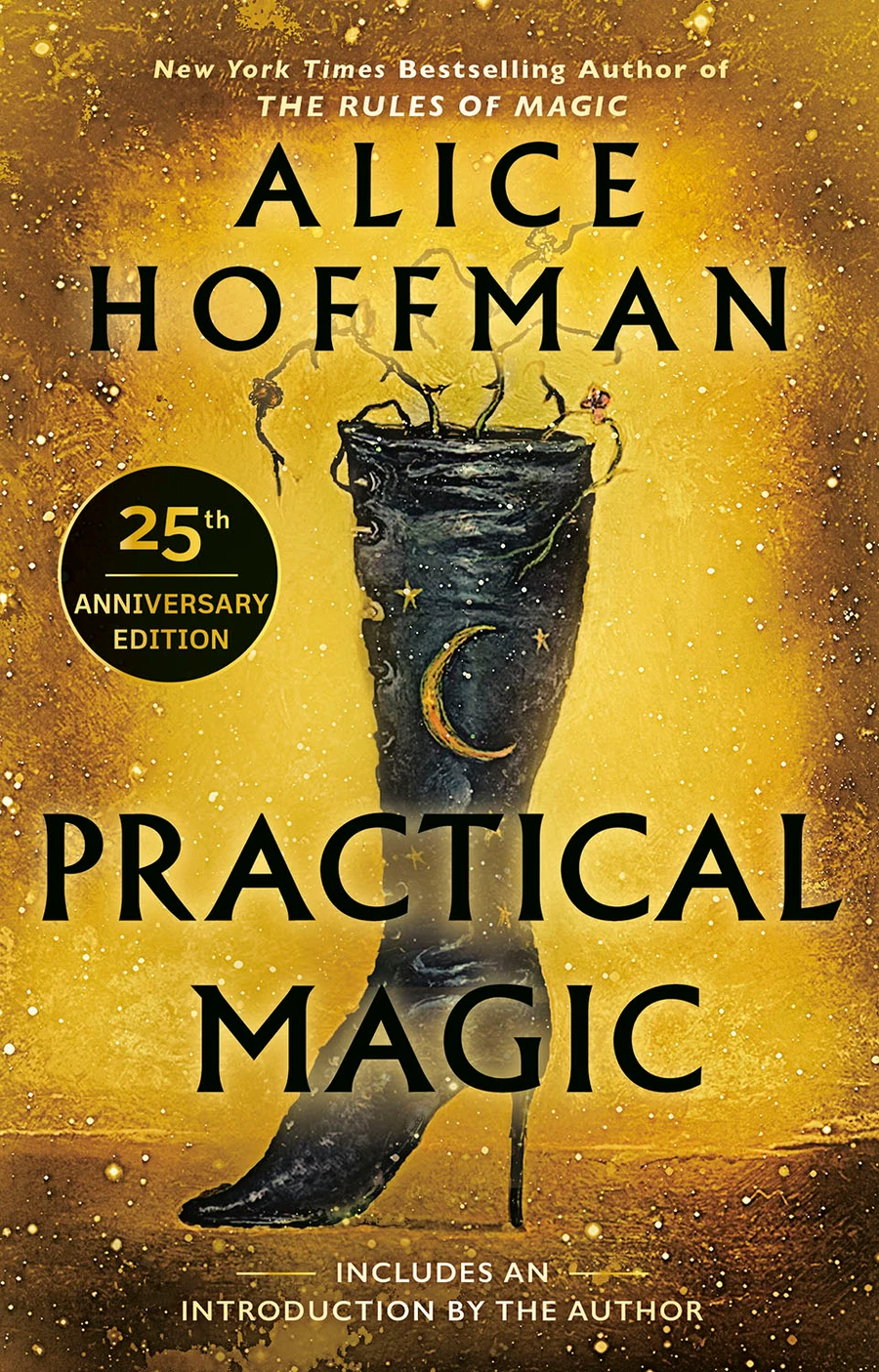
Alice Hoffman’s Practical Magic series is four novels written across 26 years, in an order that doesn’t match the timeline they actually cover. If you’ve only seen the 1998 film — or the Owens family’s curse lore — and want to go deeper into the books, here’s the difference between reading them as Hoffman wrote them and reading them as the story unfolds.
The Quick Version
| Publication order | Practical Magic (1995) → The Rules of Magic (2017) → Magic Lessons (2020) → The Book of Magic (2021) |
| Chronological order | Magic Lessons → The Rules of Magic → Practical Magic → The Book of Magic |
| Author | Alice Hoffman |
| Series spans | 17th-century Salem through modern-day New England |
| Central family | The Owens family, bound by a generations-old curse |
| Book that must come last, either way | The Book of Magic (2021) |
Why the Two Orders Exist
Practical Magic, published in 1995, was written as a standalone novel — Hoffman had no plans for a series at the time. It follows sisters Sally and Gillian Owens as adults, dealing with the family’s reputation for witchcraft and a curse that seems to doom the men who love Owens women. It became a bestseller and a 1998 film starring Sandra Bullock and Nicole Kidman.
Hoffman didn’t return to the Owens family until 2017’s The Rules of Magic, a prequel following Sally and Gillian’s aunts, Franny and Jet, decades earlier. Magic Lessons (2020) went further back still, telling the origin story of Maria Owens, the ancestor whose choices created the family’s curse in the first place, set in the 1600s. The Book of Magic (2021) closes the series out as a direct sequel to the original Practical Magic, reuniting with Sally and Gillian’s generation to resolve the curse’s story.
So the publication order and the in-universe timeline diverge because Hoffman wrote the middle of the story first, then filled in the beginning, then wrote the ending last.
Publication Order: Practical Magic → The Rules of Magic → Magic Lessons → The Book of Magic
Start with Practical Magic if you want Sally and Gillian’s story first, then explore the earlier generations through the prequels. This route follows the books’ original publication sequence: you meet the sisters before learning more about the aunts’ youth and Maria Owens’s history.
Chronological Order: Magic Lessons → The Rules of Magic → Practical Magic → The Book of Magic
Start with Magic Lessons if the family’s origins interest you most. You follow Maria Owens in the 1600s before moving to Franny and Jet’s generation in The Rules of Magic, then Sally and Gillian in Practical Magic.
The difference is when you learn the family history. Publication order introduces it through later prequels; chronological order gives you that background before the original novel. Neither chronological list places The Book of Magic before Practical Magic.
Which Order Should You Actually Use?
Hoffman’s own series page explicitly leaves the choice to readers and lists both orders. Choose Practical Magic first for Sally and Gillian, or Magic Lessons first for the ancestral story. Both routes end with The Book of Magic, the series conclusion.
Is Practical Magic 2 a Fifth Book?
No. The 2026 paperback titled Practical Magic 2 is a movie tie-in edition of The Book of Magic, the fourth novel. Simon & Schuster identifies it as book #4 and a media tie-in trade paperback, published August 18, 2026, with ISBN 9781668227510. The earlier trade paperback, ISBN 9781982151492, carries the title The Book of Magic (Practical Magic 2) on the publisher’s current page.
These are two editions of the same story, so you only need one of them to complete the four-novel sequence. The tie-in title does not change either reading order, and it should not be mistaken for a newly written fifth installment or a separate novelization of the film. Choose the cover and edition you prefer; keep this story last.
For help keeping the generations straight, our Practical Magic family-tree explainer separates the novels’ genealogy from what the films establish.
If you’re coming to this from the film side rather than the books, our explainer on the Owens family curse in Practical Magic breaks down the curse’s mechanics and lore as depicted on screen — this guide is about the reading order of Hoffman’s novels themselves, so the two are worth pairing together rather than treating as duplicates.
Sources
Make Red Reactions a preferred source
Choose Red Reactions as a preferred source in Google Search.
Confirm your choice on Google.
Related coverage
About the author
Kenza Benouna
Movies, TV & Horror Writer
Kenza Benouna writes about movies and television, with a substantial archive in horror. Her Red Reactions work includes reviews, supernatural and franchise lore, story explainers and analysis of character, atmosphere and adaptation.
Coverage: Horror · Movies · TV · Reviews · Lore & Features
More from Kenza Benouna