lore · gaming
Strahd von Zarovich Explained — His Origin, Curse, Barovia and Why Ravenloft Can't Let Him Go
Who Strahd von Zarovich actually is in Dungeons & Dragons canon: his human origin, the murder that made him a vampire, why Barovia is both his kingdom and his prison, and what Curse of Strahd changed from the 1983 original.
 By Aram Anwar7 min read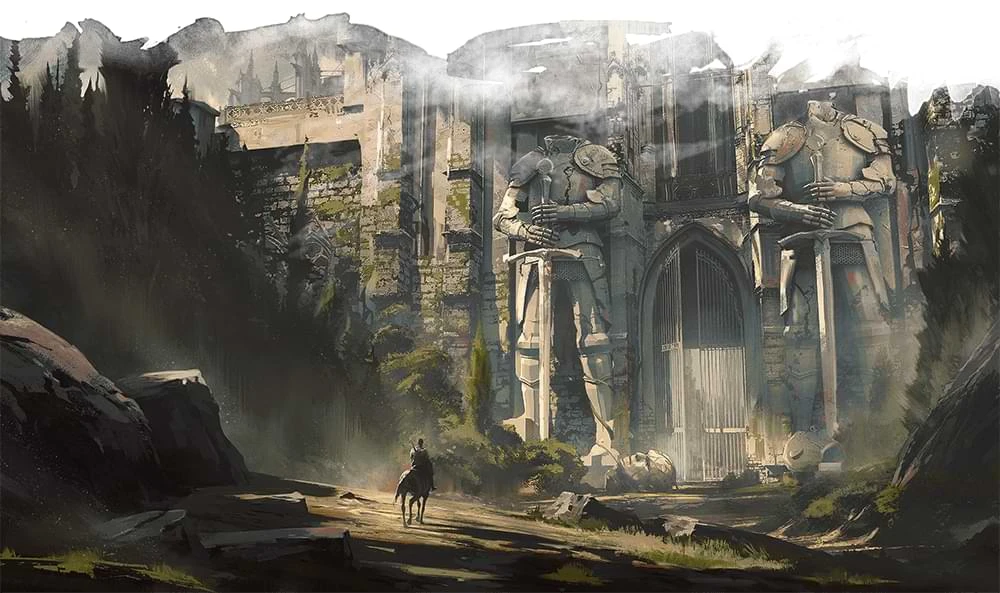
Strahd von Zarovich has been Dungeons & Dragons’ vampire for over forty years, and he’s outlasted every attempt to reduce him to “D&D’s Dracula.” Before Netflix’s developing Ravenloft series puts him in front of a much wider audience, it’s worth being precise about who he actually is in the game’s own canon — where the story has changed across editions, and where it hasn’t.
Who Is Strahd von Zarovich?
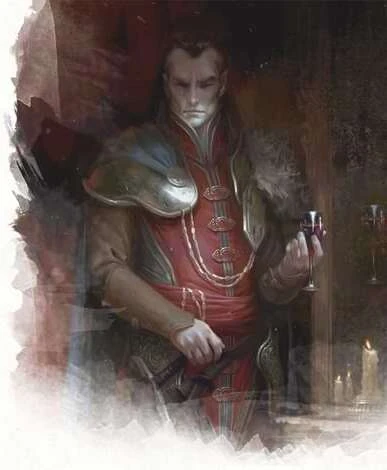
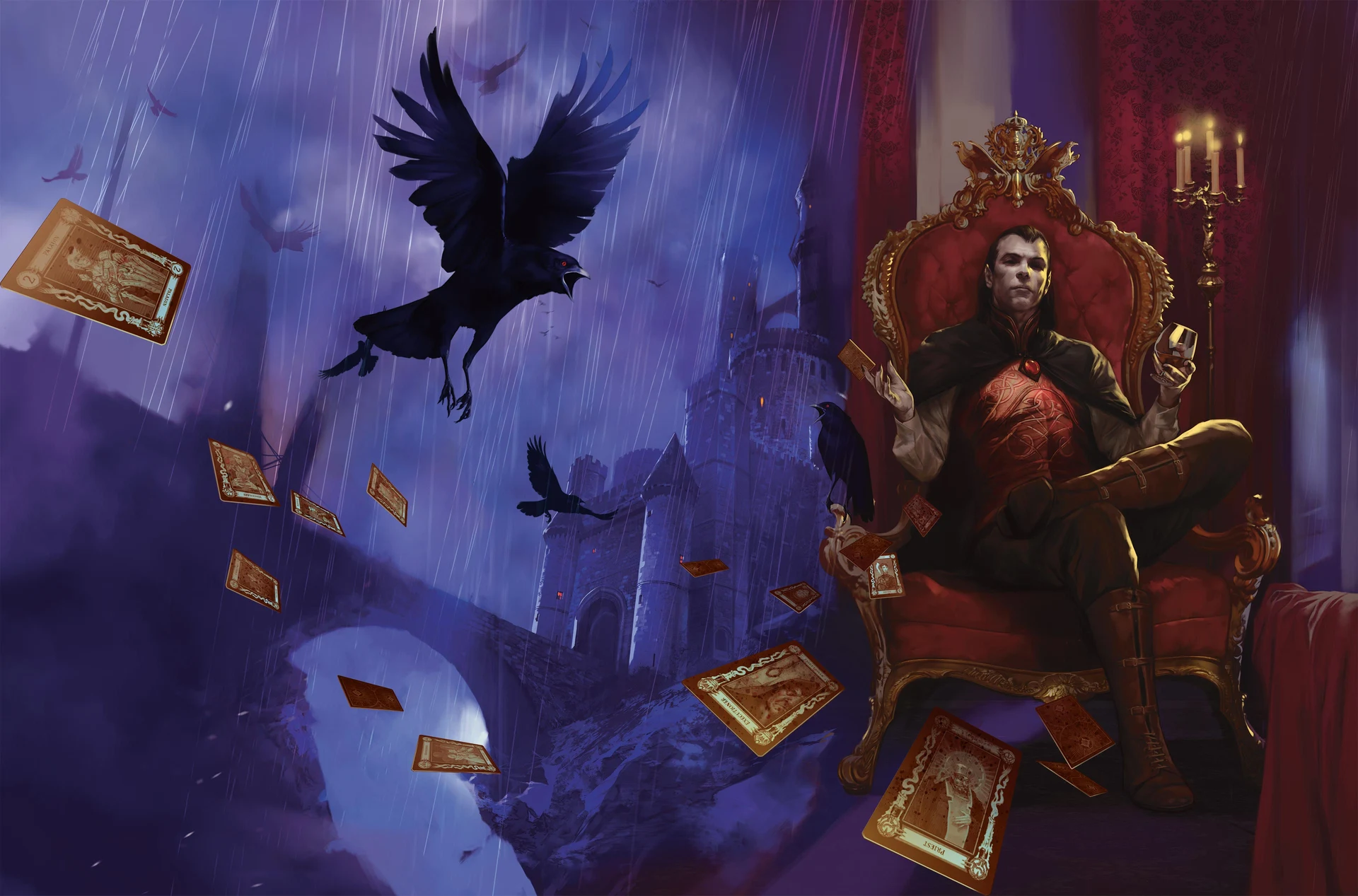
Strahd is the first Darklord of the Domains of Dread and the vampire ruler of Barovia, a demiplane bordered by supernatural fog known as the Mists. He was introduced in I6: Ravenloft, a 1983 adventure module written by Tracy and Laura Hickman that became one of the foundational horror stories in Dungeons & Dragons — and, unusually for a villain from a single 32-page module, he’s returned in some form in every edition of the game since.
That longevity is the real headline. Plenty of D&D villains have been retired, replaced or quietly forgotten. Strahd is one of a handful who’s been rebuilt, expanded and rereleased for four decades without ever being written out.
What Is Barovia?
Barovia is Strahd’s domain — not a country he governs from a throne somewhere else, but the specific pocket of reality shaped around him and sealed off from everywhere else by the Mists. According to D&D Beyond’s own account, Strahd named it after the valley where he defeated his late father King Barov’s enemies, before any of it belonged to the Domains of Dread.
That distinction matters because Barovia predates Strahd’s vampirism. He named it as a living conqueror, and only later did it become the prison that reshapes itself around whatever guilt and obsession define him.
Why Castle Ravenloft Matters
Castle Ravenloft is Strahd’s fortress within Barovia — the two terms aren’t interchangeable. Per D&D Beyond, the castle was constructed in honor of Strahd’s mother, Queen Ravenovia. It sits above the valley both as his seat of power and as the site of the tragedy that defines the rest of the story: it’s the spires of Castle Ravenloft that Tatyana falls from.
Ravenloft, meanwhile, has come to mean something broader than the castle. Over decades of publishing, “Ravenloft” grew from the name of Strahd’s specific 1983 module into the umbrella term for the entire gothic-horror setting — the Domains of Dread, the wider network of Darklords and their own separate demiplanes. Strahd’s story is the one Ravenloft started with, not the entirety of what the name now covers.
Strahd Before the Vampire
Strahd was born a prince, the son of King Barov and Queen Ravenovia, and grew into a conqueror in his own right — he’s the one who wins the valley that becomes Barovia. D&D Beyond’s account describes a mother who “was fearful of him,” and a Strahd who grew envious of the love she showed his younger brother, Sergei, instead. That family imbalance, not just the later murder, is presented as the seed of everything that follows.
Sergei, Tatyana and the Choice That Destroys Him
The turning point happens on Sergei and Tatyana’s wedding day. Tatyana was a native Barovian woman Strahd wanted for himself — and who, per D&D Beyond, “fell for Sergei instead of him.” Strahd’s response is not framed as romance. He flew into a rage and murdered his own brother, then chased Tatyana through the castle grounds until she threw herself from Castle Ravenloft’s spires to escape him, and died.
It’s worth being direct about what that sequence actually is: a man’s jealous rage over rejection, followed by him hunting a terrified woman to her death. Adaptations and later material sometimes soften this into “tragic love” language, and Strahd himself narrates his own life that way — but the underlying events are murder and a fatal pursuit, not a love story that went wrong.
How Strahd Becomes a Vampire
D&D Beyond’s own summary keeps this part compact: after the murder, “the son of King Barov had consumed the blood of his brother and embraced undeath.” The 2016 sourcebook Curse of Strahd fills in more mechanism, describing Strahd striking a pact with the Dark Powers — the ancient, otherworldly forces bound within the Amber Temple — with the aid of a lich named Exethanter, in order to become what he is.
Those two accounts aren’t really contradictory so much as differently detailed: one is a short editorial summary, the other is the full sourcebook’s explanation of the underlying mechanics. What’s worth flagging is that elements like the Amber Temple and Exethanter are part of Curse of Strahd’s specific expansion of the story — they weren’t part of the original 1983 module, which didn’t need that level of infrastructure to make Strahd work as a villain.
Why Strahd Is Trapped in Barovia
Becoming Barovia’s ruler and becoming its prisoner happened at the same time. D&D Beyond states it plainly: “Strahd is as much a prisoner of Barovia as he is its master.” He can rule every inch of the valley and still can’t leave it — the Mists seal Barovia off from the rest of reality, and if Strahd is ever killed inside it, the Dark Powers simply resurrect him within months. He is, structurally, unable to actually die or actually leave; both exits are closed by the same power that made him what he is.
Layered onto that: Strahd is haunted by “untouchable reincarnations of Tatyana” who keep appearing in his domain without ever actually being her, and without him ever being able to have what he originally wanted. The domain doesn’t just contain him — it keeps replaying the specific failure that created him.
What a Darklord Actually Is
Strahd is the template for a category that now includes many other rulers across the Domains of Dread. A Darklord, per D&D Beyond, is a tyrant who “committed sins in life” and was given that title by the Dark Powers — and nearly all of them are similarly trapped inside the specific demiplane shaped around their own worst act. Strahd is the first and most well-known example, not the only one; the wider mechanics of how other Darklords and domains work is its own subject, beyond what a Strahd-focused explainer needs to cover.
Curse of Strahd vs. the Original Ravenloft
Curse of Strahd is not a reprint of I6: Ravenloft — it’s the fifth-edition sourcebook that expands on decades of accumulated Ravenloft material, published by Wizards of the Coast on March 15, 2016. The scale difference alone tells the story: the original 1983 module ran 32 pages; Curse of Strahd runs 256. Along the way it picked up a dedicated section characterizing Strahd’s personality and goals before the adventure even begins, new named figures like Rahadin, and a far more detailed take on the Dark Powers than the original module ever specified.
That growth didn’t happen in one step. Earlier products — House of Strahd and Expedition to Castle Ravenloft among them — expanded the same core story across multiple editions before Curse of Strahd became the current, most widely read version. There’s also a prose take worth knowing about: P.N. Elrod’s 1993 novel I, Strahd: The Memoirs of a Vampire tells the character’s backstory in first person as its own standalone book, separate from any of the adventure modules and not something every later product treats as strict continuity.
What Netflix May — and May Not — Be Adapting
Netflix has a live-action Ravenloft series in development, with John August writing and Alfonso Cuarón attached as an executive producer — not as director. The project is built around Strahd’s origin and transformation, and Hasbro’s own framing describes his arc using “tragic antihero” language. That’s the adaptation’s own project description, not a phrase pulled from D&D’s core sourcebooks — worth keeping distinct given how directly this article treats the underlying murder and pursuit.
Nothing currently confirms this as a direct adaptation of Curse of Strahd, of I, Strahd, or of any single existing product — Netflix and Hasbro have described an original take on the origin story, not a screen version of one specific book. No cast, director, production start date or release window has been announced, and the project has not been ordered to series.
The Simple Version for Newcomers
Strahd is the vampire; Barovia is the land he rules and can’t leave; Castle Ravenloft is his personal fortress inside it; Ravenloft is the name that grew to cover the entire gothic-horror setting his story started; Curse of Strahd is the current, much-expanded 2016 sourcebook built on top of the 1983 original; a Darklord is what the game calls any ruler trapped by the same kind of curse Strahd embodies; and Netflix’s Ravenloft series is a separate, still-developing screen project drawing on that history rather than filming any one book directly. Keep those six things distinct and the rest of Strahd’s decades of material is easy to place.
Sources
Make Red Reactions a preferred source
Choose Red Reactions as a preferred source in Google Search.
Confirm your choice on Google.
Related coverage
Netflix Is Developing a Dungeons & Dragons: Ravenloft Series — Strahd Origin Story, Alfonso Cuarón and What Happened to Forgotten Realms
Netflix is developing a live-action Dungeons & Dragons: Ravenloft series about the origin of vampire Darklord Strahd von Zarovich, with John August writing and Alfonso Cuarón executive producing. Here's what's confirmed — and what isn't.
Dungeons & Dragons: Honor Among Thieves Review: A Flawed Adventure That Deserved a Bigger Audience
A likeable, uneven adventure whose cast and humour deserved a far bigger audience than its box office ever found.
Baldur's Gate 3 Comics Launch February 24, 2027 With Astarion; Karlach Follows
Dark Horse's Baldur's Gate 3 comic starts with Astarion in February 2027. Here are the creative teams, Karlach's next arc and the January preview.
Dungeons & Dragons: Dark Sun Graphic Novels Begin April 20, 2027 With Dan Abnett
Dan Abnett and Nil Vendrell launch Dark Horse's Dark Sun graphic-novel trilogy in April 2027. Check Volume 1's story, hardcover details and Athas setting.
About the author
Aram Anwar
Founder & Editor
Aram Anwar founded Red Reactions and writes across comics, gaming, movies and television. His work includes franchise guides and large Lore / Explained features, with an emphasis on separating confirmed details from reports, theory and speculation.
Coverage: Comics · DC & Marvel · Gaming · Movies & TV · Lore / Explained · Guides
More from Aram Anwar