feature · movies
Dune Books in Order: Frank Herbert's Six Novels, the Prequels and What to Read Before Dune: Part Three
Read the Dune books in publication order, starting with Frank Herbert's Dune and Dune Messiah. A spoiler-free guide to all six novels, the prequels and the sequels, ahead of Dune: Part Three on December 18.
 By Aram Anwar9 min read
— Novel years, settings and premises checked on Wikipedia's Dune book pages, October 31, 2026. Film date checked on Legendary and Wikipedia. ISBNs matched to Open Library. Amazon listings, prices and stock not checked.
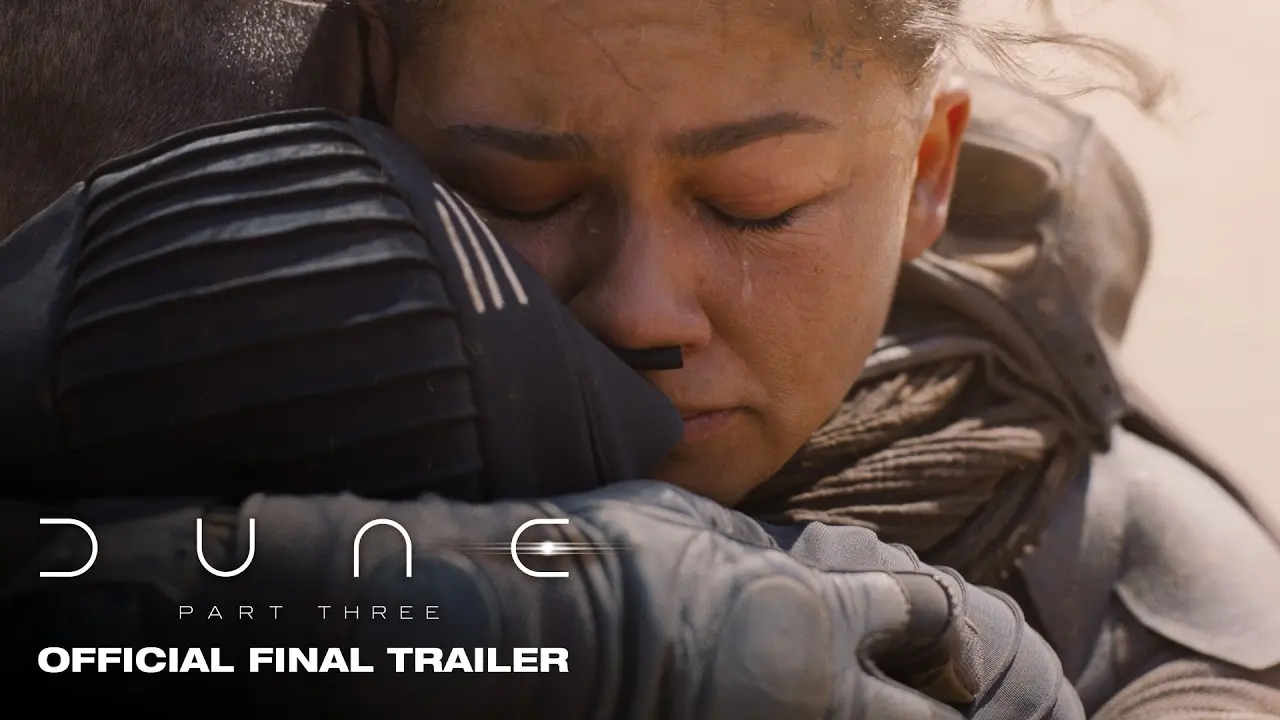
Read the Dune books in the order Frank Herbert published them: Dune (1965), Dune Messiah (1969), Children of Dune (1976), God Emperor of Dune (1981), Heretics of Dune (1984) and Chapterhouse: Dune (1985). If you only want to prepare for Dune: Part Three, which Legendary lists for December 18, 2026, read the first two books. The film is the third in Denis Villeneuve’s trilogy, and Dune Messiah is the novel most widely expected to be its source.
That “expected” matters. Wikipedia says the film is credited as based on Herbert’s Dune novels and that speculation has centred on Dune Messiah, and Legendary’s page does not name a novel. The reading advice below is ours and is not a promise about what the film adapts. The rest of this guide is spoiler-free: it gives the order, the setting of each book and what kind of story to expect, without revealing plot turns.
Dune books in order: Frank Herbert’s six novels
| # | Novel | Published | When it is set | What to expect |
|---|---|---|---|---|
| 1 | Dune | 1965 | The original story | Paul Atreides and the desert world of Arrakis |
| 2 | Dune Messiah | 1969 | Paul has ruled as Emperor for 12 years | The cost of Paul’s rise and a conspiracy against him |
| 3 | Children of Dune | 1976 | Nine years after Paul walks into the desert | Paul’s twin children, Leto II and Ghanima, face rivals |
| 4 | God Emperor of Dune | 1981 | Leto II has ruled for 3,500 years | A tyrant ruler and a long-term plan for humanity |
| 5 | Heretics of Dune | 1984 | About 1,500 years after God Emperor of Dune | A new threat, the Honored Matres, arrives |
| 6 | Chapterhouse: Dune | 1985 | Follows Heretics of Dune | The Bene Gesserit try to survive the Honored Matres |
Years, settings and premises come from Wikipedia’s pages for each novel. Dune was first published by Chilton Books and won the Hugo Award for Best Novel in 1966, tying with Roger Zelazny’s This Immortal, and the first Nebula Award for Best Novel. Dune Messiah ran in Galaxy Science Fiction from June to October 1969 before Putnam published it as a hardback that October.
Herbert died on February 11, 1986. Chapterhouse: Dune ends on a cliffhanger, per Wikipedia, which is why the story did not finish in his lifetime and why the extra books below exist.
What to read before Dune: Part Three
Our recommendation is two books: Dune and Dune Messiah.
- Dune is the foundation, and it is the story Villeneuve told across Dune (2021) and Dune: Part Two (2024). Read it first even if you have seen both films, because the book goes further into the politics and religion behind the plot.
- Dune Messiah is the sequel, set after Paul has ruled as Emperor for 12 years. Wikipedia describes a religious movement Paul set in motion, which he struggles to control, and political rivals working against him. Characters in the book include Chani, Princess Irulan, Alia, Stilgar and Duncan Idaho, who returns as a ghola called Hayt. Several of those names appear in the film’s cast, which is one reason we point readers to this book. Our Dune Messiah explainer goes into the novel with heavy spoilers, so read the book first if you want to avoid them.
Do not assume the film follows the book scene for scene. Nothing in the sources checked says how closely Dune: Part Three tracks Dune Messiah, and a film can change what a novel does. Warner Bros.’ final trailer and the early IMAX screening plan are the official material so far.
Children of Dune is optional before the film. It continues the story nine years after Paul walks into the desert, and a 2003 Sci-Fi Channel miniseries, Frank Herbert’s Children of Dune, adapted Dune Messiah and Children of Dune together as three parts of about four and a half hours in total, per Wikipedia.
Dune books in chronological order
Herbert’s novels are already in story order, so the order above works for both reading and chronology. Brian Herbert, Frank Herbert’s son, and Kevin J. Anderson wrote more books that fill gaps in the timeline. Wikipedia places them like this:
| Series | Books and year of first publication | Where it sits |
|---|---|---|
| Legends of Dune | The Butlerian Jihad (2002), The Machine Crusade (2003), The Battle of Corrin (2004) | Over 10,000 years before Dune |
| Great Schools of Dune | Sisterhood of Dune (2012), Mentats of Dune (2014), Navigators of Dune (2016) | Nearly a century after The Battle of Corrin |
| Prelude to Dune | House Atreides (1999), House Harkonnen (2000), House Corrino (2001) | About four decades before Dune |
| Caladan Trilogy | The Duke of Caladan (2020), The Lady of Caladan (2021), The Heir of Caladan (2022) | After House Corrino and before Dune |
| Heroes of Dune | Paul of Dune (2008), The Winds of Dune (2009), Princess of Dune (2023) | Between Dune and Dune Messiah, with some earlier material; Princess of Dune is set two years before Dune |
| Sequels to Herbert’s series | Hunters of Dune (2006), Sandworms of Dune (2007) | After Chapterhouse: Dune |
Wikipedia notes that its own listings for Heroes of Dune and Great Schools of Dune overlap, so the grouping of those books is not fully clean. Treat the table as a guide to rough placement, not a strict reading schedule.
Hunters of Dune and Sandworms of Dune are the two novels written to finish the original series. Per Wikipedia, Hunters of Dune was published by Tor Books on August 22, 2006, and is based on notes Frank Herbert left for a planned seventh novel. These are Brian Herbert and Anderson’s version of that ending, not Frank Herbert’s own books.
If you are also gearing up for sci-fi on Prime Video, see our Blade Runner watch order for Villeneuve’s other franchise.
Where Dune: Prophecy fits
HBO’s Dune: Prophecy premiered on November 17, 2024. Wikipedia places it about 10,000 years before Paul Atreides’ story and says it draws on Sisterhood of Dune (2012) and the Great Schools of Dune trilogy, but is set after that trilogy. It is a separate story from Villeneuve’s films and does not need to be watched before Dune: Part Three.
Should you read the prequels first?
For a first read, no. The prequels were written by different authors decades after Herbert’s novels, and they explain history that Dune itself leaves mysterious. Starting with Dune keeps that mystery. If you finish Herbert’s six and want more, the Prelude to Dune books are the closest to the original story’s timeline, and Legends of Dune is the place to go for the war with thinking machines that Herbert only refers to.
Dune: Part Three: what is confirmed
Legendary’s page lists December 18, 2026 as the original release date, with Warner Bros. as distributor. Wikipedia credits Denis Villeneuve as director and co-writer with Brian K. Vaughan, and lists Timothée Chalamet, Zendaya, Jason Momoa, Florence Pugh, Rebecca Ferguson, Anya Taylor-Joy, Robert Pattinson, Javier Bardem and Josh Brolin among the cast. For the studio’s trailer details and international dates, see our final trailer report. Everything on the series is collected on the Dune franchise page.
If you play games, Dune: Awakening is the franchise’s other big current release; our console launch report covers it. For another book-first guide built the same way, see Silo books in order.
FAQ
What order should I read the Dune books in?
Publication order, which is also story order: Dune, Dune Messiah, Children of Dune, God Emperor of Dune, Heretics of Dune, then Chapterhouse: Dune. Read the prequels and sequels by Brian Herbert and Kevin J. Anderson afterward if you want more.
What should I read before Dune: Part Three?
Dune and Dune Messiah. The film is widely expected to draw on Dune Messiah, though the film is credited as based on Herbert’s Dune novels and the sources checked do not name one book.
Do I need to read Dune before Dune Messiah?
Yes. Dune Messiah picks up after Paul has ruled as Emperor for 12 years and assumes you know how he got there.
How many Dune books did Frank Herbert write?
Six: Dune (1965), Dune Messiah (1969), Children of Dune (1976), God Emperor of Dune (1981), Heretics of Dune (1984) and Chapterhouse: Dune (1985). He died in 1986.
Are the Brian Herbert and Kevin J. Anderson books worth reading?
They are a separate set of books by Herbert’s son and a co-author, written after his death. Hunters of Dune and Sandworms of Dune finish the main series from Frank Herbert’s notes, and the prequel trilogies fill in earlier history. They are optional, and many readers stop at Chapterhouse: Dune.
Is Dune: Prophecy based on the books?
It draws on Sisterhood of Dune and the Great Schools of Dune trilogy by Brian Herbert and Kevin J. Anderson, per Wikipedia, and is set about 10,000 years before Paul’s story.
When does Dune: Part Three come out?
Legendary lists December 18, 2026 as the release date.
Image credit and context: the hero is the frame from Warner Bros. Pictures’ official final trailer thumbnail for Dune: Part Three, reused from our earlier coverage of the film. It is used for editorial identification of the film; no Creative Commons or public-domain licence is claimed. Original source: Warner Bros. Pictures on YouTube.
Sources
- Wikipedia — Dune (franchise), Frank Herbert novels and Brian Herbert / Kevin J. Anderson books
- Wikipedia — Dune (novel), publication, awards and sequels
- Wikipedia — Dune Messiah
- Wikipedia — Children of Dune
- Wikipedia — God Emperor of Dune
- Wikipedia — Heretics of Dune
- Wikipedia — Chapterhouse: Dune
- Wikipedia — Hunters of Dune
- Wikipedia — Sandworms of Dune
- Wikipedia — Prelude to Dune
- Wikipedia — Dune: Prophecy
- Wikipedia — Dune: Part Three
- Legendary — Dune: Part Three
- Open Library — ISBN record for Dune Messiah (Ace)
Make Red Reactions a preferred source
Choose Red Reactions as a preferred source in Google Search.
Confirm your choice on Google.
Related coverage
Dune Messiah Explained: What Dune: Part Three Is Actually Adapting
Dune: Part Three is based on Frank Herbert's Dune Messiah, the novel where Paul's victory becomes the problem. Here's what the book actually does, and what the film has confirmed so far.
Dune: Part Three Sets Early IMAX 70mm Screenings Before December Release
Dune: Part Three will screen early in select IMAX 70mm theaters on December 14, while its regular North American release remains December 18.
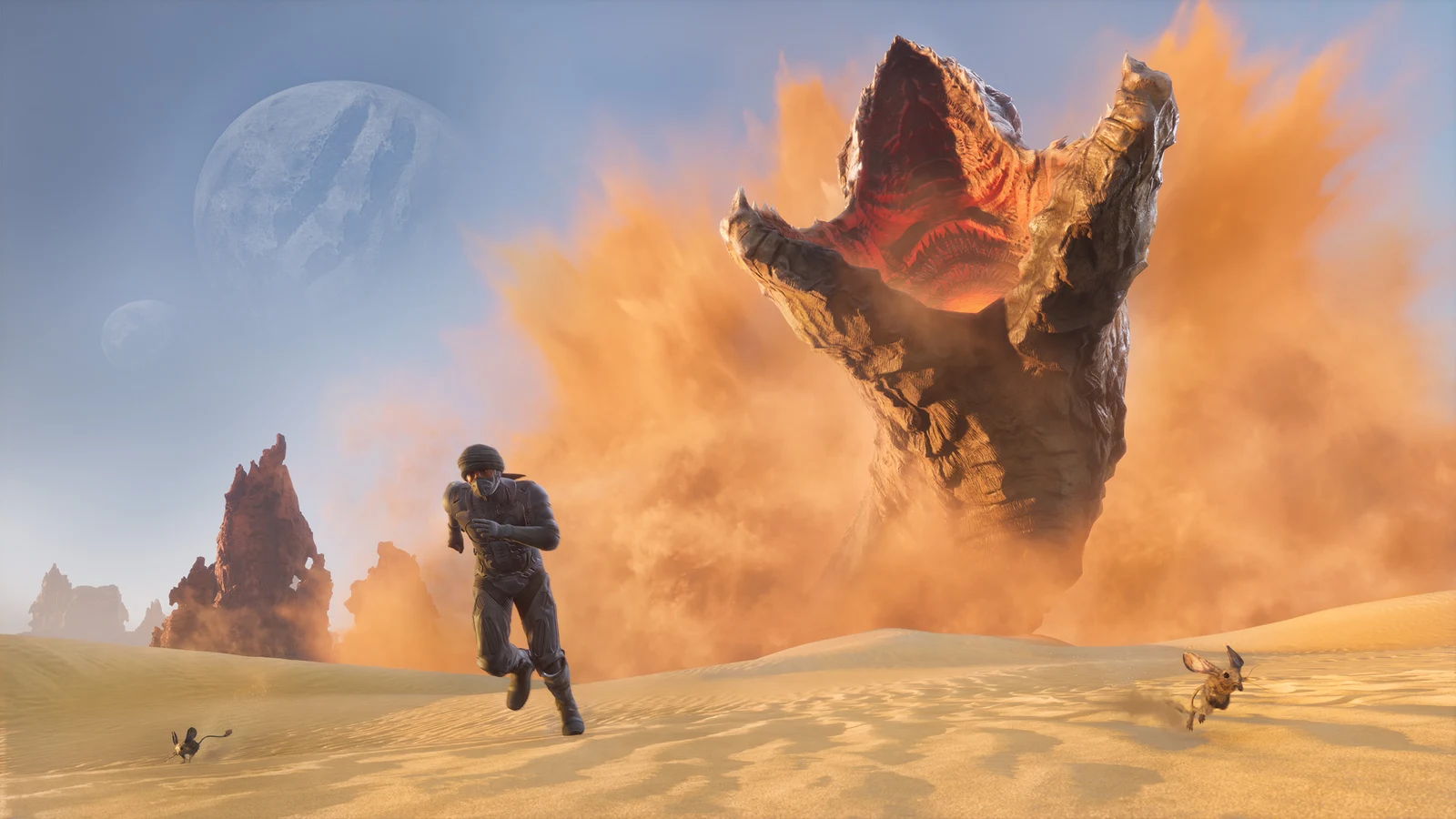
Dune: Awakening Console Launch: Yes, You Can Now Play It Entirely Solo
Dune: Awakening launches on PS5 and Xbox September 22, 2026 with full single-player, plus what console beginners need to know about survival, crafting, Schools, factions and the Filmic Archive DLC.

Beyond Picard and Xavier: Patrick Stewart's Darker, Stranger and Stage Roles
Patrick Stewart's career beyond Star Trek and X-Men: Green Room, Dune, I, Claudius, Smiley's People, Moby Dick, Macbeth, Hamlet, Godot and the stage work that defined him.
About the author
Aram Anwar
Founder & Editor
Aram Anwar founded Red Reactions and writes across comics, gaming, movies and television. His work includes franchise guides and large Lore / Explained features, with an emphasis on separating confirmed details from reports, theory and speculation.
Coverage: Comics · DC & Marvel · Gaming · Movies & TV · Lore / Explained · Guides
More from Aram Anwar