lore · movies
Dune Messiah Explained: What Dune: Part Three Is Actually Adapting
Dune: Part Three is based on Frank Herbert's Dune Messiah, the novel where Paul's victory becomes the problem. Here's what the book actually does, and what the film has confirmed so far.
 By Aram Anwar8 min read
Dune: Part Three is not adapting more of the story Denis Villeneuve already told. It’s adapting the book Frank Herbert wrote specifically to punish readers for enjoying that story.
Warner Bros.’ official material confirms the film is based on Dune Messiah, Herbert’s 1969 sequel to Dune, with Villeneuve directing from a screenplay he co-wrote with Brian K. Vaughan. That’s a genuinely strange thing to adapt as the emotional climax of a trilogy, because Messiah isn’t a bigger version of the first book’s rise-to-power story. It’s Herbert’s deliberate reversal of it — Paul has already won, and the novel spends its entire length arguing that winning was the mistake.
Spoiler note. The next sections cover the conspiracy against Paul, Duncan Idaho’s return and casting details that confirm how far into the novel’s ending the film goes. Nothing here comes from Villeneuve’s film itself beyond official casting and marketing.
Why “Paul won” is the problem, not the ending
In Dune, Paul Atreides becomes the messianic leader of the Fremen and topples House Harkonnen and the Emperor. Dune Messiah picks up with Paul already ruling as Emperor of the Known Universe, and it does not treat that as a happy ending.
Herbert makes Paul say the cost of his own victory out loud, and the novel doesn’t soften it: “Statistics: at a conservative estimate, I’ve killed sixty-one billion, sterilized ninety planets, completely demoralized five hundred others… I’ve wiped out the followers of forty religions.” That’s Paul’s own accounting of the jihad carried out in his name — a holy war his Fremen armies waged across the galaxy once he accepted the role of their prophesied Mahdi. He didn’t order every atrocity personally. He also can’t stop it, and that’s the point Herbert is making: Paul’s prescience let him see the coming slaughter and he walked toward it anyway, because every alternative he could foresee was worse.
That’s the reversal. Dune is a story about a hero gaining power. Dune Messiah is a story about a man who correctly predicted that power would consume everything around him, and did it regardless.
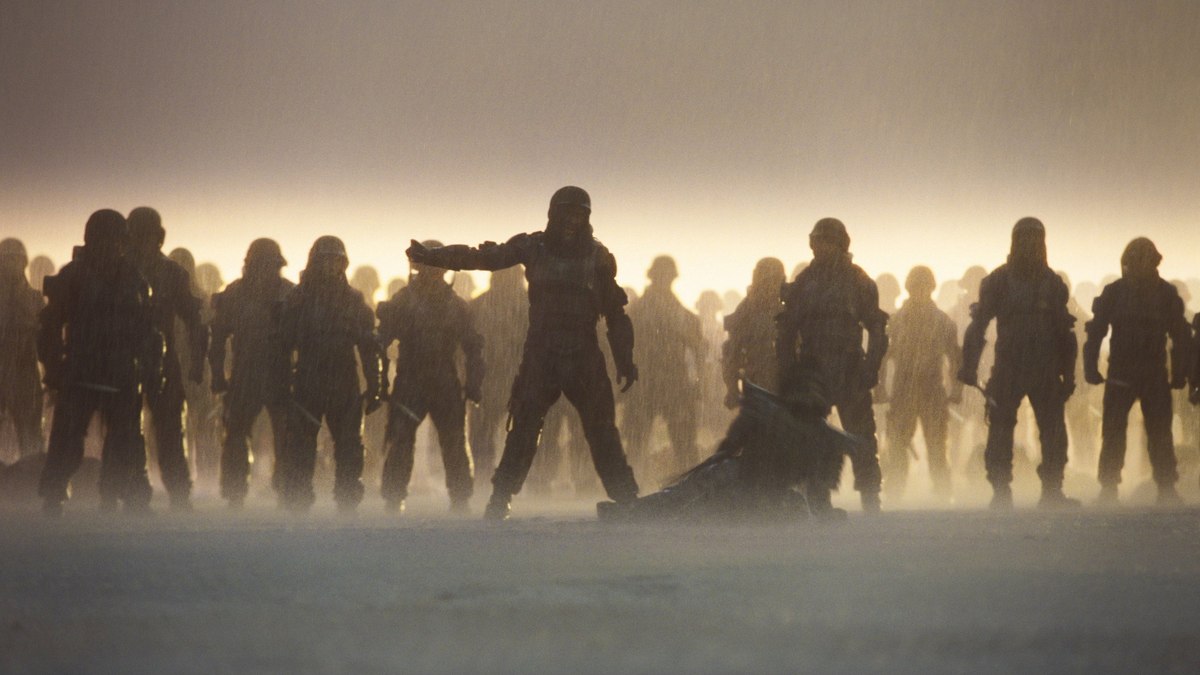
The jihad carried out in Paul’s name is the moral weight the entire novel is built around. Credit: Warner Bros. Pictures / Legendary Pictures.
The empire Paul is trapped inside
By the time Messiah opens, roughly twelve years have passed in Herbert’s novel since the events of Dune. Paul now sits on a religious throne he can’t fully control — the Fremen jihad became a self-sustaining institution the moment it started, complete with priests, propaganda and political factions that have their own interests in keeping Muad’Dib’s religion running whether or not Paul actually wants it to.
His prescience is both the reason he holds power and the reason he can’t use it freely. Paul can see paths through the future, but seeing a path isn’t the same as controlling where it leads, and Messiah is largely about how narrow his available choices have become. He’s not fighting to win anymore. He’s fighting to survive his own success without becoming the thing his visions warned him about.
Who’s actually plotting against him
Messiah structures itself around a genuine conspiracy, and it’s worth being specific about who’s in it, because “everyone hates Paul” undersells how differently motivated these factions are.
The Bene Gesserit, represented by Reverend Mother Gaius Helen Mohiam — the same Reverend Mother who tested Paul with the gom jabbar in Dune — want Paul’s bloodline back under their control after his rise broke their breeding program’s plans. The Spacing Guild, via the Navigator Edric, wants a Paul who’s easier to predict and negotiate with. And the Bene Tleilax send their own agent to do the actual dirty work: a Face Dancer named Scytale.
Princess Irulan’s position is messier than a simple villain slot. She’s Paul’s wife in name only — a political marriage he’s never consummated, since his real bond is with Chani — and Herbert gives her genuine motivation of her own tied to preserving her family’s line, not just serving the other conspirators. Chani, meanwhile, has spent years unable to conceive, a complication tangled up in the wider political maneuvering around Paul’s succession. None of this plays as a tidy good-versus-evil lineup. It plays as several factions with incompatible goals, temporarily pointed in the same direction.
Scytale, Face Dancers and what the Bene Tleilax actually do
The Bene Tleilax are Herbert’s other bioengineering power in the Dune universe, distinct from the Bene Gesserit. Where the Sisterhood manipulates bloodlines through selective breeding, the Tleilaxu manufacture people directly — including Face Dancers, shapeshifting operatives who can study a target and copy their voice, mannerisms and appearance closely enough to walk into rooms no ordinary spy could reach.
Scytale is a Face Dancer, and he spends much of the novel operating through disguise rather than as a fixed, easily identified villain. He’s the conspiracy’s most dangerous member specifically because his weapon isn’t violence. It’s patience, and a gift he offers Paul that’s designed to look like mercy.
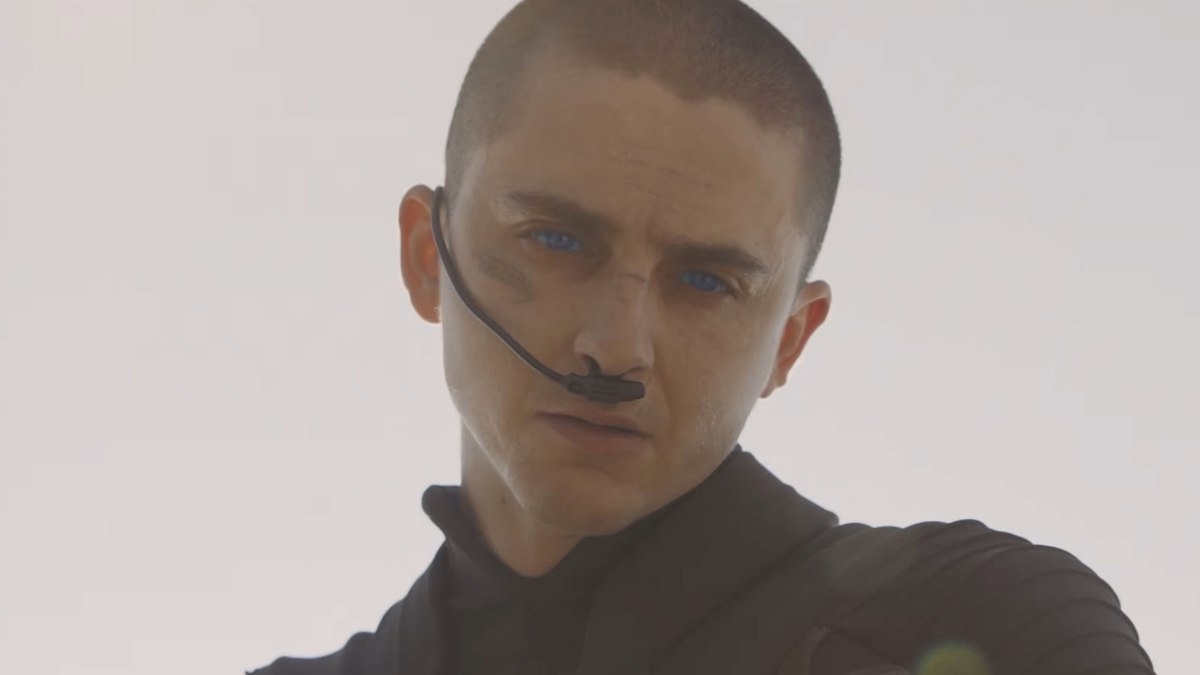
Robert Pattinson plays Scytale, the Tleilaxu Face Dancer at the center of the novel’s conspiracy against Paul. Credit: Warner Bros. Pictures / Legendary Pictures.
Why Duncan Idaho is back — and what a ghola actually is
Duncan Idaho died protecting Paul and Jessica in the first Dune. His return in Messiah isn’t a retcon; it’s the plot.
A ghola, in Herbert’s terminology, is a body regrown from the cellular material of someone already dead — grown by the Tleilaxu, not remembering the life the original person lived. The Tleilaxu present Paul with a ghola of Duncan, trained as a Mentat and given the name Hayt, as a gift. It isn’t one. Scytale specifically chose Duncan’s genetic material because of how much emotional weight the original man carried for Paul, betting that a version of Duncan without Duncan’s memories or loyalty could be turned into exactly the kind of weapon Paul would never see coming: not an assassin who looks like a threat, but one who looks like a friend.
A ghola is not the same thing as a Face Dancer. Scytale can become anyone at will and drop the disguise when he’s done with it. Hayt is a single, fixed identity built from a real, dead person’s body, with none of that person’s inner life intact — at least not at first, and how much of Duncan might still be recoverable inside Hayt becomes one of the novel’s real questions rather than something settled at his introduction.
What Villeneuve’s films already changed before this
Adapting Messiah mechanically was never really an option, because Villeneuve’s first two films already moved away from the books in ways that affect what Part Three inherits.
The clearest example is Chani. In Herbert’s novels she’s devoted to Paul without much internal conflict about his rise to power. Villeneuve’s Dune: Part Two gives her real skepticism toward Fremen religious fervor and toward Paul’s messianic role specifically — a meaningful character shift, not a cosmetic one, since it changes what her relationship with Paul is actually built on going into a story about that power collapsing under its own weight. The films have also compressed and reordered political material from the books to fit two three-hour movies, which means some relationships and rivalries that unfold gradually in prose arrive at a different pace and sequence on screen.
None of that makes the films wrong. It means Part Three isn’t simply illustrating page 40 of a novel — it’s continuing specific character arcs Villeneuve already rebuilt.

Timothée Chalamet returns as Paul Atreides, now ruling as Emperor. Credit: Warner Bros. Pictures / Legendary Pictures.
What Dune: Part Three has actually confirmed
Stick to what’s been officially announced, not what the novel implies the film must contain.
Warner Bros. has confirmed Villeneuve directs from a script co-written with Brian K. Vaughan, with the film billed as the conclusion of his trilogy. Timothée Chalamet, Zendaya, Rebecca Ferguson, Javier Bardem and Josh Brolin return, alongside Jason Momoa — specifically confirmed as playing Hayt, the Duncan Idaho ghola, rather than simply “Duncan Idaho” again. Robert Pattinson joins as Scytale, and Charlotte Rampling has been confirmed as Reverend Mother Mohiam, matching the novel’s returning conspirator. Florence Pugh returns as Princess Irulan, and Isaach de Bankolé has been cast as Farok, a Fremen naib from the book.
Two more casting confirmations matter more than they might look at first glance: Anya Taylor-Joy as an adult Alia Atreides, and Nakoa-Wolf Momoa and Ida Brooke as Leto II and Ghanima Atreides — Paul and Chani’s twins, born at the very end of Dune Messiah. Casting the twins doesn’t reveal plot specifics, but it does confirm the film’s story extends through that ending rather than stopping short of it. The official synopsis places the story roughly seventeen to twenty years after Part Two, notably longer than the book’s twelve-year gap — likely, though this isn’t officially stated as the reason, so an already-adult Alia doesn’t require the uncanny, unsettling child-with-adult-consciousness portrayal Herbert wrote into the novel.
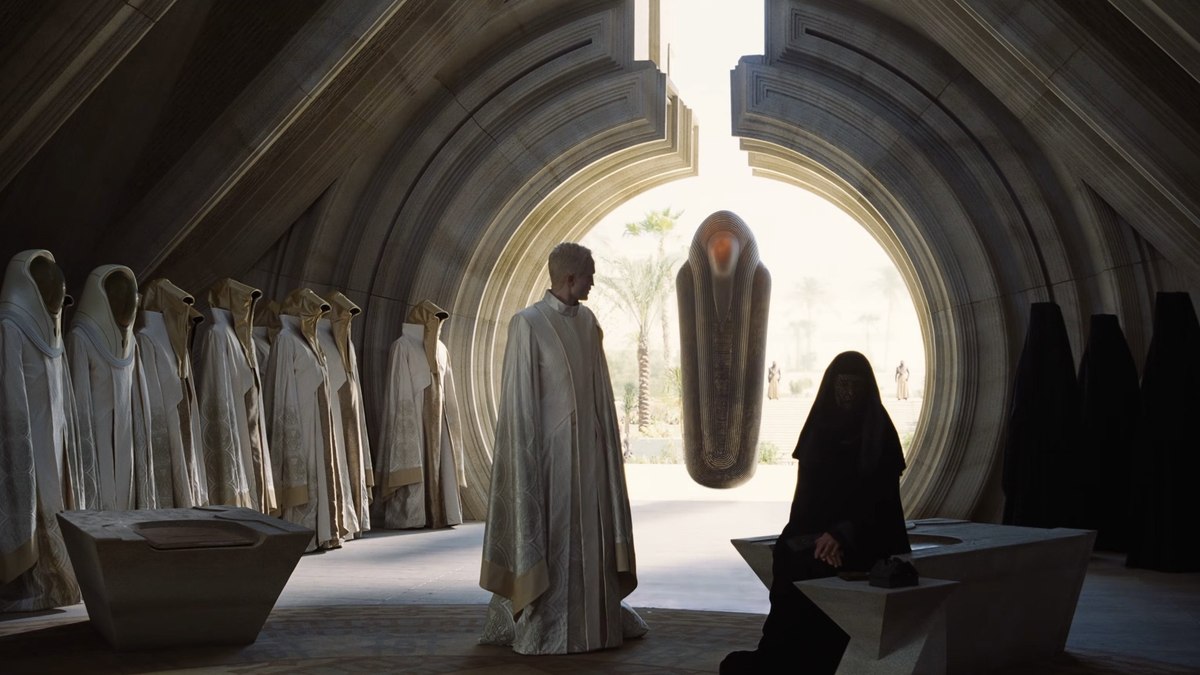
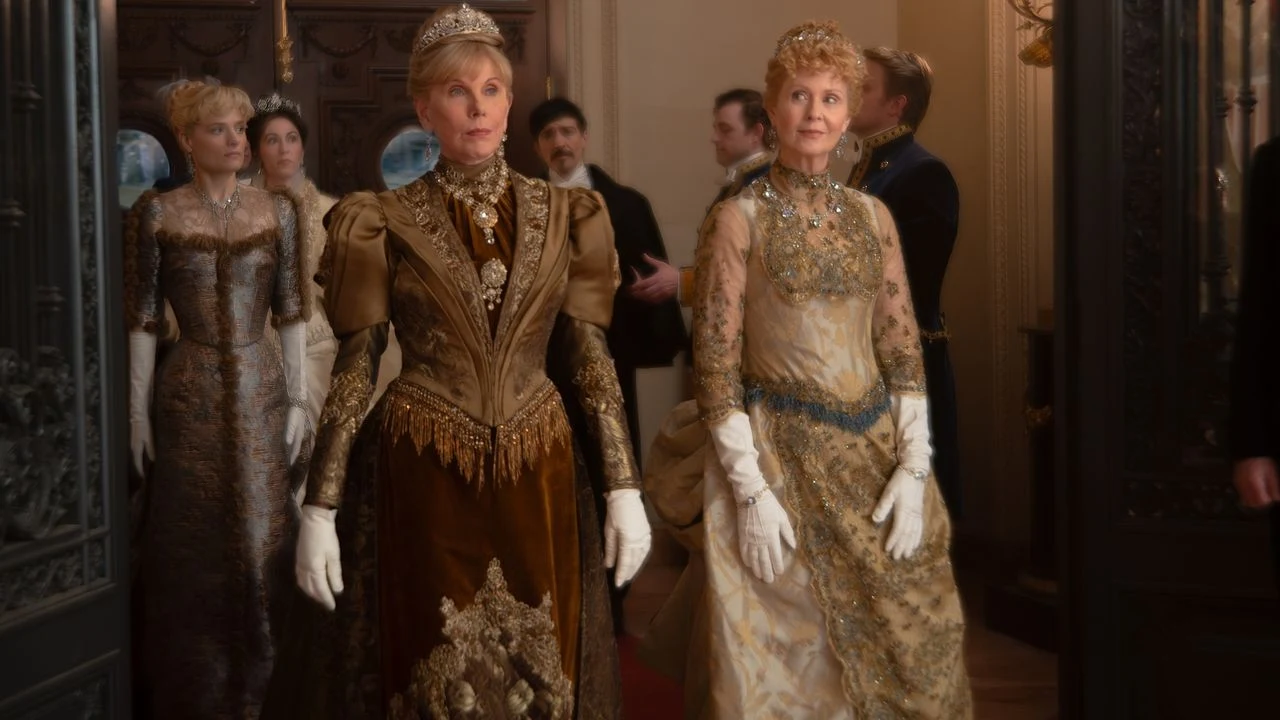
Paul’s court, seventeen to twenty years into his reign as Emperor. Credit: Warner Bros. Pictures / Legendary Pictures.
North American theaters get Dune: Part Three on December 18, 2026, with international release beginning slightly earlier. For the latest on ticketing and format details, our coverage of the film’s early IMAX 70mm screenings has the current release specifics.
What to actually watch for
Don’t go in expecting Part Two with higher stakes. Messiah is a shorter, colder, more interior novel than Dune — court intrigue and psychological pressure instead of open war, a story about a man cornered by his own foresight rather than one discovering his power. Herbert wrote it specifically because readers had turned Paul into an uncomplicated hero, and he wanted to make that reading impossible to sustain.
If Villeneuve and Vaughan keep that shape intact, Part Three will be a stranger, more claustrophobic film than the previous two, built around Paul trying to out-think a conspiracy while trapped by visions he can’t fully trust anymore. That’s a harder sell for a trilogy finale than another battle for Arrakis. It’s also the only honest way to adapt what Herbert actually wrote.
Sources
Make Red Reactions a preferred source
Choose Red Reactions as a preferred source in Google Search.
Confirm your choice on Google.
Related coverage
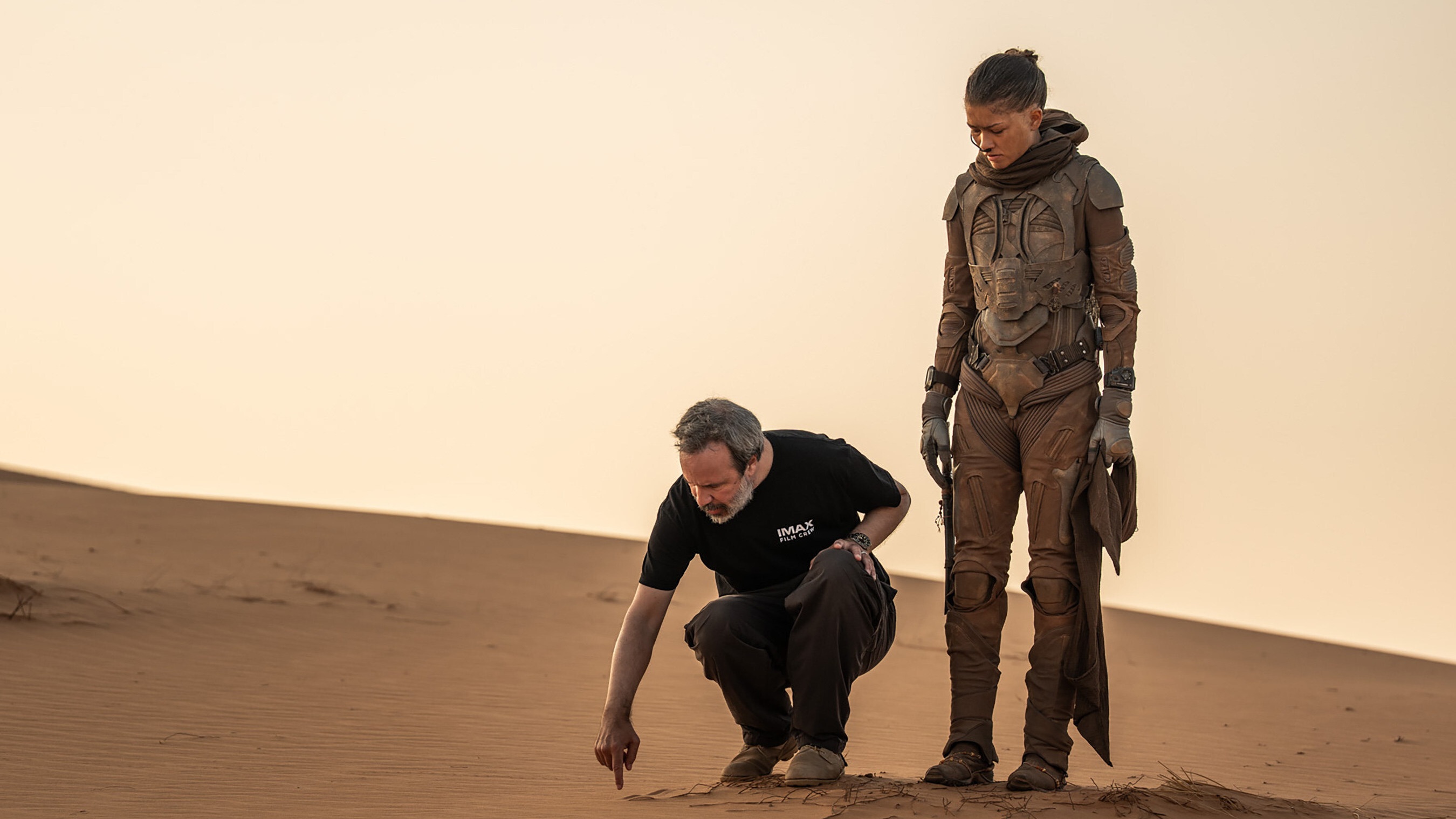
Dune: Part Three Sets Early IMAX 70mm Screenings Before December Release
Dune: Part Three will screen early in select IMAX 70mm theaters on December 14, while its regular North American release remains December 18.
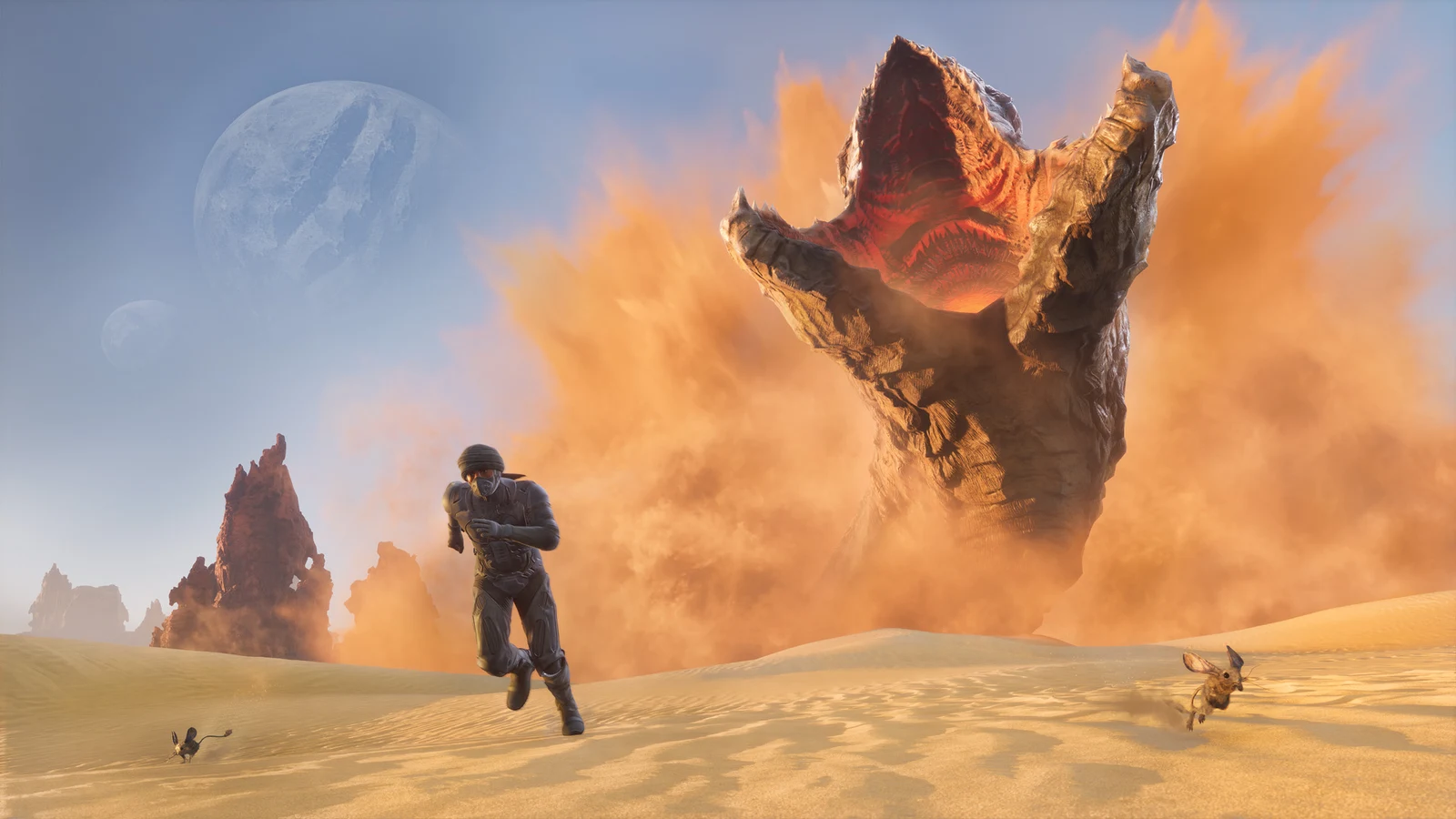
Dune: Awakening Console Launch: Yes, You Can Now Play It Entirely Solo
Dune: Awakening launches on PS5 and Xbox September 22, 2026 with full single-player, plus what console beginners need to know about survival, crafting, Schools, factions and the Filmic Archive DLC.

Carrie White's Powers Explained: Telekinesis, Emaline and the 2026 Series
What Carrie White can do, how her abilities work in Stephen King's novel and what Prime Video's 2026 finale reveals about Margaret and Emaline. Full spoilers.

Supergirl Explained — Kara Zor-El's Powers, Origin and Place in the DCU
Kara Zor-El is Superman's cousin, older than him despite arriving on Earth later, and her powers work the same way his do — with a few genuinely unique abilities of her own. Here's her origin and how the DCU film fits into decades of comics continuity.
About the author
Aram Anwar
Founder & Editor
Aram Anwar founded Red Reactions and writes across comics, gaming, movies and television. His work includes franchise guides and large Lore / Explained features, with an emphasis on separating confirmed details from reports, theory and speculation.
Coverage: Comics · DC & Marvel · Gaming · Movies & TV · Lore / Explained · Guides
More from Aram Anwar