news · gaming
Google Playground Explained: Free Access and Unity Spark
Google Playground offers AI game creation for eligible US adults, with free play and staged creation access. See token limits, sharing rules and Unity Spark plans.
 By Aram Anwar3 min read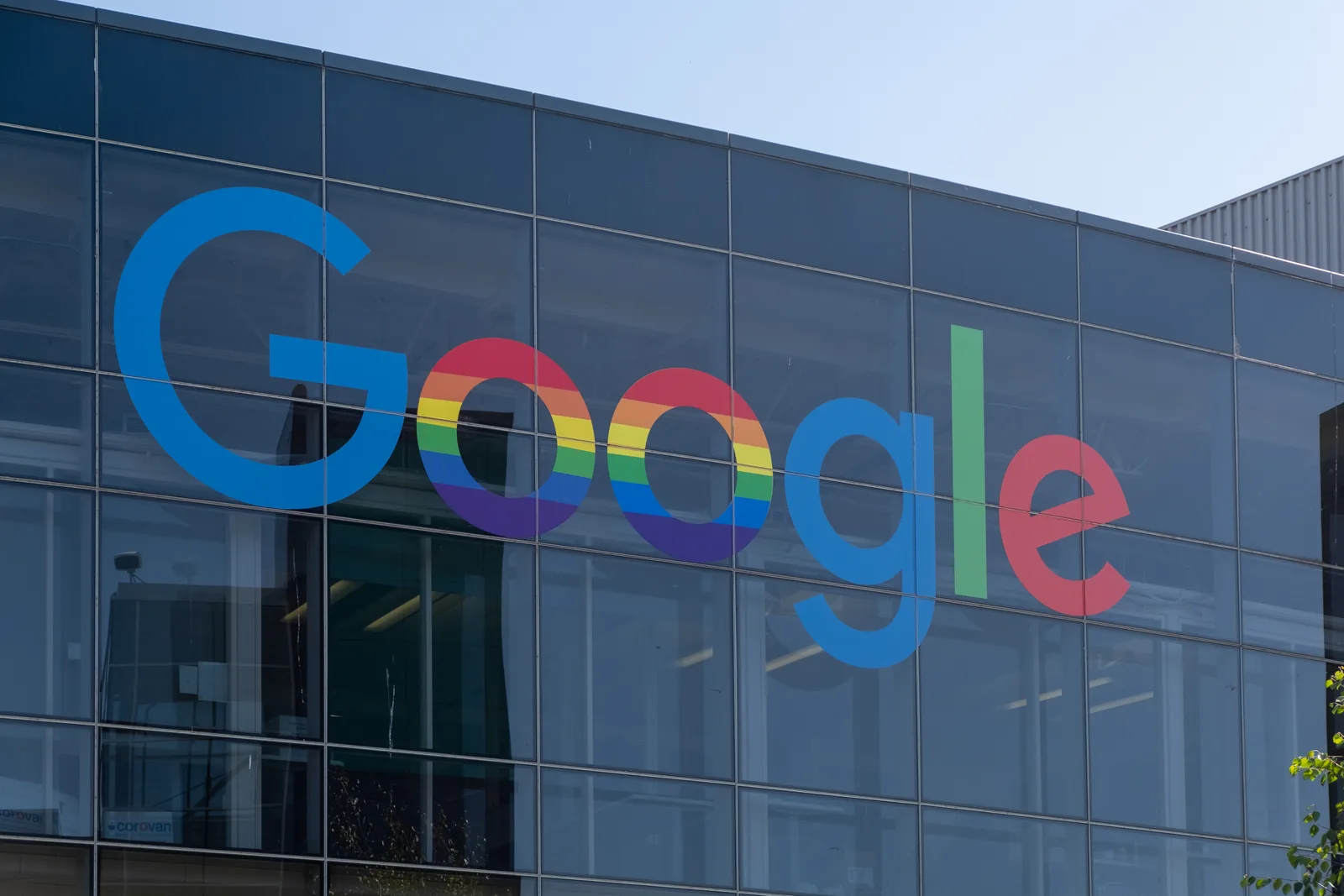
Google Playground is an experimental browser platform for making, playing and sharing AI-generated games. Google and Unity announced the partnership on October 7. Unity Spark is a separate, upcoming creation product, planned for later in 2026.
The important access detail is in Playground’s current help center: playing is free, while free game creation is rolling out in phases through a waitlist. An eligible account does not automatically get immediate free generation access.
Who can use Google Playground?
The help center currently limits access to US users aged 18 or older. Creation requires a Google account and a linked Google Play Games profile. Google says more countries are coming, but provides no Swedish opening date in the checked material.
Start through the official Google Labs page, which links to Playground. Those eligibility rules are separate from whether a modern desktop or mobile browser can display the site; technical compatibility does not establish regional access.
What is free, and what uses tokens?
| Activity or access level | Current documented position |
|---|---|
| Playing games in the catalog | Free for eligible users |
| Free game creation | Limited weekly tokens; access is rolling out in phases with a waitlist |
| Google One AI plan access | Immediate creation access and higher weekly token limits |
| Exact token allowances and subscription prices | Check the account’s current offer; the public help center does not supply a complete tier-by-tier price table |
Free play and free creation are different promises. Google’s documentation does not establish unlimited generation, family-pooled credits or one universal paid price. Higher limits also do not turn an unfinished result into a guaranteed working game.
How does making and sharing a game work?
Google documents genre templates, a blank starting point and conversational prompts to generate and revise a game. Users can upload PNG or JPG references for stylized visuals. These are documented features, rather than results from a Red Reactions hands-on test.
Drafts can stay private. Publishing requires a deliberate action and safety screening, with listed or unlisted sharing options. Subsequent edits stay in a draft until republished, so an existing public version can remain playable while its creator revises it.
The help center also describes an early multiplayer preview selected before generation. It does not promise multiplayer for every game; multiplayer titles currently lack global leaderboards. Mobile play can vary with the design of the individual game.
Does export mean you can sell the game?
Google documents exporting a ZIP containing HTML, JavaScript, CSS and generated assets. Its terms say it does not claim ownership of the games users create, while retaining rights in Google’s own services and supplied assets. Users must also have the necessary rights to third-party material they include.
An export button therefore does not establish a blanket commercial license for every included asset or permission to use somebody else’s characters. The checked announcement gives no confirmed creator revenue-share program. Read the applicable terms before deciding how to distribute a particular project.
Where does Unity Spark fit?
Unity’s Spark page currently says coming soon and offers a waitlist. The October 7 announcement describes planned Unity-based creation with more advanced 3D and gameplay systems. Unity’s accompanying explanation also discusses using human-made Asset Store content.
Those are plans for an upcoming product. They do not establish that Spark’s features are already available in Playground, or provide an exact Spark launch day. Playground’s current access rules and Spark’s future availability should be checked separately.
Browse Gaming for further game and platform coverage.
Archive photograph: Googleplex, June 2019, by Gregory Varnum, CC BY-SA 4.0. Proportionally resized and converted to WebP without cropping. The adapted hero and responsive copies remain available under CC BY-SA 4.0. This is a campus photograph, not a Playground interface image.
Sources
- Unity — Google Playground and Unity Spark partnership announcement — October 7, 2026
- Google Labs — Playground official entry point
- Google Playground — current help center, eligibility and token access
- Google Playground — current terms and content ownership
- Unity — why we built Unity Spark — October 7, 2026
- Unity — Spark coming-soon page
- Wikimedia Commons — Googleplex June 2019 photograph and CC BY-SA 4.0 license
Make Red Reactions a preferred source
Choose Red Reactions as a preferred source in Google Search.
Confirm your choice on Google.
Related coverage
Dave the Diver's Free Subnautica 2 DLC: What Is Confirmed
Dave the Diver’s Subnautica 2 Content Pack has an early-2027 window and requires the base game on Steam. Check the free-DLC report, Proteus setting and trailer.

Machinarium 2 Announced: Story, Puzzles and Release Status
Amanita Design has announced Machinarium 2 with playable Josef and Berta. Check its puzzles, Windows and macOS listing, official trailer and undated release status.
Xbox XP Explained: Movies, TV and the Four New Units
Xbox XP brings screen adaptations, products, events and partnerships into one division. See its four units, leadership changes and existing film and TV projects.
Kingdom Hearts Collection on Switch 2: Storage, Cloud Upgrades and Included Games
Kingdom Hearts Collection launches October 8. Compare native Switch 2 editions, 131 GB versus 138 GB storage notices, Cloud-owner discounts and save transfers.
About the author
Aram Anwar
Founder & Editor
Aram Anwar founded Red Reactions and writes across comics, gaming, movies and television. His work includes franchise guides and large Lore / Explained features, with an emphasis on separating confirmed details from reports, theory and speculation.
Coverage: Comics · DC & Marvel · Gaming · Movies & TV · Lore / Explained · Guides
More from Aram Anwar

.jpg)