feature · movies
How Was the Unabomber Caught? The Manifesto, David Kaczynski and the FBI Breakthrough
Publication of the manifesto, a family tip and corroborating FBI investigation led to Ted Kaczynski's arrest. Here is how those steps fitted together.
 By Kenza Benouna3 min read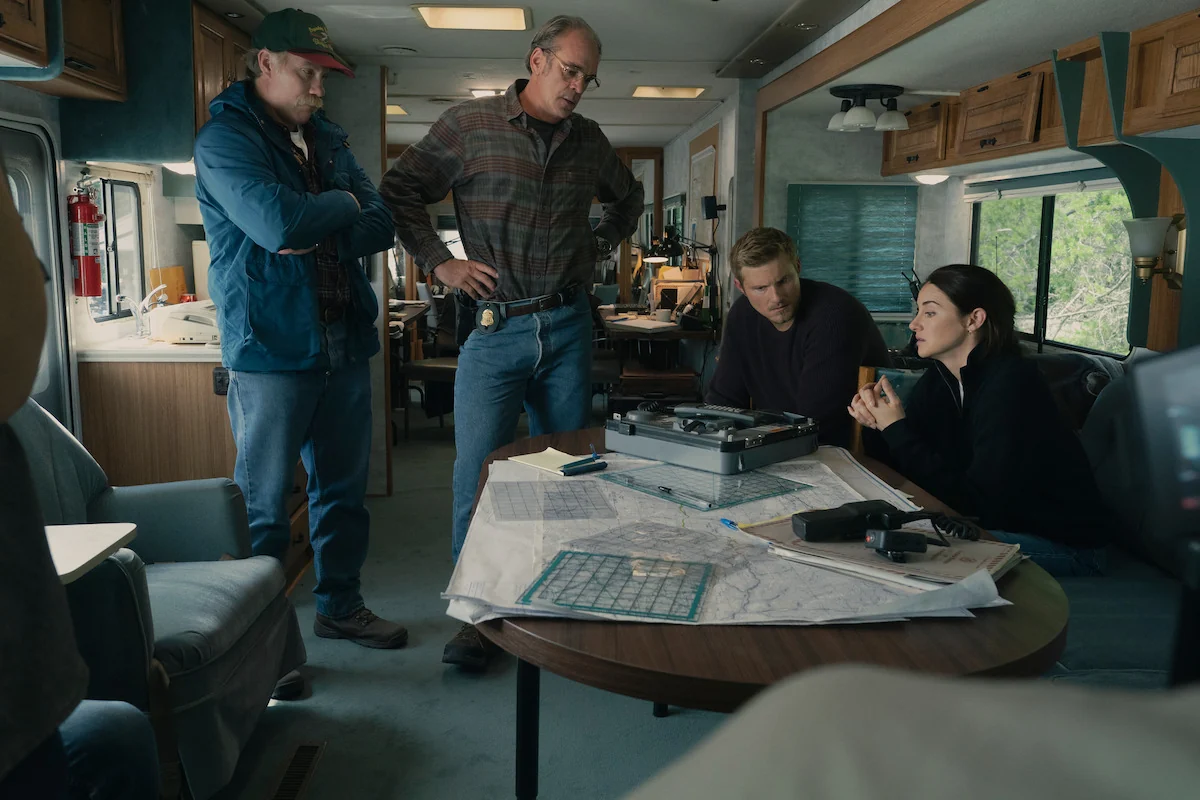
Ted Kaczynski was identified through a family tip about his writing, followed by linguistic comparison and corroborating investigation. His arrest on April 3, 1996, came after authorities obtained a search warrant for his cabin near Lincoln, Montana. The search then uncovered evidence linking him directly to the crimes.
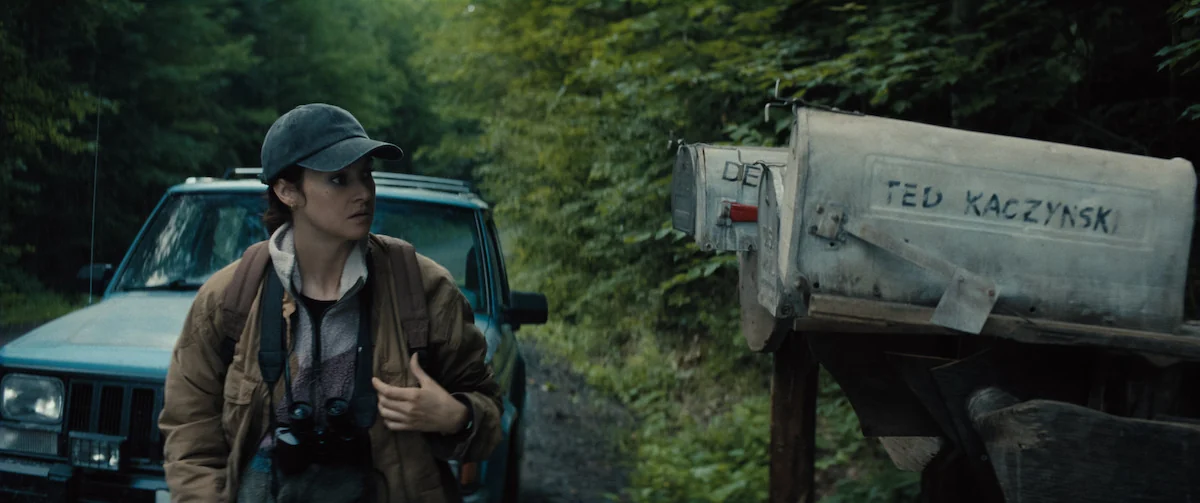
The useful sequence is publication, recognition, investigation, warrant and search. A familiar phrase did not replace the rest of that process. Netflix’s UNABOMBER compresses it into a drama; our true-story guide separates that version from the record.
Why publish the manifesto?
The bomber sought publication of a roughly 35,000-word essay, Industrial Society and Its Future. Federal authorities considered a different use for it: making a substantial sample of his writing public might allow somebody who knew him to recognize its author.
The FBI’s case history says Director Louis Freeh and Attorney General Janet Reno approved that recommendation. The essay appeared in a special section of The Washington Post on September 19, 1995, as the Bureau’s investigator interview transcript records.
Publication therefore mattered as an investigative lead. It did not establish that the bomber’s promise to stop could be trusted, or validate his justification for the violence.
How did the family recognize him?
David Kaczynski’s wife, Linda Patrik, raised the possibility that his brother Ted was the offender. David initially resisted it. Reading the manifesto and comparing it with Ted’s earlier letters made the suspicion harder to dismiss.
Their role was recognition, not a criminal finding. They had material unavailable to a stranger: writings by a particular person, with whom David had a long personal history. Our David Kaczynski and Linda Patrik article follows that decision from their own accounts.
What did investigators compare?
Through an attorney, David supplied earlier writings. The FBI’s 2021 retrospective identifies a 23-page essay from 1971 as important. Agents noticed similarities in language and ideas between it and the published manifesto.
The Bureau explains that the comparison was combined with evidence about Kaczynski’s life and the crimes to support the search warrant. Connections between his background and locations associated with the investigation mattered alongside the text.
This distinction prevents an exaggerated account of forensic linguistics. Investigators were assessing a suspect through several lines of inquiry. The writings supplied a strong lead; further work was needed before officers searched his home.
What happened at the cabin?
Investigators arrested Kaczynski on April 3, 1996. The FBI reports that the subsequent search found extensive handwritten records, including accounts of the crimes, and physical evidence connected to the campaign.
That evidence changed the case from identifying a likely author to building a prosecution against a named defendant. The legal resolution came later: he pleaded guilty in January 1998 and was sentenced in May.
Did one profiler solve everything?
The public record describes a joint investigation involving the FBI, ATF and U.S. Postal Inspection Service. Retired agents Terry Turchie and Kathleen Puckett recount overlapping work on the offender’s background, communications and prior attacks. The National Archives’ presentation of prosecutor Robert Cleary’s files likewise emphasizes interagency cooperation and the work required to establish probable cause.
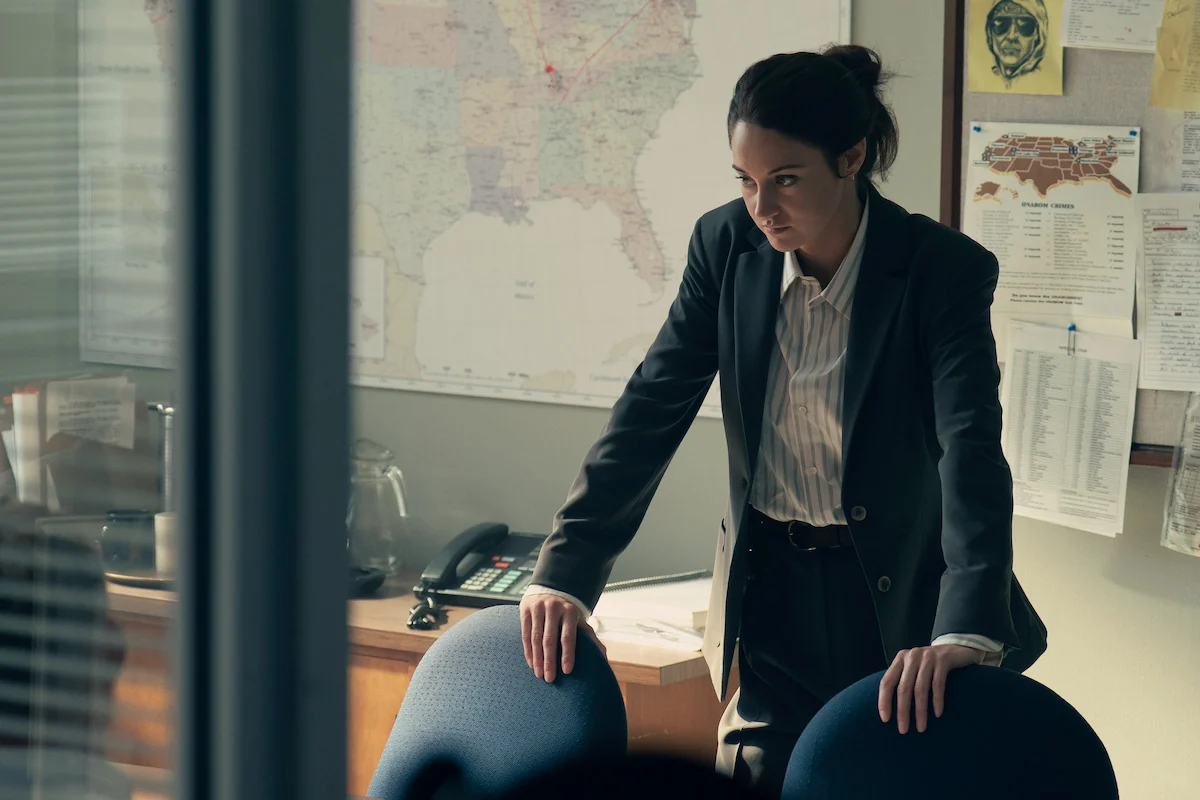
Netflix’s Joanne Miller is a fictional protagonist within that history, as the filmmakers acknowledge. Her prominence is not evidence that a single real agent alone solved the case. The breakthrough connected people outside law enforcement with a team able to investigate what their tip suggested.
Sources
- FBI — The Unabomber case history
- FBI — The Words of a Killer
- FBI — Inside the FBI: The Unabomber Case transcript
- National Archives — Lead prosecutor's records and investigative cooperation
- The Diane Rehm Show — David Kaczynski's first-person account
- Netflix Tudum — UNABOMBER ending and fictionalized investigators
Make Red Reactions a preferred source
Choose Red Reactions as a preferred source in Google Search.
Confirm your choice on Google.
Related coverage

David Kaczynski and Linda Patrik: How the Unabomber's Family Helped Identify Him
Linda Patrik raised the suspicion and David Kaczynski supplied his brother's writings. Their own accounts explain the family decision behind the Unabomber breakthrough.
The Unabomber Case Timeline: From the First Bomb to Ted Kaczynski's Arrest
A historical timeline of the Unabomber campaign, its victims, the 1995 manifesto and Ted Kaczynski's 1996 arrest, followed by the separate 1998 legal milestones.
Why Was Ted Kaczynski Called the Unabomber? The FBI Code Name Explained
Unabomber grew out of UNABOM, the FBI's University and Airline Bombing case code. Here is what the name meant and why later targets did not fit it.
What Happened to Ted Kaczynski After His Arrest? Guilty Plea, Prison and Death
After his 1996 arrest, Ted Kaczynski pleaded guilty in January 1998, was sentenced that May, served life in federal custody and died in June 2023.
About the author
Kenza Benouna
Movies, TV & Horror Writer
Kenza Benouna writes about movies and television, with a substantial archive in horror. Her Red Reactions work includes reviews, supernatural and franchise lore, story explainers and analysis of character, atmosphere and adaptation.
Coverage: Horror · Movies · TV · Reviews · Lore & Features
More from Kenza Benouna