feature · movies
The Unabomber Case Timeline: From the First Bomb to Ted Kaczynski's Arrest
A historical timeline of the Unabomber campaign, its victims, the 1995 manifesto and Ted Kaczynski's 1996 arrest, followed by the separate 1998 legal milestones.
 By Aram Anwar5 min read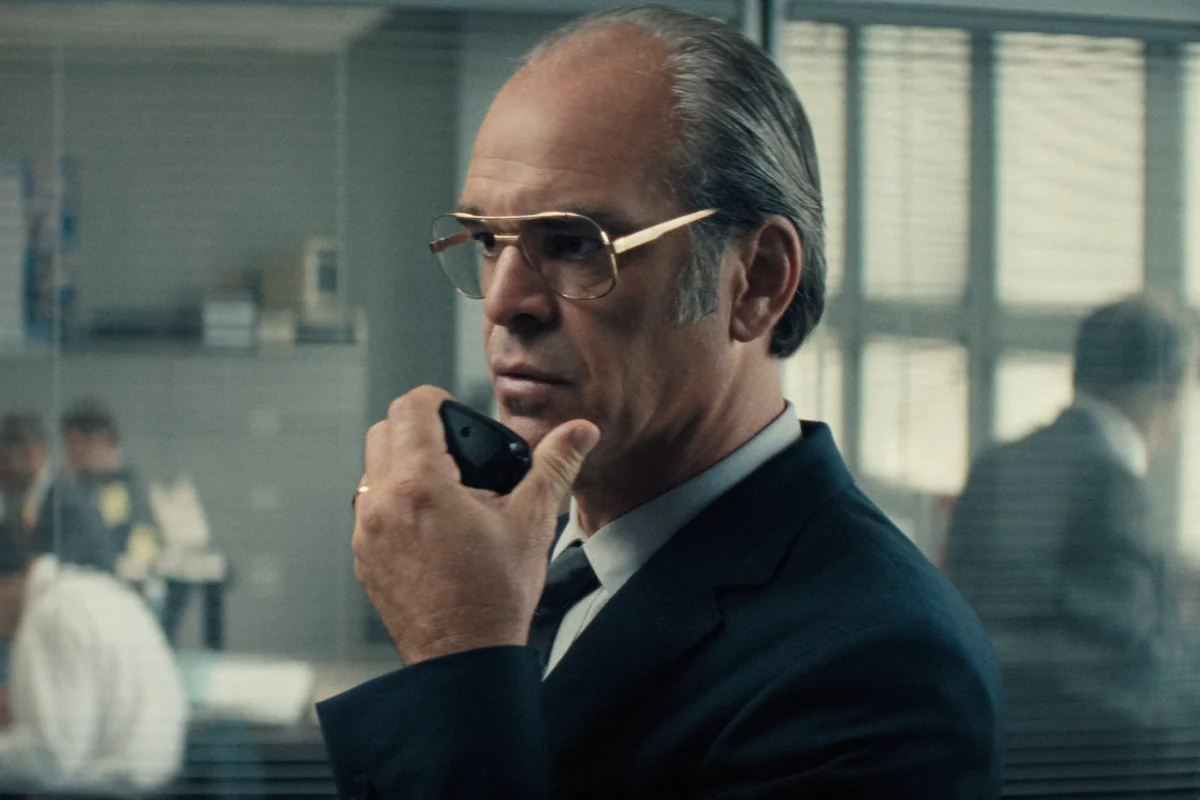
The Unabomber campaign began in 1978, its last attack occurred in April 1995, and Ted Kaczynski was arrested on April 3, 1996. The FBI records 16 devices associated with the campaign. Three people were killed: Hugh Scrutton, Thomas Mosser and Gilbert Murray. Other victims sustained serious injuries, and some incidents caused no injury.
Those dates distinguish the attacks from the longer investigation. Netflix’s UNABOMBER dramatizes the case alongside earlier Harvard events; our true-story guide explains that framing. This timeline follows the crimes and their aftermath at a historical level.
1978–1982: universities and airlines
The first incident involved a package found in the University of Illinois Chicago Circle campus area and returned to a Northwestern professor who did not recognize it. A campus security officer was injured when it exploded. The FBI’s chronology dates the package’s discovery to May 25, 1978.
| Date | Location or target | Recorded outcome |
|---|---|---|
| May 1978 | Chicago university incident | A Northwestern campus security officer was injured. |
| May 9, 1979 | Northwestern University | A graduate student was injured. |
| November 15, 1979 | American Airlines Flight 444 | The aircraft filled with smoke and landed safely; passengers suffered smoke inhalation. |
| June 10, 1980 | United Airlines president Percy Woods | Woods was injured at his home. |
| October 8, 1981 | University of Utah, Salt Lake City | A device was discovered and dealt with without injury. |
| May 5, 1982 | Vanderbilt University | A departmental secretary was injured. |
| July 2, 1982 | University of California, Berkeley | An engineering professor was injured. |
An FBI-led investigation involving ATF and the U.S. Postal Inspection Service formed in 1979. Its early university and airline targets produced the UNABOM case code.
1985–1987: the first death and an eyewitness
After a gap, the campaign resumed in 1985. Its targets now included people and businesses outside the categories that had given the case its name.
| Date | Location or target | Recorded outcome |
|---|---|---|
| May 15, 1985 | University of California, Berkeley | An engineering student was injured. |
| June 13, 1985 | Boeing in Washington state | A device was dealt with without injury. |
| November 15, 1985 | University of Michigan | A psychology professor and his assistant were injured. |
| December 11, 1985 | Sacramento computer store | Owner Hugh Scrutton was killed, the campaign’s first fatality. |
| February 20, 1987 | Salt Lake City computer store | The owner’s son was seriously injured. A witness saw the person associated with the incident. |
That witness’s description helped produce the familiar composite of a man wearing a hooded sweatshirt and sunglasses. The FBI’s interviews with former investigators place the sketch in this 1987 event. It was an investigative image of an unidentified suspect, rather than a photograph of Kaczynski.
1993–1995: renewed attacks and two further deaths
There were no further recorded devices in the FBI sequence until 1993, a gap of about six years.
| Date | Location or target | Recorded outcome |
|---|---|---|
| June 22, 1993 | Geneticist Charles Epstein, California | Epstein was seriously injured at home. |
| June 24, 1993 | Computer scientist David Gelernter, Yale | Gelernter was seriously injured in his university office. |
| December 1994 | Thomas Mosser, New Jersey | Mosser was killed at home. |
| April 24, 1995 | California Forestry Association, Sacramento | President Gilbert Murray was killed in the campaign’s final attack. |
UCSF’s account of Epstein’s career and Yale’s reporting on the attack on Gelernter document the harm to two of the surviving victims. They were people with lives and work beyond their place in an offender’s chronology.
The FBI’s retrospective describes three deaths and nearly two dozen injured. Injury totals vary between summaries, so the event descriptions above preserve the recorded outcomes without presenting an inconsistent precise total as settled.
September 1995: publication opens a new line of inquiry
On September 19, 1995, The Washington Post published the bomber’s manifesto in a special section. Federal authorities had recommended publication in the hope that a reader would recognize its language or ideas.
Linda Patrik and David Kaczynski became concerned about Ted. David provided investigators with earlier writings through an attorney. Linguistic comparison and further investigation then helped support a search warrant.
April 1996: arrest and search
On April 3, 1996, investigators arrested Kaczynski at his cabin near Lincoln, Montana. The search recovered writings and other evidence connecting him to the crimes. Our investigation explainer follows how investigators moved from the family tip to that warrant.
The arrest ended the search for the unidentified offender. It did not itself determine the court sentence.
1998: the plea and sentence were separate events
Kaczynski pleaded guilty on January 22, 1998, under an agreement that removed the prospect of a federal death sentence. He was sentenced on May 4, 1998, to four consecutive life terms plus 30 years, without the possibility of parole.
The dates should not be collapsed into “sentenced in January.” Our account of what happened after his arrest follows the prosecution, prison years and death in 2023.
Sources
- FBI — The Unabomber case history and incident chronology
- FBI — The Words of a Killer
- FBI — Inside the FBI: The Unabomber Case transcript
- UCSF — Charles Epstein's career and the 1993 attack
- Yale Alumni Magazine — Yale Police and the June 1993 attack
- U.S. Department of Justice — Reno's January 22, 1998 settlement statement
- Ninth Circuit — United States v. Kaczynski, 239 F.3d 1108, reproduced by Public.Resource.Org
- Netflix Tudum — Official UNABOMBER cast stills
Make Red Reactions a preferred source
Choose Red Reactions as a preferred source in Google Search.
Confirm your choice on Google.
Related coverage
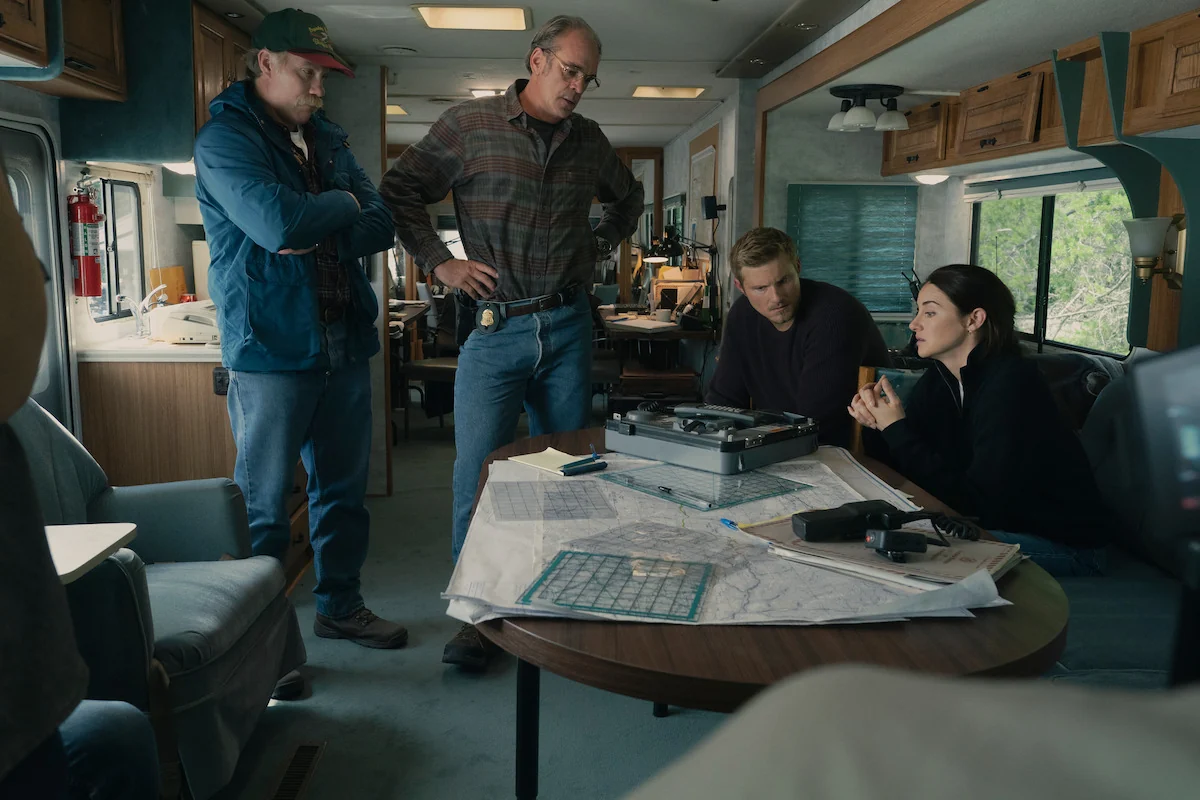
How Was the Unabomber Caught? The Manifesto, David Kaczynski and the FBI Breakthrough
Publication of the manifesto, a family tip and corroborating FBI investigation led to Ted Kaczynski's arrest. Here is how those steps fitted together.
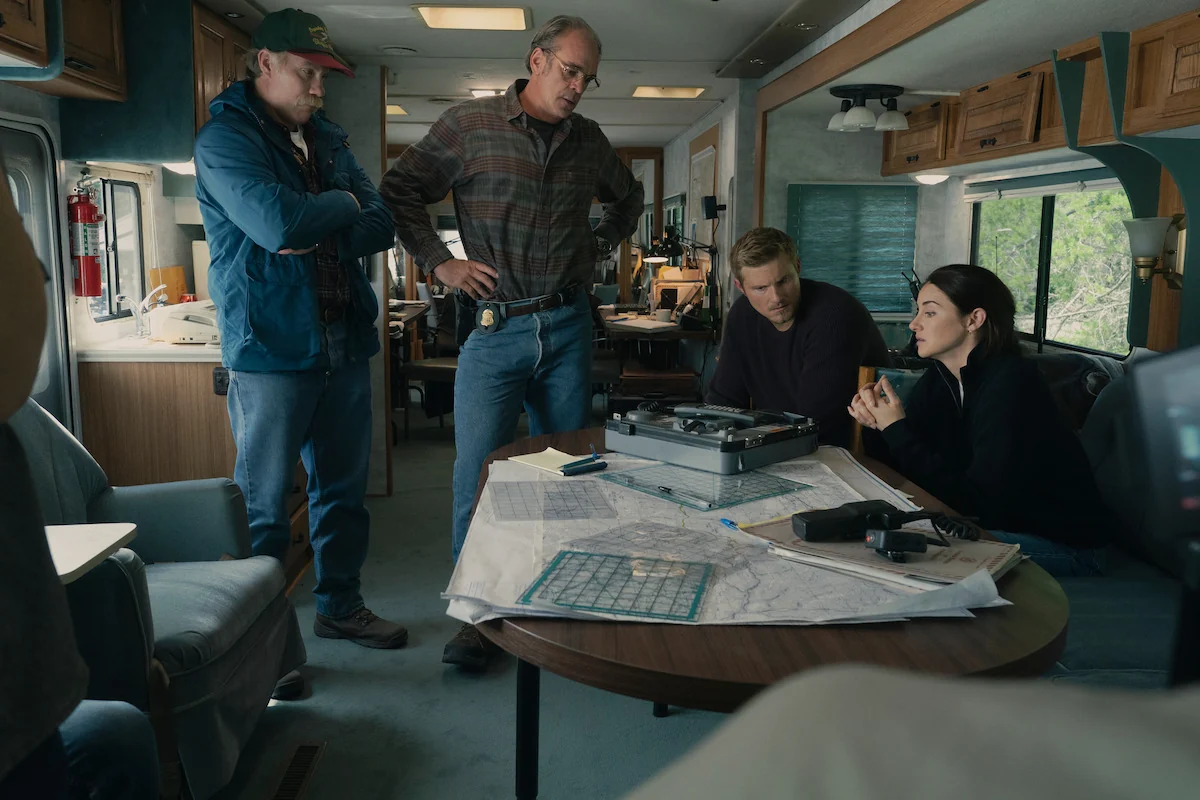
Why Was Ted Kaczynski Called the Unabomber? The FBI Code Name Explained
Unabomber grew out of UNABOM, the FBI's University and Airline Bombing case code. Here is what the name meant and why later targets did not fit it.

David Kaczynski and Linda Patrik: How the Unabomber's Family Helped Identify Him
Linda Patrik raised the suspicion and David Kaczynski supplied his brother's writings. Their own accounts explain the family decision behind the Unabomber breakthrough.
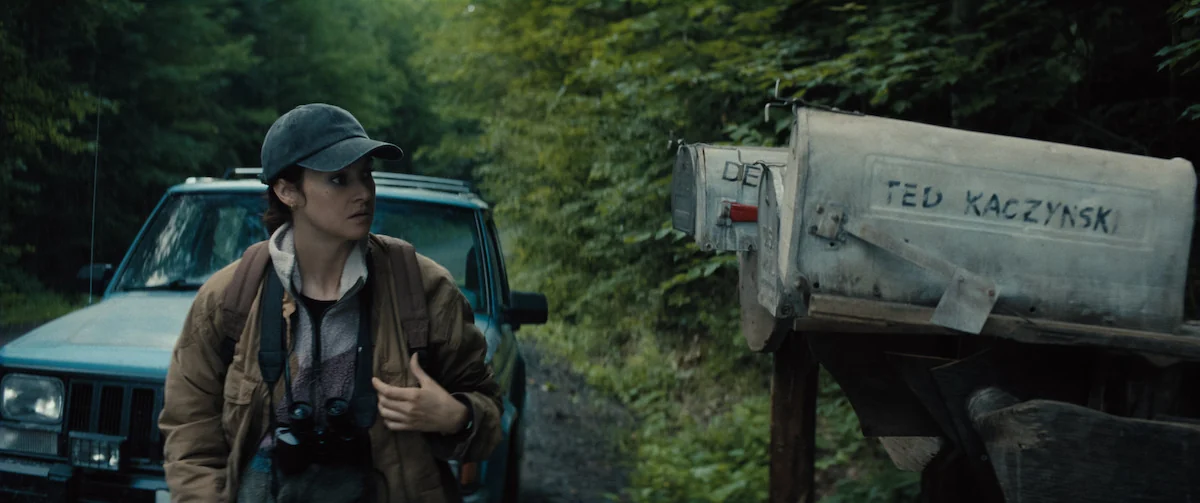
What Happened to Ted Kaczynski After His Arrest? Guilty Plea, Prison and Death
After his 1996 arrest, Ted Kaczynski pleaded guilty in January 1998, was sentenced that May, served life in federal custody and died in June 2023.
About the author
Aram Anwar
Founder & Editor
Aram Anwar founded Red Reactions and writes across comics, gaming, movies and television. His work includes franchise guides and large Lore / Explained features, with an emphasis on separating confirmed details from reports, theory and speculation.
Coverage: Comics · DC & Marvel · Gaming · Movies & TV · Lore / Explained · Guides
More from Aram Anwar