feature · movies
UNABOMBER True Story: What Netflix Gets Right, Changes and Invents
The real Harvard study, fictional Joanne Miller and family tip behind Netflix's UNABOMBER, with the limits of its Henry Murray story explained.
 By Aram Anwar4 min read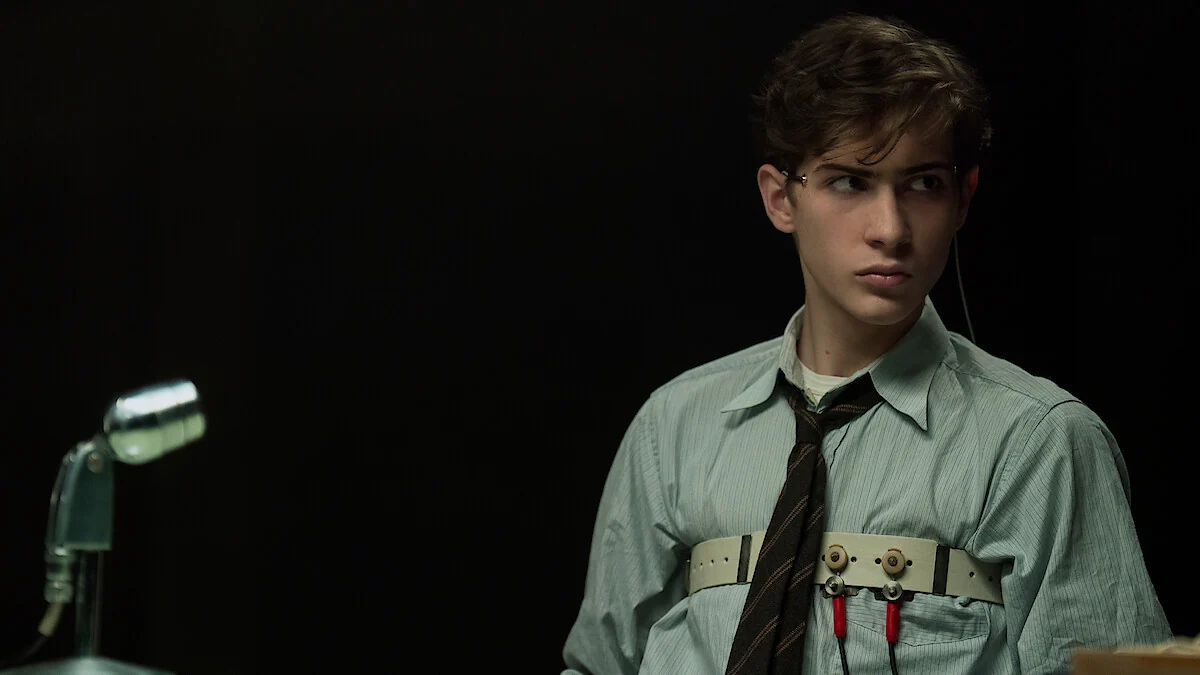
Netflix’s UNABOMBER draws on real events, including Ted Kaczynski’s participation in Harvard psychological research and his identification after his family recognized his writing. Its FBI protagonist, Joanne Miller, is fictional, and the film’s private relationship between Kaczynski and psychologist Henry Murray is speculative. Those distinctions separate the historical case from the drama’s explanation of it.
Janus Metz’s film arrived on Netflix on September 25, 2026. The official trailer introduces its two timelines: young Kaczynski at Harvard and the later investigation.
What the movie gets right
Kaczynski entered Harvard at 16. He later earned a doctorate, taught at UC Berkeley and moved to a cabin near Lincoln, Montana. The FBI’s case history dates his bombing campaign from 1978 to 1995: three people were killed and nearly two dozen others injured. Our case timeline separates those events from the movie’s chronology.
The Harvard research was real, too. The Murray Research Archive’s study record describes a multiyear personality project involving tests, social interaction and responses to stress. Kaczynski’s participation provides a factual starting point for the film. It does not authenticate the dialogue or private confrontations written around it.
What Netflix changes about the FBI investigation
Shailene Woodley’s Joanne Miller is not a real FBI agent. Netflix’s cast guide identifies her as fictional; its ending explainer also describes the on-screen FBI team as fictionalized. These characters give a long investigation a smaller ensemble and a single point of view.
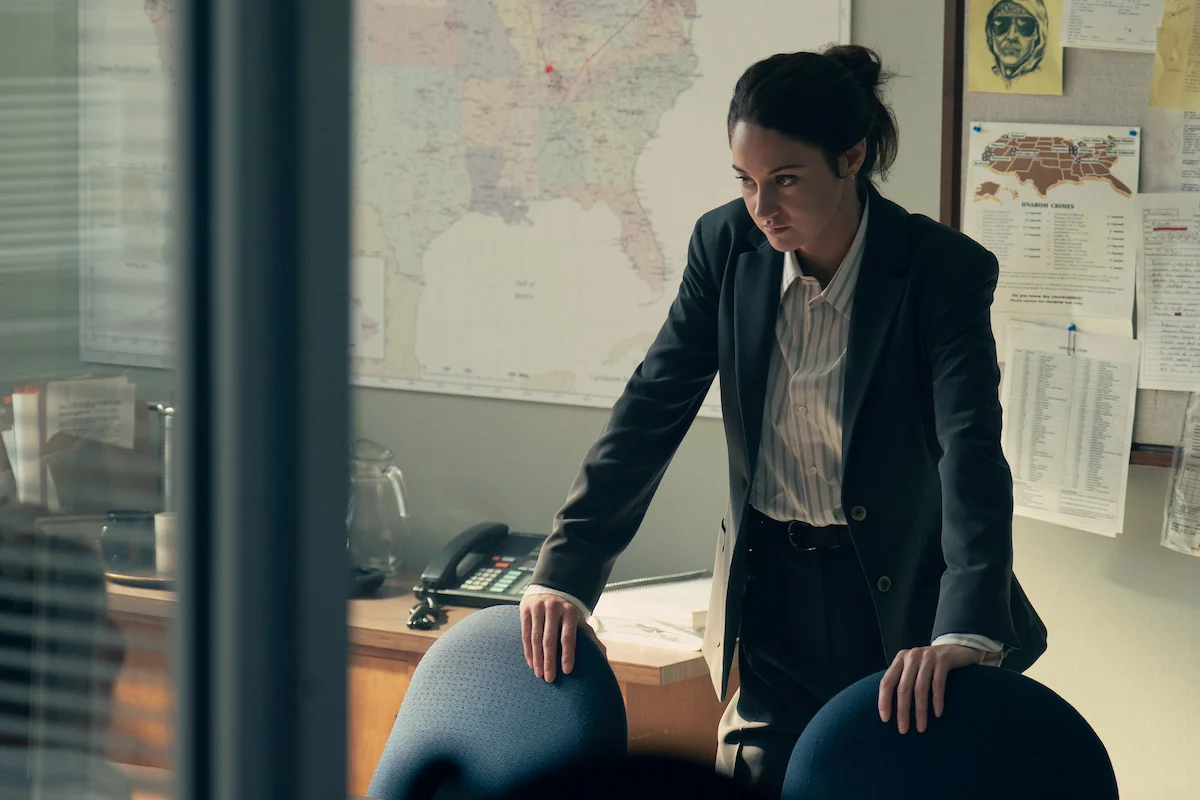
The real task force brought together the FBI, ATF and U.S. Postal Inspection Service, eventually involving more than 150 full-time investigators, analysts and others. Linguistic evidence mattered, but its value depended on having a suspect’s earlier writing to compare with the bomber’s published essay.
Was the manifesto really the key?
Publication created the opportunity for recognition. The FBI backed publishing the roughly 35,000-word essay in the hope that a reader could identify its author. It appeared in a special section of The Washington Post on September 19, 1995.
In their interview with ABC News, Linda Patrik and David Kaczynski described recognizing familiar ideas and a familiar voice. Linda raised the possibility that David’s brother was responsible. A lawyer acting for the family later contacted the FBI and supplied an earlier essay.
The FBI compared Ted’s papers with the manifesto. Together with other evidence from the attacks and his life, the similarities supported a search warrant. Investigators arrested him on April 3, 1996, and the cabin search produced extensive writings and physical evidence connecting him to the crimes. That sequence is the core of how the Unabomber was caught.
Did Henry Murray’s experiment create the Unabomber?
The film moves into interpretation when it links the Harvard experience to later terrorism. The writers acknowledge in Netflix’s ending explainer that the specific Murray–Kaczynski relationship they dramatized lacks historical evidence. That is a narrower claim than saying every connection between the men was invented: Kaczynski participated in Murray-led research, but their on-screen personal conflict is speculative.
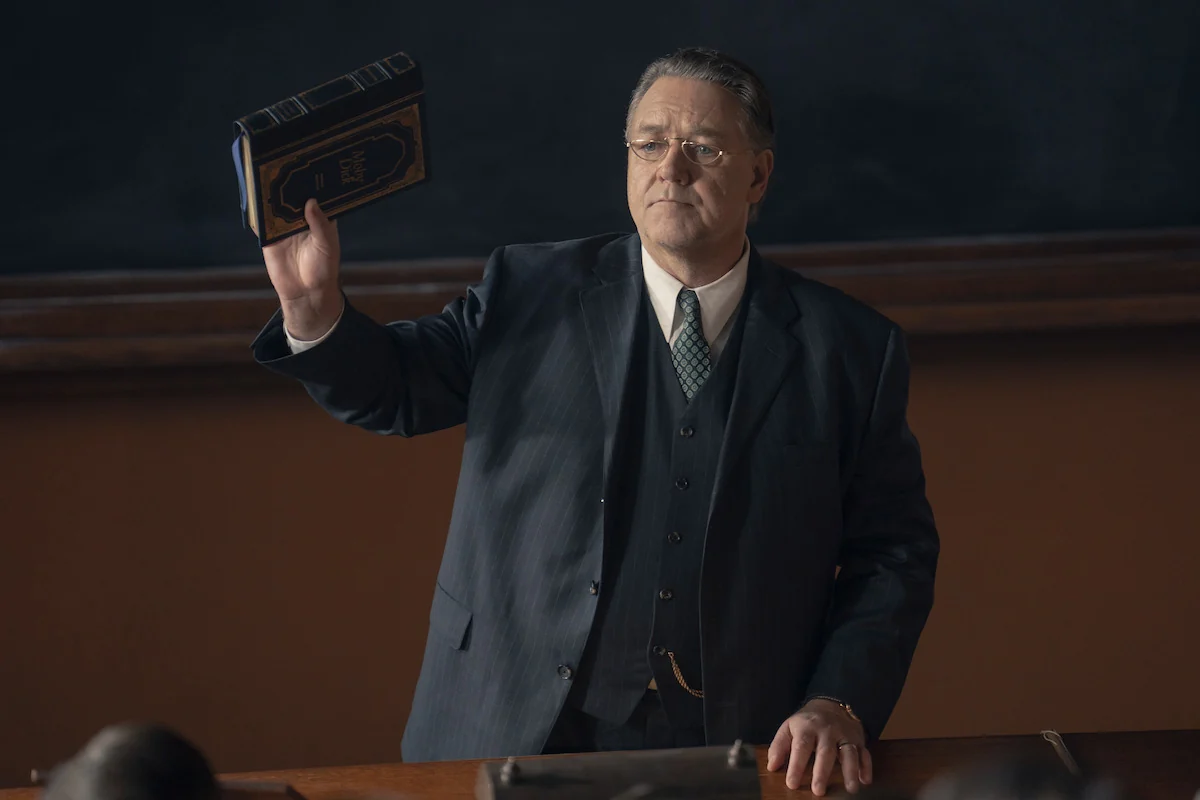
A stressful study and crimes committed years later do not, by themselves, establish cause and effect. Neither participation nor the film’s sequencing proves that the experiment caused Kaczynski’s terrorism. Our Harvard experiment explainer addresses the study and the limits of the evidence separately.
Claims that Kaczynski was definitively an MK-Ultra subject also go beyond the evidence established here. Harvard’s biography documents Murray’s wartime intelligence work. That background does not establish that this later study, or Kaczynski’s participation in it, was part of the CIA program.
What the film invents or compresses
The broad historical sequence and the movie’s intimate scenes have different evidentiary weight. Real institutions, crimes and turning points form the framework; fictional investigators and speculative personal encounters provide dramatic connections. Even the filmmakers’ statement that FBI scenes draw on real events should not be read as independent verification of every scene.
The useful question while watching is whether a moment comes from the case record or from the film’s attempt to give that record a shape. The family tip, writing comparison and 1996 arrest are documented. Joanne Miller and the detailed Murray–Kaczynski relationship belong to the adaptation.
Sources
- Netflix Tudum: UNABOMBER release date, cast and photos
- Netflix Tudum: UNABOMBER cast guide
- Netflix Tudum: UNABOMBER ending and historical dramatization
- FBI: The Unabomber
- FBI: Inside the FBI, The Unabomber Case
- Harvard Dataverse: Murray's multiform personality study
- Harvard Department of Psychology: Henry Murray
- ABC News: Interview with David Kaczynski and Linda Patrik
- Netflix: UNABOMBER official trailer
Make Red Reactions a preferred source
Choose Red Reactions as a preferred source in Google Search.
Confirm your choice on Google.
Related coverage
Ted Kaczynski's Harvard Experiment: What Really Happened With Henry Murray?
Kaczynski took part in Henry Murray's Harvard study. Here is what the archive documents, what Netflix dramatizes and why MK-Ultra and causation claims need care.
UNABOMBER Cast Guide: Who Jacob Tremblay, Russell Crowe and Shailene Woodley Play
The seven principal UNABOMBER actors and their characters, separating real Harvard figures from Netflix's fictionalized FBI investigation team.

What Happened to Ted Kaczynski After His Arrest? Guilty Plea, Prison and Death
After his 1996 arrest, Ted Kaczynski pleaded guilty in January 1998, was sentenced that May, served life in federal custody and died in June 2023.
UNABOMBER Review: Strong Performances, a Simplified Theory, and a 7/10 Result
Strong performances and an effective dual timeline are held back by a simplified psychological thesis.
About the author
Aram Anwar
Founder & Editor
Aram Anwar founded Red Reactions and writes across comics, gaming, movies and television. His work includes franchise guides and large Lore / Explained features, with an emphasis on separating confirmed details from reports, theory and speculation.
Coverage: Comics · DC & Marvel · Gaming · Movies & TV · Lore / Explained · Guides
More from Aram Anwar