feature · movies
David Kaczynski and Linda Patrik: How the Unabomber's Family Helped Identify Him
Linda Patrik raised the suspicion and David Kaczynski supplied his brother's writings. Their own accounts explain the family decision behind the Unabomber breakthrough.

Linda Patrik raised the suspicion that Ted Kaczynski could be the Unabomber; her husband, David, helped investigators test it by supplying his brother’s earlier writings. Their tip became a crucial part of the investigation that led to Ted’s arrest in April 1996.
They were real people making a difficult decision about a relative. Netflix’s UNABOMBER places the hunt within a fictionalized investigative storyline, so its scenes should not substitute for David and Linda’s own accounts. Our true-story guide explains the film’s larger boundaries.
What did Linda recognize?
In a 2016 interview on The Diane Rehm Show, David credited Linda with first suspecting Ted. She had read Ted’s letters, although she had never met him.
That detail changes the familiar shorthand that a brother simply recognized a brother. Linda could compare ideas in his writing without sharing David’s childhood memories of him. David said those memories initially made the possibility difficult to accept.
In ABC’s interview with the couple, Linda described learning about the bomber’s ideas and urging David to read the manifesto. Their concern developed through comparison; it was not an eyewitness identification of a crime.
Why did the old letters matter?
Once the manifesto was public, David could compare a long sample of the unknown bomber’s writing with material Ted had sent him. In his radio interview, he recalled reading it with Linda beside him and becoming increasingly concerned as they examined the texts.
The FBI’s account confirms the next essential step: David provided letters and documents written by Ted. An attorney communicated with the Bureau on the family’s behalf. Investigators then compared the material with the manifesto and investigated the possible suspect.
The Bureau’s retrospective on the writing evidence singles out an essay Ted wrote in 1971. It gave investigators material created years before the manifesto became public. The family was supplying evidence for an inquiry, rather than merely a name or a hunch.
Why was approaching authorities so difficult?
David described two fears: failing to act might allow further victims, while reporting Ted could expose his brother to a prosecution seeking the death penalty. Their uncertainty about his identity made both possibilities harder to confront.
Their eventual decision is understandable without inventing private dialogue or assigning motives beyond what they described. They brought the suspicion to investigators, who were responsible for establishing whether the evidence supported it. That division of responsibility mattered to a tip carrying such serious consequences.
Did their tip alone prove Ted was guilty?
No. The FBI combined the writing comparison with further information about Ted’s background and the case to obtain a search warrant. His cabin was searched when he was arrested on April 3, 1996. The evidence recovered there connected him to the crimes.
Our account of how the Unabomber was caught follows the investigative steps. The later guilty plea and prison sentence were separate legal events.
How should viewers read the film’s version?
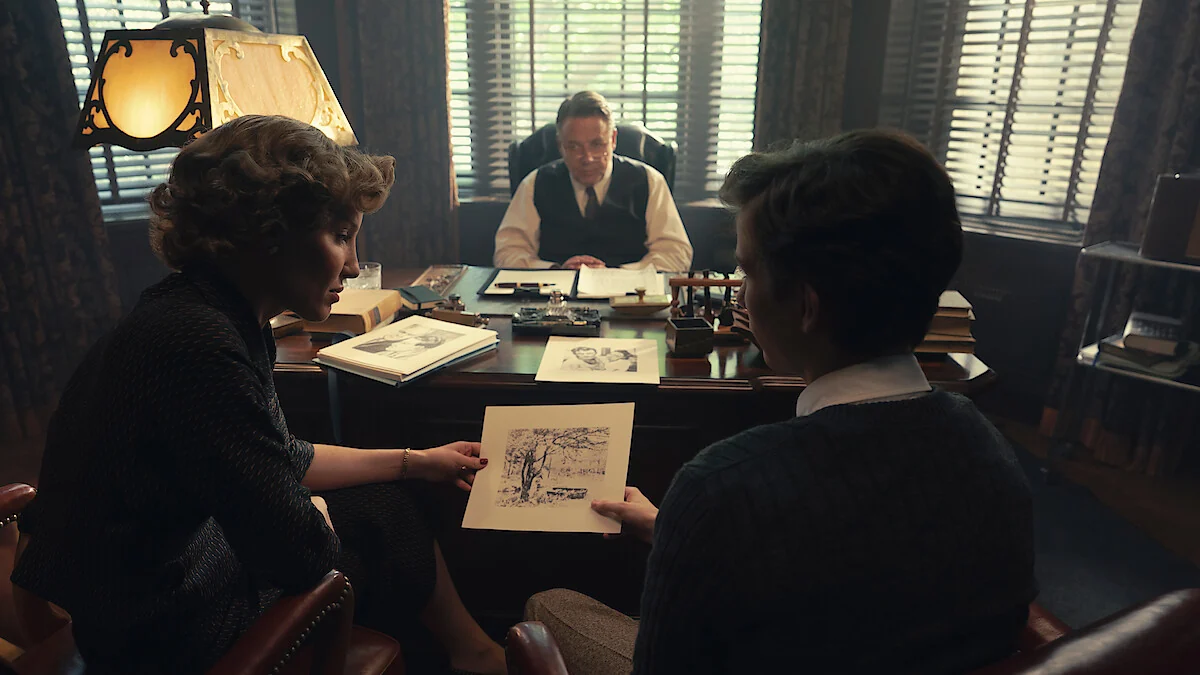
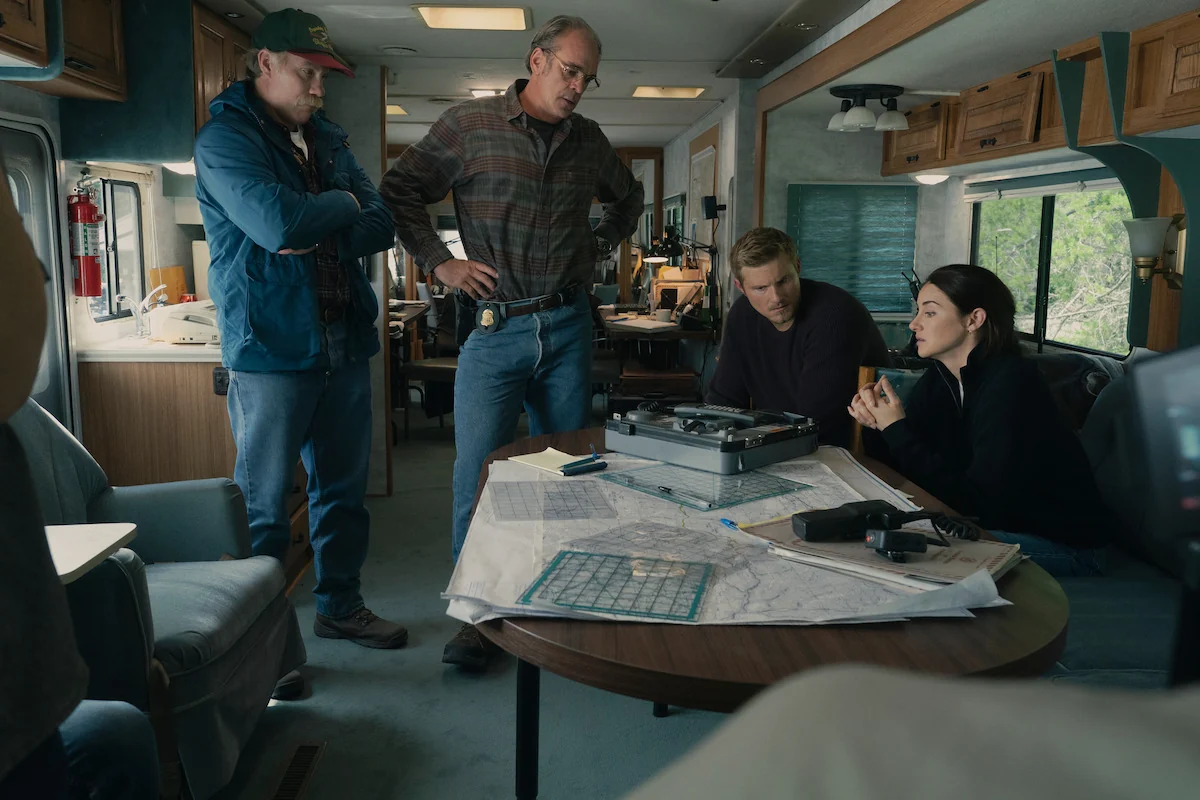
The family’s contribution belongs to the real history. The film’s Joanne Miller belongs to the screenplay, as Netflix confirms. A scene of her studying documents can illustrate the dramatized investigation, but it cannot document what Linda or David personally did.
That is the central distinction for this part of the story: people who recognized familiar ideas brought investigators a lead they could test. Their contribution deserves its own credit alongside the work of the agencies that followed it.
Sources
- The Diane Rehm Show — David Kaczynski's first-person account
- ABC News — David Kaczynski and Linda Patrik interviewed about identifying Ted
- FBI — The Unabomber case history
- FBI — The Words of a Killer
- Netflix Tudum — UNABOMBER ending and historical inventions
- Netflix Tudum — UNABOMBER cast guide and official stills
Make Red Reactions a preferred source
Choose Red Reactions as a preferred source in Google Search.
Confirm your choice on Google.
Related coverage
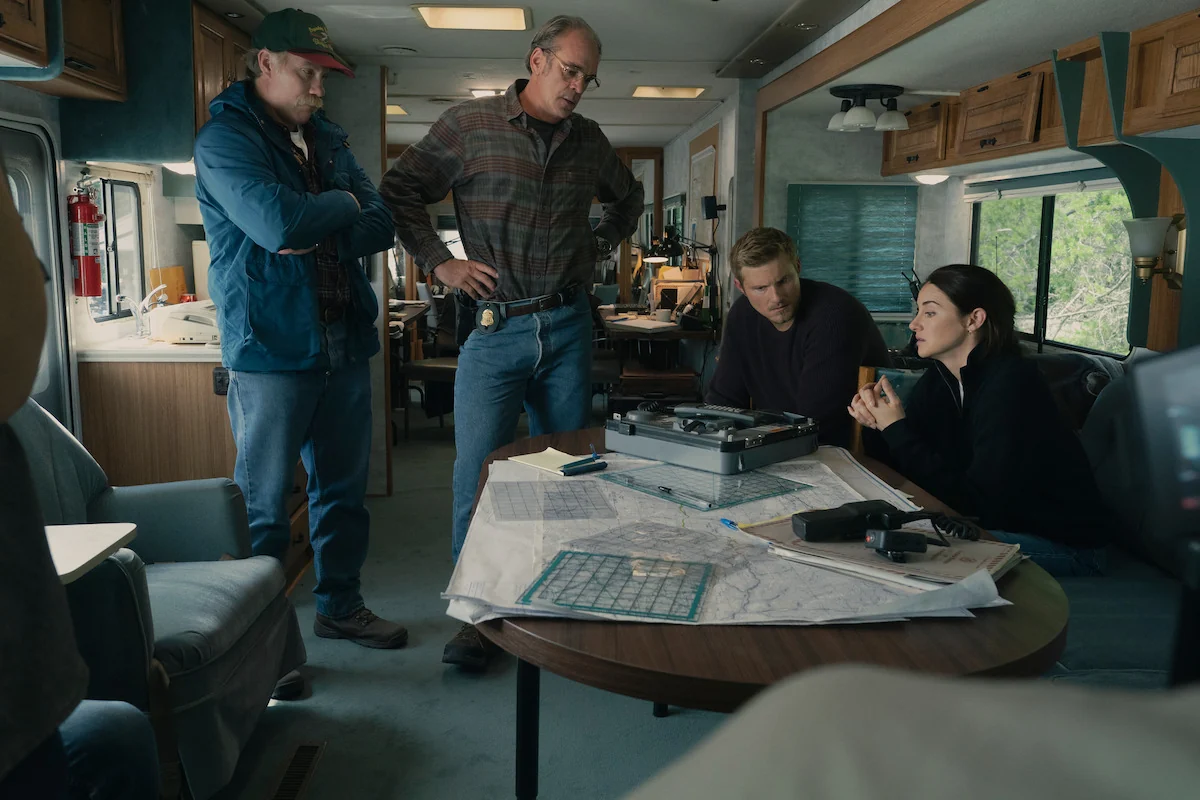
How Was the Unabomber Caught? The Manifesto, David Kaczynski and the FBI Breakthrough
Publication of the manifesto, a family tip and corroborating FBI investigation led to Ted Kaczynski's arrest. Here is how those steps fitted together.
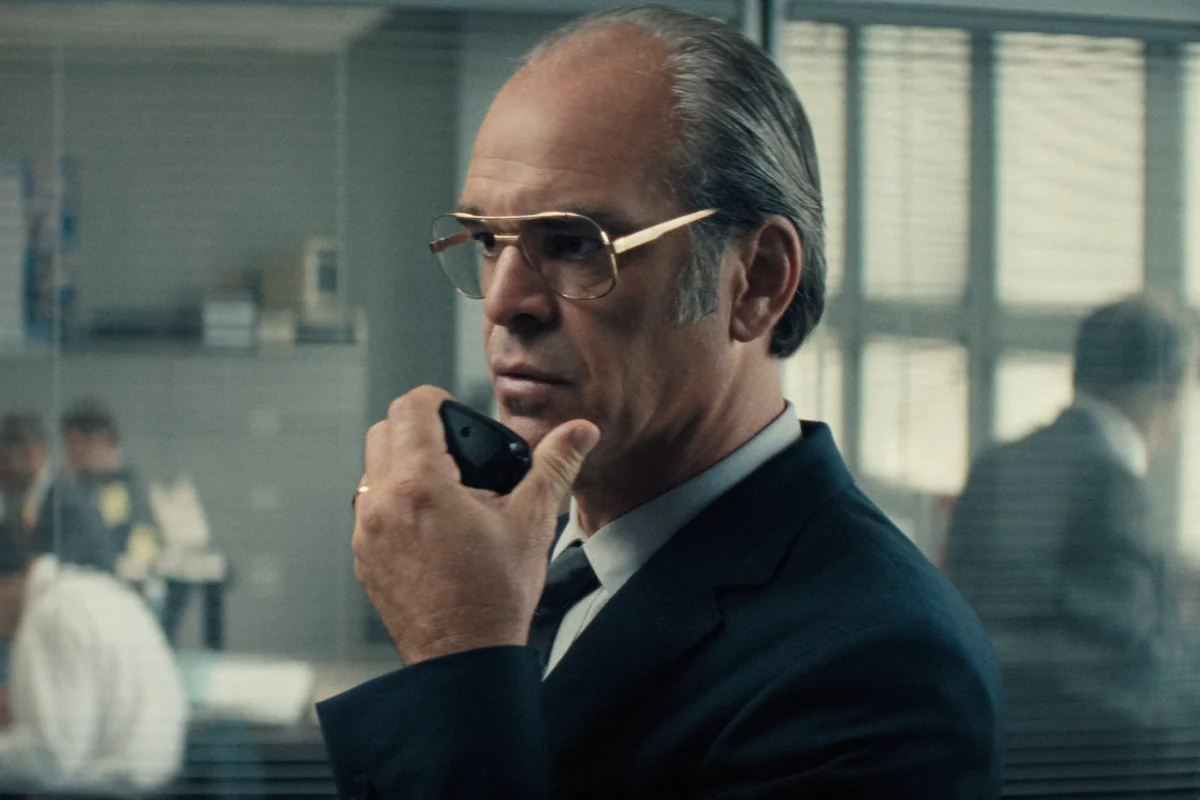
The Unabomber Case Timeline: From the First Bomb to Ted Kaczynski's Arrest
A historical timeline of the Unabomber campaign, its victims, the 1995 manifesto and Ted Kaczynski's 1996 arrest, followed by the separate 1998 legal milestones.
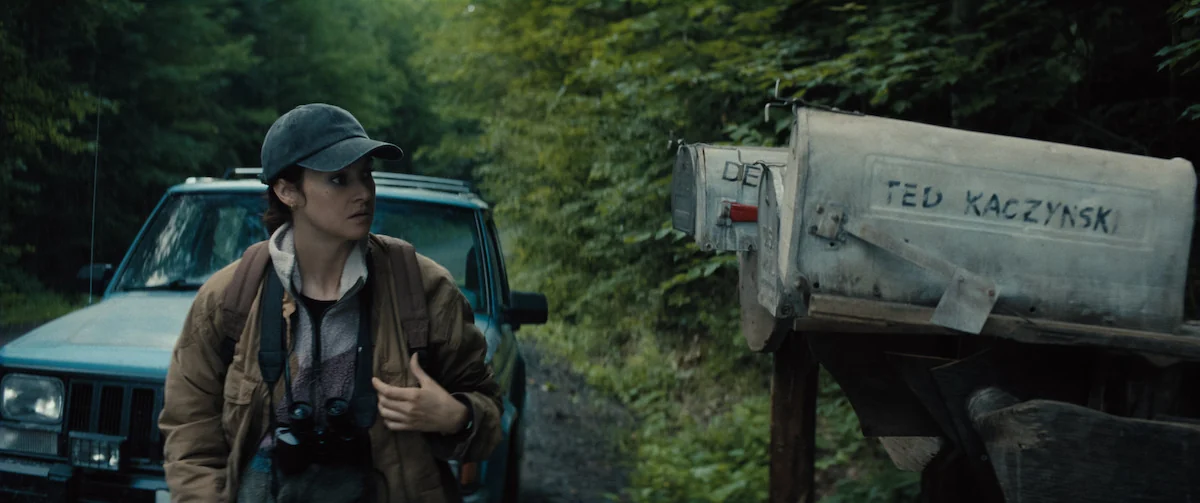
What Happened to Ted Kaczynski After His Arrest? Guilty Plea, Prison and Death
After his 1996 arrest, Ted Kaczynski pleaded guilty in January 1998, was sentenced that May, served life in federal custody and died in June 2023.
Why Was Ted Kaczynski Called the Unabomber? The FBI Code Name Explained
Unabomber grew out of UNABOM, the FBI's University and Airline Bombing case code. Here is what the name meant and why later targets did not fit it.
About the author
Sara Avegaard
Movies & TV Writer
Sara Avegaard covers film, television and streaming for Red Reactions. Her archive spans entertainment news, production and release developments, trailer coverage and explainers that put new announcements in context.
Coverage: Movies · TV & Streaming · Entertainment News · Explainers
More from Sara Avegaard