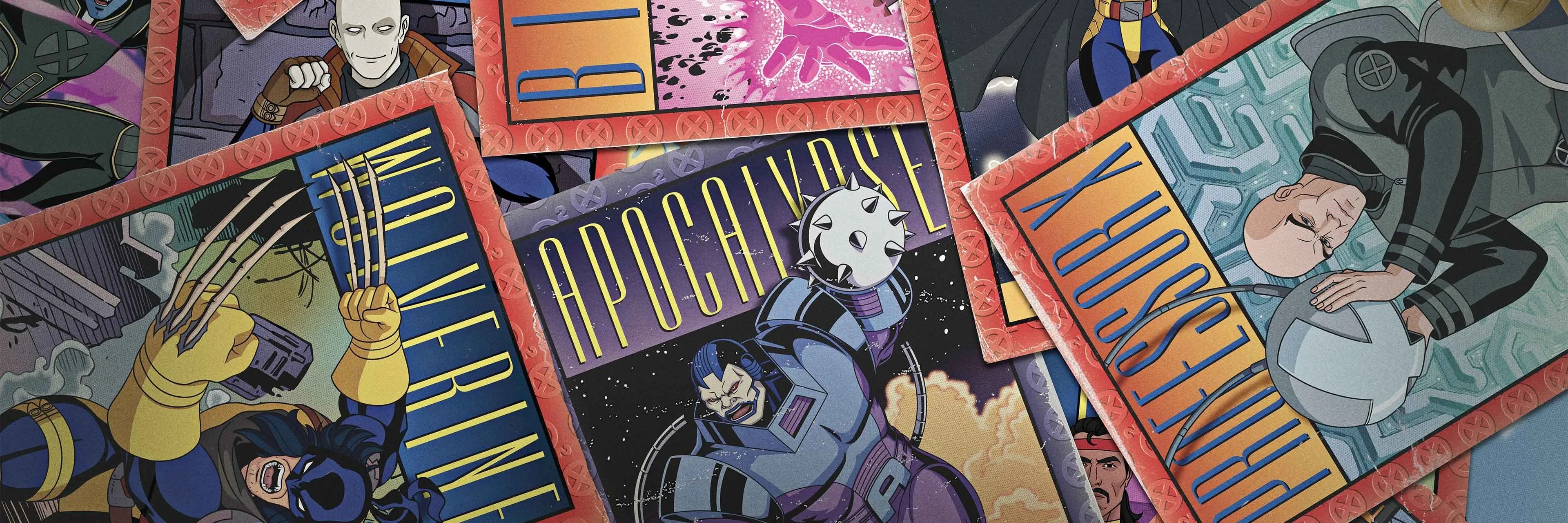
feature · tv / movies
Patrick Stewart's Life and Career Explained: From Mirfield to Starfleet and the X-Mansion
A guide to Sir Patrick Stewart's career: his Yorkshire roots, the Royal Shakespeare Company, Star Trek: The Next Generation, X-Men, Logan and the work in between.
 By Aram Anwar8 min read
— Death announcement checked against Reuters and AP; stage honours checked against the official Olivier Awards pages; casting accounts attributed, not asserted.
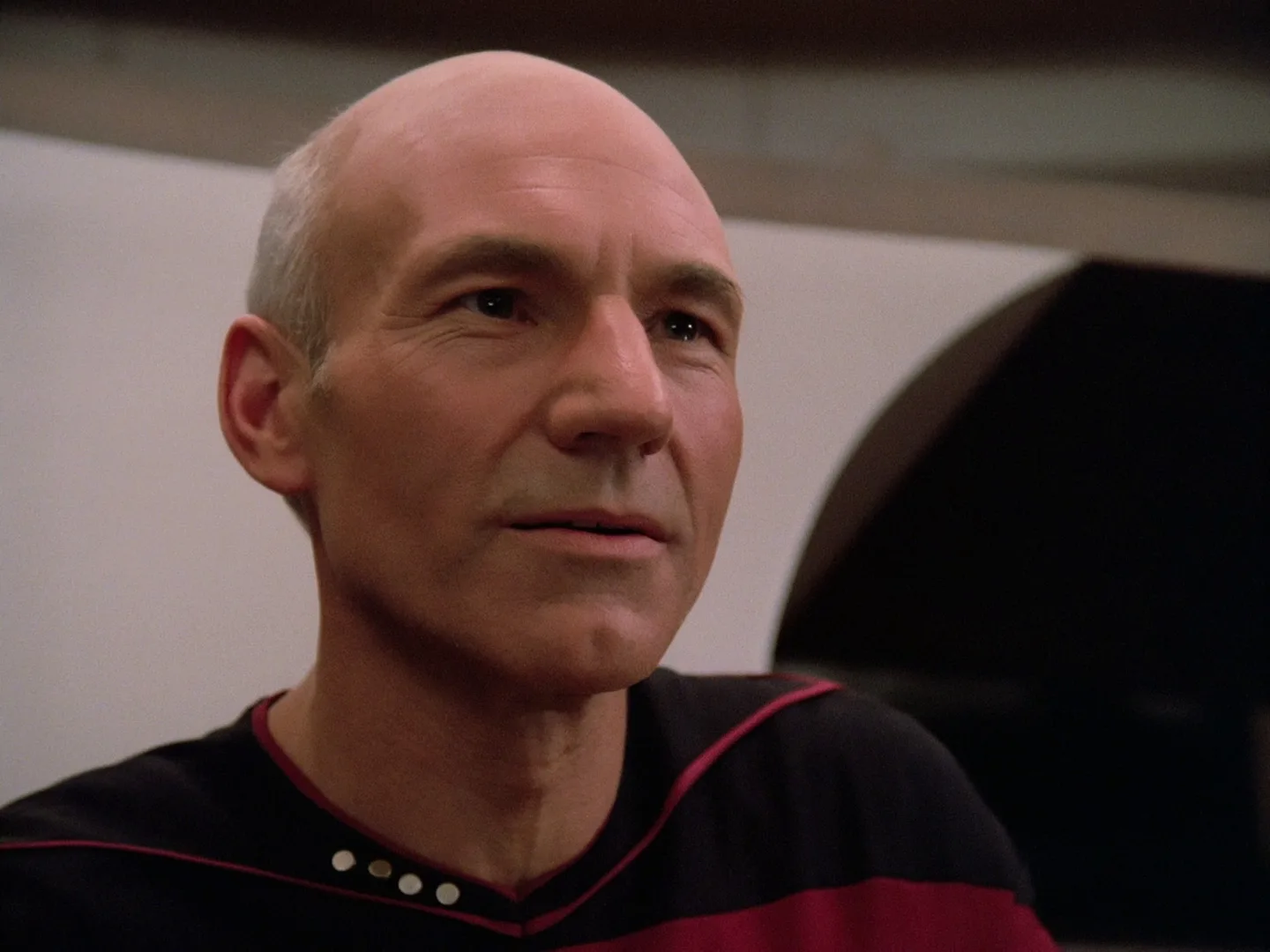
Sir Patrick Stewart died on October 28, 2026, at 86. His family announced his death the following day, as Reuters reported. Most people will think first of two characters: Captain Jean-Luc Picard of Star Trek: The Next Generation and Professor Charles Xavier of the X-Men films. That is understandable, and this guide treats both properly. It also tries to put them back inside a working life that began in a Yorkshire mill town, passed through the Royal Shakespeare Company and kept returning to the stage for more than half a century.
If you want a short version, Stewart was a classically trained stage actor who became a global screen star in his late forties, then spent the next three decades refusing to be only that. The rest of this piece fills in how.
A Yorkshire start
Stewart was born in Mirfield, West Yorkshire, in 1940. The University of Huddersfield’s biography records that he worked briefly on a local newspaper before turning to acting, and credits a schoolteacher with encouraging his love of Shakespeare. He trained at the Bristol Old Vic Theatre School.
That background is worth keeping in mind, because it explains something about the screen career that followed. He never came across as an actor who had arrived at a franchise by accident. The voice, the stillness and the instinct for how a line should be weighted were stage skills first.
The Royal Shakespeare Company years
The Royal Shakespeare Company says Stewart joined in 1966, and he remained a central presence there into the early 1980s. Its own account of his roles includes Shylock, Titus Andronicus, Henry IV, Antony, Prospero and Claudius. He reached Broadway in 1971 with the company’s A Midsummer Night’s Dream.
The official Olivier Awards record shows what that period brought him. In 1979 he won the Olivier for Actor of the Year in a Supporting Role for the RSC’s Antony and Cleopatra, and the same page lists a nomination for his Shylock in The Merchant of Venice. Decades later he won a second acting Olivier, for Best Performance in a Supporting Role in Hamlet at the Novello Theatre in 2009.
Early screen work: Sejanus, Karla and Gurney Halleck
Long before Starfleet, British television and film audiences knew him as a character actor with unusual authority. He played the scheming Sejanus in the BBC’s 1976 I, Claudius, and he played the Soviet spymaster Karla in the BBC’s John le Carré adaptations Tinker Tailor Soldier Spy (1979) and Smiley’s People (1982). In film he appeared in John Boorman’s Excalibur (1981) and in David Lynch’s Dune (1984), where he played Gurney Halleck, the weapons master loyal to House Atreides.
None of these made him a household name internationally. Together they built the reputation that mattered next: an actor who could be trusted with a hard part and who looked equally at home in a period costume and a futuristic one.
How he became Picard
The best-known version of the casting story needs a little care. Accounts drawing on The Fifty-Year Mission, the oral history of Star Trek, describe the production’s Robert Justman as an early champion of Stewart and Gene Roddenberry as initially unconvinced, before coming around. That is how the story is usually told, and it is worth treating as an account rather than settled detail.
Stewart’s own recollection is easier to anchor. In an interview on StarTrek.com, he recalled being offered the part on a Monday lunchtime with until Friday to decide, after being called back to Los Angeles three times to audition. He was wary of the six-year contract that came with it.
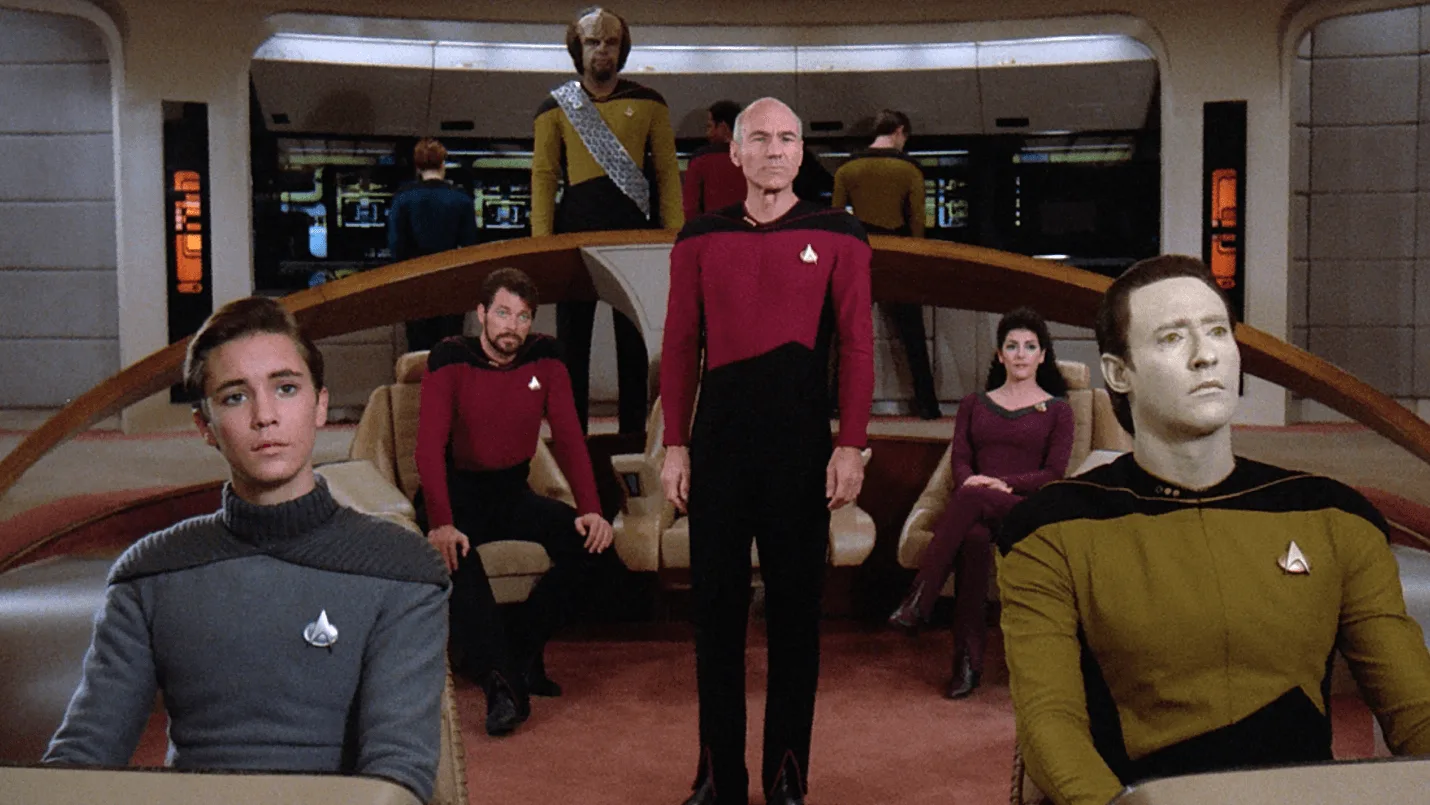
He accepted. Star Trek: The Next Generation began with the two-hour pilot “Encounter at Farpoint” in September 1987 and ran for seven seasons, ending in 1994. Picard turned out to be a different kind of television captain: more diplomat and scholar than action hero, someone whose most important scenes were often conversations. The character gets his own deep dive in our Jean-Luc Picard explainer, and the best of those conversations are collected in the TNG watch guide.
From television to the big screen
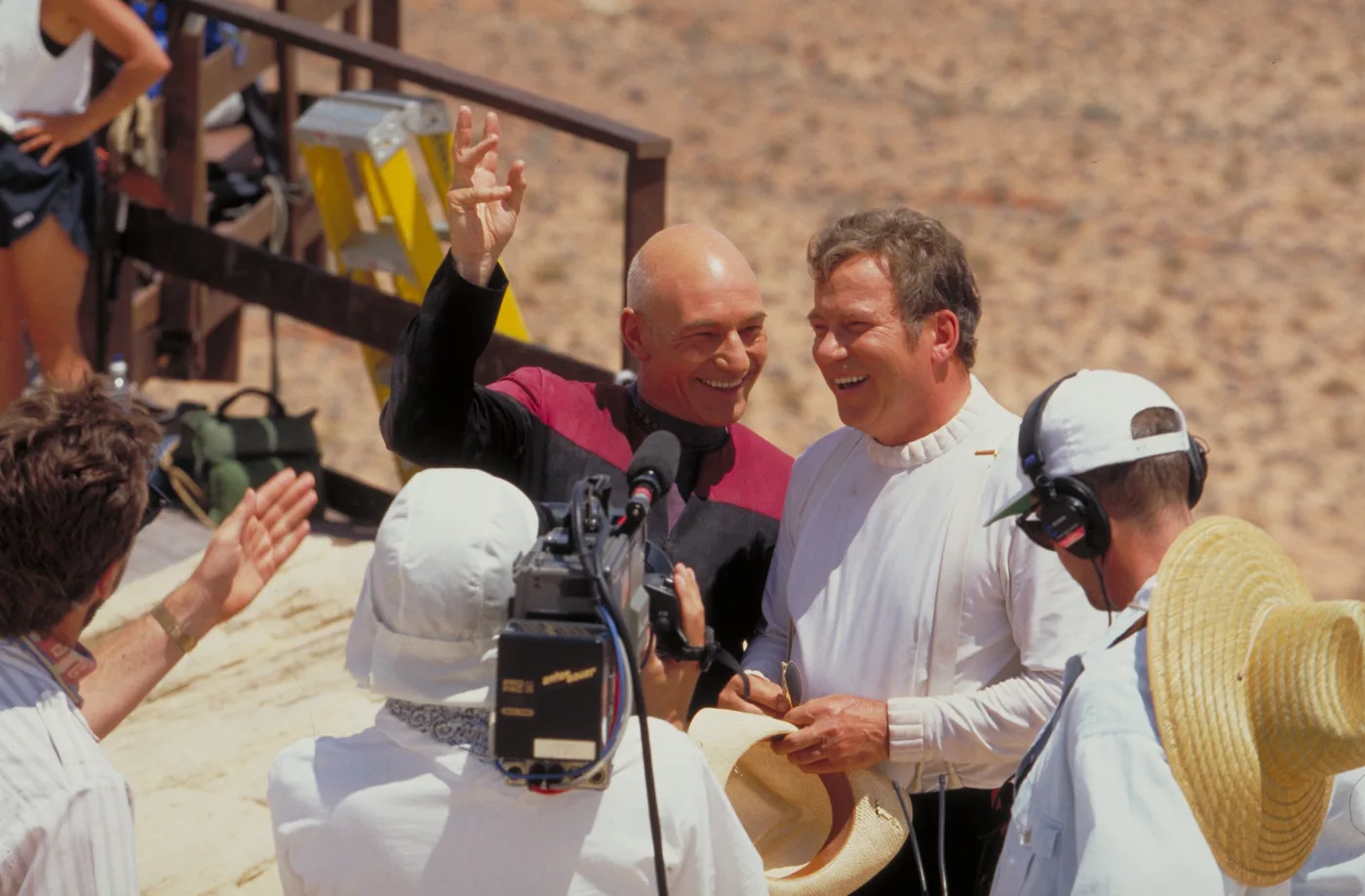
Stewart carried Picard into four Star Trek films: Generations (1994), First Contact (1996), Insurrection (1998) and Nemesis (2002). Generations was the handover from the original series, and it paired him with William Shatner’s Captain Kirk.
First Contact gave Picard something the series had only touched on: a personal reckoning with the Borg, rooted in the Locutus storyline from The Next Generation’s third and fourth seasons.
Professor X
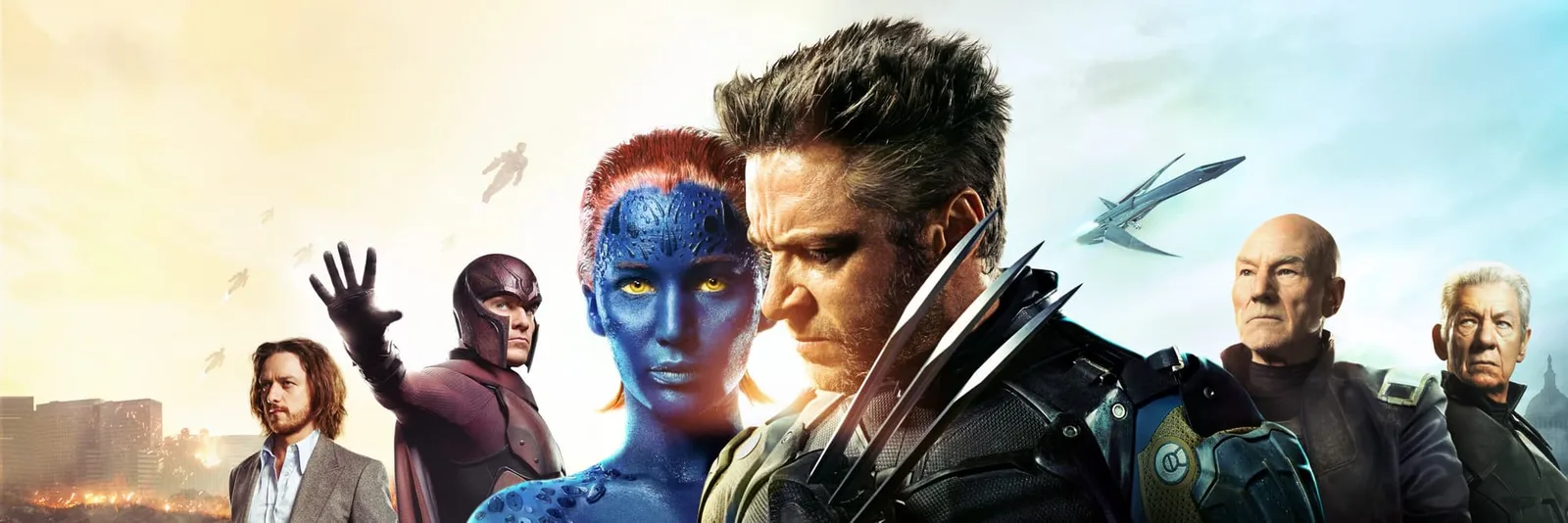
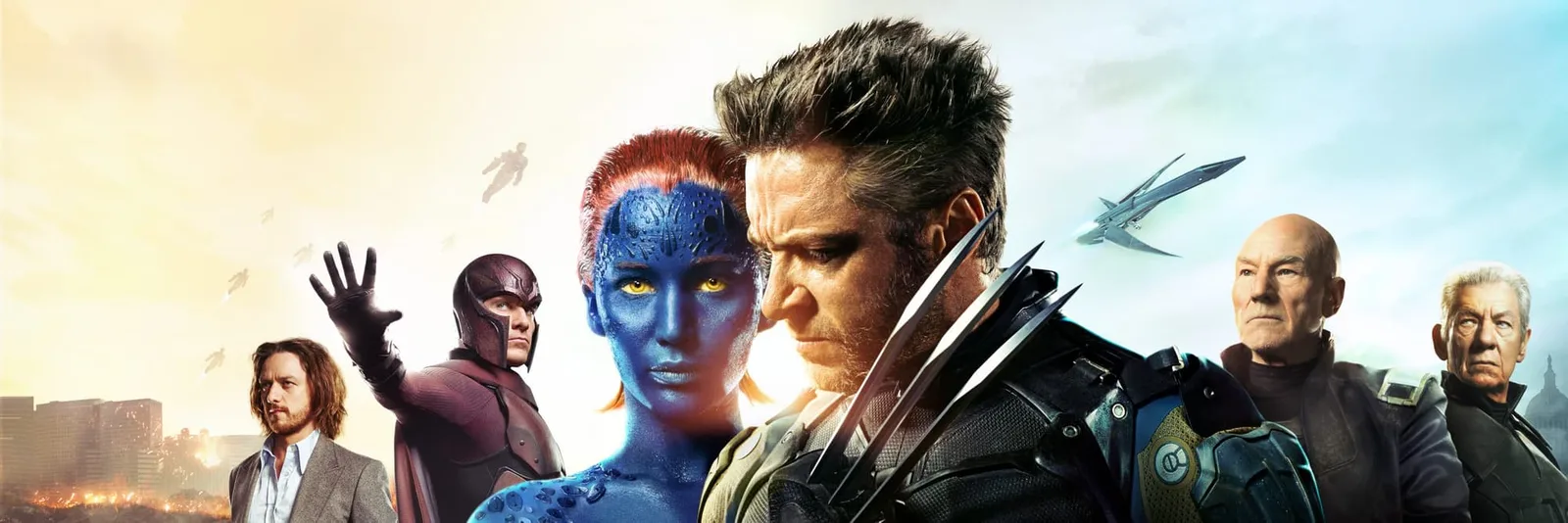
In 2000 Stewart began a second long association, as Charles Xavier in Bryan Singer’s X-Men. He played the character in X-Men (2000), X2 (2003) and X-Men: The Last Stand (2006), made brief appearances in X-Men Origins: Wolverine (2009) and The Wolverine (2013), and returned in X-Men: Days of Future Past (2014), where James McAvoy played the younger Xavier. His performance in Logan (2017) is the subject of a separate piece, and the full run is mapped in our Professor X guide.
He also appeared as an alternate-universe Xavier in Marvel Studios’ Doctor Strange in the Multiverse of Madness (2022), and Marvel Studios’ official cast announcement for Avengers: Doomsday, which is scheduled for December 2026, listed him as part of the film.
The stage never went away
It would be easy to assume that the screen fame replaced the theater. It did not. Stewart toured and performed his own adaptation of A Christmas Carol as a one-man show, and the official Olivier records show that the production, adapted and staged by Stewart at the Old Vic, won the 1994 Olivier for Best Entertainment. He played Macbeth at Chichester and in the West End, then on Broadway in 2008, a performance that earned a Tony nomination. A filmed version of Rupert Goold’s production reached PBS’s Great Performances in October 2010.
Later came his pairing with Ian McKellen, with whom he shared a long friendship. They appeared together in Samuel Beckett’s Waiting for Godot and Harold Pinter’s No Man’s Land in repertory, including a Broadway run at the Cort Theatre that began in late 2013.
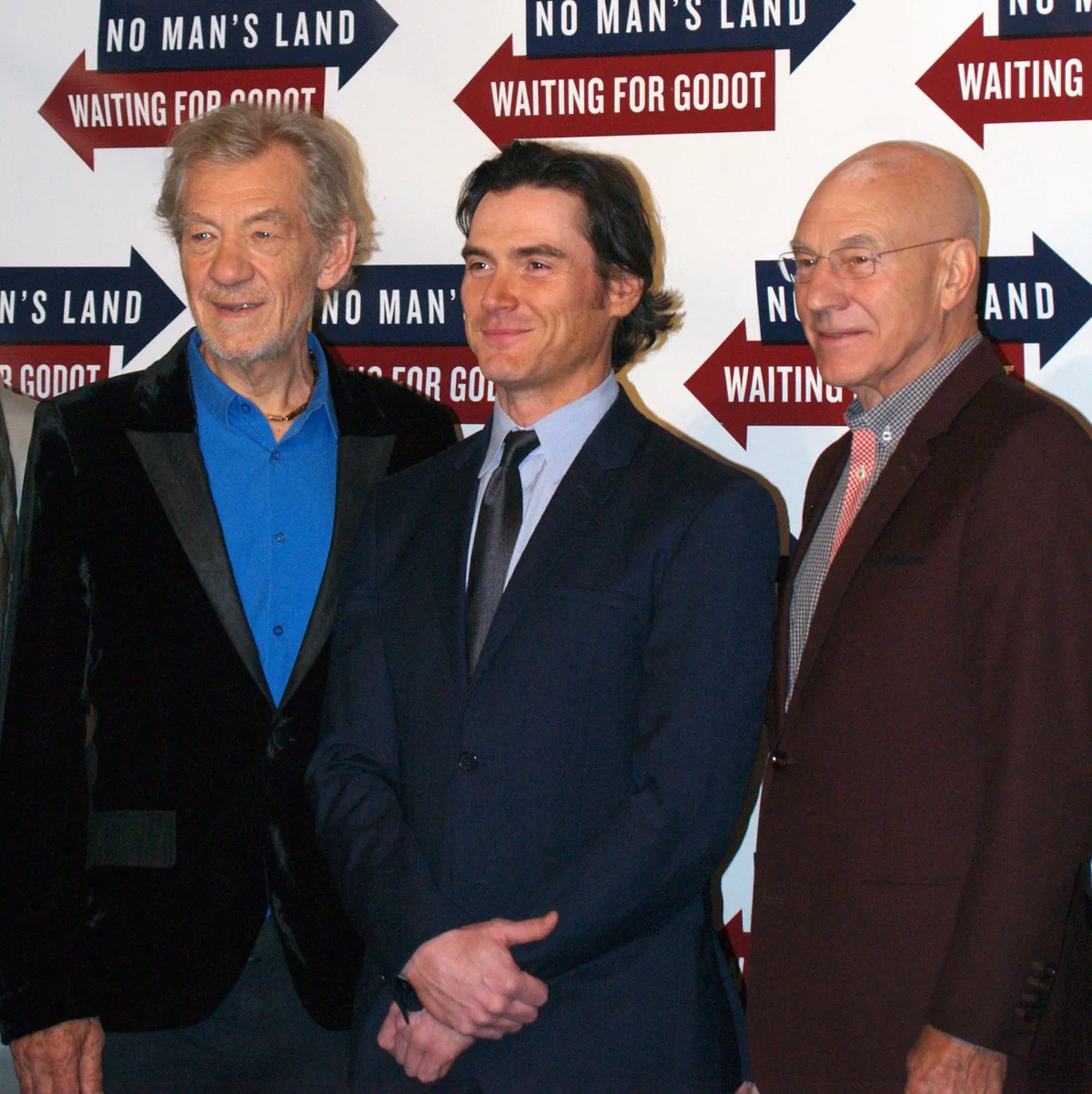
The stage side of his career, along with his darker film and television work, is covered in Beyond Picard and Xavier.
The comedy and the surprises
In his seventies Stewart became willing to play against type. He appeared as himself in the BBC comedy Extras, in an episode that aired on BBC Two on August 25, 2005. He led Starz’s Blunt Talk as the pompous news anchor Walter Blunt, a comedy created by Jonathan Ames and executive produced by Seth MacFarlane that ran for two seasons from 2015 to 2016. He voiced the CIA Deputy Director Avery Bullock in American Dad! for many years, and he gave voice performances in video games including The Elder Scrolls IV: Oblivion, covered in our voice roles piece.
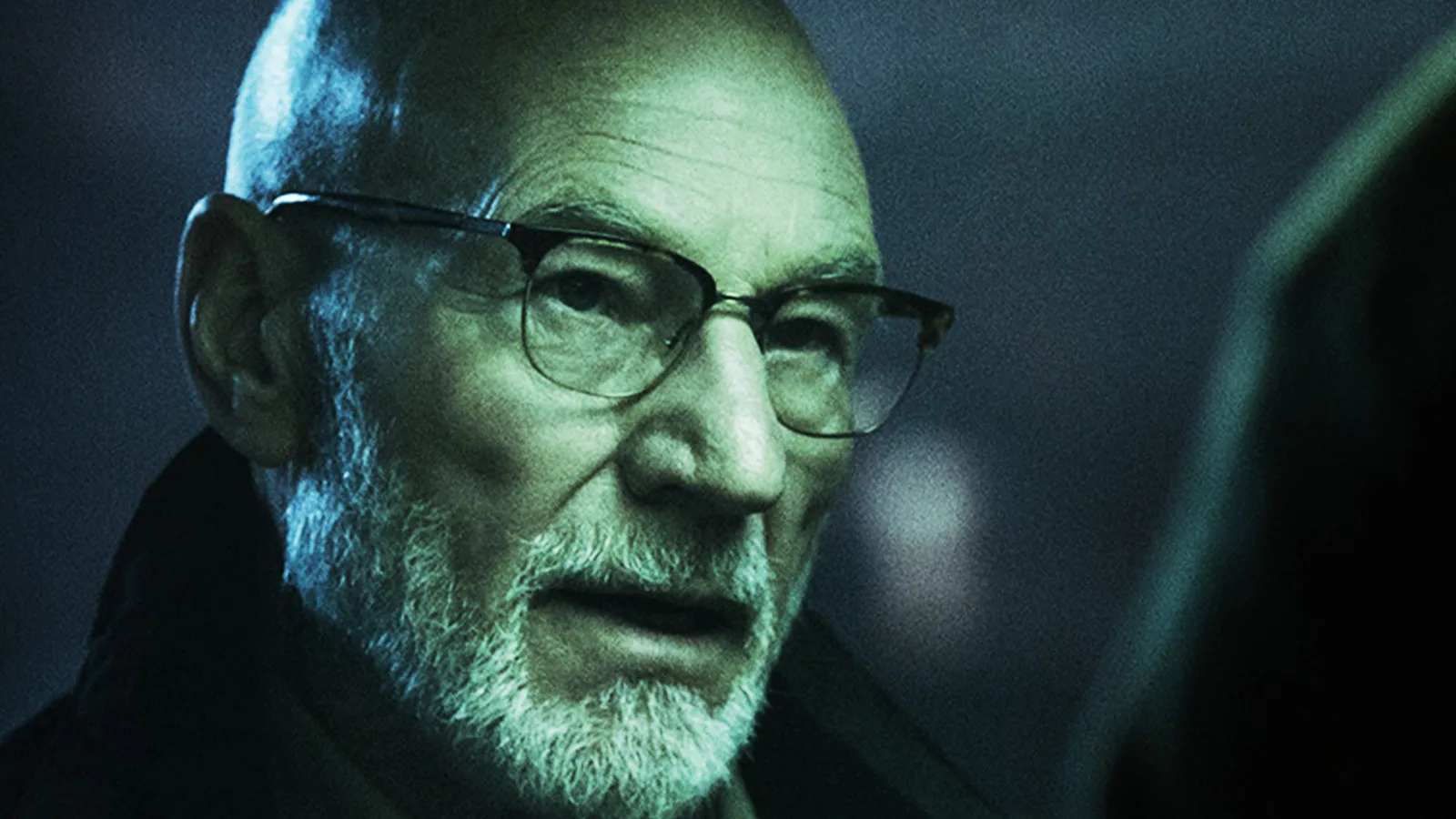
His most unsettling turn in this period was in Jeremy Saulnier’s Green Room, released by A24 in 2016, in which he played Darcy Banker, the calm, courteous leader of a gang of neo-Nazi skinheads. The role sits about as far from Picard’s moral seriousness as a calm, well-spoken character can get.
Picard, one more time
In August 2018, StarTrek.com announced that Stewart would return to the role, and Star Trek: Picard premiered in January 2020. It ran for three seasons and ended in April 2023 with a finale that brought the full Next Generation cast together. We cover the series in a dedicated explainer.
Honors and work beyond acting
Stewart was knighted in the 2010 New Year Honours for services to drama. He served as Chancellor of the University of Huddersfield from 2004, and stepped down in 2015 to become Emeritus Chancellor. He spoke publicly about domestic abuse and supported organizations including Refuge, and in 2023 he published a memoir, Making It So.
Where to start
If you are new to him, the usual advice is to begin with The Next Generation, and you do not need to start at the beginning: the episode guide picks the ones that matter most for Picard. If you already know Picard and Xavier, the surprises are in Green Room, in the stage recordings and in his late comic turns. We have also gathered twenty titles worth watching in one place, and our tribute covers the announcement itself.
What stands out across seven decades of work is how consistently he made authority look like something earned through attention rather than volume. That held for a starship captain, a mutant mentor and a Shakespearean king alike.
Sources
- Reuters — family announcement of Patrick Stewart's death
- Associated Press — spokesperson confirmation
- StarTrek.com — Sir Patrick Stewart interview
- StarTrek.com — Stewart returning to the Picard role (2018)
- Royal Shakespeare Company — Stewart joined in 1966
- Official Olivier Awards 1979
- Official Olivier Awards 2009
- Official London Theatre — 2010 New Year Honours
- University of Huddersfield — Patrick Stewart biography
- University of Huddersfield — Stewart stepping down as Chancellor (2015)
- Simon & Schuster — Making It So
- A24 — Green Room
Make Red Reactions a preferred source
Choose Red Reactions as a preferred source in Google Search.
Confirm your choice on Google.
Related coverage
Professor X Explained: Charles Xavier, Patrick Stewart and Every Film Appearance
Who is Professor X? A guide to Charles Xavier in the comics and Patrick Stewart's film performances, from X-Men (2000) to Logan, Doctor Strange and Avengers: Doomsday.
Patrick Stewart's 20 Best Films and TV Shows, Ranked
A ranked list of Patrick Stewart's 20 best films and TV shows, from Star Trek: The Next Generation and Logan to Green Room, I, Claudius, Macbeth and American Dad!.

Logan (2017) Explained: Patrick Stewart's Last Film in the Original X-Men Series
A guide to Logan (2017): James Mangold's R-rated X-Men film, Patrick Stewart's ailing Professor X, Hugh Jackman's farewell, the Oscar nomination and the black-and-white Noir cut.
Beyond Picard and Xavier: Patrick Stewart's Darker, Stranger and Stage Roles
Patrick Stewart's career beyond Star Trek and X-Men: Green Room, Dune, I, Claudius, Smiley's People, Moby Dick, Macbeth, Hamlet, Godot and the stage work that defined him.
About the author
Aram Anwar
Founder & Editor
Aram Anwar founded Red Reactions and writes across comics, gaming, movies and television. His work includes franchise guides and large Lore / Explained features, with an emphasis on separating confirmed details from reports, theory and speculation.
Coverage: Comics · DC & Marvel · Gaming · Movies & TV · Lore / Explained · Guides
More from Aram Anwar