lore · tv
X-Men '97 Characters and Powers Explained
Meet the main X-Men '97 characters and learn what Cyclops, Storm, Wolverine, Rogue, Gambit, Magneto and the rest can actually do.
 By Aram Anwar12 min read
X-Men ‘97 works because its heroes are not interchangeable. Cyclops solves a fight with precision. Storm changes the battlefield itself. Rogue can turn an enemy’s power against them, while Jean Grey can attack a problem from inside the mind. The series keeps those differences clear, making its team fights feel like strategy rather than a pile of superpowers.
For the wider story, timeline and Season 2 context, start with our complete X-Men ‘97 explained guide. For the earlier history those characters bring into the revival, see how X-Men ‘97 connects to X-Men: The Animated Series. This guide stays focused on the characters, what their abilities actually do, and where the animated continuity draws a line between mutant powers, technology and skills.
X-Men ‘97 Characters at a Glance
| Character | Core power | Voice actor |
|---|---|---|
| Cyclops | Optic energy blasts | Ray Chase |
| Jean Grey | Telepathy and telekinesis | Jennifer Hale |
| Storm | Weather manipulation | Alison Sealy-Smith |
| Wolverine | Healing factor and enhanced senses | Cal Dodd |
| Rogue | Power and memory absorption | Lenore Zann |
| Gambit | Kinetic charging | AJ LoCascio |
| Beast | Superhuman strength and agility | George Buza |
| Jubilee | Energy plasmoids | Holly Chou |
| Morph | Shapeshifting | JP Karliak |
| Bishop | Energy absorption and projection | Isaac Robinson-Smith |
| Nightcrawler | Teleportation | Adrian Hough |
| Magneto | Magnetism | Matthew Waterson |
| Professor X | Telepathy | Ross Marquand |
| Sunspot | Solar-powered abilities | Gui Agustini |
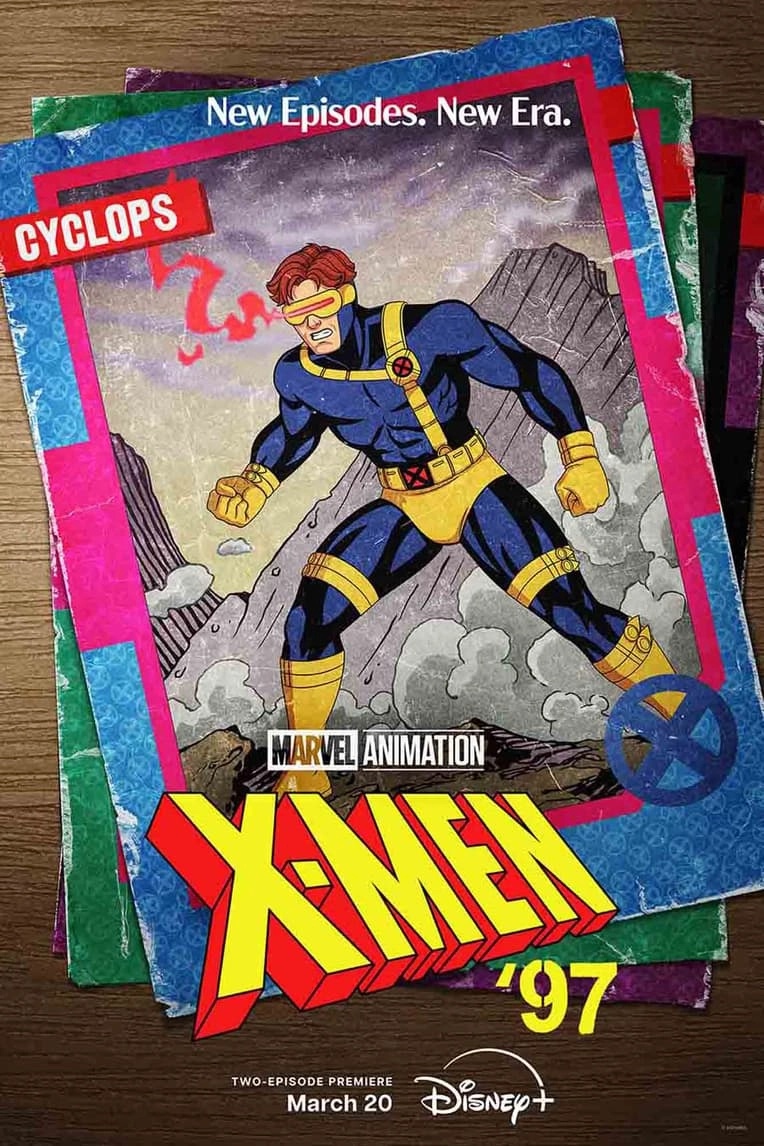
Cyclops: Precision Before Raw Power
Scott Summers fires powerful red optic blasts that hit with concussive force. His ruby-quartz visor and glasses let him regulate when those blasts are released, but what makes Cyclops dangerous is how precisely he uses them.
X-Men ‘97 shows Scott angling shots off surfaces, narrowing the beam when control matters and even using recoil to move himself through a fight. The series does not need the more elaborate explanations that have appeared across decades of comics. For this animated version, the important point is simple: Cyclops has a devastating optic weapon and years of training in how to aim it.
His mutation gives him the firepower; discipline makes him one of the team’s most important tactical leaders.
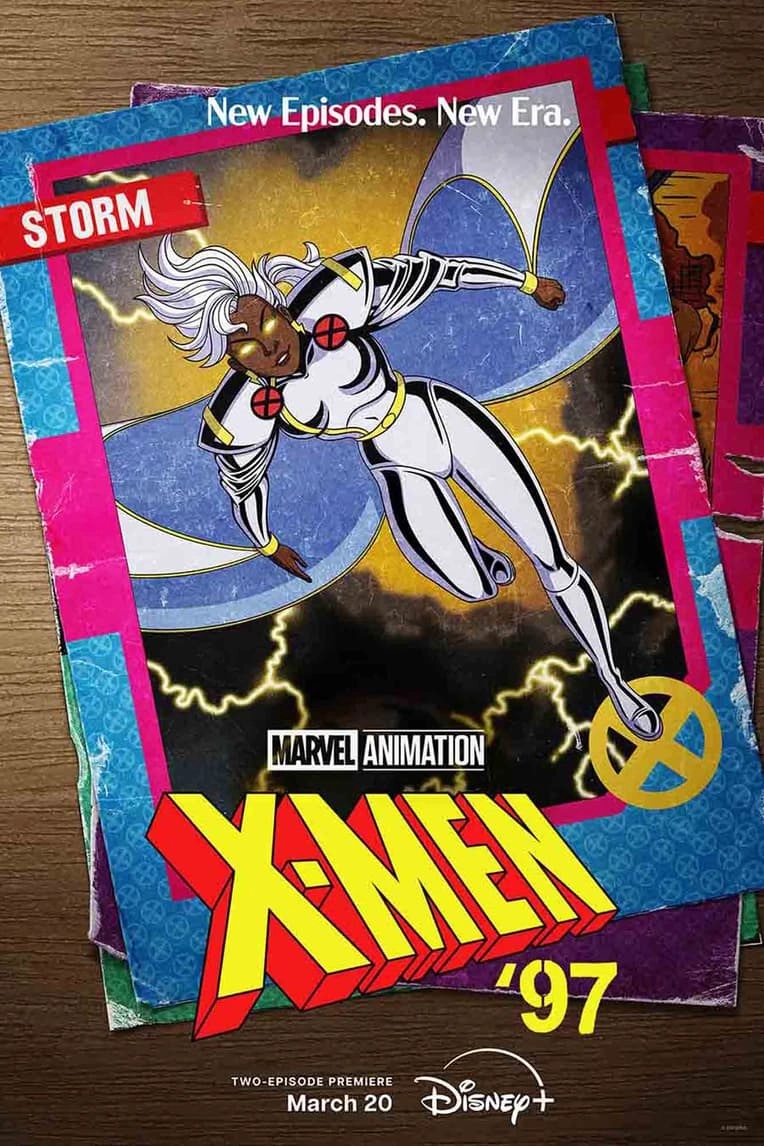
Storm: Weather on a Massive Scale
Ororo Munroe can control the weather, giving her access to wind, rain, lightning, temperature shifts and broader atmospheric effects. She can attack directly, reshape the conditions around a fight and use air currents to fly.
The animated continuity also carries forward a long-standing vulnerability: Storm’s claustrophobia can affect her under extreme stress, giving a character capable of commanding the sky a very human weakness.
Marvel Comics classifies Storm as an Omega-level mutant. X-Men ‘97 itself does not need that comics ranking to establish her importance; the scale of what she does onscreen already makes that clear.
Rogue: Absorption, Strength and Flight
Rogue’s natural mutation activates through physical contact. She can absorb another person’s memories, abilities and powers, and prolonged contact can be dangerous for the person she touches.
Her superhuman strength and flight come from a different part of her history. The original X-Men: The Animated Series established in “A Rogue’s Tale” that Rogue permanently absorbed Ms. Marvel’s powers during a disastrous encounter with Carol Danvers.
Those lasting abilities are separate from Rogue’s ongoing touch-based absorption. That distinction matters because the same mutation that makes her invaluable in combat also prevents her from safely touching the people closest to her.

Bishop: Absorb the Hit, Send It Back
Bishop can absorb energy and release it again as powerful blasts. That makes him especially effective against enemies who rely on energy weapons or powers.
His futuristic guns and other equipment are technology, not part of his mutation. The clean distinction is: Bishop’s body absorbs and redirects energy; his weapons are tools he brings from the future.
That combination makes him both a powered fighter and a soldier shaped by a timeline where mutant persecution has gone catastrophically wrong.
Gambit: Turning Objects Into Explosives
Remy LeBeau can kinetically charge objects so they release explosive force. Playing cards are his signature because they are light, easy to carry and easy to throw, but the ability is not limited to cards.
Marvel’s comics material describes Gambit’s standard power as charging inorganic objects through physical contact. X-Men ‘97 keeps the visual language straightforward: he touches an object, charges it and turns it into a weapon.
His bo staff, agility and throwing accuracy are skills and equipment rather than separate mutant powers. Gambit’s mutation amplifies a fighting style already built around speed and improvisation.
Jubilee: More Than Fireworks
Jubilee produces colorful energy plasmoids that resemble fireworks. Her blasts can distract, blind and hit with real force, and the series shows her becoming more precise with them as she gains experience.
That growth matters because Jubilee once served as the young newcomer in X-Men: The Animated Series. In X-Men ‘97, she is no longer simply the least experienced person in the room.
Sunspot: Solar Power With Room to Grow
Roberto da Costa, AKA Sunspot, is one of the important newer additions to the X-Men ‘97 ensemble.
Marvel’s official series material describes him as able to create solar flares and fly. His wider Marvel concept is built around channeling solar energy into superhuman abilities, but the animated version should be judged by what it actually shows rather than every feat from the comics.
Roberto’s story is also about whether he is ready to embrace being a mutant at all. That makes him a useful contrast with Jubilee: she has grown into her place among the X-Men, while he is still deciding what his place is.
Morph: Shapeshifting Is Not Unlimited Power Copying
Morph can alter their appearance and body, taking the form of other people and reproducing physical traits associated with those shapes.
The series uses that flexibility aggressively in action scenes. Morph can become larger, smaller or more physically specialized depending on the situation, and transformations can mimic visible traits such as claws, wings or increased bulk.
But X-Men ‘97 does not establish Morph as a universal power copier. A physical transformation should not automatically be treated as proof that Morph gains unrelated psychic or energy-generating powers such as Jean Grey’s telepathy or Cyclops’s optic blasts.
The safest rule is to credit each transformation only with what the series actually demonstrates.
Nightcrawler: Teleportation and Acrobatics
Kurt Wagner’s signature ability is teleportation. He can vanish from one point and reappear at another, usually with the familiar burst of smoke associated with the character.
Nightcrawler is also an exceptional acrobat. His tail, agility and unusual physiology give him movement options most of the team cannot match even before he teleports.
In combat, Kurt uses teleportation to reposition allies, evade attacks and move through a fight faster than opponents can track him. Carrying other people makes those jumps more demanding, so judgment and timing still matter.
Wolverine: The Mutation and the Weapon X Upgrade
Logan’s core mutant abilities include a powerful healing factor and enhanced senses. Those powers help him recover from injuries that would incapacitate an ordinary person and make him extremely difficult to surprise.
The adamantium coating his skeleton is different. It was bonded to him through the Weapon X program; Marvel’s own histories make clear that his healing factor helped him survive that process.
So Wolverine’s metal skeleton is not the mutation itself. It is a technological enhancement layered on top of a mutant body capable of enduring it.
His healing factor also does not make him painless or impossible to incapacitate. X-Men ‘97 still treats damage as damage even when Logan can recover from it.
Beast: Mutant Strength, Scientific Skill
Hank McCoy is both the team’s scientist and one of its strongest physical members.
Marvel’s X-Men ‘97 character material describes Beast as a hyper-intelligent scientist whose mutation manifests physically through superhuman strength and his blue, furry body. His agility and unusual movement make him an acrobatic fighter rather than a simple bruiser.
His scientific expertise is a different kind of asset. His mutation helps him survive problems; his education and experience often help the team solve them.
Jean Grey: Telepathy, Telekinesis and the Phoenix Question
Jean Grey possesses two major mutant abilities: telepathy and telekinesis.
Telepathy lets her communicate mind-to-mind and interact with thoughts. Telekinesis allows her to move or restrain objects without physical contact and defend herself or others through force generated by her mind.
The major source of confusion is the Phoenix Force. Phoenix is not simply another name for Jean’s normal power level. Marvel treats the Phoenix Force as a cosmic entity with a long history of bonding with Jean, and that can radically change the scale of what she is capable of.
For an X-Men ‘97 guide, Jean’s baseline mutant abilities and Phoenix-related power should remain separate.
Professor X: Telepathy at the Center of the Team
Charles Xavier’s defining mutant power is telepathy. He can communicate directly with minds, read thoughts and project his consciousness psychically. Cerebro extends the practical reach of those abilities by helping him locate mutants across vast distances.
Professor X remains central to X-Men ‘97 even when he is not physically leading the team because nearly every major character is still responding to the world he tried to build.
He should not be treated as automatically capable of every psychic feat performed by other versions of Xavier in comics. As with the rest of the cast, the animated version is best understood through what this continuity establishes.
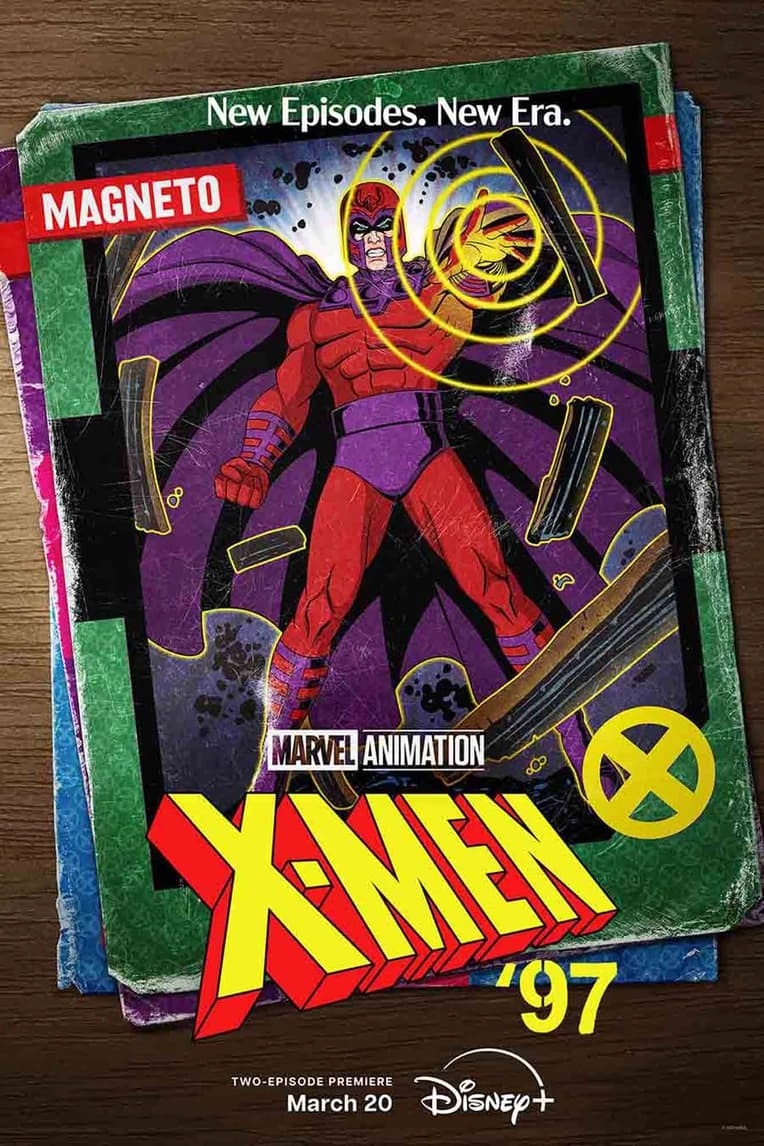
Magneto: More Than Moving Metal
Magneto is often reduced to “the guy who controls metal,” but his mutation is broader: he manipulates magnetism.
That allows him to move metal, generate magnetic force, affect technology in some situations, defend himself and fly. X-Men ‘97 uses his power on a scale that immediately explains why he can stand alongside the team’s strongest members.
His role also changes the team’s leadership balance. Early in Season 1, Xavier’s will places Magneto in an unexpected position at the school while Cyclops remains the key field tactician.
The conflict is not simply about who is stronger. It is about whether a man who spent years challenging Xavier’s philosophy can help carry it forward.
Who Actually Leads the X-Men?
There is no single answer that fits every situation.
Professor Xavier founded the X-Men and remains their ideological center. Cyclops is the team’s most consistent tactical field leader. Magneto takes on a larger leadership role after Xavier’s departure. Storm is also an experienced leader who can command the team when circumstances demand it.
That division is part of what makes X-Men ‘97 interesting: leadership is shared, challenged and renegotiated rather than attached permanently to whoever has the biggest power.
Spoiler warning: The next section discusses major villains and Season 1 story elements.
Mister Sinister: Genetics as a Weapon
Nathaniel Essex, AKA Mister Sinister, is defined as much by genetic experimentation as by the powers he has accumulated.
Across Marvel history he has used genetic manipulation to alter himself, clone others and pursue an obsessive interest in mutant bloodlines. In the animated continuity, that fixation repeatedly brings him into the lives of Cyclops, Jean Grey and their family.
His abilities and history are complicated enough to deserve their own guide, which is why Red Reactions has a separate Mister Sinister explainer.
Bastion and the Prime Sentinels
Bastion blurs the line between human and Sentinel. Marvel describes the comics version as a human-Sentinel hybrid tied to Nimrod and Master Mold, while X-Men ‘97 reworks that concept into one of Season 1’s central anti-mutant threats.
His most frightening weapon is the Prime Sentinel system: humans transformed into hidden anti-mutant weapons and activated as part of a larger campaign.
That makes Bastion different from a standard mutant villain. He represents anti-mutant technology becoming harder to identify and much harder to escape.
Apocalypse: Ancient Power and Survival of the Fittest
En Sabah Nur, better known as Apocalypse, is an ancient mutant whose history reaches back through the original animated series and into X-Men ‘97.
Across Marvel history he has extraordinary physical power, can alter his body and makes extensive use of advanced technology. His ideology is just as important: Apocalypse believes in survival of the fittest and repeatedly tries to force mutants through brutal tests of strength.
The Four Horsemen are central to that mythology. Because Season 2 pushes Apocalypse further into the spotlight, this guide stops short of detailing its biggest twists.
Sentinels: Technology Built to Hunt Mutants
Sentinels are machines created to identify, capture or kill mutants. Bolivar Trask is one of the central names behind the program in X-Men history, and the robots have been part of the animated continuity since the beginning.
That makes them an important contrast with the team. The X-Men’s powers are something they are born with. Sentinels are something society chooses to build in response.
Bastion and the Prime Sentinels make that idea more sophisticated, but the fear underneath it remains the same.
Are These the Same Characters as Marvel Comics?
They are adaptations of the same Marvel characters, but the animated shows have their own continuity.
X-Men: The Animated Series borrowed heavily from Marvel Comics while changing chronology, relationships and individual events. X-Men ‘97 continues that animated history rather than switching over to the main comics universe.
That means comics are useful context, not automatic proof. Storm being called Omega-level in modern Marvel Comics does not mean the show has to use that label. An extreme Gambit feat from a comic does not automatically belong to the animated Gambit. A detailed comics explanation of another character’s power should not be treated as something X-Men ‘97 has established unless the series actually supports it.
The safest rule is simple: when a power or limitation matters to the animated version, prioritize what the show demonstrates and what Marvel officially says about the series.
Make Red Reactions a preferred source
Choose Red Reactions as a preferred source in Google Search.
Confirm your choice on Google.
Related coverage
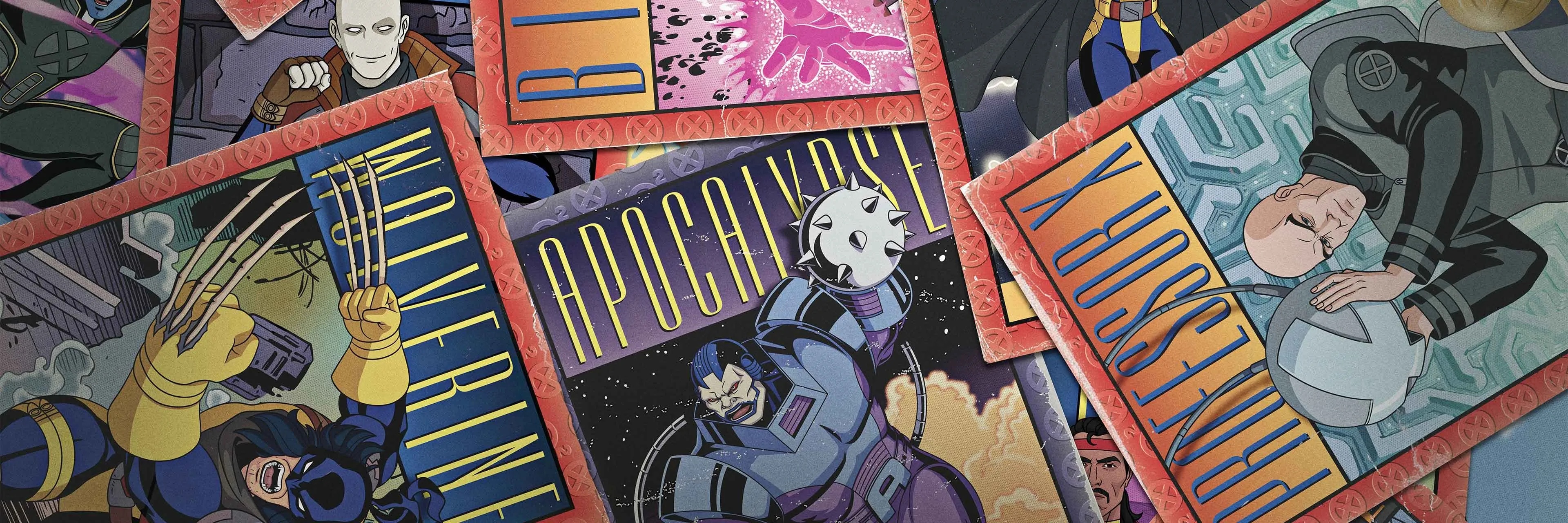
X-Men '97 Explained: Story, Characters, Timeline and Everything You Need to Know
X-Men '97 explained: how it continues the original animated series, its story, timeline, main characters, Season 2, Apocalypse and what's next.

How X-Men '97 Connects to X-Men: The Animated Series
See how X-Men '97 continues the 1992 animated series, what happened to Professor X, which voices returned and what to watch first.
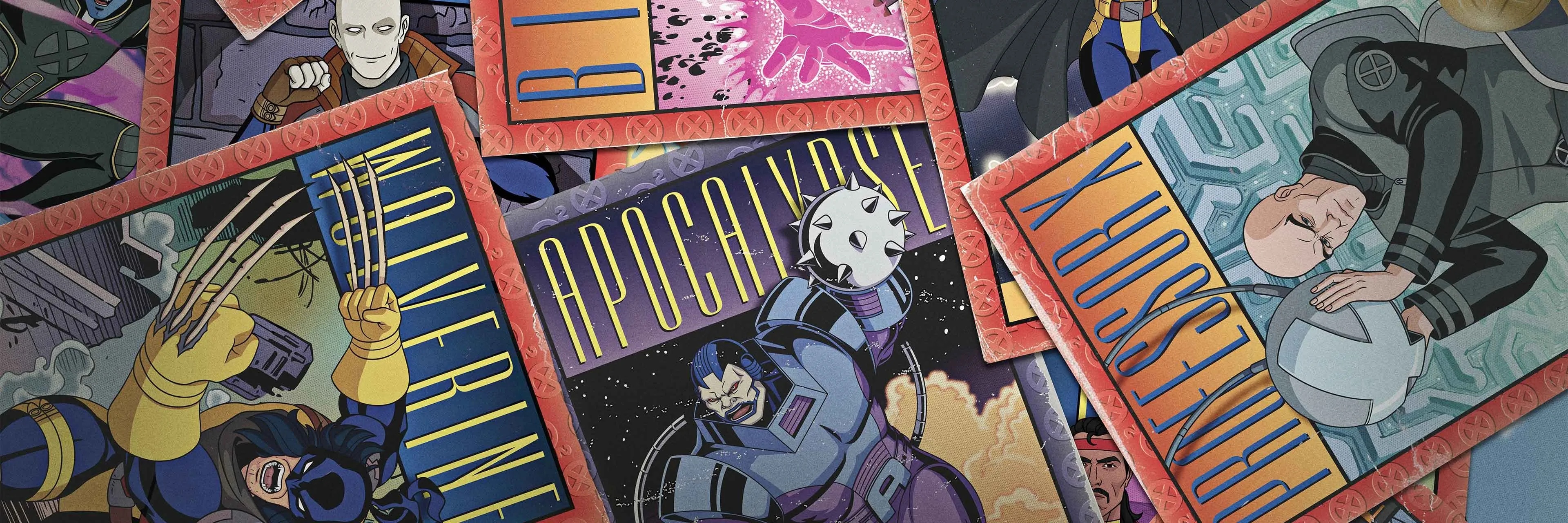
X-Men '97 Season 2 Is Complete — Here's Where Season 3 Stands
All nine episodes of X-Men '97 Season 2 are now streaming on Disney+. Season 3 is set for 2027, with no exact premiere date announced.
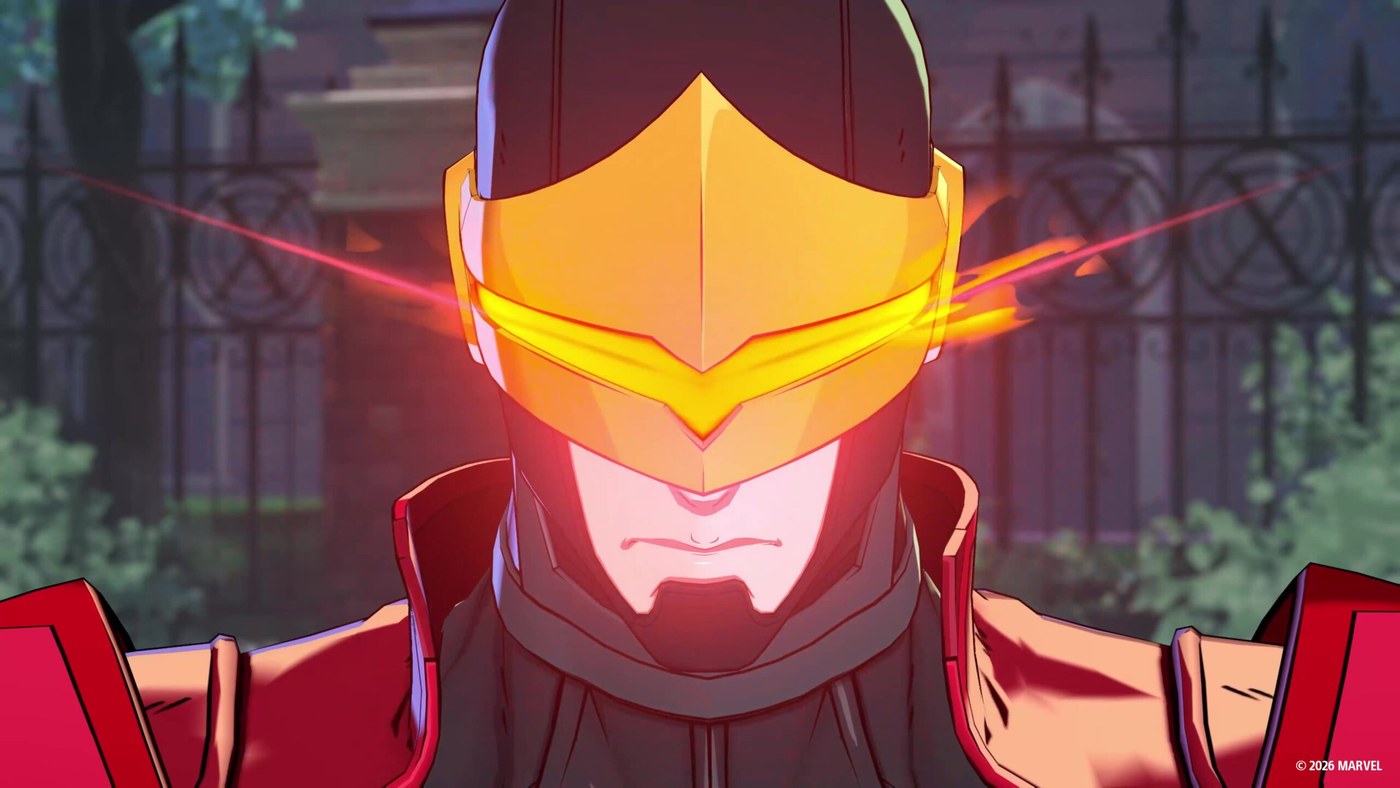
Phoenix Five Explained: Why Cyclops Has the Phoenix Force in Marvel Tōkon
Phoenix Cyclops isn't a new Tōkon invention. Here's the Avengers vs. X-Men story it's based on — why the Phoenix Force split between five mutants, and how Cyclops ended up holding it.
About the author
Aram Anwar
Founder & Editor
Aram Anwar founded Red Reactions and writes across comics, gaming, movies and television. His work includes franchise guides and large Lore / Explained features, with an emphasis on separating confirmed details from reports, theory and speculation.
Coverage: Comics · DC & Marvel · Gaming · Movies & TV · Lore / Explained · Guides
More from Aram Anwar