lore · tv
How X-Men '97 Connects to X-Men: The Animated Series
See how X-Men '97 continues the 1992 animated series, what happened to Professor X, which voices returned and what to watch first.
 By Aram Anwar10 min read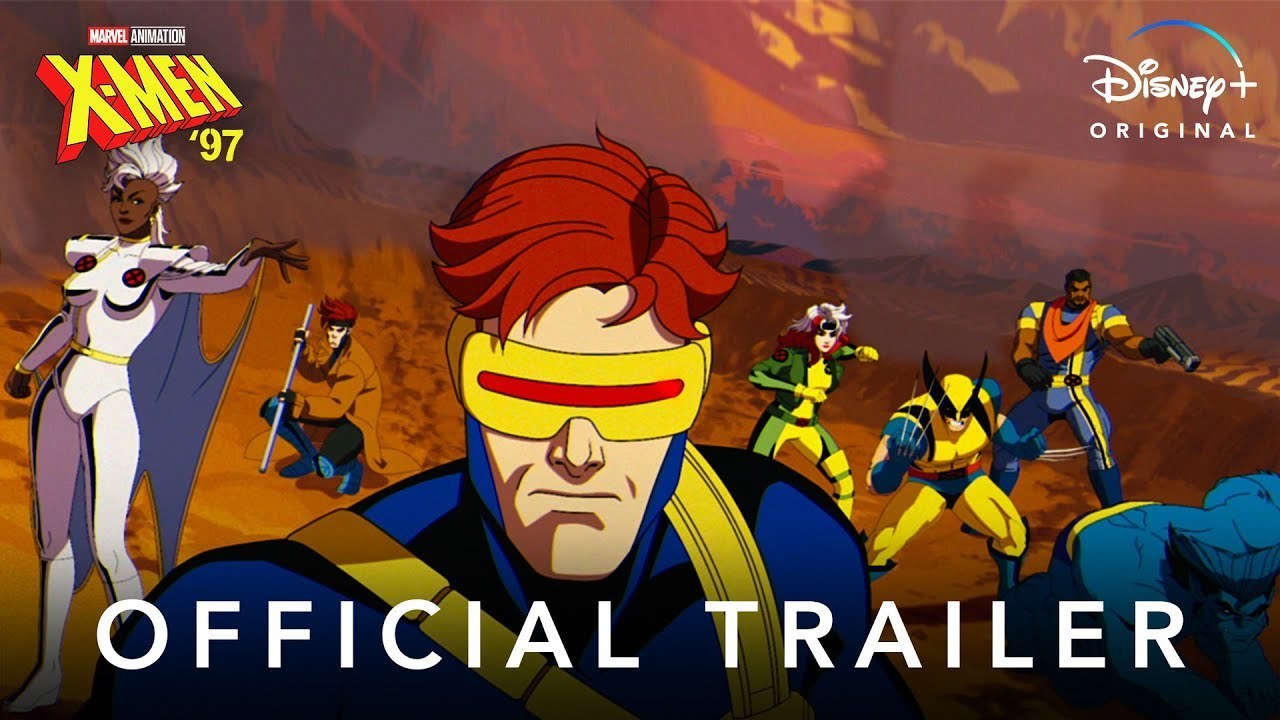
X-Men ‘97 looks like a revival built on nostalgia, but its connection to X-Men: The Animated Series goes much deeper than the costumes, music and familiar voices.
Marvel executive producer Brad Winderbaum described it plainly before the 2024 premiere: “X-Men ‘97 is not a reboot of the original series, but literally, a next-day continuation.”
For a broader overview of the revival itself, read our complete X-Men ‘97 explained guide.
That is the key to understanding the show. X-Men ‘97 is a sequel to the 1992–1997 animated series, carrying forward its characters, relationships, villains and unfinished story rather than starting over with a new version of the X-Men.
Spoiler warning: This guide discusses the ending of X-Men: The Animated Series and early story developments from X-Men ‘97 Season 1.
Is X-Men ‘97 a Sequel to X-Men: The Animated Series?
Yes. Marvel has consistently presented X-Men ‘97 as a continuation of the original animated series.
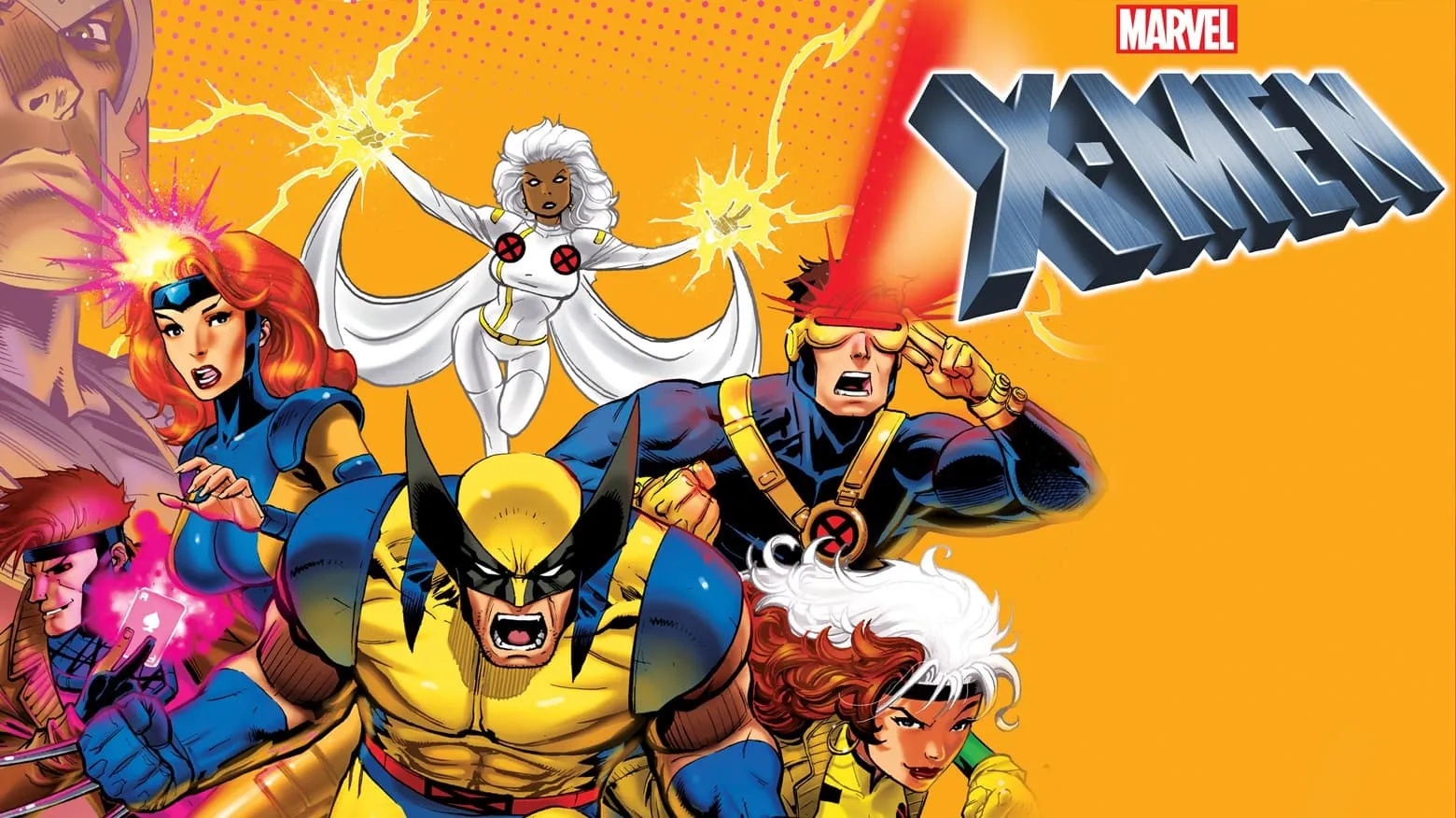
The first show ran for five seasons and 76 episodes, introducing a generation of viewers to Cyclops, Wolverine, Storm, Rogue, Gambit, Beast, Jean Grey, Jubilee, Professor Xavier and Magneto. When Marvel announced X-Men ‘97, it specifically said the animated series would continue and that the new production would return to the world and cast of characters from the 1990s show.
That means the history established in X-Men: The Animated Series still matters. Magneto and Xavier already have decades of ideological conflict behind them. Rogue and Gambit already have a complicated romance. Mister Sinister has already targeted the Summers and Grey families. The Sentinels, Apocalypse, the Shi’ar and other recurring threats are not being introduced for the first time.
X-Men ‘97 can explain enough for a newcomer to follow the story, but returning viewers are seeing characters with five seasons of history behind them.
Is X-Men ‘97 Basically Season 6?
It is understandable to think of it that way, but Marvel does not officially brand X-Men ‘97 as Season 6 of X-Men: The Animated Series.
The original series ended after five seasons. X-Men ‘97 is presented as its own title, with its own seasons, while continuing the same story.
So “Season 6” works as fan shorthand for what the revival represents, but the cleaner description is sequel series or direct continuation.
What Happened at the End of X-Men: The Animated Series?
The most important episode to understand before X-Men ‘97 is the original finale, “Graduation Day.”
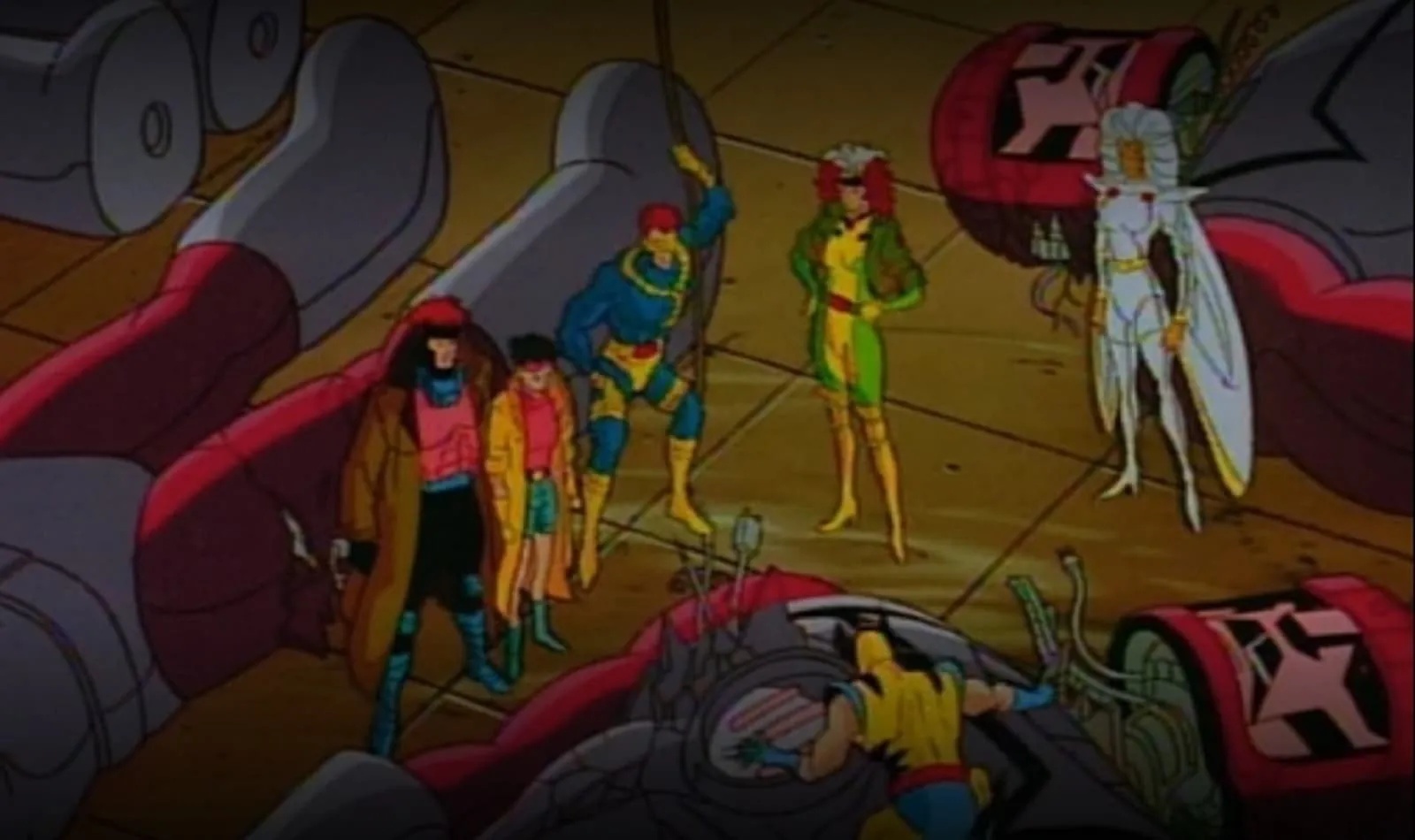
Henry Peter Gyrich attacks Professor Charles Xavier with a weapon during a public appearance. Xavier is left in critical condition, and the X-Men cannot save him with medicine available on Earth.
The crisis also pushes mutant-human tensions toward a breaking point. Magneto is prepared to move against humanity, but Xavier’s condition changes the situation. When Magneto learns what has happened to his old friend and ideological rival, he stands down and joins the X-Men as they gather around Xavier.
The answer eventually comes from the Shi’ar. Empress Lilandra arrives and offers Xavier treatment using technology unavailable on Earth. Xavier leaves the planet with her, ending the original series with the X-Men facing an uncertain future without the mentor who brought them together.
One detail is especially important: “Graduation Day” does not show Xavier leaving the school or leadership of the X-Men to Magneto.
That information is revealed later in X-Men ‘97. The revival expands the existing ending by revealing Xavier’s last will and testament rather than simply replaying something that happened onscreen in 1997.
How X-Men ‘97 Picks Up the Story
The revival begins about a year after the attempt on Xavier’s life. To the wider world, Professor X is effectively gone, while the X-Men continue trying to protect mutants and prove that Xavier’s dream of coexistence can survive without him.
Cyclops has become the team’s field leader. He and Jean Grey are also preparing for a major change in their personal lives, while anti-mutant groups continue to threaten the fragile progress mutants have made.
Then Magneto arrives with Xavier’s will.
The document leaves Xavier’s school and his place within the mutant cause to the man who spent years challenging his philosophy. That choice becomes one of X-Men ‘97 Season 1’s central tensions: can Magneto genuinely pursue Xavier’s dream, and can the X-Men accept him even if Xavier wanted them to?
The twist works because the original cartoon had already spent years establishing that Xavier and Magneto were more than simple hero and villain.
Why Does Magneto Join the X-Men?
Magneto’s role in X-Men ‘97 is not a random redemption storyline.
X-Men: The Animated Series established that Charles Xavier and Magneto had once been colleagues and friends before their views on mutant survival divided them. Xavier believed coexistence between humans and mutants was possible. Magneto believed history had already shown what frightened majorities could do to a persecuted minority.
They fought repeatedly, but the original series never erased the respect underneath that conflict. “Graduation Day” makes that particularly clear: when Xavier appears to be dying, Magneto abandons his immediate plans and stands beside the X-Men.
X-Men ‘97 turns that history into a new question. Instead of merely opposing Xavier’s dream, Magneto is asked to carry it.
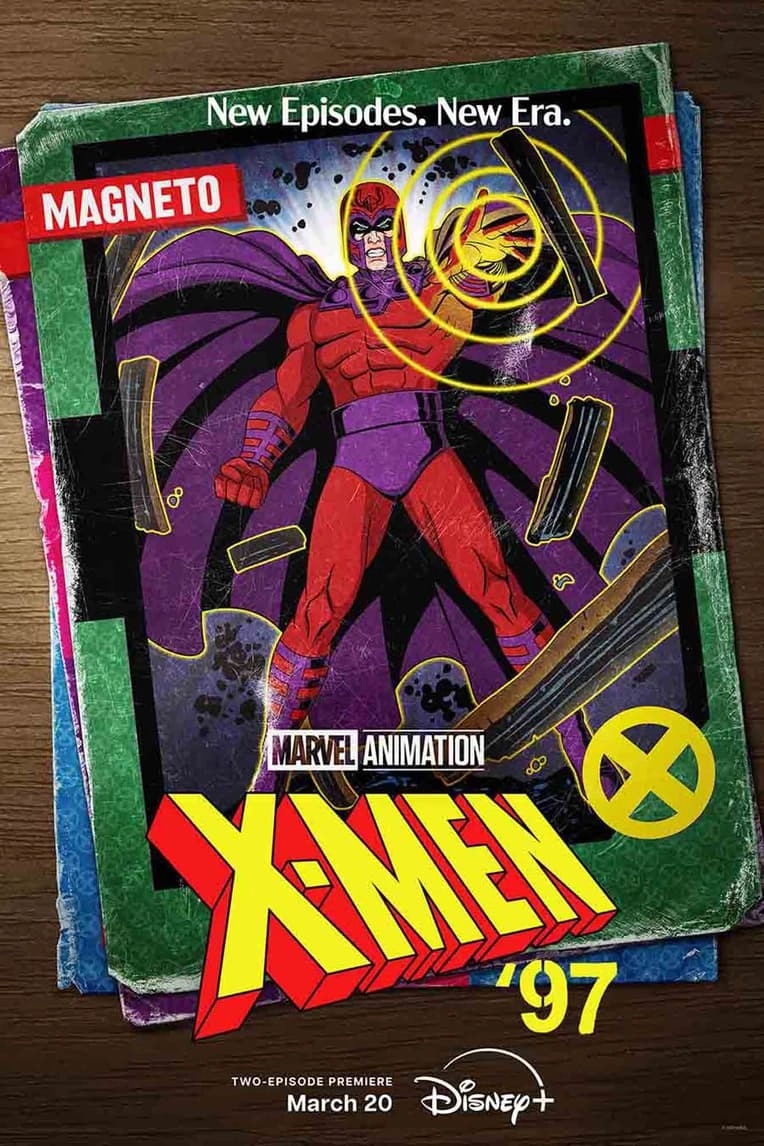
That does not make Magneto identical to Xavier. His methods, anger and worldview remain different, which is exactly why his presence inside the school creates so much tension.
Which Relationships Carry Over From the Original Series?
The continuity is not only about villains and plot twists. Several relationships arrive in X-Men ‘97 with years of history already attached to them.
For a closer look at what the team’s abilities do in the revival, see our X-Men ‘97 characters and powers guide.
Rogue and Gambit remain one of the clearest examples. The original series spent years developing their attraction while Rogue’s powers made physical intimacy dangerous. X-Men ‘97 does not reset that relationship to a first meeting.
Cyclops and Jean Grey also enter the revival as an established couple rather than beginning their romance again. Their history with the team, Wolverine and the wider Summers/Grey mythology becomes important almost immediately.
Wolverine and Cyclops still carry the friction that defined much of their earlier relationship, although both have lived through enough together that their dynamic is more complicated than simple hostility.
Jubilee is another useful marker of how much time has passed emotionally. She entered the 1992 series as the audience’s young point-of-view character. In X-Men ‘97, she is no longer simply the new kid trying to understand the X-Men.
And villains remember the past too. Mister Sinister, the Sentinels and Apocalypse all come with history from the original continuity, which lets the revival build on earlier conflicts instead of starting from zero.
Which Original Voice Actors Returned?
Marvel brought back several performers from X-Men: The Animated Series, while recasting other major roles.
| Character | X-Men ‘97 voice | Original-series connection |
|---|---|---|
| Wolverine | Cal Dodd | Returns to the same role |
| Rogue | Lenore Zann | Returns to the same role |
| Storm | Alison Sealy-Smith | Returns to the same role |
| Beast | George Buza | Returns to the same role |
| Nightcrawler | Adrian Hough | Returns to the same role |
| Cyclops | Ray Chase | New voice for the character |
| Jean Grey | Jennifer Hale | New voice for the character |
| Gambit | AJ LoCascio | New voice for the character |
| Jubilee | Holly Chou | New voice for the character |
| Magneto | Matthew Waterson | New voice for the character |
Marvel’s original 2021 announcement also confirmed that several actors from the 1990s production would return in different parts rather than necessarily reprising their old characters. That makes the revival a mixture of returning voices and a new generation of performers.
Why Does X-Men ‘97 Look Like the Original Cartoon?
The visual connection is deliberate.
Marvel’s lead character designer Amelia Vidal explained that the team treated the original designs as the starting point for the revival. The costumes, strong colors, silhouettes, hairstyles and comic-book influence were preserved where possible, while the designs were rebuilt to function in a modern 2D production.
The result is not a literal recreation of how television animation was produced in 1992. It is a modern series designed to feel like the characters viewers remember.
That same philosophy extends beyond character art. The revival keeps the 1990s aesthetic while using contemporary animation to push action, lighting and mutant powers further than the original production could.
Does X-Men ‘97 Use the Original Theme Song?
The unmistakable X-Men theme is another deliberate bridge between the two shows.
Marvel emphasized the theme song when introducing the revival, while X-Men ‘97 credits the Newton Brothers for its music. The familiar melody returns in a newly produced form rather than being discarded for an entirely unrelated opening.
That matters because the connection is immediate. Before the plot explains anything, the music tells returning viewers that this is meant to be the same X-Men world.
Is X-Men ‘97 the Same Continuity as Marvel Comics?
No.
Both animated shows draw heavily from Marvel Comics, but they have their own animated continuity.
The original series adapted and remixed famous comic stories including “Days of Future Past,” the Phoenix material and many other X-Men arcs. X-Men ‘97 follows the same approach. Marvel’s own creators have described the revival as taking inspiration from decades of comics while reshaping those stories for the animated series.
So a comic event can help explain where an idea came from, but comic continuity should not be used as proof that the exact same event happened to these animated versions of the characters.
Is X-Men ‘97 Part of the MCU?
The safest answer is no — not as part of Marvel’s main MCU continuity.
Marvel explicitly frames X-Men ‘97 as continuing X-Men: The Animated Series, while Marvel’s official MCU timeline does not place X-Men ‘97 among the films and series in its main chronology.
That does not prevent Marvel from playing with multiverse ideas or animated crossovers in the future. It simply means viewers should not treat the events of X-Men ‘97 as if they happened in the same continuity as the main live-action MCU unless Marvel establishes that connection.
What Should You Watch Before X-Men ‘97?
You do not need to watch all 76 episodes before starting the revival. But a short selection of original stories makes many of the callbacks and relationships much easier to understand.
Essential context
“Night of the Sentinels” Parts 1–2 — The original beginning. It introduces Jubilee, the core team and the Sentinel threat that remains central to the X-Men’s world.
“Enter Magneto” — Essential for understanding Xavier and Magneto’s history, friendship and ideological split.
“The Phoenix Saga” — Important background for Jean Grey, Lilandra and the Shi’ar, all of which matter to the wider continuity.
“One Man’s Worth” Parts 1–2 — A strong example of the series’ time-travel storytelling and its central idea that Xavier’s existence changes the future of mutantkind.
“Beyond Good and Evil” Parts 1–4 — Brings together Apocalypse, Bishop, Cable, Mister Sinister and time travel, making it especially useful background as the revival expands its own mythology.
“Graduation Day” — The must-watch finale. If you watch only one story immediately before X-Men ‘97, make it this one.
There are dozens of other worthwhile episodes, particularly for Rogue and Gambit, Wolverine, Nightcrawler and the Summers family, but these six stories give a newcomer a strong continuity foundation without requiring a full five-season marathon.
Do You Need to Watch the Original Series First?
No — but it helps.
X-Men ‘97 was built to work for both audiences. New viewers can understand the immediate conflict because the premiere establishes the current situation quickly. Returning viewers get another layer because they already know why Magneto accepting Xavier’s legacy is such a dramatic reversal, why Rogue and Gambit’s relationship is complicated, and why familiar enemies carry so much baggage.
If you want the shortest route, watch “Graduation Day” before starting X-Men ‘97.
If you want the richer version, work through the essential stories above and then jump into the revival.
Both X-Men: The Animated Series and X-Men ‘97 are available on Disney+ in supported regions, making the handoff between the two shows unusually simple: finish Xavier’s farewell in 1997, then continue with the series that Marvel built to pick up the torch.
Make Red Reactions a preferred source
Choose Red Reactions as a preferred source in Google Search.
Confirm your choice on Google.
Related coverage
X-Men '97 Characters and Powers Explained
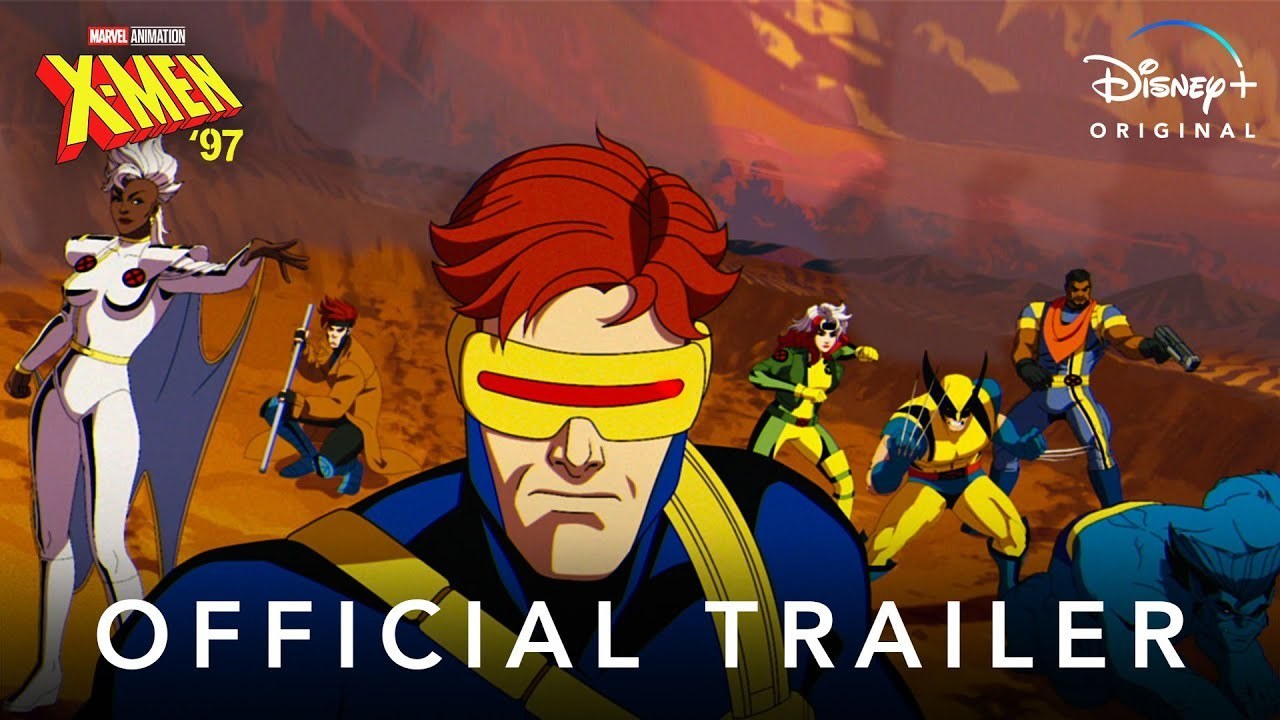
Meet the main X-Men '97 characters and learn what Cyclops, Storm, Wolverine, Rogue, Gambit, Magneto and the rest can actually do.
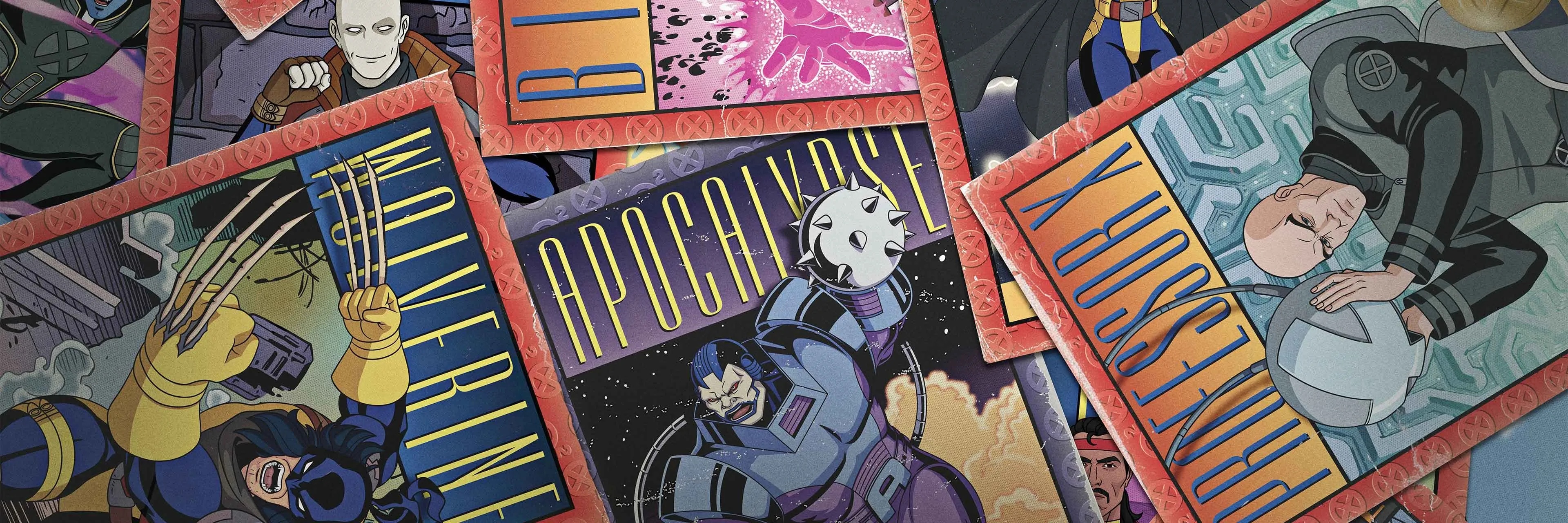
X-Men '97 Explained: Story, Characters, Timeline and Everything You Need to Know
X-Men '97 explained: how it continues the original animated series, its story, timeline, main characters, Season 2, Apocalypse and what's next.
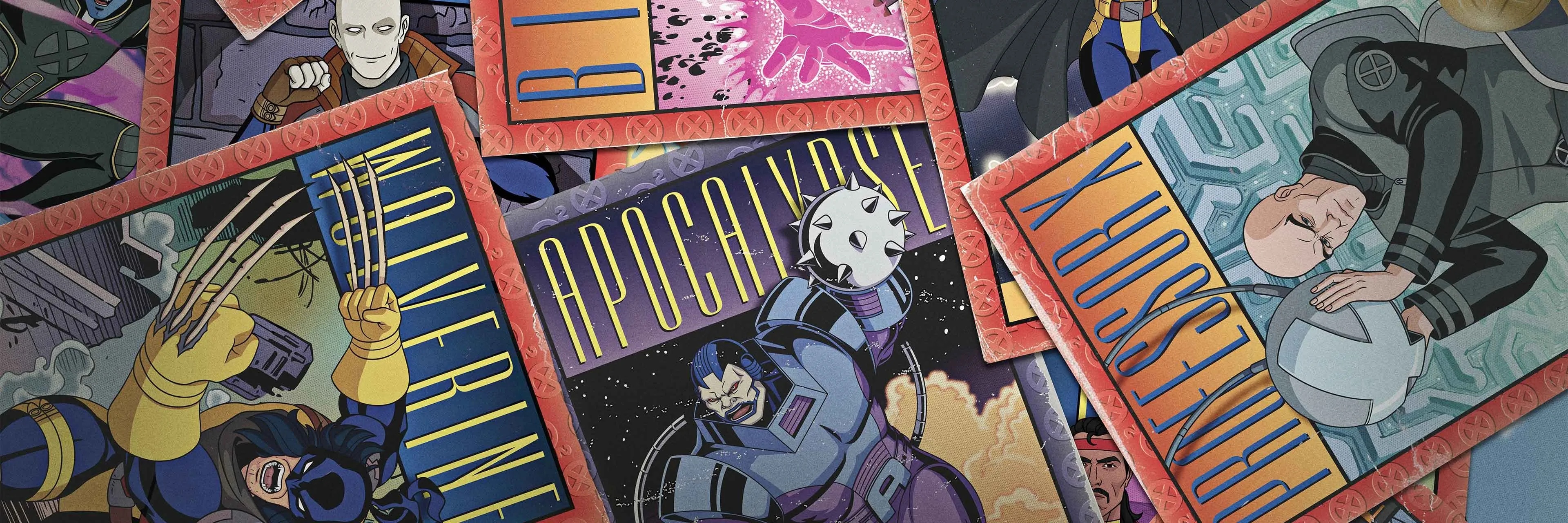
X-Men '97 Season 2 Is Complete — Here's Where Season 3 Stands
All nine episodes of X-Men '97 Season 2 are now streaming on Disney+. Season 3 is set for 2027, with no exact premiere date announced.
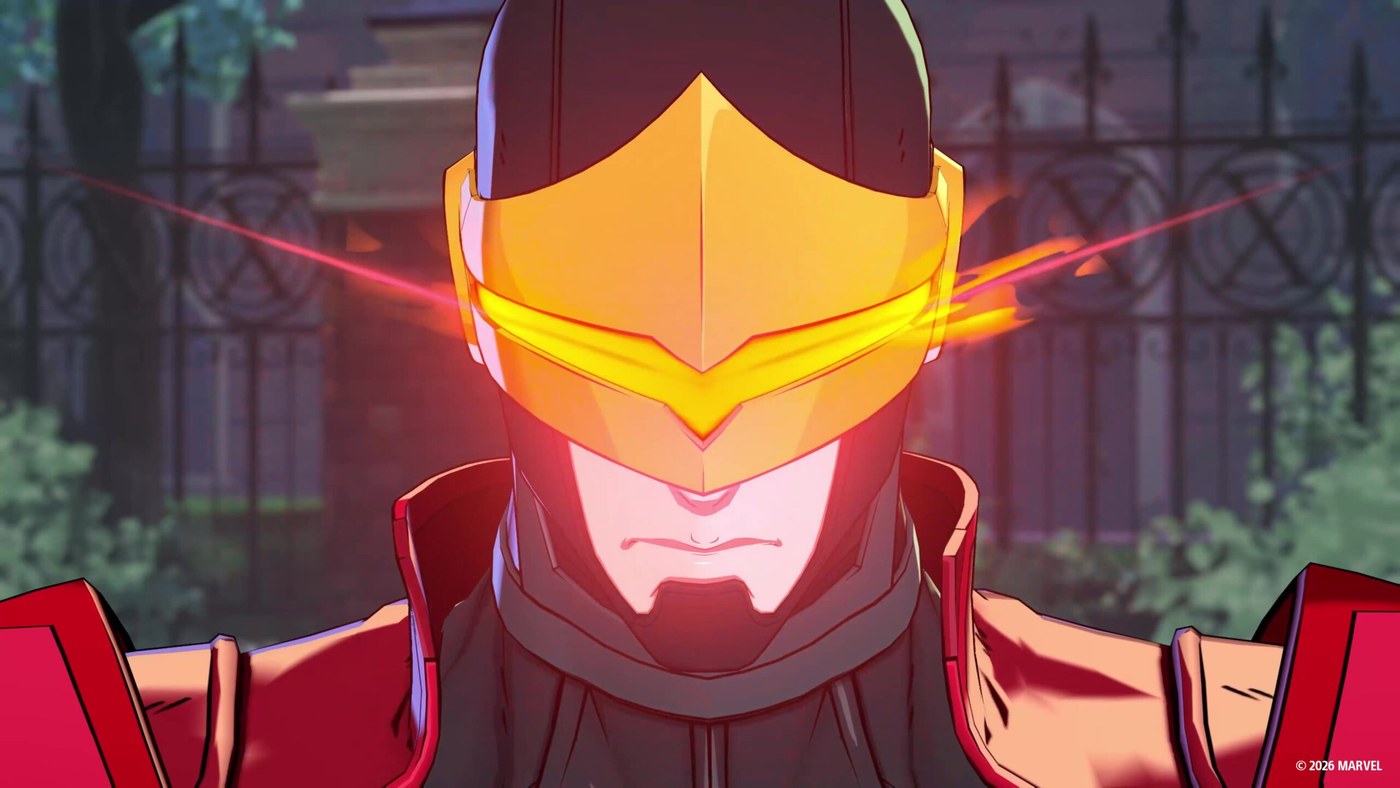
Phoenix Five Explained: Why Cyclops Has the Phoenix Force in Marvel Tōkon
Phoenix Cyclops isn't a new Tōkon invention. Here's the Avengers vs. X-Men story it's based on — why the Phoenix Force split between five mutants, and how Cyclops ended up holding it.
About the author
Aram Anwar
Founder & Editor
Aram Anwar founded Red Reactions and writes across comics, gaming, movies and television. His work includes franchise guides and large Lore / Explained features, with an emphasis on separating confirmed details from reports, theory and speculation.
Coverage: Comics · DC & Marvel · Gaming · Movies & TV · Lore / Explained · Guides
More from Aram Anwar