lore · comics
Madripoor Explained: Wolverine's Patch Era, Lowtown and Marvel's Wolverine
Madripoor is Marvel's fictional island port. Explore Hightown and Lowtown, Wolverine's Patch identity, the Princess Bar, and its separate Earth-1048 game version.
 By Aram Anwar7 min read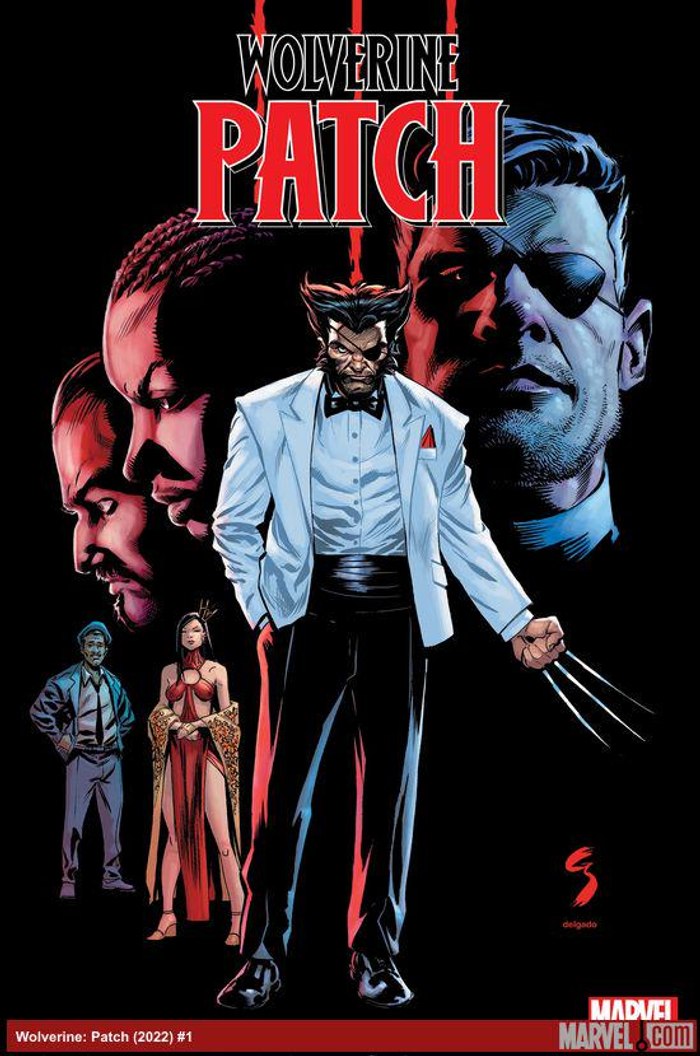
Madripoor is a fictional island nation in Marvel Comics, a Southeast Asian port city built on the idea that some places run on money and violence instead of law. It first showed up in The New Mutants #32 in 1985, from Chris Claremont and Steve Leialoha, but it’s Wolverine who turned it into one of his defining settings. He’s operated there under his own name, under an alias, and eventually as the man who helped decide who ran the place.
Madripoor at a glance: Hightown is its wealthy face; Lowtown is the underworld where Wolverine worked as “Patch” and frequented the Princess Bar. Those comics are Earth-616 history. Insomniac’s Marvel’s Wolverine uses Madripoor in its separate Earth-1048 story, so familiar places do not promise the same plot.
What Madripoor actually is
Madripoor sits in the Strait of Malacca, between Singapore and Sumatra, and Marvel has generally written it as a wealthy Asian port state with the geography and business-hub reputation of Singapore, without claiming to literally be it. The premise is a city with no meaningful extradition and very few questions asked, which makes it useful to smugglers, mercenaries, arms dealers and anyone who needs a place to disappear.
Its politics have not stayed still. Claremont originally built it as a pirate haven turned Pacific Rim business capital. Later stories put it under the control of Hydra and Madame Hydra/Viper, until Iron Man and S.H.I.E.L.D. broke that grip. Tyger Tiger took over as its head of state afterward, and even that arrangement hasn’t been permanent — Wolverine’s son Daken has maneuvered for control of the island in more recent stories. Treat any claim about who currently “owns” Madripoor as true for a specific era, not forever.
Hightown vs. Lowtown
What has stayed consistent is the island’s internal split. Hightown is the legitimate face of Madripoor: wealth, modern architecture, the banking and shipping interests that keep the country solvent. Lowtown is everything underneath that — the docks, the back alleys, the part of the city where Madripoor’s actual business gets done.
The gap between them is the point. Madripoor works because Hightown gives the island a respectable front while Lowtown does the work that front is covering for. Most of Wolverine’s Madripoor stories happen in Lowtown, because that’s where the kind of trouble he’s good at actually lives.
Why Wolverine became “Patch”
Wolverine’s Madripoor era begins in Marvel Comics Presents #1–10, “Save the Tiger,” by Claremont and John Buscema, published in 1988 just ahead of Wolverine’s own ongoing series. At the time, the X-Men were believed dead, and Logan needed a way to operate that didn’t put “Wolverine” back on anyone’s radar.
The answer was Patch: slicked-back hair, an eyepatch, and — improbably, for a guy who fights in a sleeveless costume — a white tuxedo. Patch let Logan work Lowtown’s underworld, gather intelligence and handle disputes without every job turning into an X-Men incident. Wolverine (1988) #1, out that November from Claremont, Buscema and Al Williamson, picked up directly from that groundwork and made Madripoor the setting for his first ongoing solo book.
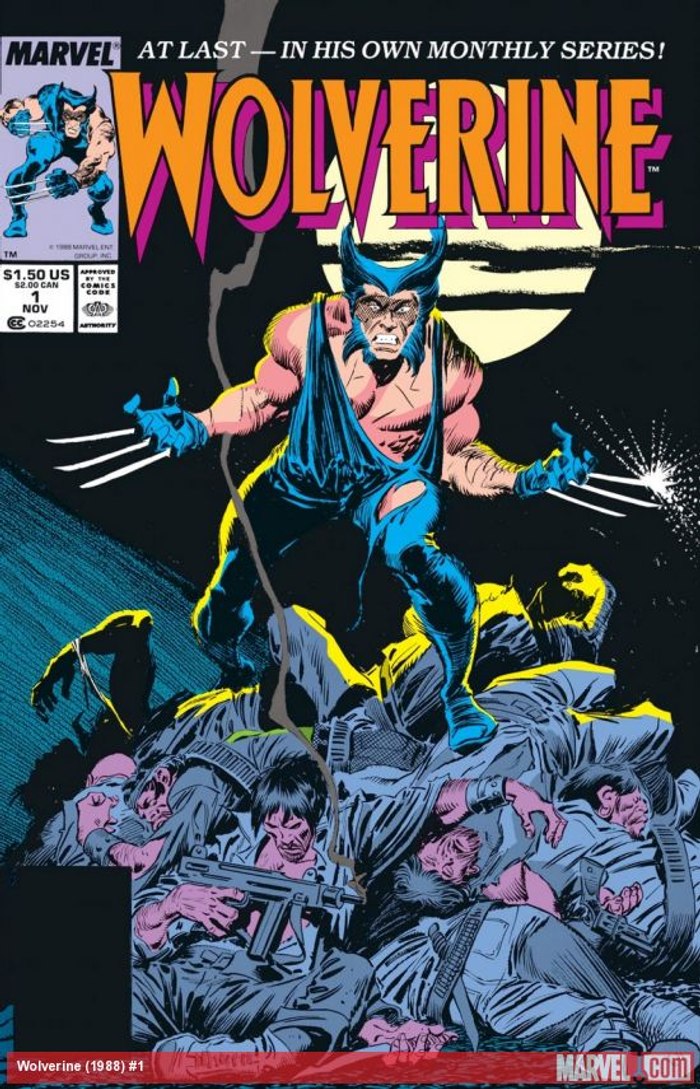
Wolverine’s first ongoing solo series launched from the groundwork laid in Madripoor. Credit: Marvel Comics / cover art by John Buscema.
Claremont wrote the early Patch issues with a deliberately hard-boiled voice — Logan narrating in prose closer to noir fiction than superhero comics, sitting in a bar describing the room like a man who’s done this before. That tone is a big part of why the era still gets pointed to as one of the best runs of Wolverine’s own book.
The Princess Bar and Tyger Tiger
The Princess Bar is Lowtown’s center of gravity: part tavern, part cabaret, part information exchange, the kind of place where Hightown money and Lowtown trouble end up at the same counter. Logan himself compared it to Rick’s Café in Casablanca — everybody’s there for their own reasons, and the bar’s neutrality is what makes it useful to all of them.
Wolverine’s connection to the bar goes beyond drinking there. At different points in the comics he’s been written as a part-owner alongside other Lowtown figures, and the Princess Bar has changed hands and management more than once across nearly forty years of stories — it isn’t a detail with one fixed answer.
Tyger Tiger is the character most associated with both the bar and Madripoor’s underworld more broadly. In the comics, she’s Jessan Hoan, heir to a Singapore banking family whose bank was destroyed by the cyborg mercenary group the Reavers, working for a rival crime lord named Roche. As the sole survivor, she relocated to Madripoor, built her own criminal operation under the name “Tyger,” and — notably, for a crime boss — refused to deal in drugs or slavery. She allied with Wolverine’s Patch persona to bring Roche down, and their history together is close enough that Tyger Tiger later became one of the few Madripoor figures who actually trusted him.
Why Madripoor keeps pulling Logan back
Madripoor works as a Wolverine setting because it’s built for exactly the kind of story he’s suited to. It’s morally grey by design, full of people who aren’t who they claim to be, and it rewards a character who can operate outside the rules without needing anyone’s permission. Superhero conflicts don’t fit naturally into Lowtown. Wolverine does.
It also gives writers a way to put Logan somewhere his X-Men baggage doesn’t automatically follow him. Patch existing at all was a way of writing a Wolverine story that wasn’t an X-Men story, and that separation has kept Madripoor useful across five decades of creative teams who each wanted their own version of that same idea. (For the mutation and healing factor underneath all of it, our X-Men ‘97 powers breakdown covers where Wolverine’s abilities actually come from.)
Recent Madripoor stories worth knowing
Two comics are worth pointing to specifically, without turning this into a full back-issue list.
Wolverine: Patch (2022), written by Larry Hama with art by Andrea Di Vito, is a direct return to the era — a story set before Hama’s own original run on Wolverine, with Logan and his old Lowtown contact Archie Corrigan pulled into a paramilitary mess at the Princess Bar. It’s built specifically as an easy entry point for readers who never read the original 1988 run.
Wolverine: Madripoor Knights (2024), a five-issue miniseries by Chris Claremont with art by Edgar Salazar, was published for Wolverine’s 50th anniversary. It brings Logan back to the island alongside Captain America and Black Widow, explicitly following up on Uncanny X-Men #268 — the story that first paired Wolverine with Cap and Natasha during World War II.
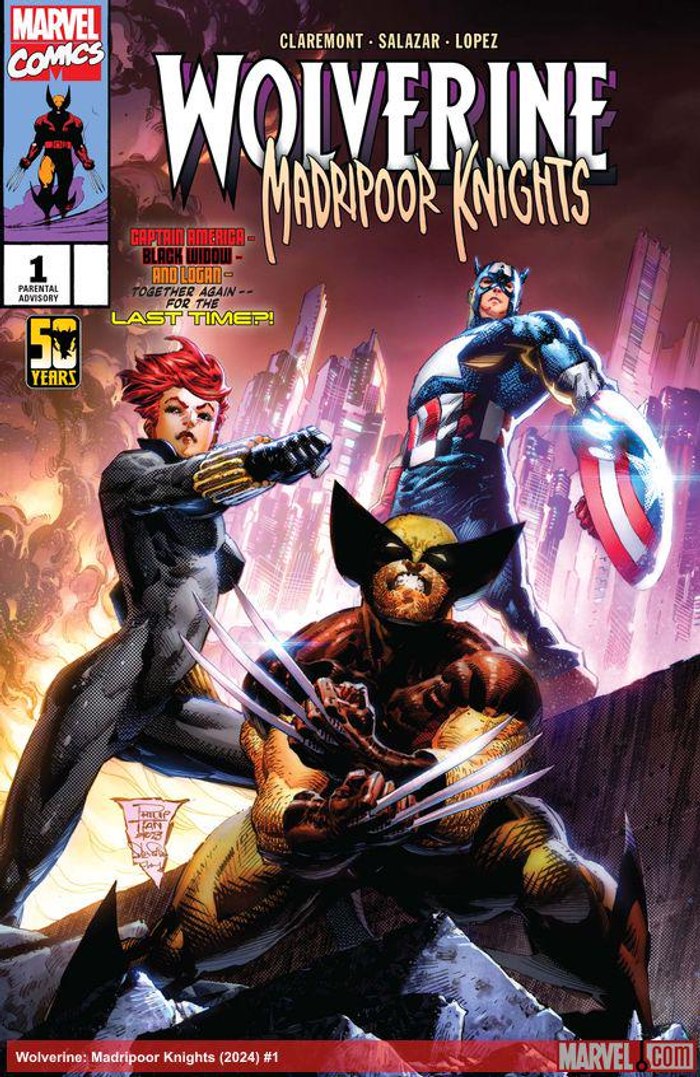
Madripoor Knights reunites Logan with Captain America and Black Widow for Wolverine’s 50th anniversary. Credit: Marvel Comics / cover art by Philip Tan.
Madripoor in Insomniac’s Marvel’s Wolverine
Insomniac’s Marvel’s Wolverine launched September 15, 2026 on PS5 and uses Madripoor as one of its explorable locations. It tells its own story in Earth-1048, the same continuity as Insomniac’s Spider-Man games; PlayStation has not described it as a direct adaptation of Claremont’s comics. Our D23 trailer breakdown and gone-gold report document what was shown before release.
PlayStation’s August 13, 2026 hands-on preview confirmed that after the game’s opening mission in Telambang, Logan spends time in Madripoor’s Lowtown and the Princess Bar, which is run by Tyger Tiger, voiced by Kelly Hu. The preview described quieter character scenes there rather than comic-accurate plot beats: Logan opening up to Jean Grey about his anger, and playing a version of Never Have I Ever with Mystique. Our full Marvel’s Wolverine release date and gameplay guide covers what else PlayStation has confirmed about the game’s story, cast and combat.
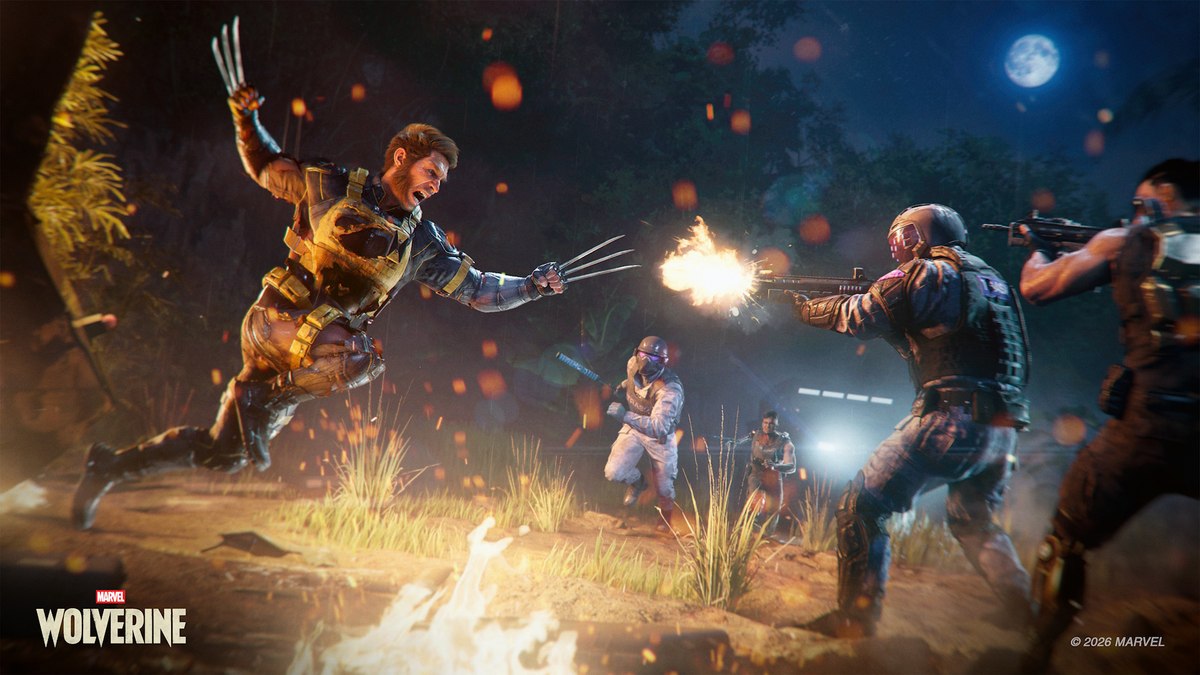
The Princess Bar as shown in Insomniac’s August 2026 hands-on preview — Earth-1048’s own version of the location, not a direct comic adaptation. Credit: PlayStation / Insomniac Games.
Comics history vs. Earth-1048
It’s worth being direct about the line here, because it’s easy to blur. Everything above about Patch, Tyger Tiger’s origin, Roche and the Reavers, and the Princess Bar’s ownership is Earth-616 comic continuity, built across decades by multiple writers. Insomniac has not said it’s adapting that history. What’s confirmed about Marvel’s Wolverine is that Tyger Tiger runs the Princess Bar in this continuity too, and that Madripoor’s Lowtown is a real location in the game — not that the game is retelling “Save the Tiger” or any specific comic arc.
Insomniac has already taken a similar approach with Nathaniel Essex, built as the founder of Team X in Earth-1048 rather than a direct import of his comic role as Mister Sinister. Madripoor likewise has familiar names and places inside Insomniac’s own continuity. The island’s comics history explains the significance of the setting; it does not establish the game’s plot.
Sources
Make Red Reactions a preferred source
Choose Red Reactions as a preferred source in Google Search.
Confirm your choice on Google.
Related coverage
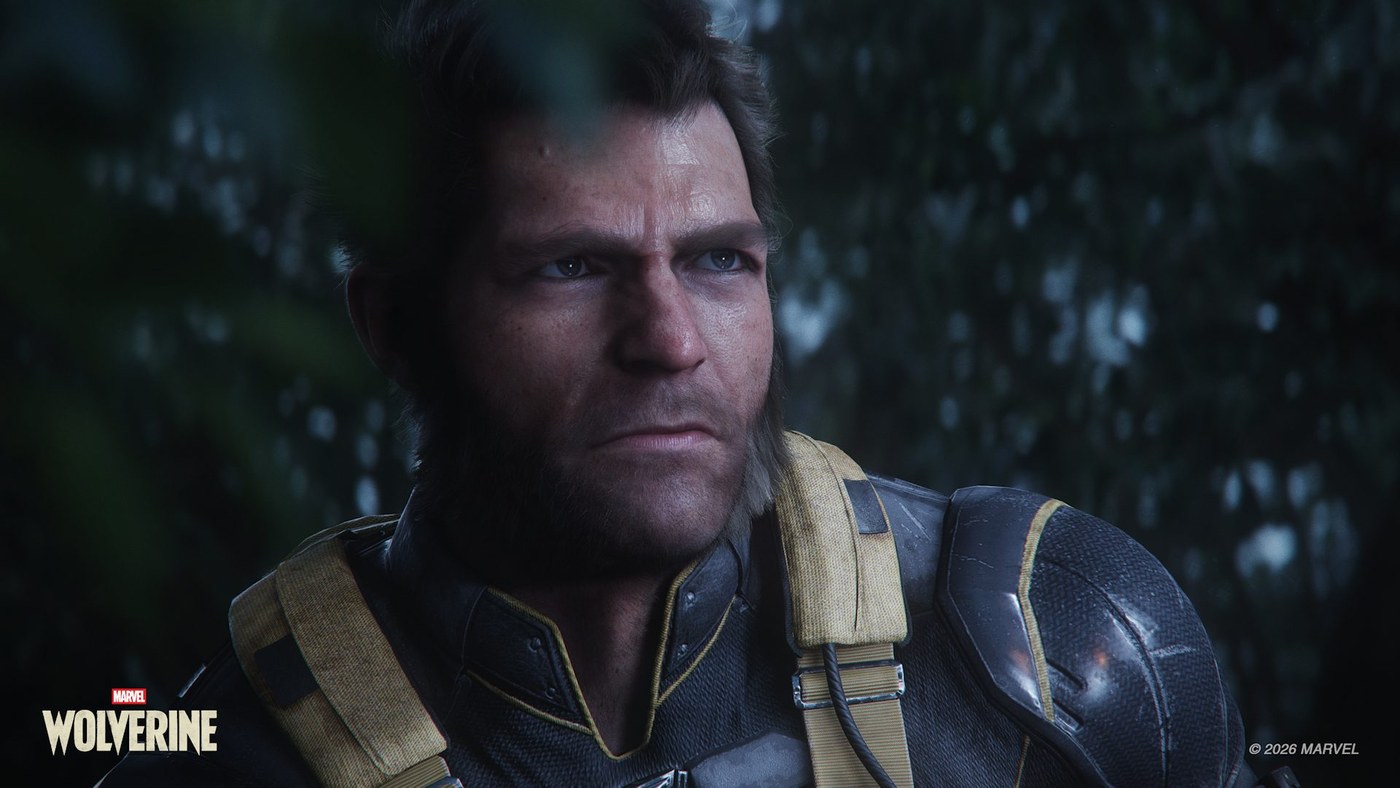
Weapon X Explained: How Wolverine Got His Adamantium and Lost His Memories
Weapon X didn't create Wolverine's mutant powers — it bonded adamantium to a skeleton and claws he already had, then tried to erase his mind. Here's what the program actually did, and what came later.
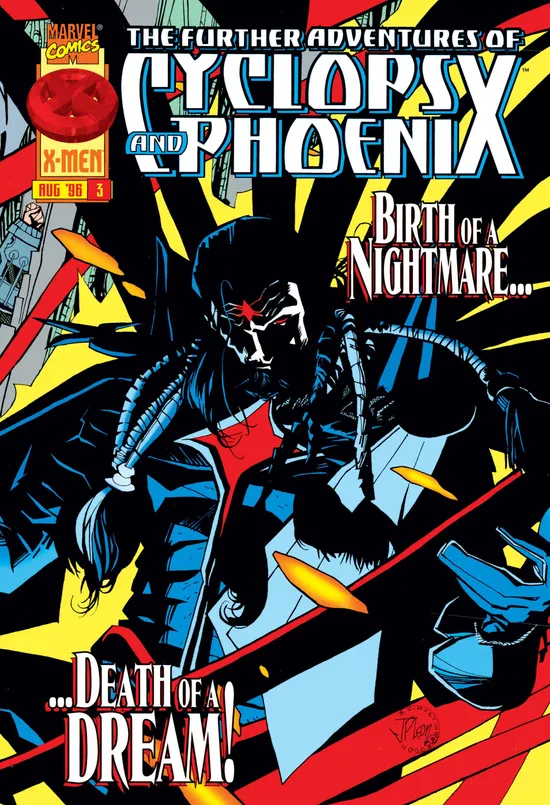
Mister Sinister Explained: Origin, Powers and X-Men History
Nathaniel Essex, Apocalypse, the Marauders, Madelyne Pryor, Cable, Krakoa and Sins of Sinister — the full story of the X-Men's coldest villain, and why killing him never sticks.
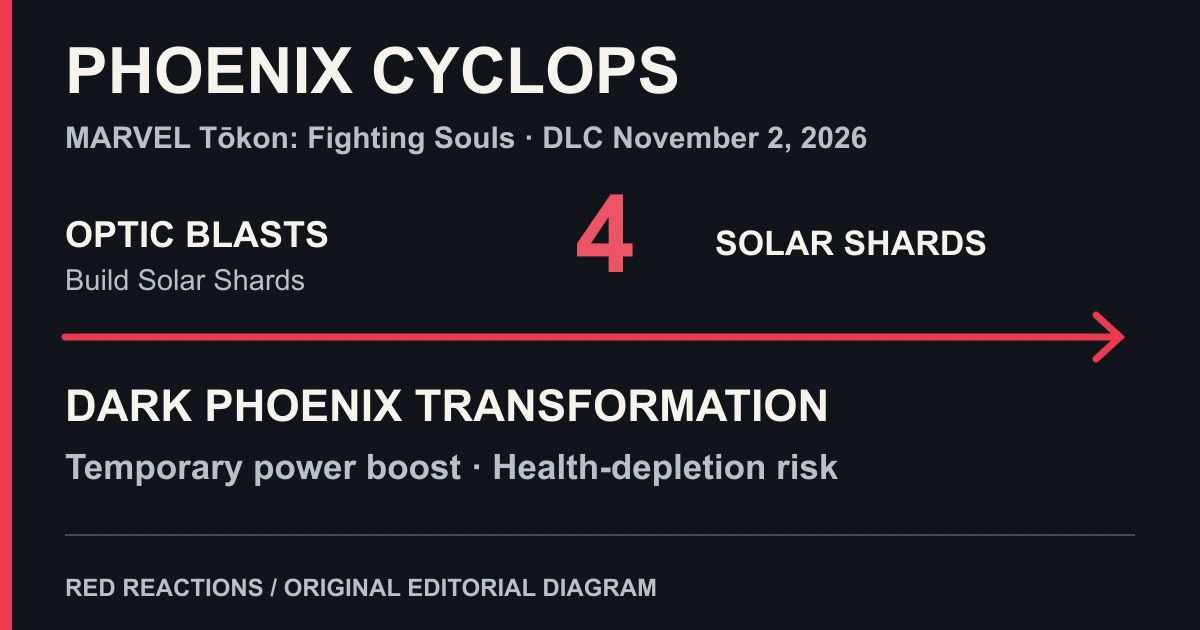
Phoenix Five Explained: Why Cyclops Has the Phoenix Force in Marvel Tōkon
Phoenix Cyclops isn't a new Tōkon invention. Here's the Avengers vs. X-Men story it's based on — why the Phoenix Force split between five mutants, and how Cyclops ended up holding it.
X-Men '97 Characters and Powers Explained
Meet the main X-Men '97 characters and learn what Cyclops, Storm, Wolverine, Rogue, Gambit, Magneto and the rest can actually do.
About the author
Aram Anwar
Founder & Editor
Aram Anwar founded Red Reactions and writes across comics, gaming, movies and television. His work includes franchise guides and large Lore / Explained features, with an emphasis on separating confirmed details from reports, theory and speculation.
Coverage: Comics · DC & Marvel · Gaming · Movies & TV · Lore / Explained · Guides
More from Aram Anwar