lore · tv
X-Men '97 Explained: Story, Characters, Timeline and Everything You Need to Know
X-Men '97 explained: how it continues the original animated series, its story, timeline, main characters, Season 2, Apocalypse and what's next.
 By Aram Anwar17 min read
X-Men ‘97 is Marvel Animation’s direct continuation of X-Men: The Animated Series, the landmark cartoon that ran from 1992 to 1997. It is not a remake and it does not reset the old show’s history. Instead, it picks up from the world, relationships and unfinished consequences of the original series and pushes them into a new era.
That distinction matters. Executive producer Brad Winderbaum used the phrase “next-day continuation” to stress that the revival carries forward the old show’s continuity rather than rebooting it. In the story itself, Season 1 opens roughly a year after Xavier’s departure, in the animated world’s 1997. The visual language is familiar, several original voice actors returned, the classic theme was revived, and the same central conflict remains intact: the X-Men protect a world that fears and hates mutants while trying to prove Professor Charles Xavier’s dream of coexistence can survive.
But X-Men ‘97 is not simply nostalgia. Season 1 quickly turns Xavier’s absence into a leadership crisis, tests whether Magneto can truly follow his old friend’s path, pushes Cyclops into a more difficult command role, and escalates anti-mutant hatred into catastrophe. Season 2 then expands that fallout across multiple eras in time, bringing Apocalypse into the center of the story.
Here is the essential guide to what X-Men ‘97 is, how it connects to the original cartoon, who matters most, where it sits in Marvel continuity, and what comes next.
What Is X-Men ‘97?
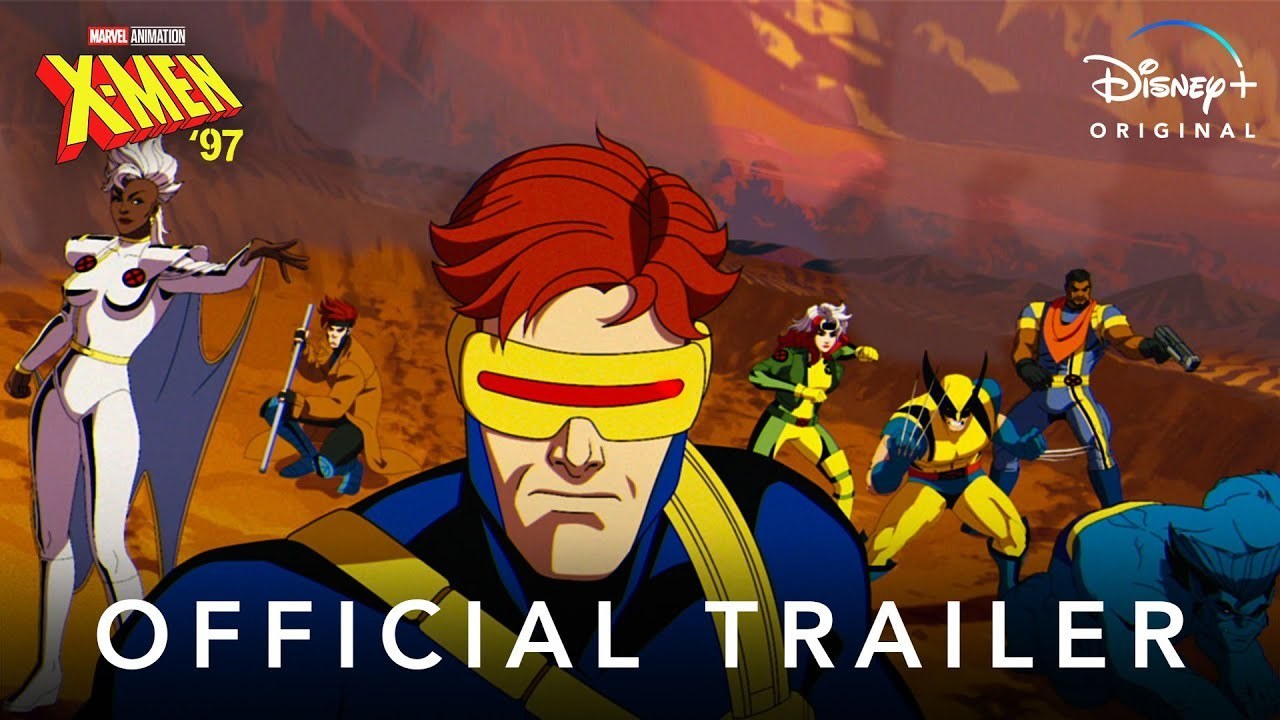
X-Men ‘97 is an animated Disney+ series from Marvel Animation. Season 1 premiered on March 20, 2024 and contains 10 episodes. The show follows Cyclops, Jean Grey, Storm, Wolverine, Rogue, Gambit, Beast, Jubilee, Bishop, Morph, Magneto and other mutants as they continue Professor Xavier’s mission in a world where political pressure and fear of mutants are intensifying.
Marvel’s official description gets to the heart of the series: the X-Men use their extraordinary gifts to protect a world that hates and fears them, only to find themselves challenged by a dangerous and unexpected future.
That setup preserves the central X-Men idea that has defined the franchise for decades. The powers and superhero battles matter, but they sit on top of stories about prejudice, identity, fear, power, assimilation, resistance and the difficult question of how an oppressed group should respond when tolerance repeatedly fails.
Is X-Men ‘97 a Reboot or a Continuation?
It is a continuation.
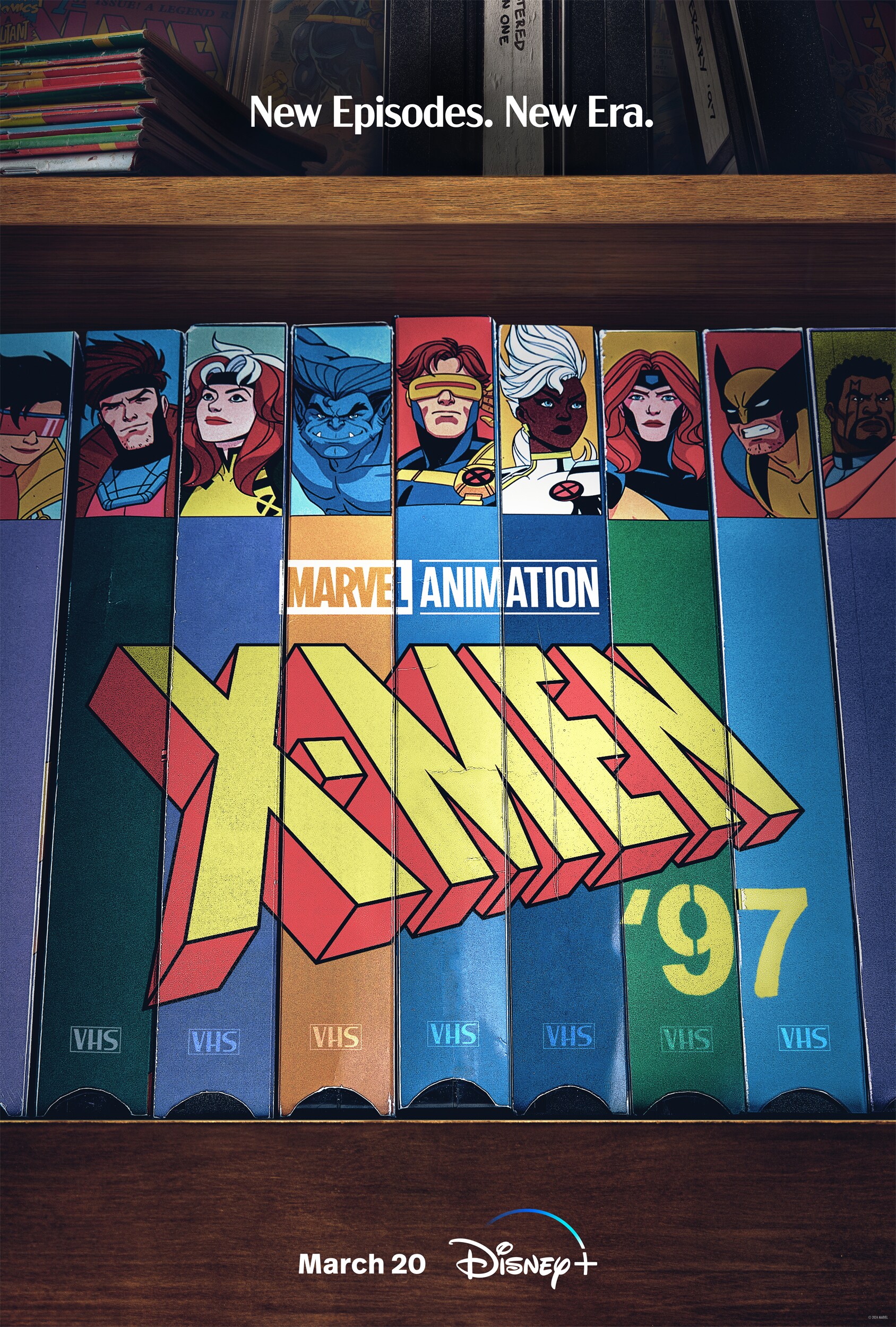
Disney and Marvel have been unusually clear about this. X-Men ‘97 follows X-Men: The Animated Series rather than starting over with a clean timeline. You do not need to treat the 1992 show as an alternate version that was discarded when the revival began.
For the specific handoff between the two shows, see how X-Men ‘97 connects to X-Men: The Animated Series.
The original cartoon ran for 76 episodes over five seasons. Its final episode, “Graduation Day,” left Professor Xavier critically injured after Henry Peter Gyrich attacked him with a weapon designed to disrupt his telepathy. Human medicine could not save him, so Shi’ar Empress Lilandra offered to take Xavier off-world for advanced treatment.
Magneto, who had been preparing to exploit growing mutant unrest, stopped when he learned that Xavier was dying. He ultimately helped Xavier make contact with Lilandra and stood with the X-Men as his old friend left Earth.
That is the emotional handoff into X-Men ‘97: Xavier is gone, his dream remains, and the people he left behind have to decide what that dream actually means without him there to enforce it.
When Does X-Men ‘97 Take Place?
The title deliberately anchors the revival to the late-1990s world of the original cartoon, but it is better to think of X-Men ‘97 as continuing the animated series’ own internal timeline than to map every episode neatly onto real-world broadcast dates.
Season 1 is set in 1997, roughly a year after the events surrounding Xavier’s departure. Winderbaum’s “next-day continuation” description is best understood as a statement about continuity: the old series matters, its ending matters, and the revival does not insert a new rebooted history between them.
Season 1 then moves the story forward from Xavier’s absence. By the end of that season, time travel becomes part of the premise itself, with members of the team displaced into different historical periods. Season 2 uses those fractured timelines as one of its central engines.
So there are really two timelines to keep straight:
- Release history: X-Men: The Animated Series aired from 1992 to 1997; X-Men ‘97 Season 1 arrived in 2024; Season 2 followed in 2026.
- Story continuity: X-Men ‘97 follows the consequences of the animated-series finale, with Season 1 taking place roughly a year later, and then introduces its own time-displacement story.
What Happened Before X-Men ‘97?
You do not need a complete 76-episode recap to understand the revival.
The essential background is that Charles Xavier founded the X-Men around the belief that mutants and humans could coexist. Magneto, Xavier’s oldest ideological rival, saw humanity’s repeated fear and persecution of mutants as proof that Xavier’s dream was dangerously naive.
Their conflict was never simply hero versus villain. Both men wanted mutants to survive; they disagreed on whether peace with humanity was achievable and what mutants were justified in doing when it was not.
By “Graduation Day,” that relationship had softened enough that Magneto abandoned his immediate plans when Xavier was mortally wounded. Xavier then left Earth with Lilandra for treatment, leaving the team without its founder.
X-Men ‘97 begins from that vacuum. Xavier is treated by much of the world as dead or gone, while his students try to preserve the institution and philosophy he built.
What Is X-Men ‘97 About?
At its simplest, X-Men ‘97 is about what happens when Xavier’s dream has to survive without Xavier.
Cyclops is already the X-Men’s field leader, but he is also trying to balance command with a family life that becomes increasingly complicated. Magneto’s arrival forces the entire team to ask whether someone who spent years fighting humanity can genuinely become the guardian of Xavier’s mission.
The outside world is changing too. Anti-mutant organizations remain active. Governments attempt to regulate, contain or weaponize mutant power. Genosha develops into an increasingly important mutant political center. Old enemies return in new forms. And every apparent step toward acceptance can be followed by a violent backlash.
That makes the series feel recognizably like the original cartoon while allowing it to tell darker and more serialized stories than the 1990s broadcast format usually permitted.
Main X-Men ‘97 Characters and Powers
You do not need to memorize the entire roster before watching. These are the core players:
For a closer breakdown, see our guide to X-Men ‘97 characters and powers.
| Character | What matters |
|---|---|
| Cyclops / Scott Summers | Fires powerful optic blasts and serves as the X-Men’s tactical field leader. The revival puts heavy pressure on Scott as both commander and father. |
| Jean Grey | A powerful telepath and telekinetic whose history with the Phoenix Force and the Summers family remains central to the continuity. |
| Storm / Ororo Munroe | Controls weather on a massive scale. Season 1 gives Storm a major identity arc after her powers are threatened. |
| Wolverine / Logan | Has a rapid healing factor, heightened senses and retractable claws. Cal Dodd returns from the original series to voice him. |
| Rogue | Absorbs memories, abilities and life force through touch, making physical intimacy dangerous and shaping her relationships with Gambit and Magneto. |
| Gambit / Remy LeBeau | Charges objects with explosive kinetic energy, most famously playing cards. His bond with Rogue becomes one of Season 1’s emotional anchors. |
| Beast / Hank McCoy | Combines superhuman strength and agility with a scientist’s intellect and often acts as one of Xavier’s strongest philosophical defenders. |
| Jubilee | Generates explosive plasmoid energy. Once the audience’s entry point into the original series, she returns as a more experienced mutant. |
| Bishop | Absorbs and redirects energy and comes from a future timeline, making him especially important once time travel enters the story. |
| Morph | A shapeshifter who can copy another person’s appearance and physical form; the revival gives the character a larger role. |
| Nightcrawler / Kurt Wagner | Teleports and brings a deeply compassionate, faith-driven perspective to the team. |
| Magneto | Manipulates magnetic fields and metal on a massive scale. His attempt to live by Xavier’s ideals becomes one of the revival’s defining conflicts. |
Professor Xavier remains essential even when he is absent: the entire series is built around what his students and rivals do with the dream he left behind.
Why Is Magneto Leading the X-Men?
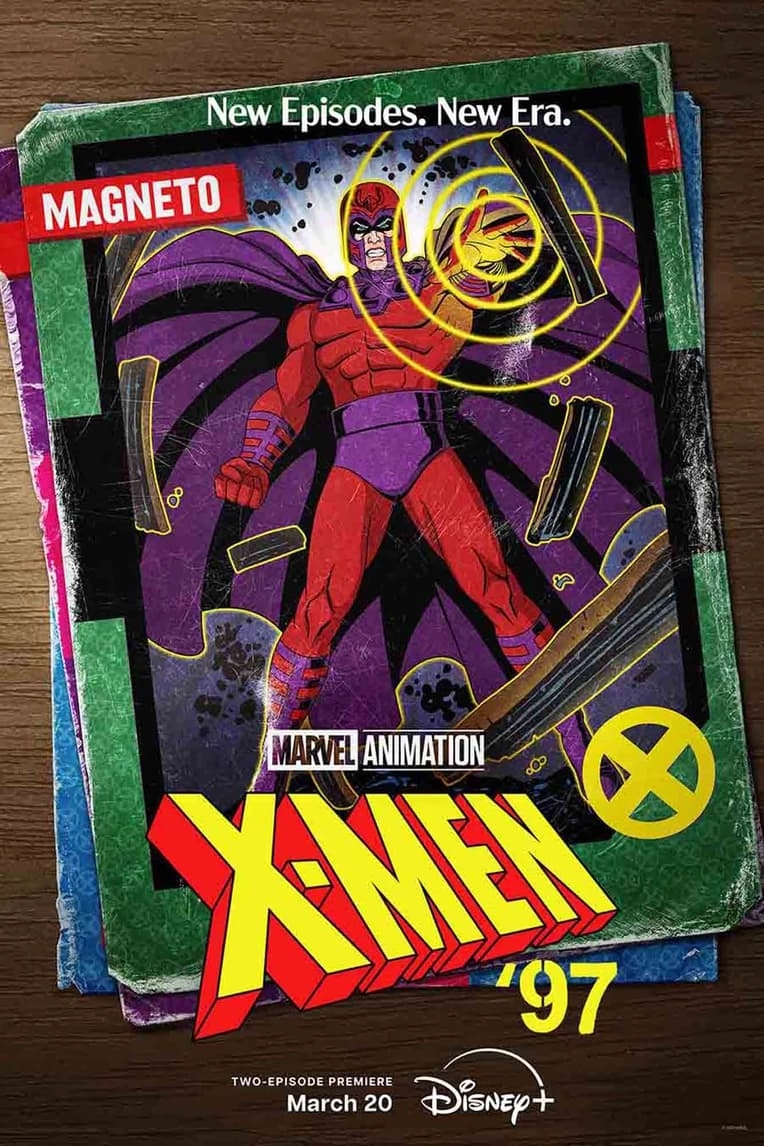
One of Season 1’s earliest shocks is the revelation that Xavier’s final will leaves the school and the X-Men under Magneto’s stewardship.
That does not mean the team instantly accepts him. Cyclops, Wolverine and others have years of history fighting Magneto. They know what he has done and what he believes.
Magneto nevertheless attempts to honor Xavier’s final wish. He submits to human law, tries to prove he can lead without returning to mutant supremacy, and repeatedly faces situations designed to expose whether his apparent change is real.
This is one of the show’s smartest uses of continuity. Magneto does not become harmless, and X-Men ‘97 never pretends his past disappeared. Instead, it forces a man defined by justified trauma and extreme responses to test Xavier’s philosophy from the inside.
X-Men ‘97 Season 1 Explained
Spoiler warning: The following sections discuss major events from X-Men ‘97 Season 1.
Season 1 begins with the X-Men attempting to continue Xavier’s work while anti-mutant tensions remain high. Magneto arrives with Xavier’s will, reshaping the team’s leadership almost immediately.
At the same time, Cyclops and Jean Grey are preparing for parenthood. That storyline becomes much stranger when another Jean appears at the mansion, leading to the revelation that Mister Sinister has manipulated the family and that the woman who gave birth to Nathan Summers is a clone who becomes Madelyne Pryor. Nathan is eventually sent into the future to survive a techno-organic infection — connecting the child directly to Cable’s history.
Storm suffers another major upheaval after losing her mutant powers. Her “Lifedeath” story pushes her away from the team for a time and forces her to confront whether being Storm is defined by power or by identity.
Meanwhile, political hope begins to build around Genosha. That hope becomes the center of Season 1’s most devastating turn.
What Happened at Genosha?
Genosha is presented as a mutant nation moving toward greater international legitimacy — a place where mutants can imagine safety, culture and political power outside Xavier’s school.
Then the attack comes.
A massive Sentinel assault devastates Genosha during a major gathering of mutants. The event is not simply another supervillain battle; it becomes the emotional and political break point of the entire season. Gambit’s actions during the attack turn him into one of the season’s defining figures, while survivors are left with the question that has always haunted Xavier and Magneto: what happens when peaceful coexistence is answered with extermination?
The destruction radicalizes the conflict around mutant survival and ultimately pushes Magneto back toward the worldview he had tried to leave behind.
Who Is Bastion?
Bastion emerges as the architect behind the season’s larger anti-mutant campaign.
The character is a human-Sentinel hybrid whose plans center on turning ordinary people into Prime Sentinels — sleeper weapons that can suddenly become part of an anti-mutant strike force. The concept draws from Marvel Comics’ “Operation: Zero Tolerance” material, but X-Men ‘97 remixes that mythology for its own animated continuity.
That distinction is important throughout the show. Marvel’s comics are the source library; they are not a script the cartoon follows panel by panel.
The conflict with Bastion eventually converges with Magneto’s own retaliation against humanity. By the three-part “Tolerance Is Extinction” finale, the X-Men are fighting to stop both anti-mutant annihilation and an escalating global catastrophe.
The season ends with the team’s status radically changed and several X-Men displaced through time, creating the setup for Season 2.
What Is X-Men ‘97 Season 2 About?
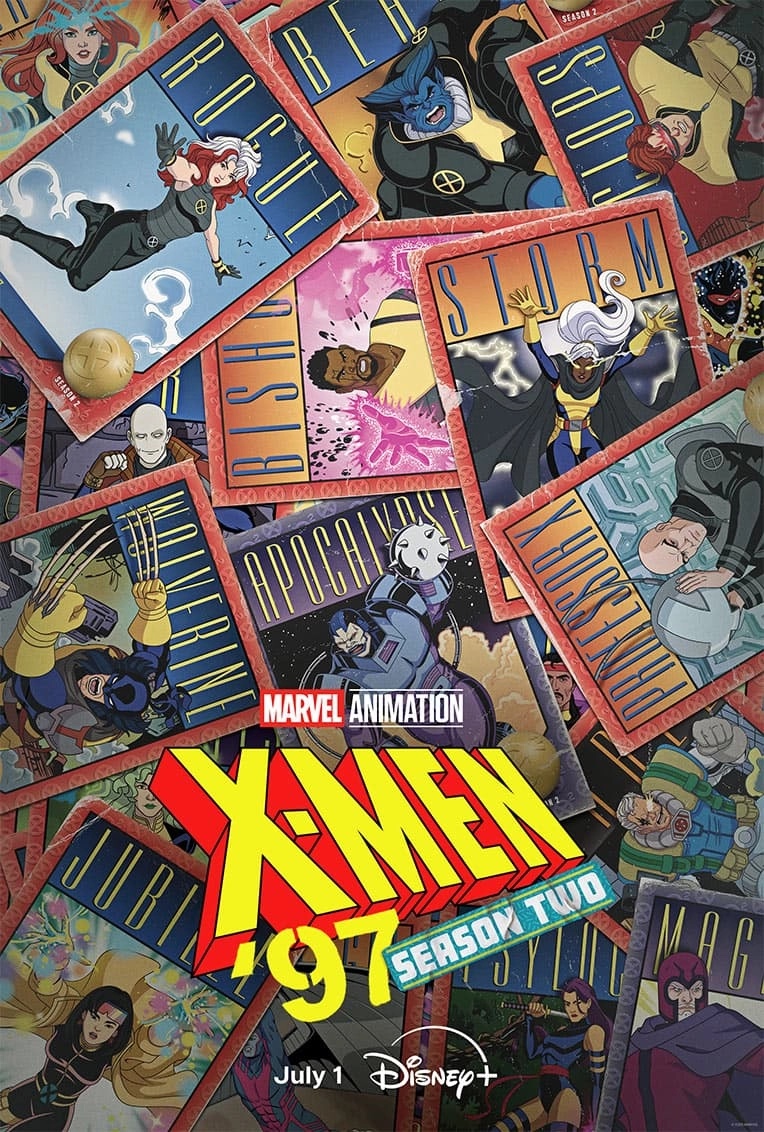
Season 2 premiered on Disney+ on July 1, 2026 with a three-episode launch and contains nine episodes in total. The season concluded on August 12, 2026.
Marvel’s official premise is deliberately broad: the X-Men have been divided and thrown across different eras in time, and they must find a way home while new enemies and new strains of mutant intolerance rise in the 1990s during their absence.
That makes Season 2 larger in scale than the first. Instead of keeping nearly every conflict anchored to one political moment, the story can move through the ancient past, the team’s present and a distant future.
The original X-Men: The Animated Series creatives Eric Lewald, Julia Lewald and Larry Houston also returned as executive producers for the second season, strengthening the production’s connection to the series it continues.
Because Season 2 is now complete, there is much more that could be said about its ending. This guide keeps those finale spoilers out so new viewers can understand the premise without having the completed season spoiled for them.
Where Does Apocalypse Fit Into X-Men ‘97?
Apocalypse is En Sabah Nur, one of the X-Men franchise’s oldest and most dangerous mutant enemies. He believes in survival through strength and has repeatedly attempted to reshape the world around that belief.
The original animated series already established Apocalypse as a major threat, so his presence in X-Men ‘97 is not a new villain being imported from an unrelated continuity. The Season 1 finale directly points the revival back toward him, and Season 2 expands the story across eras where his influence can reach the X-Men in very different ways.
Marvel’s 2026 official prelude comic also makes Apocalypse’s shadow explicit, including material involving his Four Horsemen before the television season begins.
If you know Apocalypse mainly from the live-action X-Men: Apocalypse film or from Marvel Comics, remember that those versions are not automatically interchangeable with this one. X-Men ‘97 follows the continuity established by the 1990s cartoon.
Is X-Men ‘97 Based on a Specific Marvel Comic?
No single comic storyline is the blueprint for the series.
Marvel has described X-Men ‘97 as a show that adapts and remixes material from decades of X-Men comics, much like X-Men: The Animated Series did before it. Season 1 draws recognizable inspiration from stories and concepts associated with “Inferno,” “Lifedeath,” “Fatal Attractions” and “Operation: Zero Tolerance,” among others, but it rearranges characters, chronology and outcomes to fit the animated continuity.
That is the safest way to understand the relationship between the show and the comics:
Comics inspiration does not equal identical canon.
A character may have a different origin, a storyline can happen in another order, and a comic event can be compressed or combined with material from a completely different era.
What Are the Official X-Men ‘97 Prelude Comics?
Marvel Comics has published official companion material tied directly to the animated series.
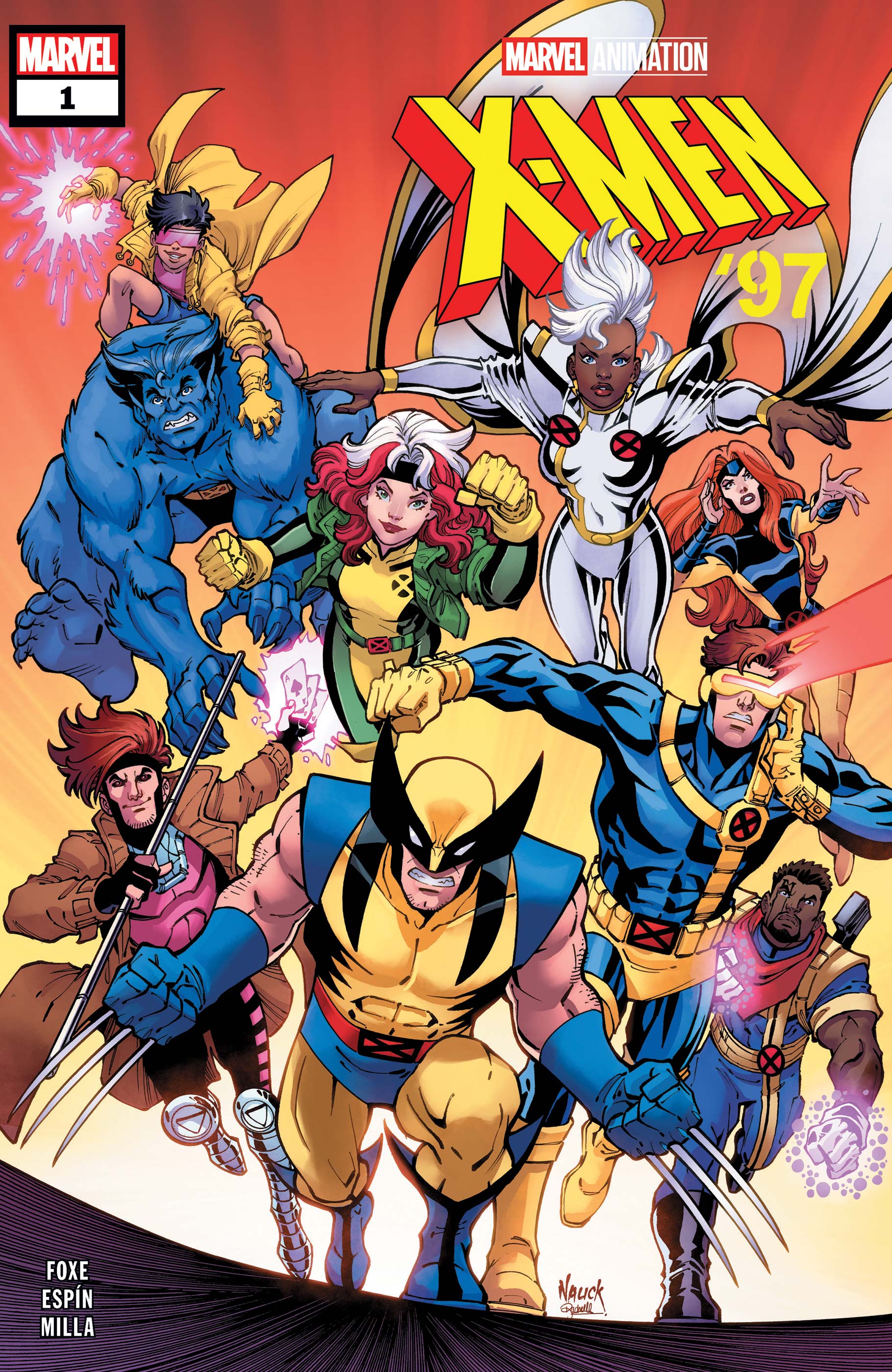
The four-issue X-Men ‘97 limited series released in 2024 was created in collaboration with the show’s team and serves as a prelude to Season 1, showing what members of the X-Men were doing before the revival begins.
Marvel followed it with X-Men ‘97: Season Two in 2026. Marvel explicitly describes that limited series as an official prelude leading from the end of Season 1 toward the start of Season 2.
You do not need either comic to understand the basic television story. They are best treated as additional connective material for viewers who want more of this specific animated continuity.
Do You Need to Watch X-Men: The Animated Series First?
No — but it helps.
X-Men ‘97 establishes the essential parts of its status quo quickly enough that a newcomer can follow the main conflict. You will understand that Xavier is gone, Cyclops leads in the field, Magneto has a complicated history with the team, and mutant-human relations are unstable.
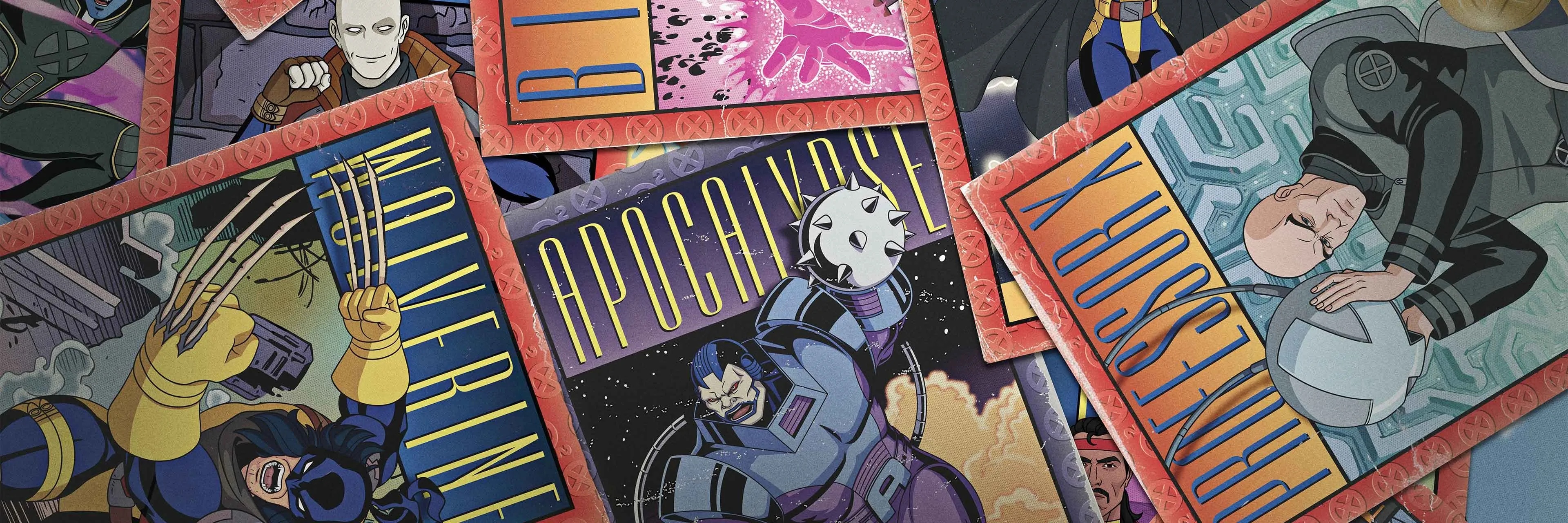
Watching the original cartoon gives those relationships much more weight. It explains decades of animated history between Xavier and Magneto, the team’s encounters with Apocalypse and Mister Sinister, the origins of relationships such as Rogue and Gambit, and why Xavier’s departure in “Graduation Day” matters so much.
If you only want the minimum preparation, the original finale is especially useful. If you want the full experience, all 76 episodes of X-Men: The Animated Series are available on Disney+ in supported regions.
Is X-Men ‘97 Part of the MCU?
Not as part of the main MCU timeline Marvel currently presents.
X-Men ‘97 is produced by Marvel Animation under Marvel Studios, but production branding is not the same thing as continuity. The show continues the universe of X-Men: The Animated Series, and former head writer Beau DeMayo described it during Season 1 promotion as its “own thing.”
Marvel’s official Disney+ MCU timeline published in 2026 also does not place X-Men ‘97 among the mainline MCU films and television seasons.
Marvel’s multiverse means characters, concepts or visual references can echo across different universes, but that is not evidence that the animated X-Men live in the same primary continuity as the Avengers from the live-action MCU.
How Many Episodes of X-Men ‘97 Are There?
| Season | Premiere | Episodes | Status |
|---|---|---|---|
| Season 1 | March 20, 2024 | 10 | Complete |
| Season 2 | July 1, 2026 | 9 | Complete |
| Season 3 | 2027 window | TBA | Upcoming; production reported complete |
Season 1 launched with two episodes and then continued weekly through May 15, 2024. Season 2 launched with three episodes, followed by weekly releases through August 12, 2026.
Marvel has not announced an exact Season 3 premiere date or episode count.
Who Voices the X-Men?
The revival mixes returning performers from the 1990s cartoon with new actors.
| Character | Voice actor |
|---|---|
| Cyclops | Ray Chase |
| Jean Grey | Jennifer Hale |
| Storm | Alison Sealy-Smith |
| Wolverine | Cal Dodd |
| Morph | JP Karliak |
| Rogue | Lenore Zann |
| Beast | George Buza |
| Gambit | AJ LoCascio |
| Jubilee | Holly Chou |
| Bishop | Isaac Robinson-Smith |
| Magneto | Matthew Waterson |
| Nightcrawler | Adrian Hough |
| Professor X | Ross Marquand |
Several performers from X-Men: The Animated Series returned, including Cal Dodd, Lenore Zann, George Buza, Alison Sealy-Smith and Adrian Hough. Others returned in different roles, while major characters such as Cyclops, Jean Grey, Gambit and Magneto were recast.
Who Makes X-Men ‘97?
Season 1 was produced by Marvel Animation with Brad Winderbaum, Kevin Feige, Louis D’Esposito, Victoria Alonso and Beau DeMayo among its executive producers. DeMayo served as head writer; Jake Castorena, Chase Conley and Emi Yonemura directed episodes, and The Newton Brothers composed the music.
The creative team evolved after Season 1. Matthew Chauncey, whose Marvel work includes What If…?, was hired as head writer for Season 3. For Season 2, original animated-series veterans Eric Lewald, Julia Lewald and Larry Houston joined the executive-producer lineup, giving the continuation direct creative links to the show it follows.
Why Does X-Men ‘97 Look Like the 1990s Cartoon?
The resemblance is deliberate. Marvel retained the bold silhouettes, costume language, colors and famous theme associated with the original series while using a modern animation pipeline for smoother action, more dynamic camera movement and more detailed expressions. The goal is not to pretend the show was literally animated in 1997; it is to make the revival instantly recognizable without being technically trapped in the 1990s.
Where Can You Watch X-Men ‘97?
X-Men ‘97 streams on Disney+.
Both Season 1 and Season 2 are complete as of August 2026. The original X-Men: The Animated Series is also available on Disney+ in supported territories, making it possible to watch the older series and move directly into the revival.
Catalog availability can vary by country, so check your local Disney+ listing if you are outside the United States.
Is X-Men ‘97 Season 3 Happening?
Yes.
Marvel confirmed at New York Comic Con 2025 that Season 3 was in development. At San Diego Comic-Con 2026, Brad Winderbaum said the third season was complete and ready for a 2027 Disney+ release, while Season 4 was already moving forward in development.
Marvel has not announced an exact Season 3 premiere date. That distinction matters: 2027 is the current release window, not a specific dated premiere.
For now, the safest summary is simple. X-Men ‘97 has moved beyond being a one-season nostalgia experiment. Two seasons are complete, a third is on the way, and Marvel is already developing what comes after it.
The reason the revival works is also the reason the original show endured. The costumes, theme song and animation style bring people back, but the X-Men only matter when the story keeps asking harder questions about fear, identity, prejudice, power and what coexistence actually costs. X-Men ‘97 understands that — and that is what makes it a continuation rather than a museum piece.
Make Red Reactions a preferred source
Choose Red Reactions as a preferred source in Google Search.
Confirm your choice on Google.
Related coverage
X-Men '97 Characters and Powers Explained
Meet the main X-Men '97 characters and learn what Cyclops, Storm, Wolverine, Rogue, Gambit, Magneto and the rest can actually do.
How X-Men '97 Connects to X-Men: The Animated Series
See how X-Men '97 continues the 1992 animated series, what happened to Professor X, which voices returned and what to watch first.
X-Men '97 Season 2 Is Complete — Here's Where Season 3 Stands
All nine episodes of X-Men '97 Season 2 are now streaming on Disney+. Season 3 is set for 2027, with no exact premiere date announced.
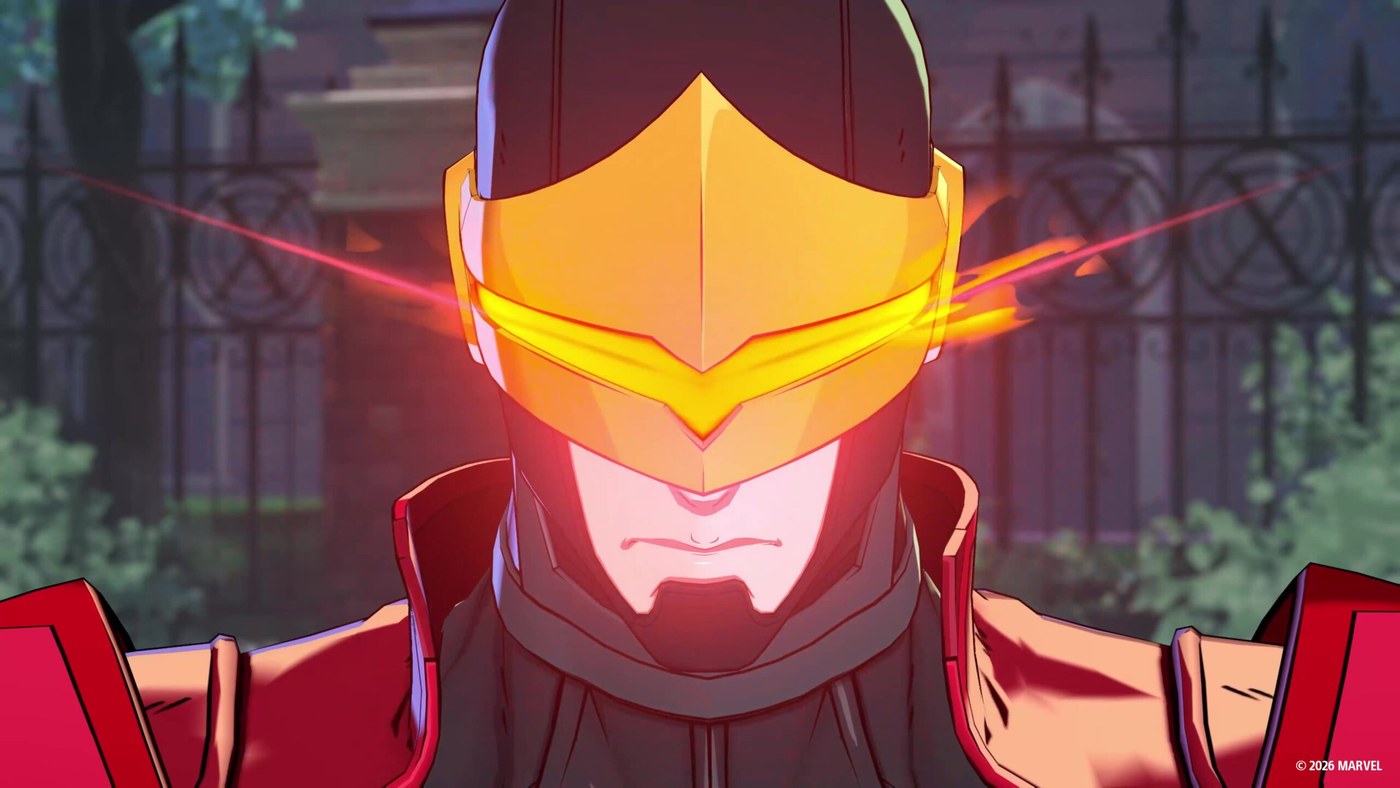
Phoenix Five Explained: Why Cyclops Has the Phoenix Force in Marvel Tōkon
Phoenix Cyclops isn't a new Tōkon invention. Here's the Avengers vs. X-Men story it's based on — why the Phoenix Force split between five mutants, and how Cyclops ended up holding it.
About the author
Aram Anwar
Founder & Editor
Aram Anwar founded Red Reactions and writes across comics, gaming, movies and television. His work includes franchise guides and large Lore / Explained features, with an emphasis on separating confirmed details from reports, theory and speculation.
Coverage: Comics · DC & Marvel · Gaming · Movies & TV · Lore / Explained · Guides
More from Aram Anwar