lore · tv
What Happened to Heroes? The Rise, Fall and Legacy of NBC's Superhero Phenomenon
Why did Heroes become a TV phenomenon, and why did it fall so quickly? A look at Season 1, the writers' strike, cancellation and its legacy.
 By Aram Anwar12 min read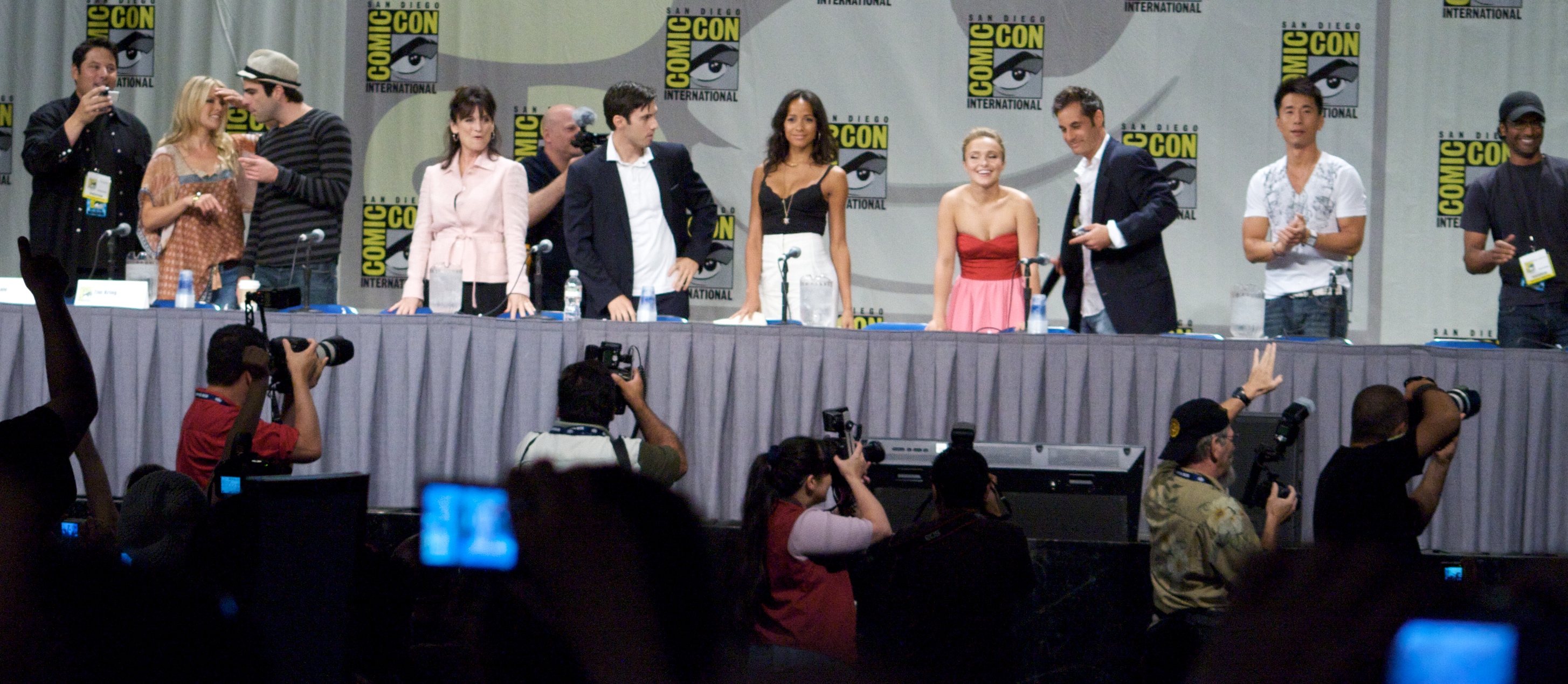
For a brief moment in the mid-2000s, Heroes felt like the future of superhero television.
NBC’s series did not begin with capes, secret headquarters or a famous comic-book logo. It began with ordinary people scattered across the world discovering that something impossible had happened to them. A hospice nurse could absorb the abilities of others. A Japanese office worker could bend space and time. A high-school cheerleader could survive injuries that should have killed her. A police officer could hear thoughts. Somewhere in the background, a serial killer named Sylar was hunting people like them.
When Heroes premiered on September 25, 2006, the formula worked immediately. The pilot drew 14.3 million U.S. viewers and gave NBC its strongest 18–49 rating for a fall drama debut in five years, according to NBC ratings data published by The Futon Critic. The first season went on to earn an Outstanding Drama Series nomination at the Emmys, with Masi Oka also nominated for his performance as Hiro Nakamura. The Television Academy lists 14 Emmy nominations for the series across its run.
Yet only four seasons later, Heroes was gone.
So what happened? The easy answer is “the writers’ strike.” The real story is more complicated. The 2007–08 Writers Guild of America strike absolutely disrupted the series, but Heroes had already begun running into creative problems before the strike shut down production. Its fall came from a combination of pacing mistakes, expanding mythology, changing character motivations, production pressure and a failure to recapture the elegant structure that made Season 1 so addictive.
Why Heroes Season 1 worked so well
The core idea was simple: what if superpowers happened to normal people before they knew what to do with them?
Creator Tim Kring approached the concept from the character side rather than the traditional superhero side. In a 2007 Wired profile, Kring and the show’s producers described building people and personal problems first, then matching abilities to them. That distinction mattered.
Claire Bennet’s regenerative healing was not just a cool power. It turned adolescence into body horror: she could be hurt in horrific ways, recover and still have to walk back into high school pretending to be normal. Hiro Nakamura’s control over space and time reflected his desire to escape an ordinary office life and become the kind of hero he had always imagined. Peter Petrelli’s empathic ability to copy other powers fit a character defined by his emotional connection to other people.
That human-first approach gave the show an identity at a time when live-action superhero television still looked very different from what audiences would get in the following decade.
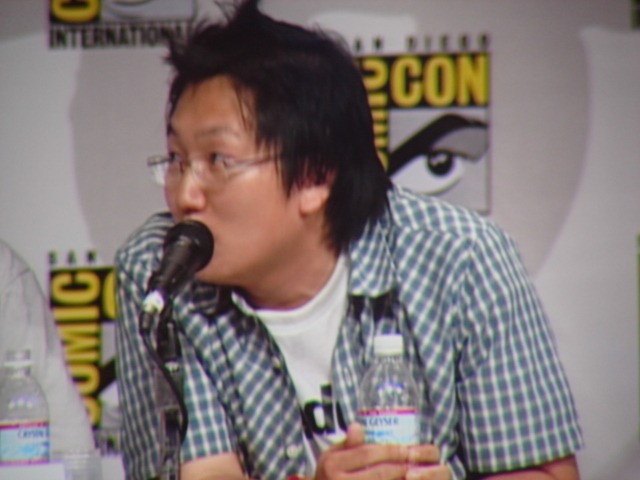
Photo: TV Squad Julia, CC BY 2.0, via Wikimedia Commons.
The first season also understood how to use a large ensemble. Peter, Claire, Hiro, Nathan Petrelli, Matt Parkman, Niki Sanders, D.L. Hawkins, Micah Sanders, Mohinder Suresh and Isaac Mendez initially occupied different corners of the story. Their plots did not feel disconnected for long, because the season steadily pulled them toward the same catastrophe: a vision of New York City being destroyed.
The now-famous instruction — “Save the cheerleader, save the world” — gave the audience a simple objective inside a much larger mystery. Claire mattered. Sylar was coming for her. Hiro’s future self seemed to know what was at stake. Every week added another piece.
That structure is one of the biggest reasons Season 1 remains the part of Heroes people remember most clearly.
The characters became bigger than the premise
A show like Heroes could easily have become a parade of powers. Instead, its strongest characters became recognizable even when they were doing very little with those abilities.
Hiro, played by Masi Oka, brought excitement and sincerity to a series that could become very dark. Jack Coleman’s Noah Bennet — initially known largely as the mysterious man in horn-rimmed glasses — evolved from an apparent threat into one of the show’s most complicated figures. Milo Ventimiglia’s Peter Petrelli became the emotional center of the ensemble, while Hayden Panettiere’s Claire became central enough that the show’s most famous slogan revolved around saving her.
Panettiere’s death at 36 in August 2026 brought renewed attention to the character who helped make her a television star. Red Reactions has a separate report on Hayden Panettiere’s death and her career in Heroes, Nashville and Scream.
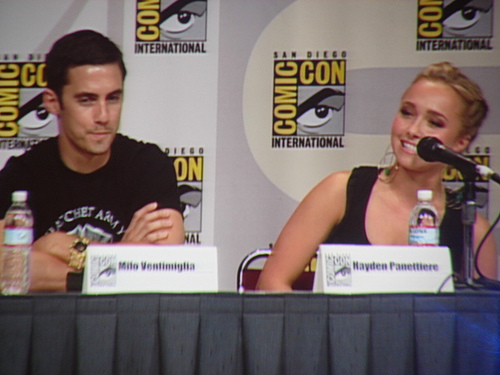
Photo: TV Squad Julia, CC BY 2.0, via Wikimedia Commons.
Then there was Sylar.
Zachary Quinto’s Gabriel Gray began as a watchmaker whose ability to understand how things worked became something monstrous. His hunger for other people’s abilities turned him into a serial killer, but the show’s early restraint made him more effective. He was not simply “the villain with all the powers.” He was the dark mirror of the central premise: an ordinary person discovers something extraordinary about himself and chooses to let it consume him.
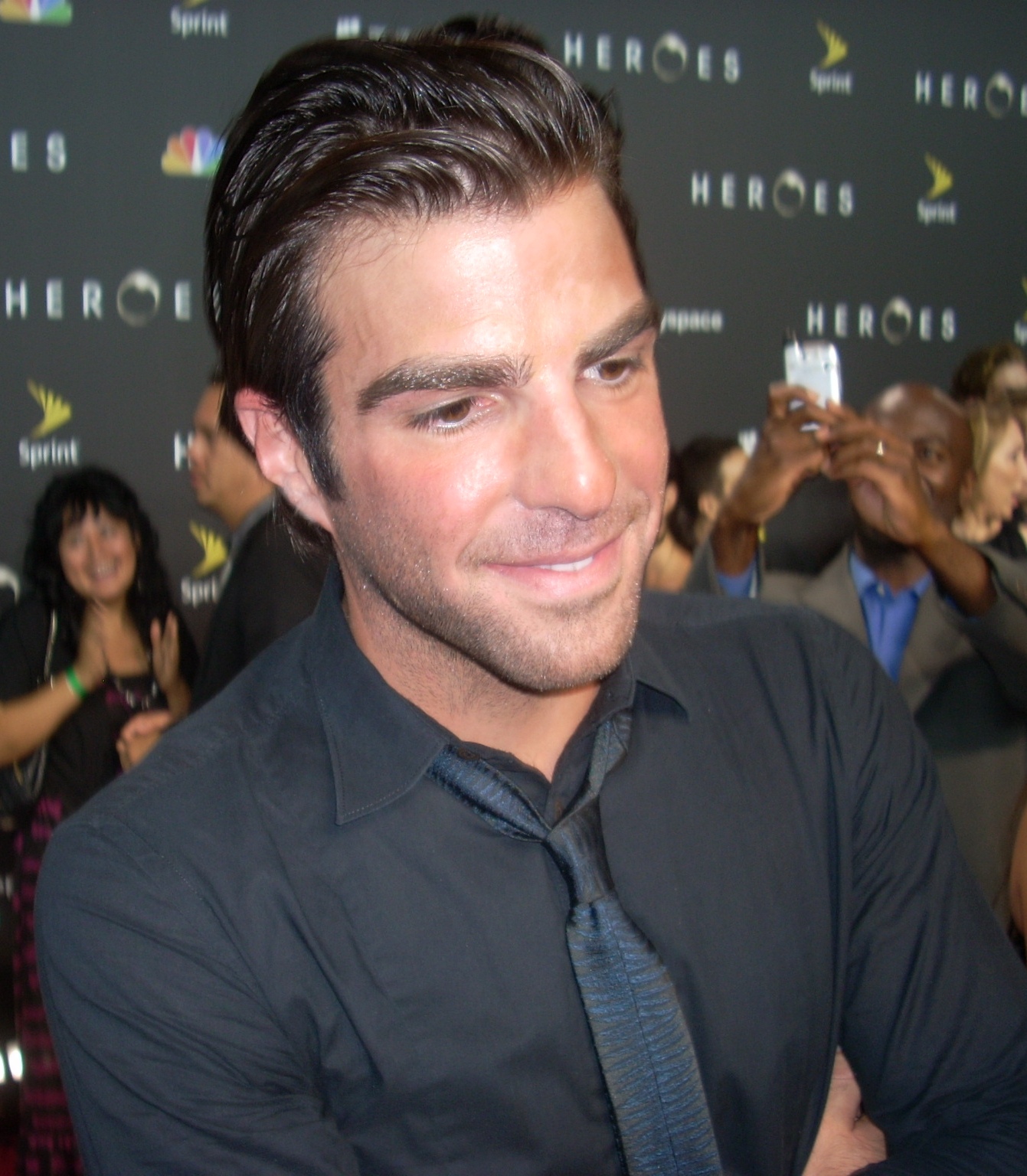
Photo: watchwithkristin, CC BY-SA 2.0, via Wikimedia Commons.
Heroes was also unusually ambitious online
Another reason the series felt modern was the way NBC expanded it beyond television.
Heroes used online graphic novels, character websites, interactive clues and the Heroes 360 Experience, later renamed Heroes Evolutions, to make the universe feel larger than what viewers saw on Monday nights. Kring told Wired in 2007 that internet integration had been part of his thinking from the original pitch.
That kind of transmedia strategy is normal now. Franchises routinely use social platforms, companion material, podcasts and online extras to keep audiences engaged between episodes. In 2006 and 2007, Heroes was doing an early network-TV version of that idea while its mythology was still unfolding week by week.
Season 2’s problems started before the writers’ strike
This is the part of the Heroes story that often gets simplified.
The Writers Guild strike began in November 2007 and unquestionably damaged the second season’s production plan. But it is inaccurate to claim that the strike alone suddenly destroyed a perfectly functioning show.
By the time the strike began, Heroes creator Tim Kring was already publicly acknowledging problems with Season 2. In a November 7, 2007 interview with Entertainment Weekly, he identified several issues: the pace had become too slow, the season had taken too long to establish its larger threat, some new characters had been introduced in isolated storylines, Hiro’s storyline in feudal Japan had lasted too long, and some of the romantic material was not working.
That matters because it changes the diagnosis. The strike did not create those storytelling decisions. It prevented the show from recovering from them in the way its producers originally planned.
Season 2 had been designed as a much longer run. Instead, only 11 episodes were produced, and the December episode “Powerless” was reworked so it could function as a season finale. Planned story material was abandoned or moved as production shut down.
So the fairest conclusion is this: the creative slowdown came first; the strike then cut short the attempted course correction.
That distinction explains why Heroes never simply returned to normal when television production resumed.
Season 3 tried to fix the problem by becoming bigger
When Heroes returned in 2008, it did not become smaller or simpler. Season 3 opened with the Villains volume and pushed aggressively into conspiracies, shifting alliances, time travel, family revelations, synthetic abilities and characters moving repeatedly between heroic and villainous roles.
The pace was faster, but speed was not the same thing as clarity.
One of Season 1’s strengths had been that viewers could understand what each character wanted even when the mythology was mysterious. Later Heroes increasingly made the mythology itself the engine. Powers changed. Loyalties flipped. Dead characters or apparently resolved threats continued to return in new forms. The world became more complicated while the emotional rules became less stable.
The strain also appeared behind the scenes. In November 2008, writer-producers Jesse Alexander and Jeph Loeb left the series amid reports of concerns about its creative direction and budget. The show later attempted another reset with the Fugitives volume, focusing on powered people being hunted by the government.
There are strong individual episodes and ideas in these later years, but Heroes had entered a cycle: identify that the series had become too complicated, relaunch it with a new volume, then gradually pile new mythology on top of the reset.
Season 4 improved the focus, but the audience had already left
The fourth season, subtitled Redemption, introduced Samuel Sullivan and the Sullivan Bros. Carnival, a community of people with abilities searching for belonging away from the outside world.
In some ways, this brought Heroes closer to its original strengths. The story again asked what people with extraordinary abilities actually wanted from ordinary life. Claire wrestled with identity and secrecy. Peter tried to build a life around helping people. Sylar’s struggle with who he was became increasingly central.
But television momentum is difficult to rebuild once viewers stop treating a serialized drama as appointment viewing.
The ratings decline was dramatic. A series that had launched to 14.3 million viewers and regularly operated as a major network hit in its first year was drawing a fraction of that audience by its final season. In May 2010, NBC cancelled Heroes after four seasons and 77 episodes. Creator Tim Kring responded to the cancellation in a statement reported by Deadline, while talk of a possible event or movie conclusion never turned into a continuation of the original run.
The February 8, 2010 finale therefore became the show’s ending almost by accident.
Claire publicly revealed her regenerative ability to the world, jumping from a Ferris wheel in front of cameras and surviving. It was a deliberate beginning for a new status quo — one in which the existence of evolved humans could no longer remain secret.
Then the series was cancelled.
Heroes Reborn tried to reopen the world
NBC eventually returned to the franchise in 2015 with Heroes Reborn, a 13-episode event series created by Tim Kring.
The revival brought back several familiar characters, including Noah Bennet, Hiro Nakamura, Matt Parkman and Mohinder Suresh, while building its main story around a new generation of evolved humans. NBC and Universal marketed it as an event rather than a conventional fifth season, and the story followed a world in which people with abilities had become feared and hunted.
The revival did not restore the franchise to its 2006 peak. NBC confirmed in January 2016 that there would be no additional season. Heroes Reborn remained a single 13-episode run.
That did not completely end attempts to revive the property. In April 2024, Variety and Deadline reported that Kring was pitching another continuation, Heroes: Eclipsed, about a new group of evolved humans discovering their abilities years after the original story.
As of July 2026, however, that project was reportedly “not active now”, according to an update from entertainment reporter Matt Webb Mitovich. No network or streamer has publicly announced a series order. In other words, Heroes: Eclipsed should not currently be treated as an upcoming confirmed television series.
Did the writers’ strike kill Heroes?
Not by itself.
The strike is an important part of the story because it reduced Season 2 to 11 episodes and forced the producers to change their plans. But blaming everything on the strike ignores Kring’s own comments from the time. He was already acknowledging pacing, structure and character-introduction problems as the strike began.
A more accurate chain looks like this:
- Season 1 created an unusually effective mystery structure. Every character was being pulled toward a shared threat.
- Season 2 slowed that structure down. Major stakes arrived later, while several new plots remained separated from the core cast.
- The writers’ strike interrupted the attempted repair. The season was shortened and planned arcs were abandoned.
- Season 3 overcorrected. Faster plotting produced more twists, powers and mythology, but not necessarily stronger character logic.
- Repeated resets weakened investment. The show kept changing direction instead of rebuilding the simple emotional engine that had made the first year work.
- By Season 4, improvement was no longer enough to reverse the audience decline.
That is less dramatic than saying one event “destroyed” Heroes, but it fits the documented timeline much better.
Why Heroes still matters
It is easy to look back at Heroes from a world saturated with superhero television and forget how unusual it felt in 2006.
The MCU had not yet begun. Arrow was six years away. Netflix’s Marvel shows, The Boys, Daredevil, The Umbrella Academy, Invincible and the modern wave of interconnected comic-book television were still in the future.
Heroes proved that a broadcast-network drama could build a large serialized story around superhuman abilities without adapting Batman, Superman, Spider-Man or the X-Men. Its characters did not need costumes to become recognizable. Hiro’s glasses and sword, Claire’s cheerleader uniform, Noah Bennet’s horn-rimmed glasses and Sylar’s silhouette became iconography of their own.
The series also understood something that later superhero stories would repeatedly return to: powers are most interesting when they complicate a person’s life rather than simply improve it.
That idea is why the first season still works. The mystery eventually has answers, so a rewatch cannot recreate the exact week-to-week speculation of 2006. What remains is the character design underneath it — Claire testing the limits of a body that refuses to stay injured, Hiro discovering that adventure has consequences, Peter believing he can save people, Noah trying to protect his family while serving an organization built around secrecy, and Sylar deciding that being special is something he can take from other people.
So, what happened to Heroes?
Heroes did not disappear because audiences suddenly stopped caring about superheroes. If anything, popular culture moved dramatically in the opposite direction.
The series fell because its first season created an extremely difficult standard to reproduce. That year had a clear destination, an ensemble whose stories converged naturally and a mystery that always seemed to be moving forward. Season 2 lost momentum before an industry-wide strike shortened the story. Later seasons tried to restore excitement by adding more plot, but complexity gradually replaced the clean character-driven tension that had defined the beginning.
Its cancellation in 2010 turned Heroes into one of television’s most famous “what if?” stories: a show that looked capable of becoming a long-running genre institution and instead burned through most of its cultural momentum in four years.
But failure is only half of its legacy.
Season 1 was genuinely influential, the cast produced characters people still remember two decades later, and the basic pitch remains powerful enough that the franchise has already been revived once and considered for another return. Heroes may never have fulfilled all of the promise contained in “Save the cheerleader, save the world,” but for one season, it made ordinary people discovering extraordinary abilities feel like the biggest story on television.
Make Red Reactions a preferred source
Choose Red Reactions as a preferred source in Google Search.
Confirm your choice on Google.
Related coverage
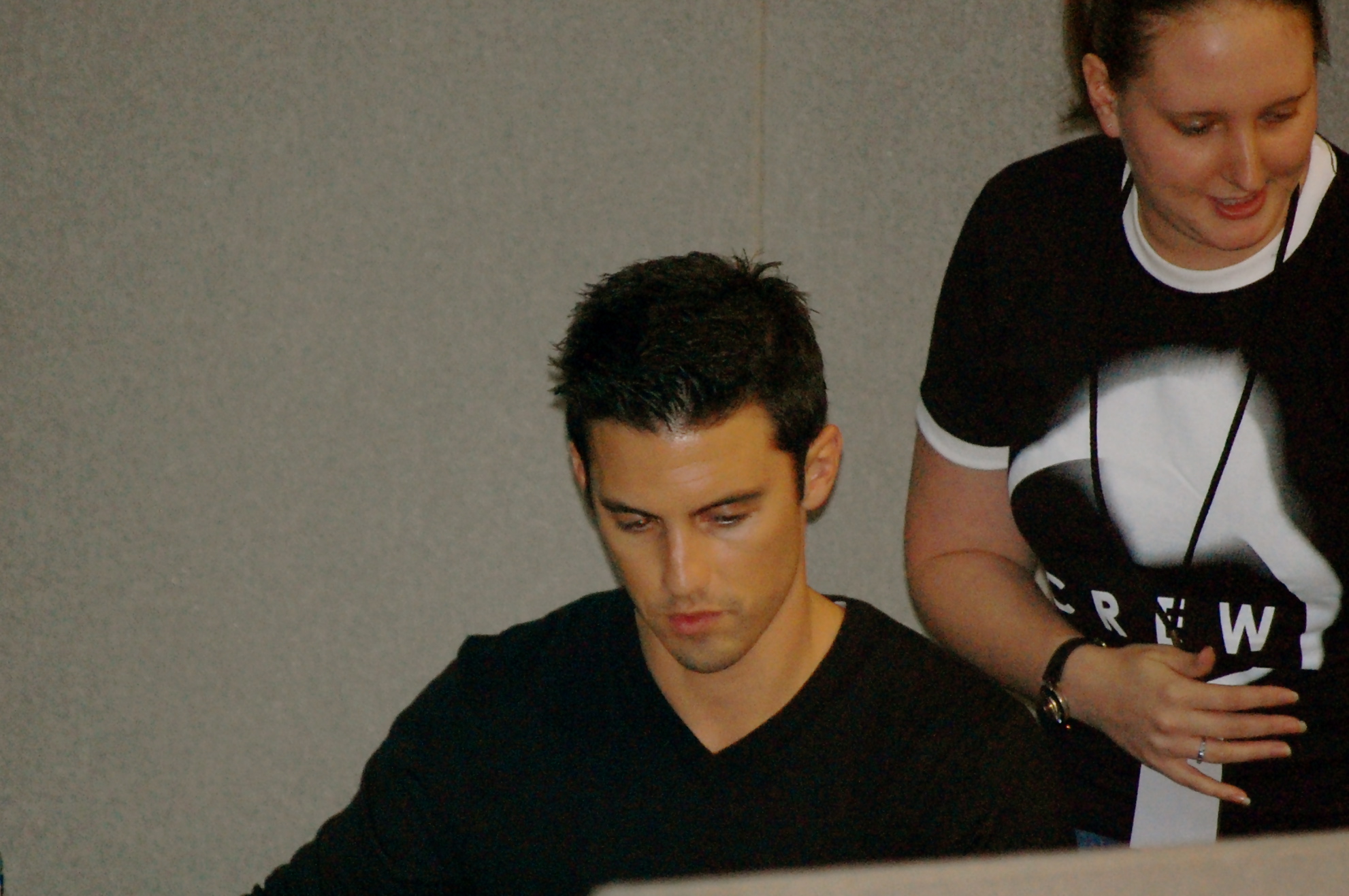
Peter Petrelli Explained: His Powers, Story and What Happened to Him in Heroes
Peter Petrelli's empathic mimicry made him the most powerful character Heroes ever wrote — and then the show had to figure out what to do with him. Here's how his powers actually worked, what happened to them, and where he ends up.
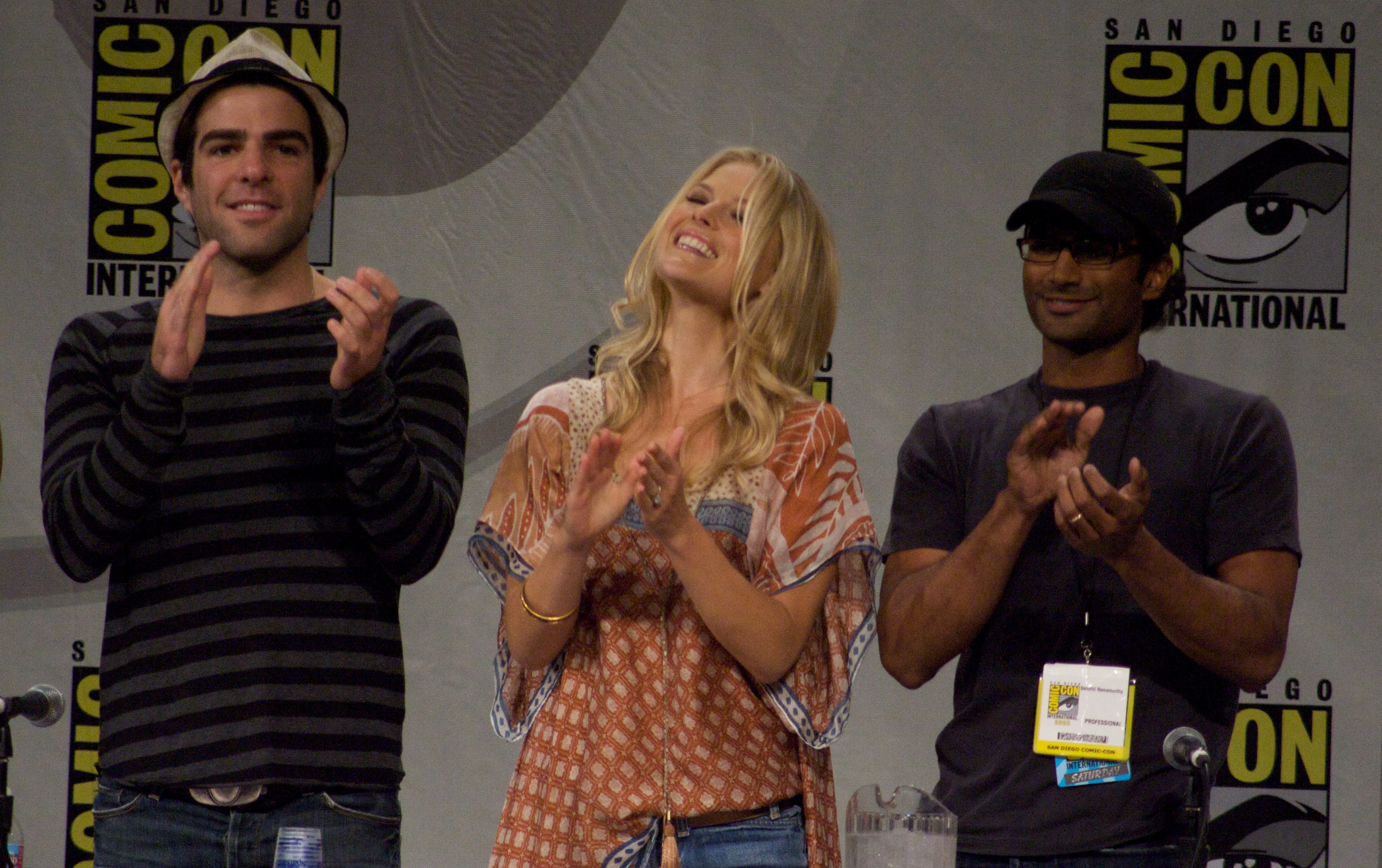
Sylar Explained: Powers, Abilities and Why He Became Heroes' Greatest Villain
Who is Sylar in Heroes? A complete guide to Gabriel Gray's origin, intuitive aptitude, stolen powers, hunger, redemption arc and why Zachary Quinto's villain became the show's defining threat.

Hayden Panettiere, Heroes and Scream Star, Dies at 36
Hayden Panettiere, known for Heroes, Nashville and the Scream films, has died at 36. Her family announced her death Sunday; no cause has been determined.
Who Is Daeron Targaryen? House of the Dragon's Missing Prince Explained
Alicent's fourth child spent two seasons offscreen and one season as a hostage in all but name. Now he's the biggest cliffhanger heading into the final season.
About the author
Aram Anwar
Founder & Editor
Aram Anwar founded Red Reactions and writes across comics, gaming, movies and television. His work includes franchise guides and large Lore / Explained features, with an emphasis on separating confirmed details from reports, theory and speculation.
Coverage: Comics · DC & Marvel · Gaming · Movies & TV · Lore / Explained · Guides
More from Aram Anwar