news · gaming
Xbox’s New Disc-to-Digital Feature Gives Physical Games a Digital Life
Xbox is testing a new disc-to-digital feature that lets supported Xbox One and Series X discs claim a digital entitlement, with Play Anywhere and cloud benefits where supported.
 By Bamo Anwar5 min read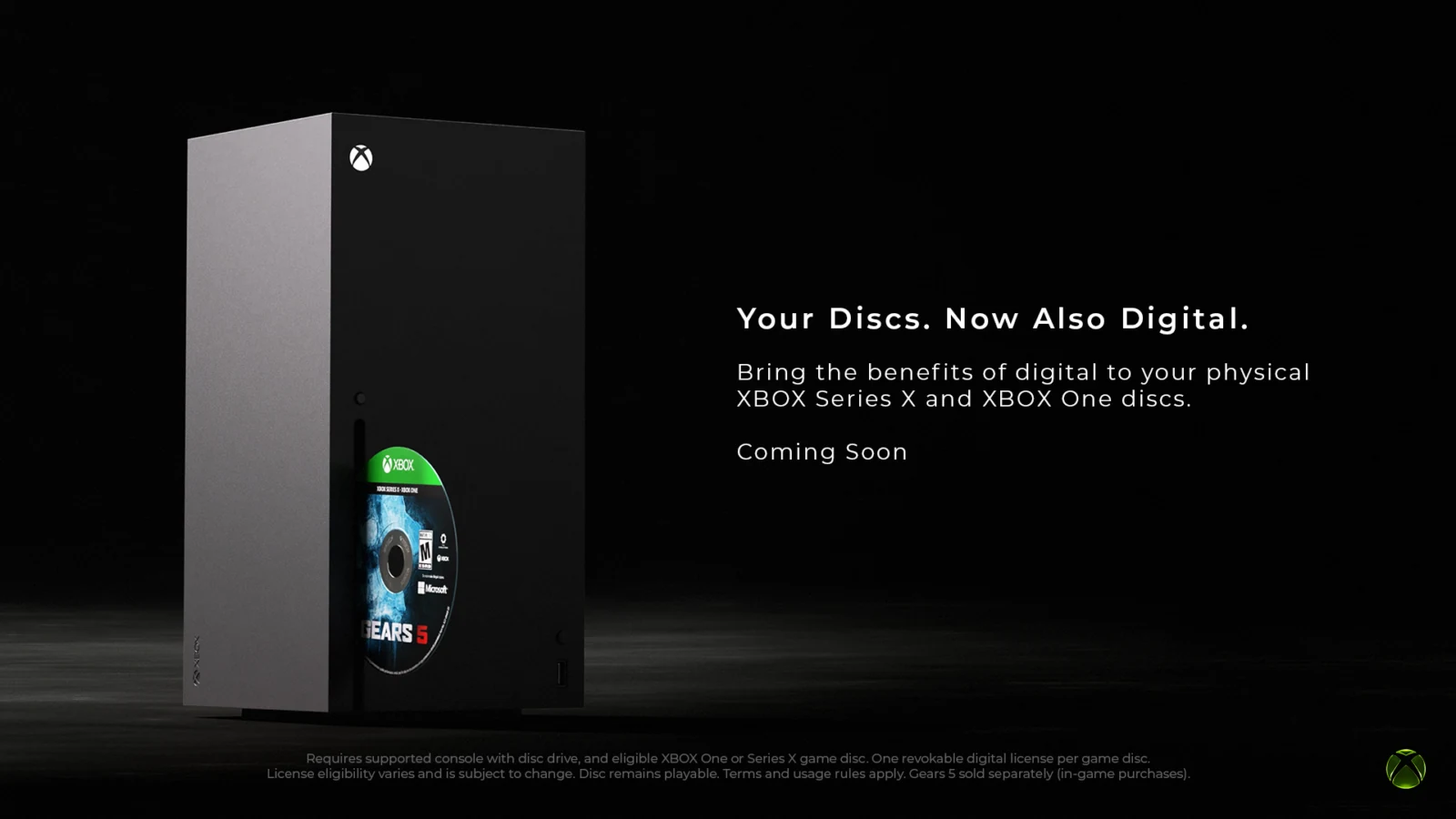
There is an awkward problem sitting in a lot of Xbox collections: the games still work, but the way we play them keeps changing.
Microsoft now has an answer — or at least the beginning of one.
Xbox has announced a new disc-to-digital feature that lets owners of supported Xbox One and Xbox Series X games use their physical discs to claim a digital entitlement. Xbox Insiders will be the first to test it from August 31, with Microsoft saying the initial library will cover thousands of titles.
That sounds simple enough. The interesting part is what happens after the disc has done its job.
How Xbox disc-to-digital works
Microsoft says players will insert a supported disc into an Xbox One or Xbox Series X console and launch the game. That process claims a digital entitlement associated with the supported title.
From there, the game can gain the advantages Microsoft normally associates with a digital purchase, including Xbox Play Anywhere and Xbox Cloud Gaming when those services are supported by the individual game.
The original disc does not get disabled in the process. Xbox explicitly says it will continue to work as it did before.
There are a couple of details worth not racing past. Microsoft says most Xbox One and Xbox Series X disc-based games support the feature, not all of them. It is also starting with “thousands of titles” and plans to add more over time.
In other words, don’t clear out the game shelf yet.
Xbox’s announcement also doesn’t give us a giant compatibility list to pore over. The Insider test beginning August 31 should give players a much better idea of which publishers and games are actually covered once people can try it for themselves.
This is more useful than simply replacing a disc
At first glance, disc-to-digital can sound like Microsoft has invented an elaborate way to save someone from standing up and changing a game disc. That would be a pretty thin sales pitch.
The more useful part is what the digital entitlement can unlock elsewhere.
Xbox Play Anywhere allows supported games to move between Xbox and Windows PC with the same purchase, while Xbox Cloud Gaming can make supported owned games playable without having the console sitting in front of you. Neither benefit suddenly applies to every physical game — Microsoft is careful to add “where supported” — but disc-to-digital creates a route for eligible physical purchases to participate in that ecosystem.
That distinction matters. Physical Xbox owners have spent years watching Microsoft’s strategy become increasingly device-agnostic while their shelves remained, quite literally, tied to hardware with an optical drive.
This feature is an attempt to bridge those two versions of Xbox.
Microsoft is calling this a preservation feature
Microsoft isn’t presenting the program as a convenience trick. Jason Ronald, Xbox’s vice president of next generation, framed it as part of the company’s broader work around game preservation.
That’s a loaded phrase in games, and it should be.
A digital entitlement is not the same thing as preservation in the archival sense. Servers can close, licensing agreements can expire and storefront policies can change. A working disc has a kind of stubborn usefulness that a line in an account library does not always share.
But Microsoft’s immediate argument is narrower: players have built libraries across several generations, split between physical and digital purchases, and Xbox wants those libraries to remain usable as devices and distribution methods change.
In that context, disc-to-digital makes considerably more sense.
Xbox has already spent years treating backward compatibility as part of its platform identity. Smart Delivery blurred the line between Xbox One and Series X versions of supported games. Play Anywhere did something similar between console and PC. Cloud Gaming pushed the library onto devices that don’t have a disc drive at all.
Physical games were always the awkward part of that pitch.
Now Microsoft is trying to bring them along.
What Xbox hasn’t explained yet
The announcement answers the basic question — yes, supported discs can generate digital entitlements — but leaves some practical ones for the Insider rollout.
Microsoft has not published a complete launch compatibility list in its announcement. Not every title will participate, and support for Play Anywhere or Cloud Gaming still depends on the game.
That makes the August 31 test more important than it might sound. We need to see how the entitlement behaves in ordinary situations: old games, delisted games, different accounts, borrowed discs and titles with complicated publishing rights.
Until Microsoft documents those edge cases, it’s better not to treat this as a magic conversion button for every Xbox disc ever pressed.
It also doesn’t make the physical copy obsolete. If anything, the fact that Xbox says the disc continues to work is one of the more reassuring details in the announcement.
The timing is hard to ignore
Xbox is talking much more openly about the future of its platform than it was at the beginning of the Series X|S generation. Microsoft has already said it is working on next-generation Xbox hardware, while its broader strategy increasingly treats Xbox as an ecosystem rather than one box under a television, a shift visible in the ROG Xbox Ally and SteamOS debate.
A feature designed to carry physical purchases into digital services fits that direction almost too neatly.
Still, Microsoft did not announce this as the death of Xbox discs, and there is no reason to turn it into that story before the company does. What it actually announced is more immediately useful: a way for supported physical games to gain some of the flexibility that digital owners already have.
For anyone with a shelf full of Xbox games, that’s a much more interesting proposition than another speech about the all-digital future.
The first real test begins August 31.
Sources
- Xbox Wire — Your Discs. Now Also Digital. — August 26, 2026
Make Red Reactions a preferred source
Choose Red Reactions as a preferred source in Google Search.
Confirm your choice on Google.
Related coverage
Xbox Disc to Digital Rolls Out to All Players: How the License Works
Xbox Disc to Digital is rolling out beyond Insiders. Here's how supported Xbox One and Series X discs grant digital access, and why the disc still matters.
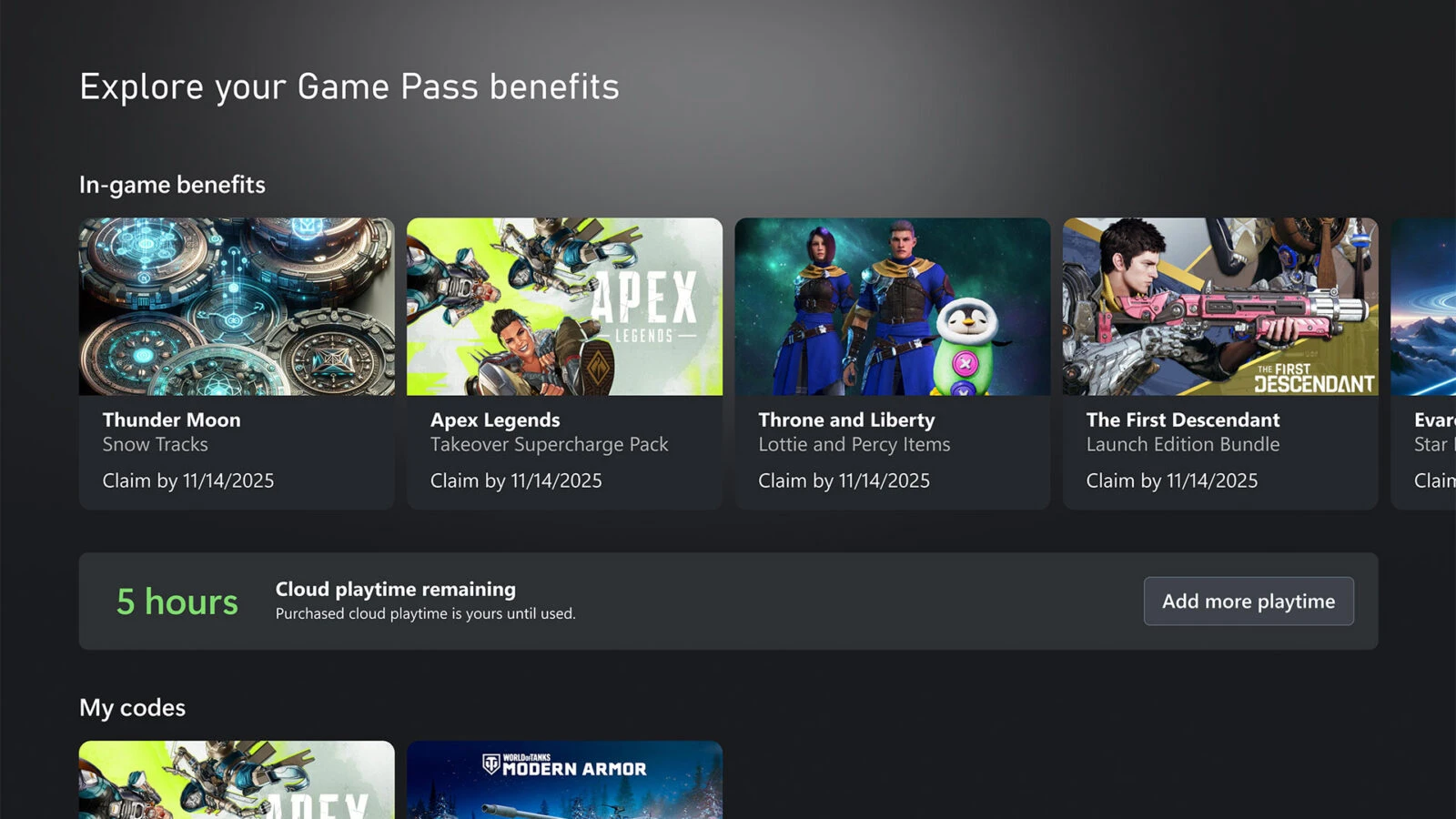
Xbox Cloud Gaming Gets Monthly Limits in November — Ultimate Falls to 15 Hours
Microsoft is capping Xbox Cloud Gaming hours by Game Pass tier starting in November 2026: 15 hours for Ultimate, 10 for Premium, 5 for Essential. Here's what changes, what doesn't, and what's still unknown.
Xbox XP Explained: Movies, TV and the Four New Units
Xbox XP brings screen adaptations, products, events and partnerships into one division. See its four units, leadership changes and existing film and TV projects.

Kingdom Hearts Collection on Switch 2: Storage, Cloud Upgrades and Included Games
Kingdom Hearts Collection launches October 8. Compare native Switch 2 editions, 131 GB versus 138 GB storage notices, Cloud-owner discounts and save transfers.
About the author
Bamo Anwar
Anime & Gaming Writer
Bamo Anwar covers anime and gaming for Red Reactions. His work ranges from release news and detailed trailer breakdowns to beginner guides, watch orders and explainers designed to make large franchises and game systems easier to enter.
Coverage: Anime · Gaming · Beginner Guides · Watch Orders · Explainers
More from Bamo Anwar