news · gaming
Xbox Cloud Gaming Gets Monthly Limits in November — Ultimate Falls to 15 Hours
Microsoft is capping Xbox Cloud Gaming hours by Game Pass tier starting in November 2026: 15 hours for Ultimate, 10 for Premium, 5 for Essential. Here's what changes, what doesn't, and what's still unknown.
 By Bamo Anwar5 min read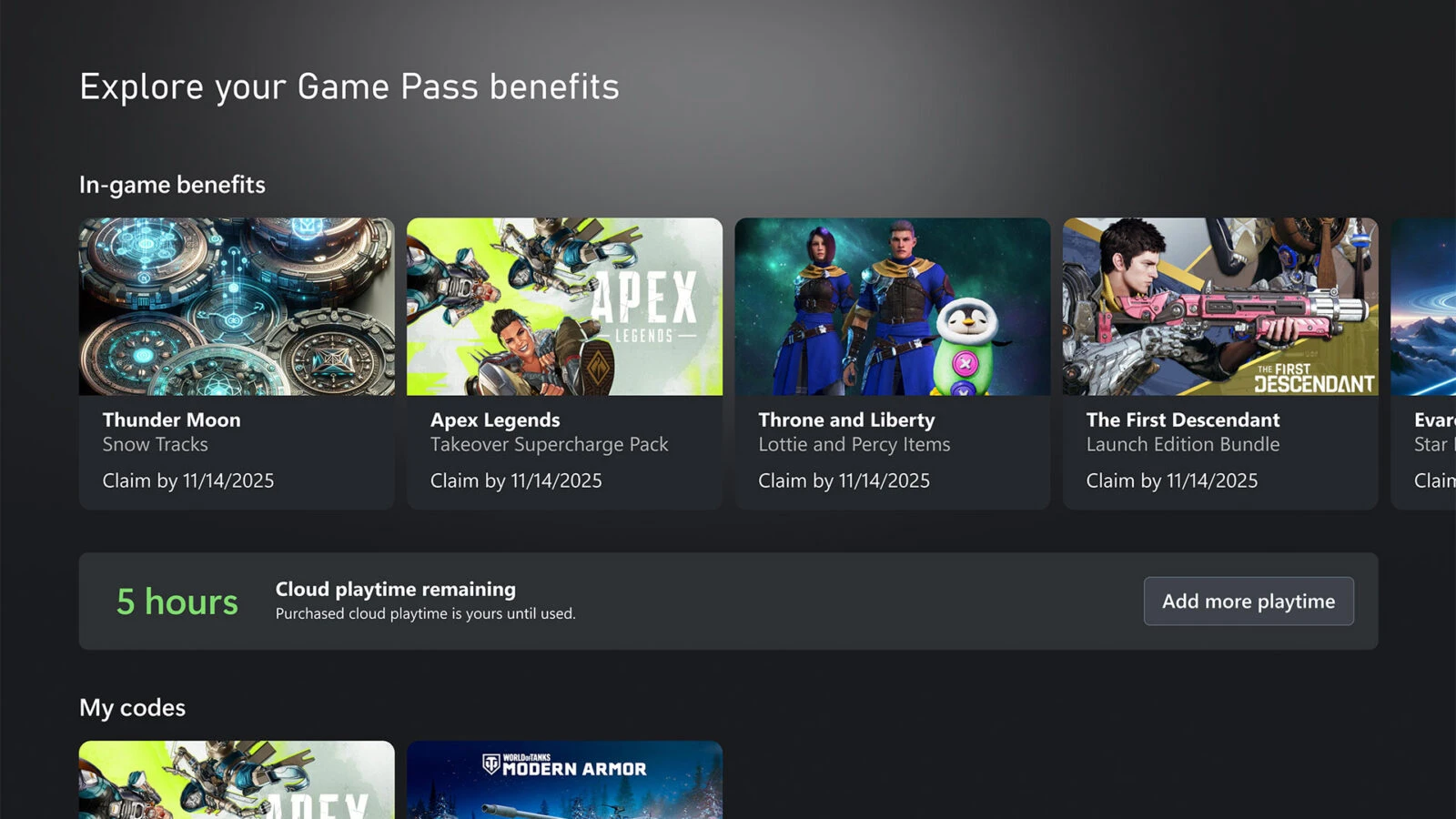
Microsoft is putting monthly limits on the cloud gaming included with Xbox Game Pass beginning in November 2026. Ultimate subscribers will get 15 hours a month, Premium gets 10 and Essential gets five — replacing the uncapped monthly access eligible subscribers currently have. Players will be able to buy additional cloud hours once they run out, and separately, people without Game Pass will gain a new paid option to stream eligible games they already own.
How Many Hours Each Tier Gets
Per Xbox’s own announcement, the included cloud gaming allowance from November is:
| Game Pass plan | Included cloud gaming from November |
|---|---|
| Ultimate | 15 hours/month |
| Premium | 10 hours/month |
| Essential | 5 hours/month |
Today, eligible Game Pass subscribers can stream through the cloud without any monthly hour limit. This is a real reduction in included access for anyone who uses cloud gaming regularly — not a shutdown of the service, and not a limit that applies the same way to every subscriber, since the allowance scales with which plan someone pays for.
What 15 Hours Actually Means in Practice
Spread evenly across a 30-day month, 15 hours works out to roughly 30 minutes a day for Ultimate, 20 minutes for Premium and about 10 minutes for Essential. That’s useful for scale, but it isn’t how the allowance actually works — there’s no daily cap or session limit, and nothing resets day to day. A subscriber could use all 15 Ultimate hours in a single weekend and have nothing left for the rest of the month, or spread them out however they like.
What Happens When You Use All Your Hours
Once included hours run out, Xbox says subscribers “will be able to purchase additional cloud playtime through the Xbox Store.” Pricing isn’t set yet — Xbox says it will share pricing and further details before the changes take effect in November, and that available hours, purchasing options and cloud gaming features may vary by market.
It’s worth being precise about what’s confirmed and what isn’t here. Xbox’s announcement doesn’t say the monthly included hours (the 15/10/5 figures) roll over if unused. What Xbox’s own app interface does show, in a screenshot of the cloud playtime panel, is that purchased hours are described as “yours until used” — distinct from the monthly allowance. The Verge has separately reported that purchased hour bundles can roll over between months. Keep those two pools separate: an unconfirmed rollover for the free monthly allowance, and a purchased balance that Xbox’s own interface already describes as not expiring.
Can You Use Xbox Cloud Gaming Without Game Pass?
Yes, starting in November. Xbox’s announcement states that players will be able to purchase cloud playtime hours through the Xbox Store and stream eligible games they own on supported devices, without needing a Game Pass subscription at all. Xbox frames this as an option for people who want occasional cloud access or don’t want a recurring subscription.
This isn’t Xbox Cloud Gaming becoming free, and it isn’t full library access — it’s a paid-time model tied to games a player already owns, and Xbox hasn’t published which games qualify or how availability might vary by region. One use case Xbox specifically calls out: cloud gaming can let Xbox One owners play eligible Xbox Series X|S games without buying new hardware immediately, which the company says is especially useful in markets where consoles are less available or affordable.
Why Microsoft Says It’s Making the Change
Xbox’s stated reasoning is direct: “the cost of providing cloud gaming grows as more people use it and play for longer.” Moving to monthly limits, per Xbox, lets it keep offering the service while continuing to invest in reliability and performance. Xbox also acknowledges plainly that “for some players the practical result is a higher cost” — an unusually candid admission that this change makes cloud gaming worse for a specific group of subscribers, not a neutral technical adjustment.
What the “4%” Number Actually Tells Us
Microsoft says it expects the change to affect 4% of Game Pass subscribers. That’s Microsoft’s own estimate, not an independently verified figure, and the company hasn’t published the usage data or methodology behind it. It’s fair to read 4% as Microsoft’s own sizing of the affected group — not proof that the change is minor for everyone it touches, since for whoever’s actually in that group, this is a substantial reduction in included cloud access.
What We Still Don’t Know
Xbox hasn’t announced pricing for extra hours, exact package sizes, the eligible-game list for non-subscribers, market-by-market availability, how remaining time will be displayed beyond what’s already in the app, or the exact November rollout date. Xbox says more details on all of this are coming before the changes take effect.
This also isn’t happening in isolation. Xbox has been expanding other ways owned games gain digital and cloud functionality — its new disc-to-digital feature lets supported physical discs claim a digital entitlement with cloud benefits where eligible. Read together, Microsoft is pushing in two directions at once: making it easier to convert or access games you own, while making the cloud gaming included with a subscription more metered than it’s been before.
Sources
- Xbox Wire — Upcoming Changes to Xbox Cloud Gaming — September 3, 2026
Make Red Reactions a preferred source
Choose Red Reactions as a preferred source in Google Search.
Confirm your choice on Google.
Related coverage
Xbox XP Explained: Movies, TV and the Four New Units
Xbox XP brings screen adaptations, products, events and partnerships into one division. See its four units, leadership changes and existing film and TV projects.
Activision Is Making the Next Halo as Xbox Cuts 268 Roles and Reshapes Its Studios
Xbox is cutting 268 roles and moving the next Halo to a purpose-built Activision team as Rare, Obsidian, Turn 10 and other studios change reporting lines.

Modern Warfare 4 Is Not on Game Pass at Launch: Activision Names Holiday 2027
Modern Warfare 4 requires a separate purchase for its October 23 launch. Activision names Holiday 2027 for Game Pass; the exact date and future subscription tier remain unspecified.
Xbox Disc to Digital Rolls Out to All Players: How the License Works
Xbox Disc to Digital is rolling out beyond Insiders. Here's how supported Xbox One and Series X discs grant digital access, and why the disc still matters.
About the author
Bamo Anwar
Anime & Gaming Writer
Bamo Anwar covers anime and gaming for Red Reactions. His work ranges from release news and detailed trailer breakdowns to beginner guides, watch orders and explainers designed to make large franchises and game systems easier to enter.
Coverage: Anime · Gaming · Beginner Guides · Watch Orders · Explainers
More from Bamo Anwar