feature · tv
The Rings of Power vs Tolkien: What the Show Gets Wrong About the Second Age
How The Rings of Power changes Tolkien’s Second Age, from the order of the Rings and Númenor’s timeline to Galadriel, mithril, Adar and Gandalf.
 By Aram Anwar7 min read
Tolkien puts the One Ring before the fall of Eregion. The Rings of Power puts it after. That reversal changes what starts the war, and it matters more than whether Galadriel carries a sword. The show also puts Elendil and Isildur in the same generation as the forging, bringing together events Tolkien separated by about 1,700 years.
Spoilers: This guide covers Seasons 1 and 2, plus the publicly announced Season 3 setup. The main book references are The Lord of the Rings, Appendix B, and the last two sections of The Silmarillion.
| Topic | In Tolkien | In the series |
|---|---|---|
| The order of the Rings | Celebrimbor completes the Three near the end. Sauron forges the One before Eregion falls. | The Three come first. The One is still unmade in the Season 3 setup, five years after Eregion falls. |
| Númenor | The One is forged around Second Age 1600. Númenor falls in 3319. | Elendil and Isildur are already active when the Three are made. |
| Sauron and Galadriel | Annatar wins over the smiths of Eregion. Galadriel’s Second Age biography exists in several versions. | Halbrand wins Galadriel’s trust before returning as Annatar. Celeborn is a missing husband who returns in Season 3. |
| Mithril | A rare metal linked to Moria and used in Galadriel’s ring. | A legend connects it to a Silmaril, and mithril becomes an urgent answer to the Elves’ fading. |
| Gandalf and the Harfoots | The Wizards appear in the Third Age in Appendix B. The early history of Hobbits is largely unrecorded. | The Stranger meets the Harfoots in the Second Age and is identified as Gandalf. |
1. Reordering the Rings changes why the war begins
In Appendix B, the smiths of Eregion start their great work around 1500 of the Second Age. Celebrimbor completes the Three around 1590. Sauron forges the One in Mount Doom around 1600, the Elves recognize the trap, and Eregion falls in 1697. In The Silmarillion, “Of the Rings of Power and the Third Age,” Celebrimbor makes the Three himself. Sauron never touches them, though their power is still bound up with the One. The Tolkien Estate’s chronology
The show starts with the Three at the end of Season 1. Halbrand suggests the technique that helps the smiths use their small amount of mithril. His departure comes before the Three are made. He returns as Annatar and works with Celebrimbor on the Seven and Nine in Season 2. In the Season 3 setup, Sauron is still trying to make the One five years after the fall of Eregion. About Amazon’s first-season recap · Prime Video’s Season 3 premise
The effect is bigger than a date change. Tolkien makes the One a trap the Elves discover, helping set the war in motion. The show makes it a weapon Sauron is trying to finish in a war already underway. It also gives the Seven and Nine their Dwarf and human destinations during the design process. In The Silmarillion, they begin as Elven works and acquire those associations when Sauron distributes the Rings. Appendix A preserves a Dwarvish tradition that the Elven-smiths gave Durin III his ring themselves. For the mechanics, see what the One Ring actually does.
2. Númenor loses centuries of history
Appendix B dates Sauron’s arrival as a captive in Númenor to 3262 and the island’s Downfall to 3319. Elendil and Isildur belong to the final phase of the island’s history. The show already has an adult Isildur and his father Elendil on screen in the same season that Celebrimbor makes the Three. About Amazon’s first-season recap
Co-creator J.D. Payne explained that centuries-long jumps would keep replacing the human cast. The cost is visible in Númenor’s story. In Tolkien, the island’s fear of death turns into policy and rebellion across generations. The series has to carry much of that history through the decisions of one family and one court. J.D. Payne’s Vanity Fair interview · Tolkien’s letter to Milton Waldman
3. Halbrand gives Sauron a different way in
The published Silmarillion gives Sauron the fair guise of Annatar, the Lord of Gifts. The smiths of Eregion accept his instruction. Gil-galad and Elrond distrust him and keep him out of Lindon. The first season invents Halbrand, a man Galadriel takes for a lost Southlands heir, and uses that relationship to put Sauron in reach of Celebrimbor. About Amazon’s Sauron explainer
The second season’s Annatar is one of the adaptation’s closest matches. He gets to Celebrimbor through the smith’s pride and desire to make something lasting. That is the trap Tolkien set for Eregion. The surprise identity in Season 1 is the show’s own route to it. For the identities in order, see our Sauron guide.
4. Galadriel’s pursuit and Celeborn’s disappearance
The show centers Galadriel’s early story on her hunt for Sauron after her brother Finrod’s death. It also has her tell Theo in Season 1 that she never saw her husband Celeborn again after he went to war. Prime Video brings Celeborn into Season 3 as her long-lost husband. Season 1, “The Eye” · Prime Video’s Season 3 cast guide
Tolkien wrote a formidable Galadriel whose pride and ambition to govern a realm help explain why she leaves the West. One account in Unfinished Tales, “Concerning Galadriel and Celeborn,” has her distrust Annatar while the smiths listen to him. Tolkien revised the couple’s movements and history several times. The show’s missing-husband story and Halbrand partnership are specific inventions. The argument that a physically capable Galadriel contradicts Tolkien is much weaker. Christopher Tolkien’s introduction to Unfinished Tales
5. The show gives mithril a new purpose
In Season 1, the Elves consider a legend in which a Silmaril’s light passes into the mountain and produces mithril. The episode treats the tale as apocryphal. A piece of the ore later restores a blighted leaf, and the smiths use mithril in the Three as they look for a way to stop the Elves’ fading. Season 1, “Partings” and “The Eye”
In The Fellowship of the Ring, “A Journey in the Dark” describes mithril as a light, hard and precious metal. In The Return of the King, “The Grey Havens” identifies it as the metal in Galadriel’s ring, Nenya. The books give it no Silmaril origin. Tolkien did connect Elven ring-making to slowing change and decay. The series turns that desire for preservation into an immediate crisis with a mineral cure. Tolkien’s letter to Milton Waldman
6. Gandalf arrives early, and the Harfoots fill a gap
Season 2 identifies the Stranger as Gandalf. Appendix B puts the appearance of the Istari, or Wizards, around 1000 of the Third Age; Appendix B also describes Gandalf arriving from the West and Círdan giving him Narya. Later writings consider a Second Age arrival for the two Blue Wizards. Those notes leave Gandalf’s familiar Third Age mission in place. The show moves his recognizably Gandalf story into the Second Age. Season 2 finale interview
The Harfoots are a different case. Appendix B first records them entering Eriador around Third Age 1050, and the prologue to The Lord of the Rings treats Hobbit origins as poorly documented. Earlier Harfoot communities are an invention built into that gap. Gandalf’s placement is the clearer departure.
For the later reveal and Tolkien’s other drafts, see our spoiler-marked guide to the Dark Wizard and the Blue Wizards.
7. Adar is invented, but his Orc ancestry has a source
Adar and his role in the Southlands are original to the show. The published Silmarillion, in “Of the Coming of the Elves and the Captivity of Melkor,” attributes to the Wise of Eressëa the belief that some of the first Orcs were made from captured, corrupted Elves. Tolkien later explored other origins in writings collected in Morgoth’s Ring. The show turns one of those possible origins into a named character with motives and relationships of his own. The Silmarillion, publisher edition
Where to read Tolkien’s Second Age
- Start with Appendix B, “The Second Age,” in The Lord of the Rings for the order of the Rings, Eregion, Númenor and the Last Alliance.
- Read “Akallabêth” and “Of the Rings of Power and the Third Age” near the end of The Silmarillion for the fall of Númenor and the purpose of the Rings.
- Read “Concerning Galadriel and Celeborn” in Unfinished Tales for the places where Tolkien kept revising their story.
The One Ring’s place in the war is the clearest factual departure. Númenor’s missing centuries change the tragedy most. Both are worth separating from additions such as Adar, which show what an adaptation can build from a genuine uncertainty in the source. For a verdict on how the first two seasons work as television, see our Rings of Power review.
Title-page photo by Stojanoski Slave via Wikimedia Commons. Cropped, rotated and resized. The resulting image is available under CC BY-SA 3.0.
Sources
- The Tolkien Estate — Second Age chronology and further reading
- J.R.R. Tolkien — The Silmarillion, including Akallabêth and Of the Rings of Power and the Third Age
- Christopher Tolkien — Introduction to Unfinished Tales of Númenor and Middle-earth
- J.R.R. Tolkien — Letter to Milton Waldman, 1951
- About Amazon — The Rings of Power Season 1 recap
- About Amazon — Sauron as Halbrand, Annatar and the Dark Lord
- About Amazon — Season 3 premise and cast
- Prime Video — Season 1, including Partings and The Eye
- Vanity Fair — J.D. Payne on compressing the Second Age
- Los Angeles Times — Season 2 finale interview with Daniel Weyman and the showrunners
Make Red Reactions a preferred source
Choose Red Reactions as a preferred source in Google Search.
Confirm your choice on Google.
Related coverage
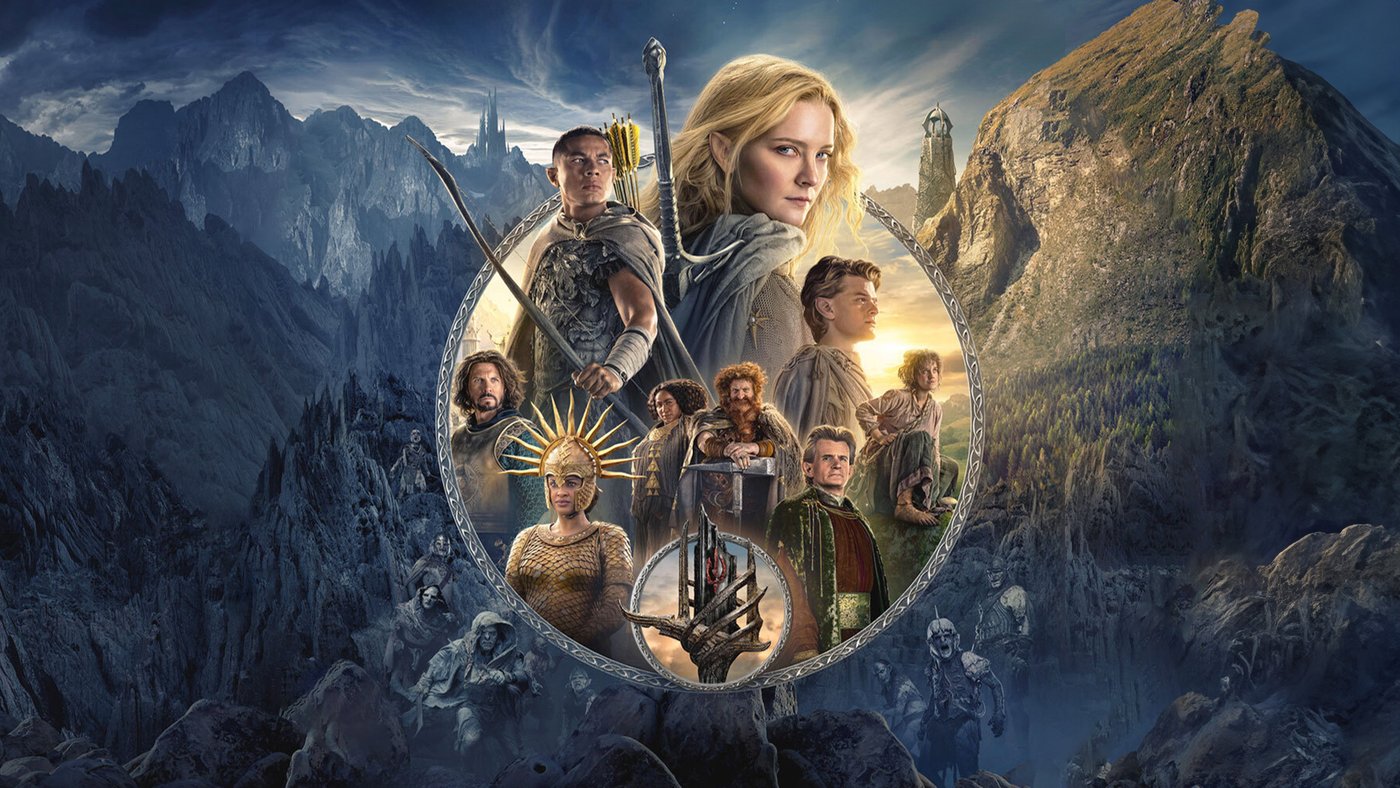
The Rings of Power Review: Beautiful Middle-earth, but Not Enough Tolkien
A retrospective review of The Lord of the Rings: The Rings of Power through Season 2, ahead of Season 3's November 11, 2026 premiere. Gorgeous production, frustrating adaptation choices.
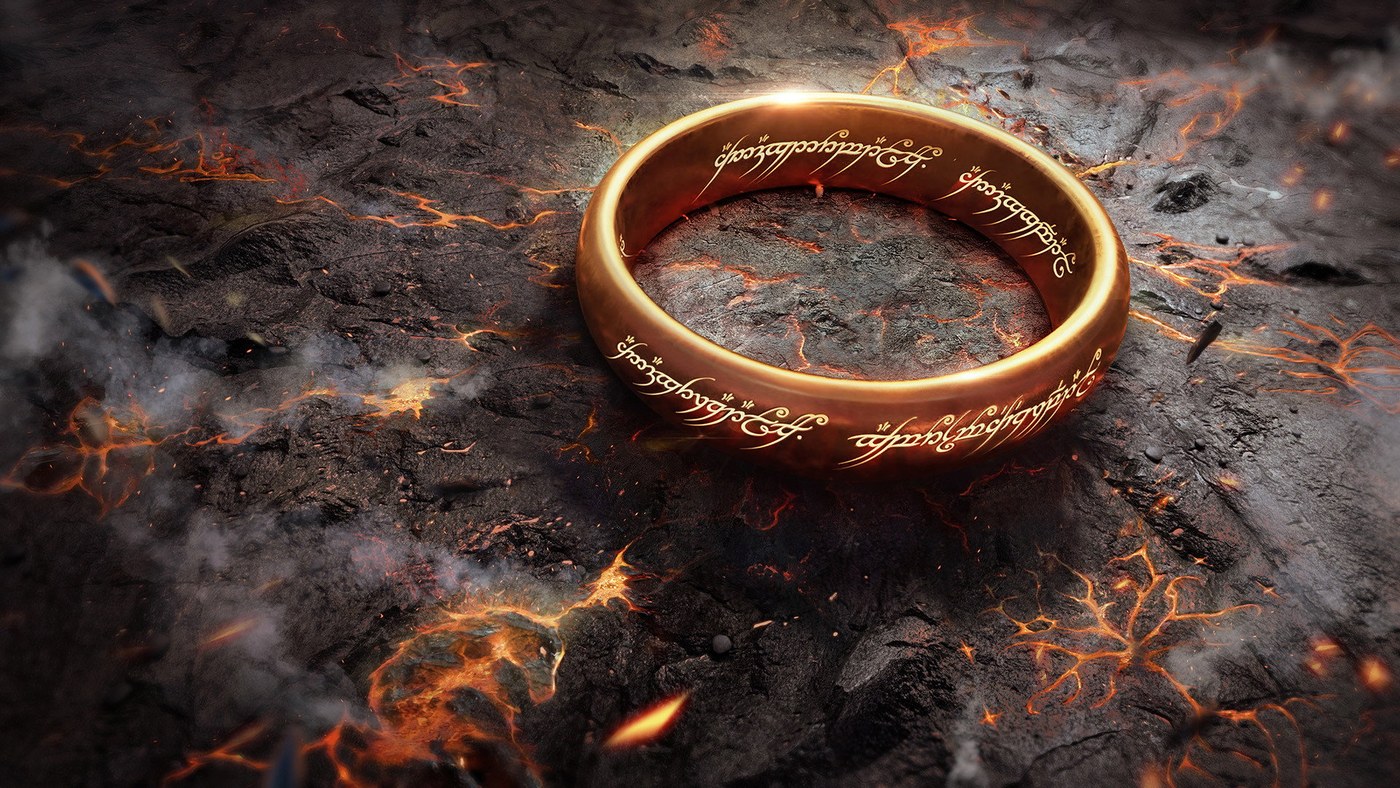
The One Ring Explained: What It Does, Why Sauron Forged It and Why It Corrupts
The One Ring isn't just an invisibility device. Here's what Tolkien's text actually says it does, why Sauron needed it, why it corrupts through desire rather than mind control, and what Rings of Power Season 3 has confirmed about forging it.
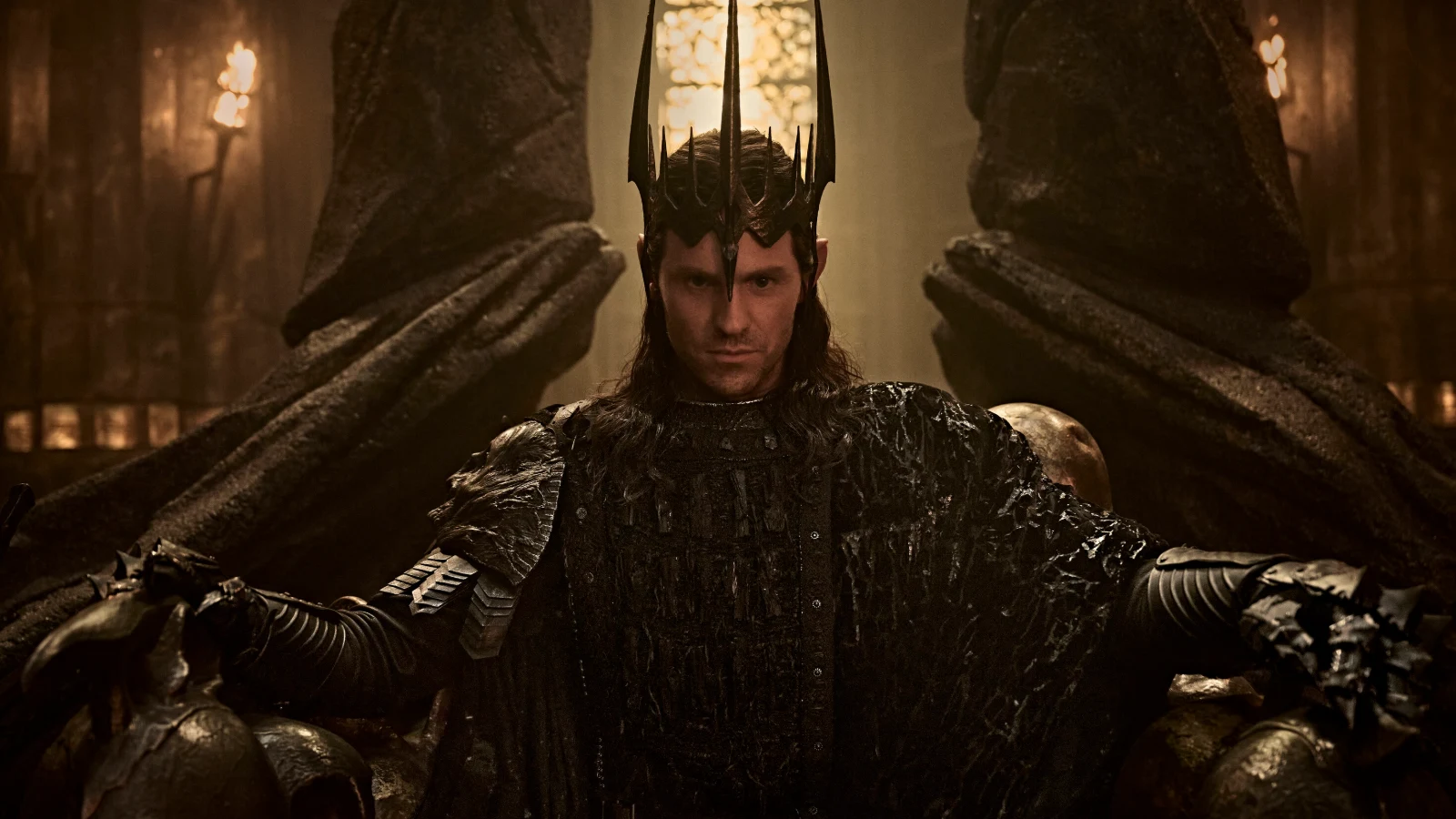
Who Is Sauron in The Rings of Power? Halbrand, Annatar and Season 3 Explained
Is Halbrand Sauron? What did Annatar do to Celebrimbor, and what changes in The Rings of Power Season 3? A spoiler-aware guide using Prime Video's official details.
The Rings of Power Season 3 Episode Release Schedule
The last two Rings of Power Season 3 episodes arrive November 24 at 6 p.m. PT (November 25 at 02:00 UTC). See the full schedule and Episode 7 cinema preview.
The Rings of Power Season 3 Cast Guide: Celeborn, Khamûl and the Balrog
Who's in The Rings of Power Season 3? Prime Video confirms Jamie Campbell Bower as Celeborn, Simon Pegg as the Balrog, Zubin Varla as Khamûl and 14 returning stars.

Percy Jackson Season 3 Release Schedule and The Titan’s Curse Guide
Percy Jackson Season 3 premieres November 20 with two episodes. Find the confirmed Disney+ and Hulu dates, the source book and where to catch up.
About the author
Aram Anwar
Founder & Editor
Aram Anwar founded Red Reactions and writes across comics, gaming, movies and television. His work includes franchise guides and large Lore / Explained features, with an emphasis on separating confirmed details from reports, theory and speculation.
Coverage: Comics · DC & Marvel · Gaming · Movies & TV · Lore / Explained · Guides
More from Aram Anwar